
Embarking on a journey from the sun-drenched coast of Los Angeles to the bustling metropolis of Chicago involves navigating a significant cross-country distance. For travelers planning this popular route, understanding the flight duration is paramount for efficient trip planning, whether for business or leisure. The non-stop flight is the most common and efficient way to bridge the roughly 1,745 miles (2,808 kilometers) between these two major United States cities.
Understanding the Direct Flight Duration
The average direct flight time from Los Angeles (LAX) to Chicago (ORD or MDW) typically ranges between 4 hours and 5 minutes to 4 hours and 45 minutes. This duration accounts for the time spent airborne from takeoff to landing, excluding taxiing on the ground. Several factors contribute to this variability, including the specific airport of arrival in Chicago, the type of aircraft, prevailing wind conditions, and air traffic control directives.
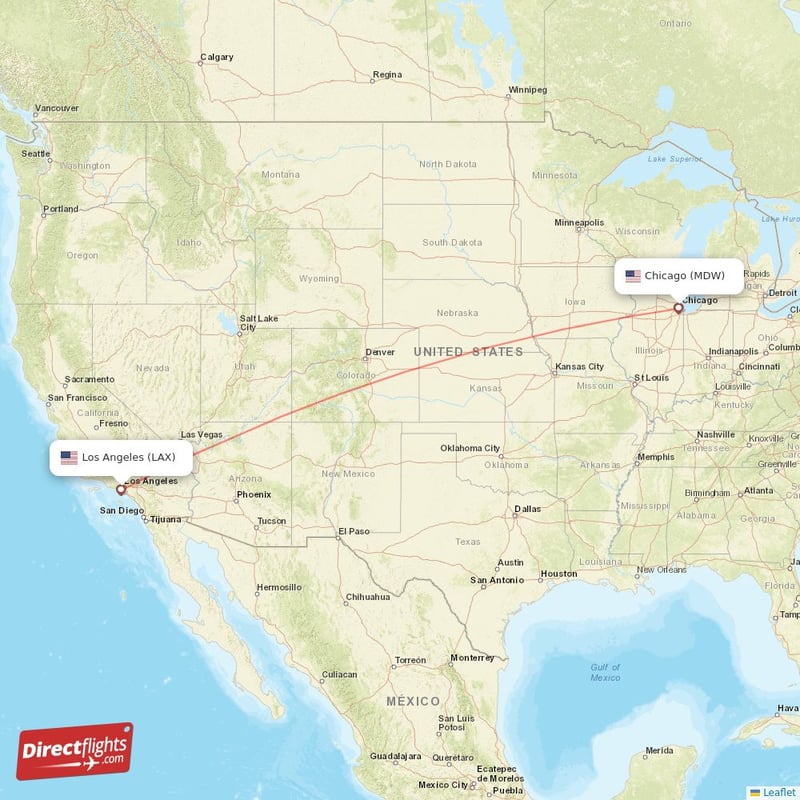
Most direct flights from Los Angeles International Airport (LAX) will land at O’Hare International Airport (ORD), which is one of the busiest airports in the world. A smaller number of flights, predominantly from Southwest Airlines, might land at Midway International Airport (MDW), which is closer to downtown Chicago but serves fewer routes. While the actual airborne time difference between landing at ORD or MDW from LAX is minimal, often just a few minutes, the overall travel experience and ground transportation times can vary significantly.
The journey traverses multiple states, flying over diverse landscapes including deserts, mountains, and plains, underscoring the considerable distance covered in a relatively short period thanks to modern aviation. Passengers typically depart from the Pacific Standard Time zone and arrive in the Central Standard Time zone, meaning they will lose two hours in elapsed time, adding another layer to scheduling considerations. For instance, a flight departing LAX at 8:00 AM PST will arrive in Chicago around 2:30 PM CST, giving the impression of a longer actual travel time despite the efficient flight.
Factors Influencing Flight Time
While the average flight duration provides a good estimate, several elements can cause the actual travel time to fluctuate. Understanding these variables can help travelers anticipate potential delays or even slightly shorter journeys.
Aircraft Type and Speed
The specific model of aircraft used for the flight plays a role in its speed capabilities and, consequently, the flight duration. Most flights on this route are operated by narrow-body jets such as the Boeing 737 series or the Airbus A320 family. While their cruising speeds are relatively consistent, slight variations exist. Newer aircraft models might offer marginally faster transit times due to improved aerodynamics and engine efficiency, but these differences are usually minor, measured in minutes rather than significant hours. Larger aircraft often fly at higher altitudes where air is thinner, potentially allowing for greater speeds, but this is less common on a domestic route of this length.
Wind Conditions (Jet Stream)
One of the most significant natural factors affecting flight duration is the jet stream. The jet stream is a high-altitude, fast-flowing air current that typically moves from west to east across North America.
- Eastbound Flights (LAX to ORD/MDW): Flights traveling eastward often benefit from tailwinds provided by the jet stream. This “push” can significantly reduce flight time, sometimes by as much as 30 minutes to an hour on longer routes. This is why you might find eastbound flights consistently shorter than their westbound counterparts.
- Westbound Flights (ORD/MDW to LAX): Conversely, flights traveling westward often contend with headwinds, which can increase flight duration. Pilots must fly against these strong winds, requiring more time and fuel to reach their destination.
Forecasting wind conditions is a critical aspect of flight planning, and airlines adjust their estimated flight times accordingly.
Air Traffic Control Delays and Routing
The airspace around major hubs like Los Angeles and Chicago is among the busiest in the world.
- Takeoff and Landing Queues: During peak travel times or adverse weather conditions, air traffic control (ATC) may implement ground delays at the departure airport or hold aircraft in a landing pattern at the arrival airport. These can add significant time to the overall travel experience, sometimes ranging from 15 minutes to over an hour in severe cases.
- Routing and Airspace Restrictions: While airlines strive for the most direct route, ATC may instruct pilots to alter their flight path due to military airspace restrictions, severe weather cells, or congested air corridors. Such deviations can add miles to the journey and, consequently, time. The overall efficiency of the national airspace system also plays a role; technological advancements continue to optimize flight paths, but unexpected events can still cause detours.
Non-Stop vs. Connecting Flights
While a direct flight is the most straightforward option, connecting flights are also available and serve various traveler needs, though they invariably increase total travel time.
The Efficiency of Direct Travel
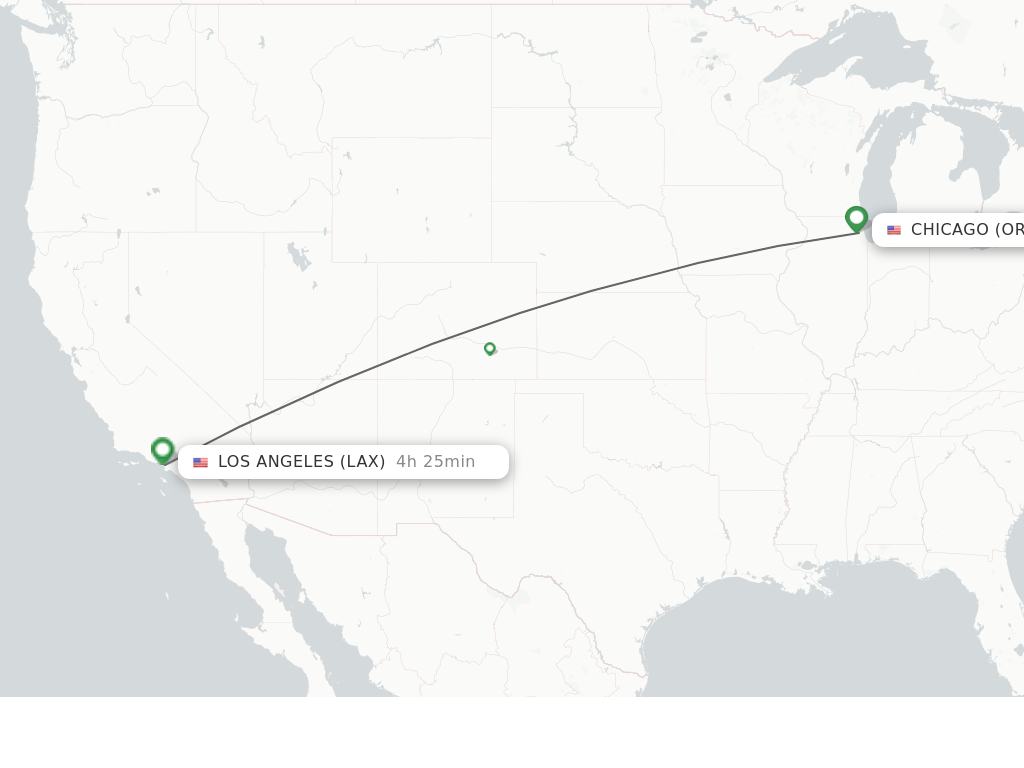
Opting for a non-stop flight is the clear choice for minimizing travel time between Los Angeles and Chicago. With typical flight durations under 5 hours, direct services offer unparalleled convenience. This means less time spent in airports, no worries about missed connections due to delays, and a smoother, more predictable journey. Business travelers, in particular, often prioritize direct flights to maximize productivity and minimize disruption to their schedules. Families traveling with young children also benefit immensely from the reduced complexities and fatigue associated with a single flight segment.
Calculating Total Travel Time for Connecting Flights
For travelers who choose or must take a connecting flight, the total travel time can vary dramatically. This involves not only the airborne time for two or more segments but also the duration of layovers.
- Layover Durations: Layovers can range from a quick 45-minute sprint between gates to an extended several-hour wait. A common minimum connection time at a large airport like Denver International Airport or Dallas/Fort Worth International Airport might be 60-90 minutes, allowing just enough time for deplaning, navigating the terminal, and boarding the next flight. Longer layovers, while potentially offering a chance to stretch or grab a meal, add significantly to the overall journey time.
- Gate Changes and Terminal Transfers: Large hub airports can have multiple terminals, sometimes requiring shuttle buses or long walks. This adds stress and time, especially for travelers unfamiliar with the airport layout.
- Potential Delays: Each flight segment in a connecting journey introduces a new opportunity for delays. A delay on the first leg can lead to a missed connection, necessitating rebooking and further extending travel time.
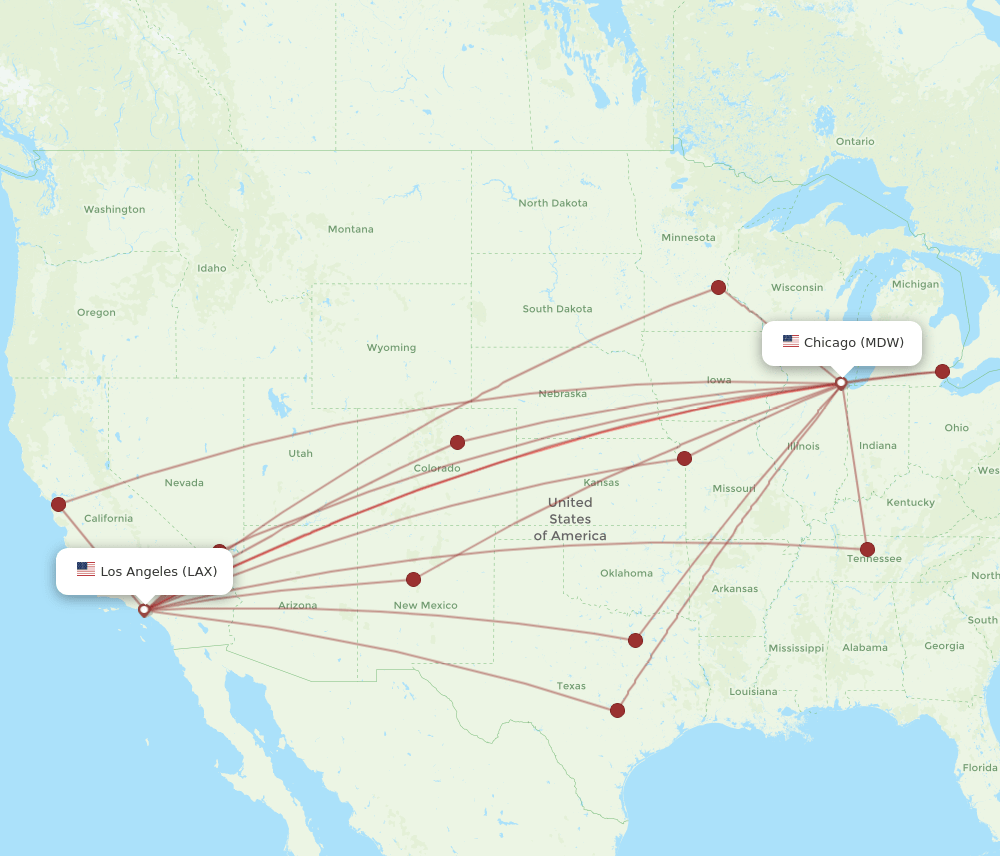
- Common Connecting Hubs: Popular connecting cities for routes between the West Coast and Midwest often include Denver, Dallas/Fort Worth, Phoenix, or Salt Lake City. A connecting flight through one of these hubs can easily extend total travel time to 7-10 hours or even more, depending on the layover length.
When booking connecting flights, it’s crucial to consider the full travel itinerary, including layover times, to get an accurate picture of the total journey duration.
Major Airlines and Airports Serving the Route
The Los Angeles to Chicago corridor is a heavily trafficked air route, served by nearly all major U.S. carriers.
Departing from Los Angeles (LAX)
Los Angeles International Airport (LAX) is one of the world’s busiest airports and serves as a major hub for numerous airlines offering direct flights to Chicago.
- United Airlines: Operates frequent direct flights to O’Hare International Airport (ORD), as ORD is one of their largest hubs.
- American Airlines: Also offers multiple daily direct services to ORD, another primary hub for the airline.
- Delta Air Lines: Provides several direct flights to ORD, with strong connections through their alliance network.
- Southwest Airlines: Known for its robust point-to-point network, Southwest Airlines operates direct flights from LAX primarily to Midway International Airport (MDW).
- Other carriers: Budget airlines and other major carriers like Alaska Airlines may also offer direct or connecting options, depending on the season and demand.
Travelers departing from Los Angeles should consider which terminal their chosen airline operates from, as LAX is a vast airport with many terminals that are not always seamlessly connected.
Arriving in Chicago (ORD and MDW)
Chicago is served by two major airports, each offering distinct advantages depending on your final destination within the city or surrounding areas.
-
O’Hare International Airport (ORD): Located about 17 miles (27 km) northwest of downtown Chicago, ORD is the primary airport for most international and domestic flights. It’s a massive facility with four terminals and excellent public transportation links to the city center via the CTA Blue Line train, typically taking 45-60 minutes. Most major airlines fly into ORD, making it the most frequent destination for flights from LAX.
-
Midway International Airport (MDW): Situated approximately 11 miles (18 km) southwest of downtown Chicago, MDW is smaller and often preferred for its closer proximity to the Loop and quicker access to the city via the CTA Orange Line train, usually taking 20-25 minutes. Southwest Airlines has a strong presence at MDW, so if flying with them, this is likely your arrival point. While flight times from LAX to MDW are negligibly shorter in the air than to ORD, the overall travel time from MDW to downtown Chicago is often less.
When booking, it’s crucial to confirm which Chicago airport you’ll be flying into, as this will significantly impact your ground transportation logistics and overall travel experience.
Tips for a Smoother Journey
To ensure the most efficient and comfortable travel experience from Los Angeles to Chicago, consider these practical tips:
- Book Early Morning Flights: Early morning flights are often less prone to delays caused by accumulating air traffic or weather issues throughout the day. They also allow for ample time to recover from potential disruptions upon arrival.
- Check Real-Time Flight Status: Before heading to the airport, always check your flight’s real-time status via the airline’s app, website, or airport information. This will provide up-to-the-minute information on any delays, gate changes, or cancellations.
- Consider Airport Location: As discussed, your choice between O’Hare and Midway in Chicago can impact your total travel time significantly once you land. If your final destination is downtown or on the south side, Midway might save you considerable time. For destinations in the northern suburbs, O’Hare is generally more convenient.
- Factor in Time Zones: Remember the two-hour time difference when planning your arrival and subsequent activities in Chicago. What feels like a short 4.5-hour flight can mean arriving mid-afternoon if you depart in the morning, requiring adjustment to the new time.
- Pre-Book Ground Transportation: Especially if arriving at O’Hare during peak hours, pre-booking a shuttle, taxi, or ride-share service can save time and reduce stress, although the CTA Blue Line offers a reliable and cost-effective option.
- Pack Smart: For a flight of this duration, consider bringing essentials in your carry-on: entertainment, snacks, a refillable water bottle, and any necessary medications. A comfortable neck pillow and eye mask can also enhance relaxation.
By considering these factors and planning ahead, your flight from Los Angeles to Chicago can be a smooth and efficient part of your overall travel experience.
LifeOutOfTheBox is a participant in the Amazon Services LLC Associates Program, an affiliate advertising program designed to provide a means for sites to earn advertising fees by advertising and linking to Amazon.com. Amazon, the Amazon logo, AmazonSupply, and the AmazonSupply logo are trademarks of Amazon.com, Inc. or its affiliates. As an Amazon Associate we earn affiliate commissions from qualifying purchases.