
Unveiling Lincoln Park: Chicago’s Green Heart
Lincoln Park is far more than just a patch of green space; it is a sprawling urban oasis, a vibrant neighborhood, and a cultural epicenter nestled along the picturesque shores of Lake Michigan in Chicago, Illinois. For visitors and residents alike, it represents a crucial segment of the city’s identity, offering an unparalleled blend of natural beauty, recreational opportunities, and historical richness. The question “Where is Lincoln Park Chicago?” delves into both its precise geographical coordinates and its profound significance as a premier travel destination within the Midwest.

Geographical Footprint
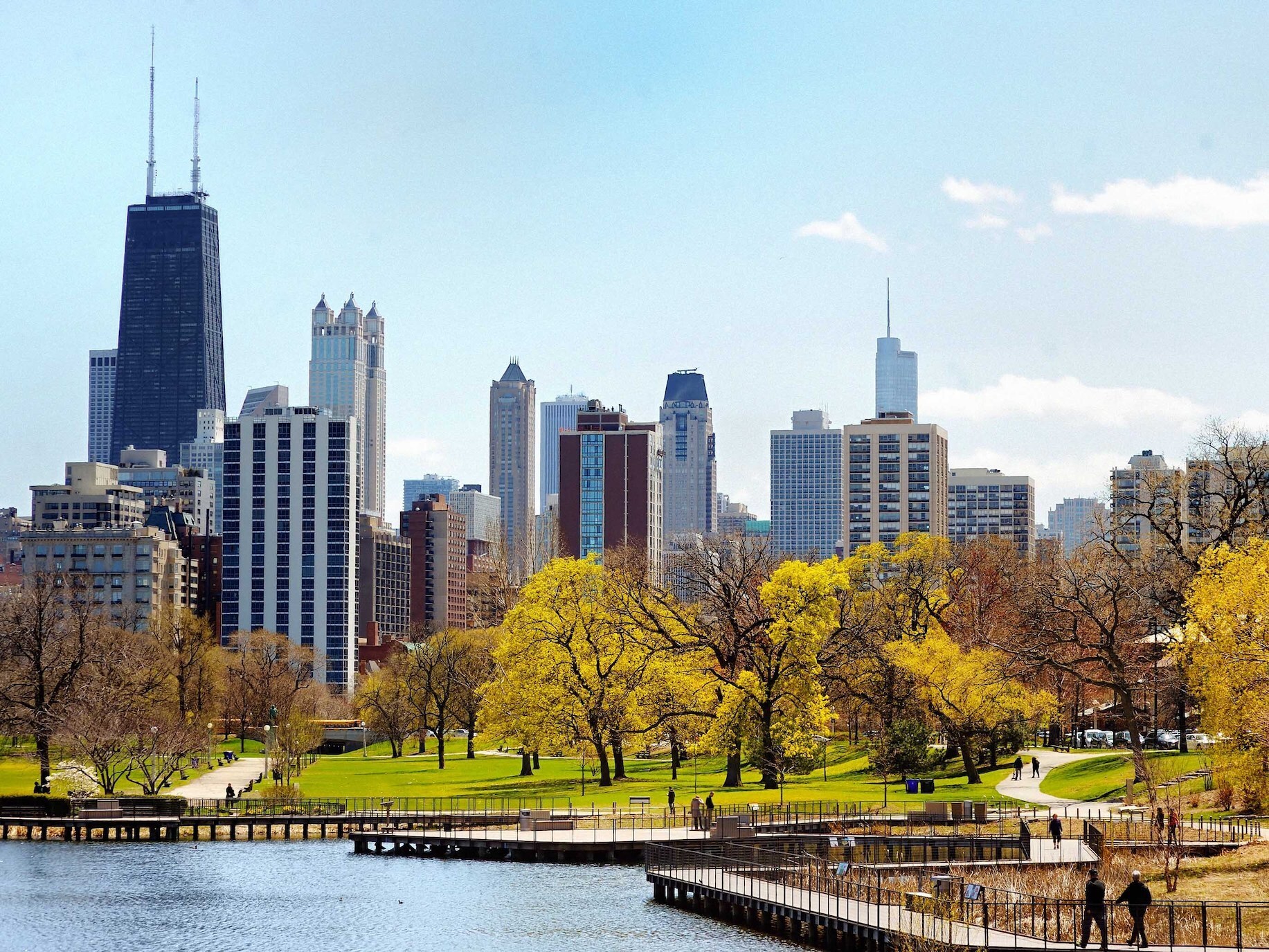
Geographically, Lincoln Park is prominently situated on Chicago’s North Side, stretching approximately six miles along the city’s stunning lakefront. The park itself is one of the largest urban parks in the United States, running from North Avenue (1600 N) on its southern end all the way north past Foster Avenue (5200 N). Its eastern boundary is definitively defined by the shimmering waters of Lake Michigan, while to the west, it borders the affluent and historic residential neighborhood also named Lincoln Park. This prime location affords visitors easy access to downtown Chicago while providing a tranquil retreat from the urban bustle. The park’s immense size means it encompasses a diverse range of landscapes, from sandy beaches and expansive green fields to serene lagoons and densely wooded areas, making it a multifaceted destination suitable for all interests.
Historical Significance as a Destination
The history of Lincoln Park as a destination dates back to the mid-19th century. Initially established as a cemetery in 1843, its transformation into a public park began in 1864, with the park officially being named after President Abraham Lincoln following his assassination in 1865. The Great Chicago Fire of 1871, while devastating to much of the city, largely spared the undeveloped parkland, leading to a renewed focus on its development as a recreational area. Over the decades, thoughtful urban planning and generous philanthropic efforts have shaped it into the cherished institution it is today. Its evolution saw the addition of major attractions like the Lincoln Park Zoo and the Lincoln Park Conservatory, cementing its status as a pivotal destination that offers both natural beauty and cultural experiences. This rich history imbues the park with a sense of enduring charm, making every visit a step through Chicago’s past and present.
Navigating Your Way: Getting to Lincoln Park
Accessing Lincoln Park is remarkably straightforward, thanks to Chicago’s comprehensive transportation network. Whether you prefer public transit, driving, or a more active approach, numerous options ensure a smooth journey to this expansive urban retreat.
Public Transportation Options
Chicago’s CTA ( Chicago Transit Authority) system provides excellent connectivity to Lincoln Park.
- ‘L’ Train: The Brown Line and Purple Line (express during rush hours) offer several stops within or very close to the Lincoln Park neighborhood. Key stations include Armitage, Diversey, and Wellington. The Red Line also runs parallel to the park further east, with accessible stops like Fullerton and Clark/Division providing a convenient gateway, often requiring a short walk or bus transfer to reach the park itself.
- Buses: Numerous CTA bus routes traverse the Lincoln Park area, offering direct access to various points within the park and its surrounding neighborhood. Popular routes include the #151 (Sheridan), #156 (LaSalle), #22 (Clark), and #36 (Broadway), all of which have stops strategically located near park entrances and attractions. Using a real-time bus tracker app can enhance your travel efficiency.
Driving and Parking Information
While public transport is highly recommended for convenience, driving to Lincoln Park is also feasible. However, be prepared for urban parking conditions.
- Parking Garages: Several paid parking garages are available, particularly near major attractions like the Lincoln Park Zoo and the Chicago History Museum. These offer the most secure and often most convenient options, though at a cost.
- Street Parking: Limited street parking, both metered and permit-restricted, can be found in the surrounding neighborhood. Visitors should pay close attention to posted signs to avoid fines. Early mornings or weekdays might offer better chances, but weekends and evenings typically see high demand.
Pedestrian and Cycling Access
For those staying nearby or who prefer an active commute, walking or cycling to Lincoln Park is a delightful experience.
- Lakefront Trail: The park is seamlessly integrated into Chicago’s famous Lakefront Trail, a paved 18-mile path stretching along Lake Michigan. This makes it incredibly accessible by bike or on foot from downtown or other North Side neighborhoods.
- Bike Share: Divvy, Chicago’s bike-share program, has numerous docking stations throughout the Lincoln Park area, providing an excellent way to get to and explore the park at your own pace.
Exploring the Attractions Within
Once you arrive, the sheer volume of attractions within Lincoln Park can be overwhelming. Here’s a guide to the must-see highlights that make this destination truly special.
Lincoln Park Zoo
One of the oldest zoos in the United States, the Lincoln Park Zoo stands out as one of the few remaining free-admission zoos in the country. Home to a diverse collection of animals from around the globe, it offers an immersive experience for all ages. Visitors can encounter everything from gorillas and polar bears to lions and giraffes, all within a beautifully landscaped setting. The zoo is also a leader in conservation and education, making it an engaging and insightful visit.
Lincoln Park Conservatory and Alfred Caldwell Lily Pool
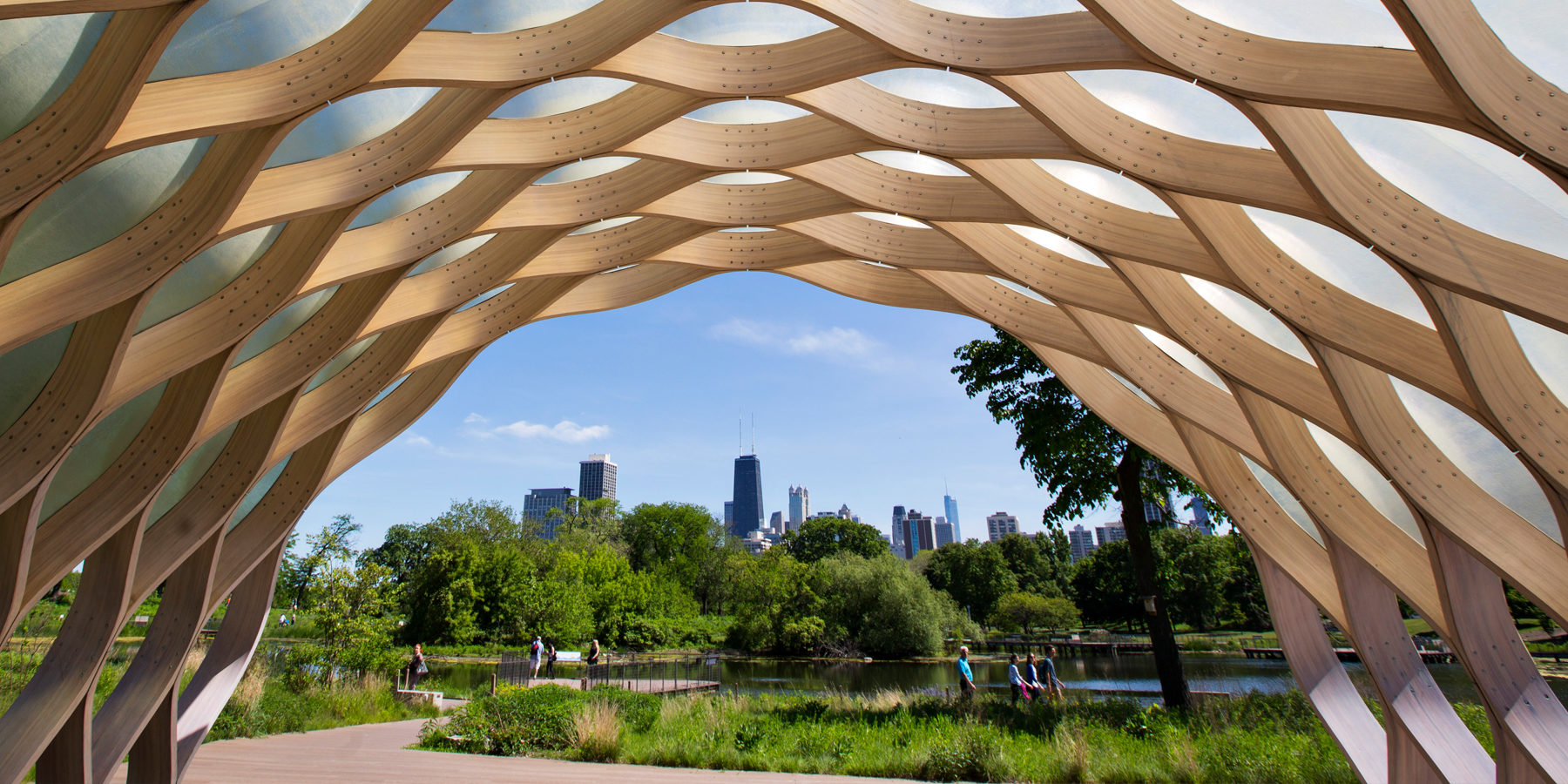
Adjacent to the zoo, the Lincoln Park Conservatory is a stunning Victorian-era glass house housing exotic plants and floral displays year-round. Its four distinct display houses—the Palm House, Fern Room, Orchid House, and Show House—transport visitors to lush tropical and desert environments. Just a short walk away, the Alfred Caldwell Lily Pool offers a serene escape. Designed in the Prairie Style, this hidden gem is a tranquil sanctuary of native plants, winding paths, and a picturesque pond, perfect for quiet contemplation.
North Avenue Beach and Lakefront Access
For those seeking sun and sand, North Avenue Beach is a vibrant hub of activity. Located at the park’s southern end, it’s one of Chicago’s most popular beaches, offering breathtaking views of the city skyline. Beyond swimming and sunbathing, the beach is a hotspot for beach volleyball, paddleboarding, and kayaking. The entire eastern edge of Lincoln Park provides unparalleled access to Lake Michigan, with miles of pathways, fishing piers, and scenic overlooks.
Museums and Cultural Institutions
Lincoln Park is also home to significant cultural institutions that enrich its appeal as a destination. The Chicago History Museum serves as the gateway to understanding the city’s past, from its founding to its iconic moments. Further north, the Peggy Notebaert Nature Museum focuses on Illinois ecosystems and houses a beautiful butterfly haven, appealing to naturalists and families.
Public Art and Statues
Throughout the park, numerous public art installations and historical statues add to the destination’s charm. The majestic statue of Abraham Lincoln by Augustus Saint-Gaudens, located at the park’s entrance near North Avenue and Dearborn Street, is a significant landmark. Other notable sculptures include the Ulysses S. Grant Memorial and the Goethe Monument, each telling a part of the park’s and city’s story.
Beyond the Park Gates: The Lincoln Park Neighborhood
The adjacent neighborhood of Lincoln Park is an integral part of the overall experience, offering a sophisticated urban environment that complements the park’s natural allure. It’s a destination in itself, known for its elegant streets, diverse culinary scene, and lively cultural offerings.
Dining and Shopping Experiences
The Lincoln Park neighborhood boasts an array of dining options, from Michelin-starred restaurants to cozy cafes and bustling bistros. Key commercial corridors like Armitage Avenue, Halsted Street, and Clark Street are dotted with boutiques, specialty shops, and flagship stores, offering everything from high-fashion apparel to unique home goods and artisanal treats. It’s an ideal spot for an afternoon of leisurely browsing and indulgent meals.
Architectural Charm and Residential Areas
Strolling through the residential streets of Lincoln Park is an attraction in itself. The neighborhood is renowned for its stunning architecture, featuring a mix of historic Victorian and Greystone homes, tree-lined streets, and meticulously maintained gardens. Areas around DePaul University offer a more collegiate atmosphere with a blend of classic and modern structures. The architectural beauty provides a picturesque backdrop for walks and photography.
Entertainment and Nightlife
While perhaps not as boisterous as some other Chicago districts, Lincoln Park offers a sophisticated array of entertainment options. Live music venues, intimate theaters, and upscale bars provide diverse choices for evening entertainment. From jazz clubs to comedy shows, visitors can find cultural experiences that cater to various tastes, often without the intense crowds found in more central areas like the Loop or River North.
Essential Tips for Your Lincoln Park Visit
To maximize your travel experience to Lincoln Park, consider these practical tips.
Best Times to Visit
Lincoln Park is a year-round destination, but each season offers a different charm.
- Spring and Fall: Mild temperatures and vibrant foliage (or blossoms) make these seasons ideal for exploring the park’s outdoor attractions, like the Lily Pool and gardens, with fewer crowds than in summer.
- Summer: The park comes alive with beachgoers, outdoor concerts, and bustling activity. It’s perfect for enjoying Lake Michigan and events, but expect larger crowds.
- Winter: While colder, the Lincoln Park Zoo hosts its magical ZooLights festival, and the Conservatory remains a warm, lush escape.
Accessibility Information
Many areas of Lincoln Park, including the Zoo, Conservatory, and main paved pathways, are wheelchair and stroller accessible. Accessible restrooms are available at major attractions. Public transportation options also largely cater to accessibility needs, with accessible buses and ‘L’ train stations. Always check specific attraction websites for the most up-to-date accessibility details.
Local Etiquette and Safety
Lincoln Park is generally a very safe area, but standard urban precautions apply. Be aware of your surroundings, especially after dark. Adhere to park rules, such as staying on marked paths and respecting wildlife. For cyclists, use bells and be mindful of pedestrians on shared paths. Chicagoans are typically friendly and helpful, so don’t hesitate to ask for directions if needed. Enjoy your exploration of this magnificent urban gem!
LifeOutOfTheBox is a participant in the Amazon Services LLC Associates Program, an affiliate advertising program designed to provide a means for sites to earn advertising fees by advertising and linking to Amazon.com. Amazon, the Amazon logo, AmazonSupply, and the AmazonSupply logo are trademarks of Amazon.com, Inc. or its affiliates. As an Amazon Associate we earn affiliate commissions from qualifying purchases.