
Arizona’s rugged landscapes, from the towering Mogollon Rim to the vast expanses of the Sonoran Desert, are synonymous with wild beauty and untamed nature. For many visitors and residents alike, the allure of these environments lies not just in their scenic grandeur but also in the possibility of encountering the diverse wildlife that calls them home. Among the most iconic and elusive of these creatures is the mountain lion, also known as the cougar or puma. Their presence in Arizona is a testament to the state’s commitment to preserving its natural heritage and a thrilling prospect for those who venture into its wilder corners.
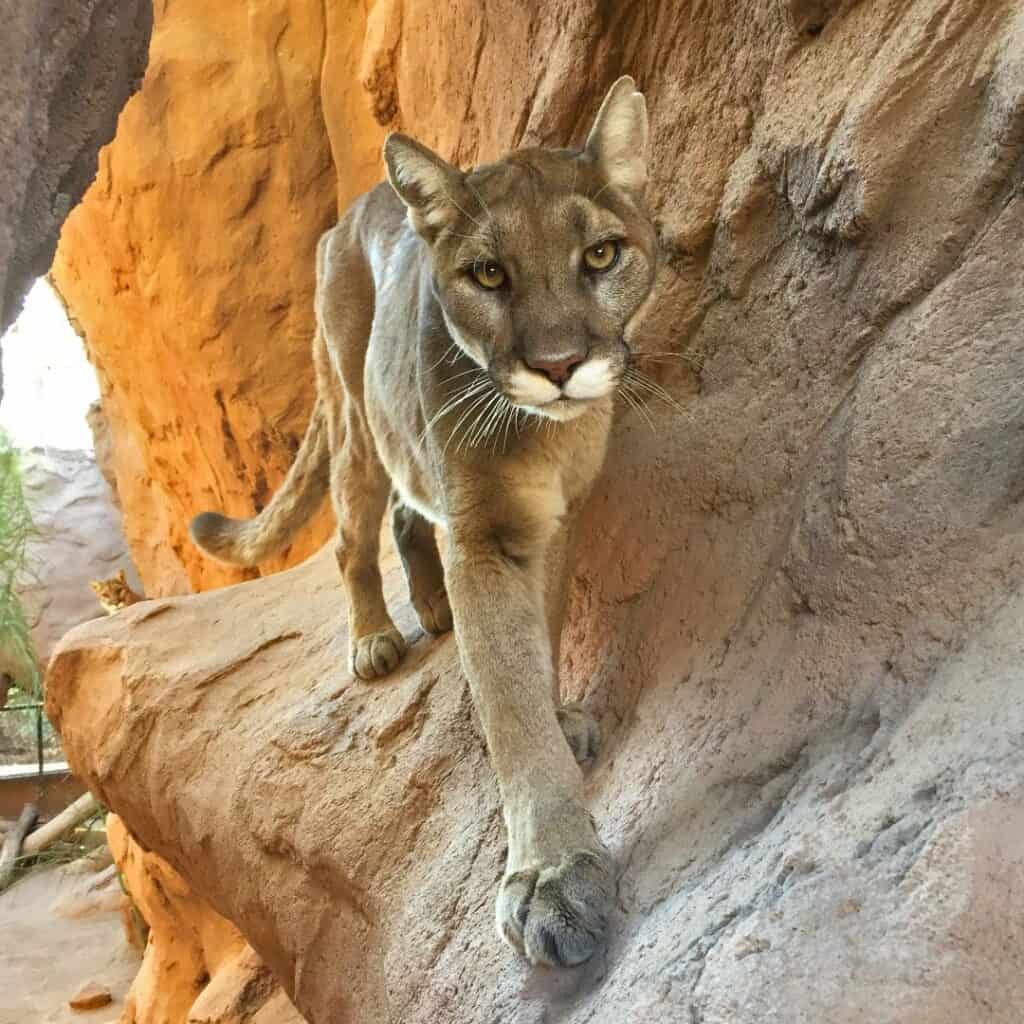
The Elusive Predator: Understanding the Mountain Lion in Arizona
The mountain lion ( Puma concolor ) is a native predator found throughout Arizona, inhabiting a wide range of ecosystems. These powerful felines are highly adaptable, thriving in mountainous terrain, dense forests, desert scrublands, and even riparian corridors. Their cryptic nature and solitary habits, coupled with their exceptional camouflage, make them incredibly difficult to spot. This elusiveness contributes to their mystique and often sparks curiosity among those exploring the state’s natural wonders.
Habitat and Distribution
Mountain lions are distributed across much of Arizona, with populations concentrated in areas offering sufficient prey and suitable cover. These include:
- Northern Arizona: The Kaibab National Forest, Coconino National Forest, and the San Francisco Peaks provide extensive forested habitats ideal for mountain lions. The cooler, higher elevations offer a rich prey base of deer and elk.
- Central Arizona: The Mogollon Rim, with its dramatic cliffs and extensive ponderosa pine forests, is a prime mountain lion territory. Areas surrounding Sedona and Prescott also support healthy populations.
- Southern Arizona: The Sky Islands of southeastern Arizona, such as the Chiricahua Mountains and the Huachuca Mountains, offer a unique mosaic of habitats from desert scrub to pine forests, supporting diverse wildlife, including mountain lions. The Superstition Mountains east of Phoenix also harbor these predators.
- Western Arizona: While less densely populated, mountain lions can be found in the more remote mountainous regions of western Arizona, particularly those connected to habitats in neighboring states.
Their ability to traverse vast distances means that their range is not strictly defined by political boundaries but by the availability of suitable habitat and prey.
Diet and Prey
The primary prey for mountain lions in Arizona consists of large ungulates, with mule deer being a staple in many areas. However, their diet is adaptable and can include:
- Deer: White-tailed deer and mule deer are the most significant food source.
- Small Mammals: Rabbits, hares, rodents, and occasionally coyotes and bobcats are also preyed upon, especially by younger or less experienced lions.
- Birds: Opportunistically, they may take birds.
- Livestock: In areas where human development encroaches on their habitat, mountain lions may prey on domestic animals like sheep, goats, and calves, which can lead to conflicts.
A single mountain lion may consume up to 8 pounds of meat per day, and they often cache their kills, burying them with leaves and debris to protect them from scavengers.
Wildlife Viewing and Safety in Mountain Lion Country
The presence of mountain lions in Arizona adds an element of wildness and excitement to outdoor pursuits. While sightings are rare, understanding how to behave in their habitat is crucial for both human safety and the well-being of the animals.
Ethical Wildlife Viewing
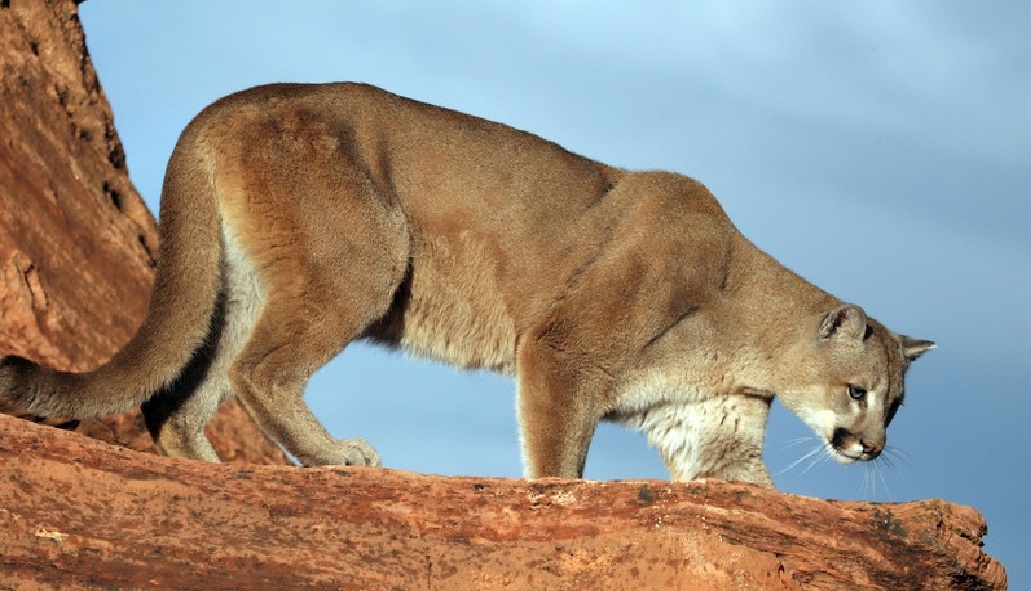
For those hoping to catch a glimpse of this magnificent creature, ethical viewing practices are paramount:
- Maintain Distance: Never approach a mountain lion or any wild animal, especially if it is with cubs. Use binoculars or a telephoto lens to observe them from a safe distance.
- Do Not Feed: Feeding wildlife habituates them to humans, which can lead to dangerous encounters. It is illegal and harmful to feed mountain lions or any wild animals.
- Respect Their Habitat: Stay on designated trails and avoid disturbing areas that might be used for denning or resting.
- Travel in Groups: Hiking in groups can deter mountain lions.
- Leash Pets: Keep pets on a leash at all times, as they can attract mountain lion attention or become prey.
Safety Precautions
Encountering a mountain lion, though unlikely, requires awareness and appropriate action. The Arizona Game and Fish Department offers guidelines for safety:
- Make Yourself Look Big: If you encounter a mountain lion, do not run. Instead, make yourself appear as large as possible by raising your arms and opening your jacket.
- Make Noise: Speak calmly but firmly. Yelling can be effective.
- Maintain Eye Contact: Do not turn your back. Keep eye contact to show you are aware of the animal.
- Back Away Slowly: Slowly back away while facing the lion. Do not run.
- Throw Objects: If the lion exhibits aggressive behavior, throw rocks, sticks, or anything else you have.
- Fight Back if Attacked: If an attack occurs, fight back aggressively. Use any available weapon, such as a rock or stick. Aim for the eyes and face. Mountain lions generally prey on smaller, weaker animals, and a determined defense can deter an attack.
It’s important to remember that mountain lion attacks on humans are extremely rare. They are shy animals that typically avoid contact with people. Their presence is a vital part of Arizona’s ecosystem, contributing to the health of prey populations and the overall balance of nature.
Conservation Efforts and the Future of Mountain Lions in Arizona
The Arizona Game and Fish Department plays a critical role in managing and conserving mountain lion populations. Their efforts focus on research, monitoring, and public education to ensure the long-term survival of these animals while minimizing human-wildlife conflict.
Research and Monitoring
Through various research initiatives, biologists gather data on mountain lion populations, their movement patterns, diet, and reproductive success. Techniques such as GPS collaring, scat analysis, and camera trapping help provide valuable insights into their ecology. This information is crucial for developing effective conservation strategies and informed management decisions. Understanding how habitat fragmentation due to human development impacts their movement and genetic diversity is a key area of research.
Human-Wildlife Conflict Mitigation
As Arizona continues to grow, human populations expand into areas previously occupied by wildlife. This can lead to increased interactions between people and mountain lions. The Arizona Game and Fish Department works with landowners and communities to implement strategies that reduce conflict, such as:
- Securing Livestock: Providing secure enclosures for pets and livestock, especially at night, is a primary preventative measure.
- Proper Waste Management: Securely storing garbage prevents it from attracting wildlife, including mountain lions, to residential areas.
- Public Education: Educating residents and visitors about mountain lion behavior and safety precautions is essential for fostering coexistence.

Legal Protections and Management
Mountain lions are classified as a game species in Arizona, with regulations in place to manage their populations through regulated hunting seasons. These hunts are carefully managed based on scientific data to ensure they do not negatively impact the overall population’s health or reproductive capacity. The goal is to maintain a healthy mountain lion population that can fulfill its ecological role while ensuring public safety and addressing concerns from livestock owners.
The continued presence of mountain lions in Arizona is a positive indicator of the state’s healthy ecosystems. By understanding their needs, respecting their wild nature, and supporting conservation efforts, visitors and residents can contribute to the long-term survival of these magnificent predators, ensuring that the wild spirit of Arizona continues to thrive for generations to come. Whether you are exploring the Grand Canyon National Park, hiking in the Tonto National Forest, or simply enjoying the vast desert landscapes, the knowledge that these elusive cats roam the wild adds a profound layer to the experience of Arizona’s natural beauty.
LifeOutOfTheBox is a participant in the Amazon Services LLC Associates Program, an affiliate advertising program designed to provide a means for sites to earn advertising fees by advertising and linking to Amazon.com. Amazon, the Amazon logo, AmazonSupply, and the AmazonSupply logo are trademarks of Amazon.com, Inc. or its affiliates. As an Amazon Associate we earn affiliate commissions from qualifying purchases.