
Navigating state tax obligations can be a complex affair, particularly for individuals who find themselves on extended stays or establishing temporary residency in a new location. For those making Colorado their home away from home, whether for work, family, or personal exploration, understanding where to mail your state tax returns is a crucial piece of administrative insight. This guide delves into the specifics, framing the necessary tax compliance within the broader context of extended accommodation in the Centennial State.
Navigating State Tax Obligations During Extended Stays in Colorado
For many, accommodation in Colorado goes beyond a short-term vacation rental. Professionals relocating for projects, digital nomads seeking a vibrant base, or families exploring long-term living arrangements often establish a significant presence. This extended accommodation period often triggers state tax obligations that differ from those of a casual visitor. The act of mailing your tax return is the culmination of understanding your status within the state’s tax framework. This section explores the nuances of residency and the implications for individuals making Colorado their temporary or semi-permanent dwelling.

Understanding Residency and Domicile for Tax Purposes
The distinction between a “resident,” “non-resident,” and “part-year resident” is paramount when determining your tax responsibilities in Colorado. Your classification hinges on your domicile and the amount of time spent within the state. Domicile generally refers to your true, fixed, and permanent home, the place to which you intend to return whenever you are absent. Even if you’re accommodated in Colorado for a year, if your domicile remains in California (for example), you might be considered a non-resident for Colorado tax purposes, only taxed on Colorado-sourced income.
Conversely, if your extended stay involves actions like obtaining a Colorado driver’s license, registering to vote, or opening bank accounts with a Colorado address, you could be deemed to have established domicile, rendering you a full-year resident. This complex interplay of physical presence and intent directly impacts which forms you file and, subsequently, where you mail them. For those considering or currently engaged in long-term accommodation, a clear understanding of these definitions is the first step toward accurate compliance.
Implications for Digital Nomads and Remote Workers
The rise of remote work has transformed how and where individuals choose their accommodation. Many digital nomads and remote professionals opt for cities like Denver, Boulder, or Colorado Springs for extended periods, enjoying the lifestyle while working remotely. If your income is earned while physically present in Colorado, even if your employer is based elsewhere, that income may be considered Colorado-sourced. This creates a potential tax nexus with the state.
The type of accommodation chosen—be it a long-term rental, a serviced apartment, or even extended stays in a single hotel—can contribute to establishing the physical presence that triggers tax obligations. Understanding how your remote work income is treated, especially if you move between states or countries within a tax year, is crucial. Mailing your Colorado state tax return then becomes a necessary annual ritual, ensuring you accurately report income tied to your time spent accommodated within the state.
Key Filing Requirements and Deadlines for Those Accommodated in Colorado
Regardless of your residency status, adherence to filing deadlines and proper documentation is non-negotiable. For individuals making Colorado their temporary or long-term accommodation, these administrative necessities are an integral part of responsible living within the state. Missteps can lead to penalties, which can significantly detract from the financial benefits of your chosen accommodation strategy.
Essential Deadlines and Extensions
The standard deadline for filing Colorado state income tax returns is April 15th (or the next business day if April 15th falls on a weekend or holiday). This aligns with the federal tax deadline, simplifying the process for many. However, unforeseen circumstances can arise, particularly when managing tax affairs from a remote or temporary accommodation setting. Colorado generally grants an automatic six-month extension to October 15th if you file an extension with the IRS. While an extension grants you more time to file, it does not extend the time to pay any taxes due. Estimated payments should still be made by the original deadline to avoid interest and penalties.
For those whose accommodation in Colorado is part of a broader journey, keeping track of these deadlines, both federal and state, is crucial. Setting reminders and leveraging digital tools can prevent oversight, ensuring your tax compliance remains on track, irrespective of your current physical location or the nature of your stay.
Required Forms and Documentation
The specific forms you need to mail will largely depend on your residency status and income sources. The primary individual income tax return for Colorado is Form DR 0104, Colorado Individual Income Tax Return. Non-residents and part-year residents will typically file Form DR 0104PN. Alongside these, you may need to include various schedules and attachments, such as those detailing income from various sources, deductions, or credits.
Maintaining meticulous records throughout your period of accommodation in Colorado is highly recommended. This includes W-2s, 1099s, receipts for deductible expenses (e.g., qualifying medical expenses, charitable contributions, or business expenses related to your remote work), and any documentation pertaining to income earned both inside and outside Colorado. Having these documents readily available when preparing your return will streamline the process and minimize the risk of errors, making the eventual mailing of your return straightforward.
Payment Options for Non-Residents and Part-Year Residents
For those not fully settled as permanent residents, understanding payment options is key. Colorado offers several ways to pay your state income taxes, including electronic payments via the Colorado Department of Revenue‘s website, direct debit, or credit card. However, if you choose to mail a paper check or money order, it must be submitted with a payment voucher (Form DR 0900) and mailed to a specific address, distinct from returns without payments.
This distinction is important. Whether you’re staying in a short-term rental in Fort Collins or an extended-stay hotel in Grand Junction, correctly routing your payment is as critical as accurately calculating your tax liability. Always ensure your payment method aligns with the mailing address used to prevent processing delays or lost payments.
Official Mailing Addresses for Your Colorado State Tax Returns
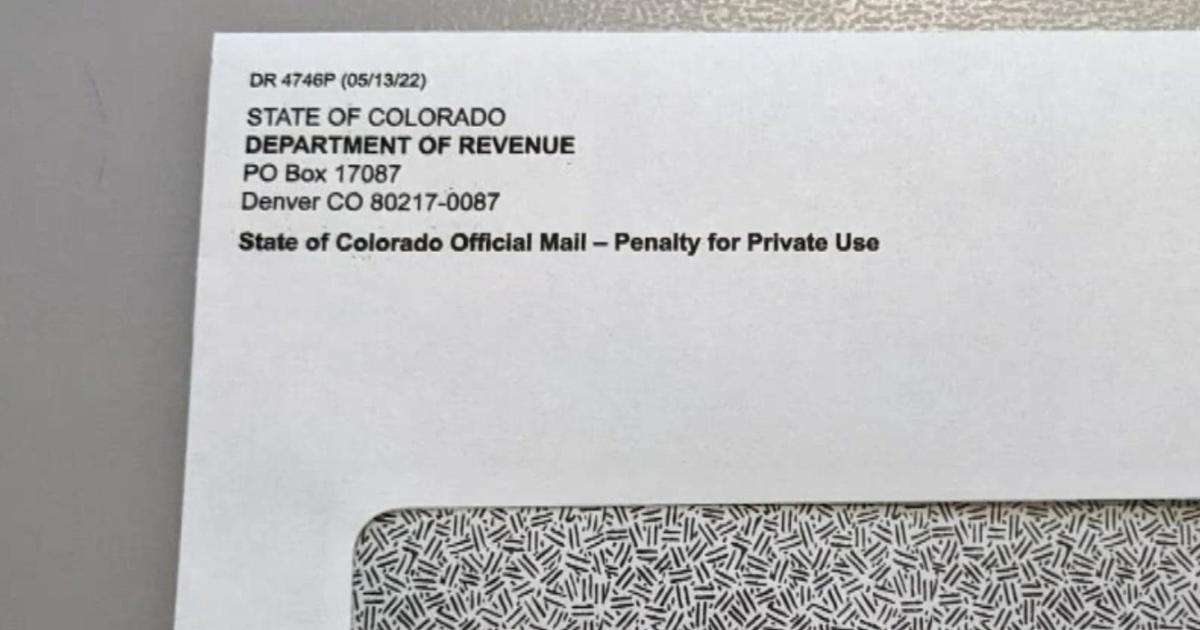
When it comes to the tangible act of filing, knowing the correct mailing address is paramount. The Colorado Department of Revenue specifies different addresses based on whether you are submitting a return with a payment or a return without a payment. Incorrectly addressing your envelope can delay processing and potentially result in late penalties, irrespective of your accommodation status.

General Returns (Without Payment)
If you are filing your Colorado Individual Income Tax Return (Form DR 0104) and do not owe any additional tax, or if you are expecting a refund, mail your return to:
Colorado Department of Revenue
Denver, CO 80261-0005
This address is for forms that do not include any remittance. It’s designed for efficient processing of returns that require no financial transaction from the taxpayer at the time of filing. Always double-check that you have signed your return and included all necessary schedules and attachments before sealing the envelope.
Returns With Payments
If you are submitting your Colorado Individual Income Tax Return (Form DR 0104) and owe additional tax, you must include a check or money order, along with a payment voucher (Form DR 0900). This combination should be mailed to a different address:
Colorado Department of Revenue
Denver, CO 80261-0006
Note the slight but significant difference in the zip code extension. This distinction ensures that your payment is routed to the correct department for processing. Always write your Social Security Number (SSN) and the tax year on your check or money order to ensure proper credit. For those on long-term accommodation, maintaining a clear paper trail of payments is good practice.
Amended Returns
Should you discover an error after initially filing your Colorado state tax return, you will need to file an amended return using Form DR 0104X, Amended Colorado Individual Income Tax Return. The mailing address for amended returns is generally the same as for original returns without payment, unless otherwise specified by the Colorado Department of Revenue:
Colorado Department of Revenue
Denver, CO 80261-0005
It’s crucial to clearly indicate that it is an amended return and provide a detailed explanation for the changes. If an amended return results in additional tax due, ensure you follow the payment instructions and use the correct mailing address for returns with payment, attaching a new payment voucher if applicable.
Specific Forms (e.g., Estimated Tax Payments)
For individuals, especially those with significant non-wage income (e.g., freelancers, self-employed individuals, or those with substantial investment income while on extended accommodation in Colorado), estimated tax payments are often required quarterly. These payments are typically submitted using Form DR 0104ES, Colorado Estimated Income Tax Payment Form. The mailing address for estimated tax payments with a check or money order is:
Colorado Department of Revenue
Denver, CO 80261-0007
Each estimated payment voucher should be filled out for the corresponding quarter. Failure to make sufficient estimated tax payments throughout the year can result in penalties, even if you eventually receive a refund when filing your annual return.
Streamlining Your Colorado Tax Compliance from Any Accommodation
Successfully managing your Colorado state tax returns, especially while navigating different types of accommodation or transient residency, requires proactive planning and diligent execution. While mailing remains a valid method, a strategic approach can simplify the process.
Record Keeping for Travelers
For those whose accommodation status in Colorado fluctuates, or who maintain residences in multiple states, robust record-keeping is non-negotiable. Maintain digital copies of all income statements, receipts for deductions, and records of any estimated tax payments. Cloud storage solutions or dedicated tax software can provide accessible archives regardless of your physical location, ensuring that when tax season arrives, all necessary documentation is at your fingertips. This level of organization is particularly beneficial for remote workers or digital nomads who may shift their accommodation frequently.
Seeking Professional Guidance
The intricacies of multi-state taxation, residency rules, and income sourcing can be daunting. For complex situations, particularly involving significant income or extended, ambiguous accommodation statuses, consulting with a qualified tax professional is highly advisable. A certified public accountant (CPA) specializing in multi-state taxation can provide tailored advice, help navigate complex forms, and ensure you comply with all Colorado tax laws, potentially saving you from costly errors or missed opportunities. They can provide clarity on whether your long-term rental in Denver or your temporary corporate housing in Colorado Springs impacts your filing status.
Utilizing Online Resources
The Colorado Department of Revenue offers extensive online resources, including detailed instructions, forms, and FAQs on their official website. Many taxpayers can also file their Colorado state tax returns electronically, either directly through the state’s portal or via approved tax software. E-filing is often the quickest and most secure method, providing instant confirmation of submission and reducing the chances of errors associated with paper forms and mailing. For individuals whose accommodation situations might lead to frequent changes in mailing address, e-filing offers a consistent and reliable alternative. Utilizing these digital tools can significantly streamline the tax compliance process, allowing you to focus on enjoying your time and accommodation in Colorado.
LifeOutOfTheBox is a participant in the Amazon Services LLC Associates Program, an affiliate advertising program designed to provide a means for sites to earn advertising fees by advertising and linking to Amazon.com. Amazon, the Amazon logo, AmazonSupply, and the AmazonSupply logo are trademarks of Amazon.com, Inc. or its affiliates. As an Amazon Associate we earn affiliate commissions from qualifying purchases.