
The Sunshine State, renowned for its pristine beaches, vibrant cities like Miami and Orlando, and laid-back lifestyle, often conjures images of endless summer and relaxation. However, for those curious about the legalities of cannabis, particularly regarding personal cultivation, Florida’s landscape presents a complex and evolving picture. Understanding the state’s stance on cannabis, from medical use to recreational legality and, crucially, cultivation, is essential for both residents and visitors shaping their lifestyle choices within its borders.
Florida’s Evolving Cannabis Landscape
Florida has taken a measured approach to cannabis legalization, progressing from strict prohibition to a robust medical marijuana program. This journey reflects a broader national trend but also highlights the unique political and social dynamics at play within the state. For anyone considering the implications of cannabis on their lifestyle in Florida, grasping this legislative history is paramount.
Medical Marijuana: The Current Legal Framework
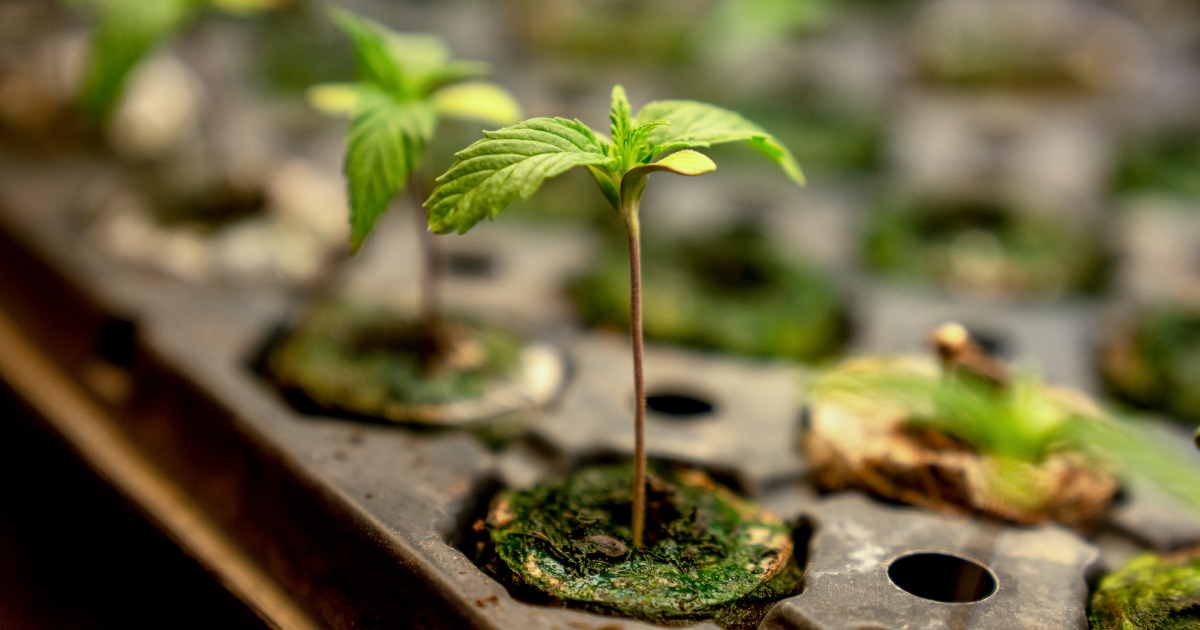
The most significant shift occurred in 2016 when Florida voters overwhelmingly approved Amendment 2, which legalized medical marijuana for qualifying patients. This amendment established the Florida Medical Marijuana Use Registry and set the framework for licensed Medical Marijuana Treatment Centers (MMTCs) to dispense products. Under this system, patients with specific debilitating conditions, such as cancer, epilepsy, glaucoma, HIV/AIDS, PTSD, ALS, Crohn’s disease, Parkinson’s disease, and multiple sclerosis, among others, can obtain a medical marijuana card from a qualified physician.
Once approved, patients can purchase various forms of cannabis, including edibles, oils, tinctures, vapes, and flower. However, it’s crucial to understand that even within this medical framework, stringent regulations apply. The Department of Health oversees the program, ensuring compliance and patient safety. For many Florida residents, access to medical cannabis has significantly improved their quality of life, offering a legal pathway to relief that was previously unavailable. This has become an integral part of the lifestyle for thousands across the state, from the bustling urban centers to the quieter coastal communities.
The Path to Recreational Legalization
While medical cannabis is firmly established, recreational marijuana remains illegal in Florida. Possession of even small amounts for recreational use can lead to misdemeanor charges, fines, and potential jail time. This stark contrast between medical legality and recreational prohibition creates a complex environment for individuals. Efforts to legalize recreational cannabis have been ongoing, with various ballot initiatives and legislative proposals emerging over the years. Advocacy groups continue to push for a constitutional amendment that would allow adults to possess and cultivate cannabis for personal use, mirroring broader trends seen in states like California or Colorado.
The debate surrounding recreational legalization touches upon economic benefits, social justice issues, and public health concerns. Should Florida eventually legalize recreational cannabis, it would undoubtedly usher in a new era for the state, impacting everything from tourism and local businesses to law enforcement and public perception. The lifestyle implications would be profound, reshaping the recreational landscape and potentially attracting a new demographic of visitors and residents.
Cultivation: What the Law Says for Residents
The core question for many interested parties revolves around cultivation: “Can you grow pot in Florida?” The answer, under current state law, is generally no, with very specific exceptions.
Personal Cultivation for Medical Patients
Despite the existence of a robust medical marijuana program, current Florida law does not permit medical marijuana patients or their caregivers to cultivate cannabis at home. All medical cannabis products must be purchased from state-licensed MMTCs. This restriction is a significant point of contention for many patients who believe that personal cultivation would offer greater autonomy, cost savings, and control over their medicine.
Advocates argue that allowing patients to grow a limited number of plants would align Florida with other medical marijuana states that permit home cultivation. However, lawmakers and regulatory bodies have, to date, maintained this prohibition, citing concerns over quality control, diversion to the black market, and potential public safety issues. For medical patients in Florida, their lifestyle around cannabis remains centered on dispensary access rather than home gardening.
Recreational Growing: Awaiting Legislative Change
For recreational users, the situation is even clearer: growing cannabis plants for personal use is illegal. Engaging in such activity can lead to severe penalties, including felony charges, significant fines, and lengthy prison sentences, depending on the number of plants involved. The state views unauthorized cultivation as a serious offense, often equating it with drug manufacturing.
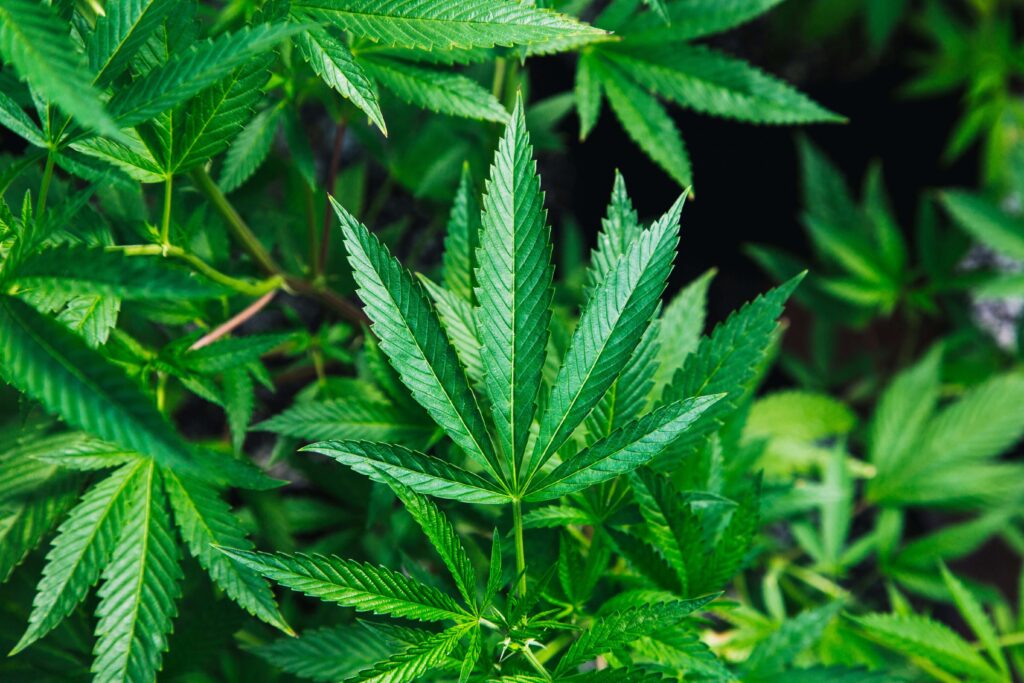
Any future recreational legalization efforts would almost certainly include provisions for home cultivation, typically allowing adults to grow a limited number of plants (e.g., six to twelve) for personal use. Until such legislation is passed and enacted, engaging in recreational cultivation in Florida carries substantial legal risks that could profoundly disrupt one’s lifestyle and freedom. Residents in cities like Jacksonville, Tampa, or St. Petersburg are all subject to the same state-wide laws regarding cultivation.
Implications for Visitors and Lifestyle Choices
Florida’s status as a premier tourist destination means that many visitors will inevitably encounter questions regarding cannabis laws. Understanding these regulations is crucial for a carefree and compliant trip, ensuring that your lifestyle choices abroad don’t lead to unforeseen legal troubles.
Navigating Florida’s Cannabis Laws as a Tourist
For tourists, the rules are straightforward: recreational cannabis use and possession are illegal. Even if you hold a medical marijuana card from another state, it is not recognized under Florida law, meaning you cannot legally purchase or possess cannabis in the state. Attempting to bring cannabis across state lines, even from states where it is legal, is a federal offense and carries significant risks.
The best advice for visitors is to adhere strictly to Florida’s laws. Do not attempt to purchase, possess, or consume cannabis recreationally. If you are a medical patient visiting Florida, it is advisable to consult with a Florida medical marijuana doctor if you need to access medical cannabis within the state, though this usually requires establishing temporary residency or meeting specific criteria to obtain a Florida medical card. Ignorance of the law is not a defense, and legal issues can quickly derail a relaxing vacation, turning a lifestyle choice into a serious problem.
Impact on Florida’s Lifestyle and Tourism Appeal
The current legal framework undeniably shapes the lifestyle experience in Florida. For some, the lack of recreational cannabis access or home cultivation options might be a deterrent, especially compared to states with more liberal laws. For others, particularly those with a medical need, Florida’s structured medical program offers vital relief, making the state an attractive place to live or visit for extended periods.
From a tourism perspective, Florida continues to thrive on its traditional attractions—beaches, theme parks, and cultural sites. However, as cannabis legalization gains momentum nationwide, the state’s cautious approach could be seen as a limiting factor for certain segments of the lifestyle and tourism market that seek cannabis-friendly destinations. The future evolution of Florida’s cannabis laws will undoubtedly play a role in shaping its lifestyle identity and its appeal to a diverse range of visitors and potential residents.
The Future of Cannabis in the Sunshine State
The legal status of cannabis in Florida is far from static. The political landscape, public opinion, and economic considerations continue to fuel an ongoing debate about expanding access and decriminalizing recreational use, and eventually, cultivation.
Economic and Social Ramifications
Legalizing recreational cannabis, including home cultivation, would have significant economic and social ramifications for Florida. Economically, it could generate substantial tax revenues, create new industries, and spur job growth within the cannabis sector. For the state capital of Tallahassee, this could mean new legislative and regulatory challenges. Socially, it could lead to a decrease in cannabis-related arrests, allowing law enforcement to focus on more serious crimes. However, opponents often raise concerns about potential increases in impaired driving, public health costs, and youth access. These debates are central to the future lifestyle options for Florida residents and visitors.
The experience of states that have already legalized recreational cannabis offers a blueprint, but Florida would undoubtedly forge its own path, balancing economic opportunity with regulatory caution. The impact on social norms, community well-being, and the perception of Florida as a destination would be immense.

Planning Your Stay: What to Expect
For those living in or visiting Florida, understanding the current legal landscape is crucial for maintaining a hassle-free lifestyle. While the prospect of growing pot in Florida remains off-limits for most, the conversation continues to evolve. Residents and visitors interested in the cannabis lifestyle should stay informed about legislative developments, particularly potential ballot initiatives that could change the legal status of recreational use and cultivation.
In the meantime, compliance with current laws is paramount. Florida offers a vibrant and diverse array of experiences, and navigating its legal framework responsibly ensures that the sunshine and good times remain the focus of any lifestyle choice or visit to this unique state. The journey towards a more comprehensive cannabis policy is ongoing, and only time will tell how the Sunshine State will ultimately integrate cannabis into its broader lifestyle and legal fabric.
LifeOutOfTheBox is a participant in the Amazon Services LLC Associates Program, an affiliate advertising program designed to provide a means for sites to earn advertising fees by advertising and linking to Amazon.com. Amazon, the Amazon logo, AmazonSupply, and the AmazonSupply logo are trademarks of Amazon.com, Inc. or its affiliates. As an Amazon Associate we earn affiliate commissions from qualifying purchases.