
Navigating Vehicle Ownership in the Sunshine State: A Lifestyle Imperative
For many embarking on a new chapter in the vibrant state of Florida, or simply managing their daily affairs, vehicle ownership is often an undeniable reality. From commuting to work in bustling Miami to exploring the serene beaches of Sarasota or navigating the theme parks around Orlando, a car is more than just transportation; it’s a cornerstone of the Florida lifestyle. Establishing legal ownership through a proper car title transfer is not merely a bureaucratic hurdle but a critical step in ensuring seamless mobility and peace of mind. The question of whether this essential process can be completed online speaks volumes about modern expectations for efficiency and convenience, especially for individuals leading busy lives or those in transition. Understanding the mechanisms of title transfer in Florida can significantly impact one’s administrative burden, freeing up valuable time to enjoy the state’s unique offerings rather than contending with complex paperwork.
The Reality of Online Title Transfers in Florida
The short answer to whether you can transfer a car title online in Florida is nuanced: while a fully end-to-end online title transfer process, where every single step is completed without any physical interaction, is not universally available for all situations, the state has made significant strides in digitalizing many aspects of vehicle services. The Florida Highway Safety and Motor Vehicles (FLHSMV) and local tax collector offices are the primary authorities overseeing these transactions.
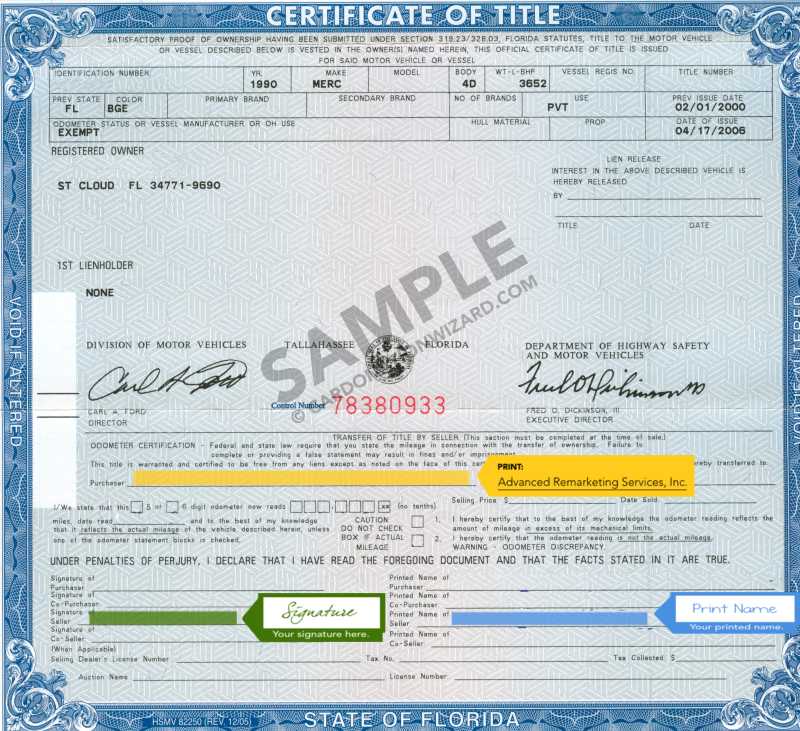
Generally, a title transfer involves the physical surrender of the original paper title, duly signed and notarized by the seller, and the submission of various supporting documents by the buyer. For private sales, the buyer typically needs to present these documents in person at a local tax collector office to complete the transfer and register the vehicle. This in-person requirement ensures verification of identity, proper documentation, and payment of all applicable fees and taxes.
However, the “online” component comes into play through several facilitating avenues. Many tax collector offices allow you to pre-fill forms online, schedule appointments, and even pay certain fees digitally. Furthermore, licensed Florida motor vehicle dealerships handle title transfers as part of the vehicle purchase process, often submitting paperwork electronically or through batch processing, which streamlines the experience for the buyer. Third-party services, authorized by the state, also offer online platforms to prepare and process title transfer documents, often culminating in a facilitated submission to the FLHSMV or a local office, thereby minimizing the customer’s direct interaction. These services are particularly beneficial for busy professionals or those who prioritize convenience as part of their lifestyle choices, even if they incur an additional fee. While the final step often necessitates a physical visit or reliance on a third-party agent, the preparatory work and access to information online significantly alleviate the traditional burden.
Essential Steps for a Smooth Florida Title Transfer
Successfully transferring a car title in Florida is a methodical process that, when understood, can be managed with relative ease. For a hassle-free experience that complements a dynamic lifestyle, preparing thoroughly is key.
Required Documentation
The cornerstone of any title transfer is accurate and complete documentation. Neglecting any of these critical items can lead to delays, forcing multiple visits to the tax collector’s office – a definite disruption to one’s schedule.
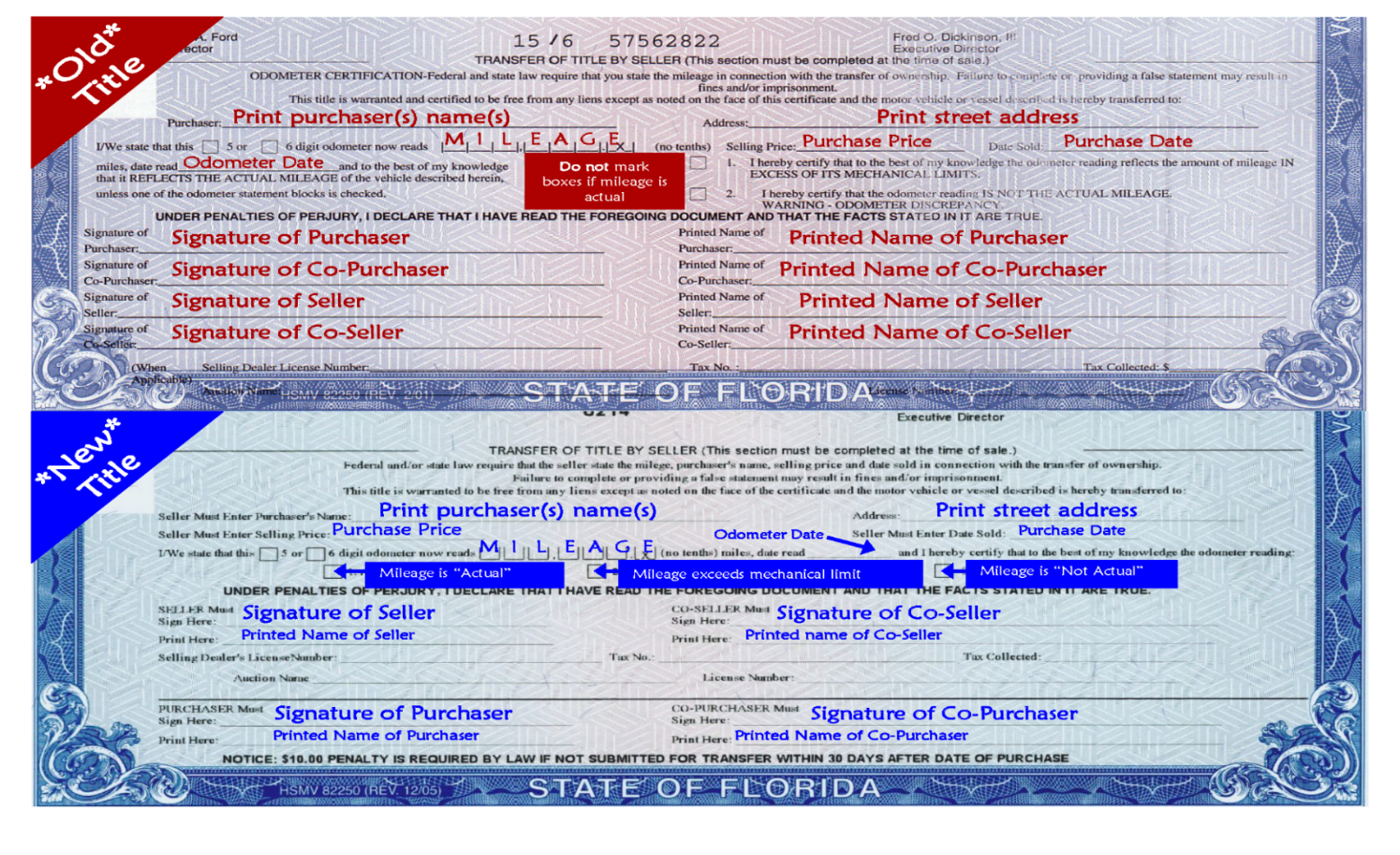
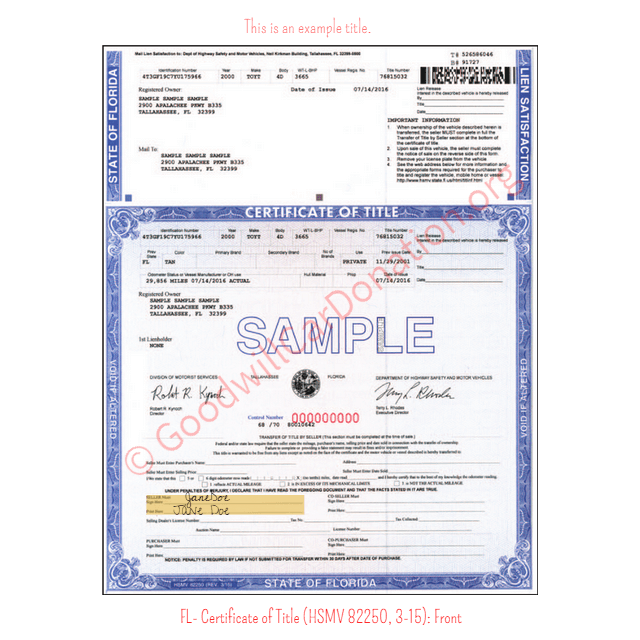
- Original Title: The physical original title, properly assigned by the seller to the buyer. This includes signatures, the printed names of both parties, the selling price, and the date of sale. Any alterations or erasures on the title will likely invalidate it, requiring further steps.
- Proof of Identification: The buyer must present valid proof of identification, such as a current Florida driver’s license or ID card. For out-of-state residents just moving to Florida, alternative valid IDs may be accepted, but they will eventually need to obtain a Florida license.
- Proof of Florida Insurance: Prior to registration, Florida law mandates proof of valid personal injury protection (PIP) and property damage liability (PDL) insurance. This proof of Florida insurance must be issued by a company authorized to do business in Florida.
- Odometer Disclosure Statement: For vehicles less than 10 years old, a completed odometer disclosure statement is required. This is typically found on the back of the title certificate itself, but a separate form (HSMV 82993 or equivalent) may be used if space is insufficient.
- Bill of Sale: While not always strictly required for the title transfer itself if the selling price is clearly stated on the title, a bill of sale (HSMV 82050) is highly recommended. It serves as a clear record of the transaction, protecting both buyer and seller, and helps in calculating sales tax.
- Application for Certificate of Title With/Without Registration: Form HSMV 82040 needs to be completed by the buyer, formally requesting the new title and registration.
Understanding Fees and Taxes
Beyond the purchase price of the vehicle, several fees and taxes are associated with transferring a car title in Florida. Budgeting for these is a crucial part of financial planning for anyone establishing their lifestyle in the state.
- Florida Sales Tax: A sales tax of 6% is levied on the purchase price of the vehicle (or trade-in difference). Some counties may impose an additional discretionary sales surtax, which typically ranges from 0.5% to 1.5%.
- Title Transfer Fees: There’s a standard title transfer fee (currently $75.25 for an electronic title and $77.50 for a paper title, subject to change). If there is a lienholder, an additional lien fee applies.
- Registration Fees: These vary based on the weight of the vehicle and the type of license plate being issued. New residents to Florida may also incur an initial registration fee (currently $225) on top of the standard annual registration fee.
The Role of Online Portals and Third-Party Providers
While the final title processing often requires a physical touchpoint, online tools significantly streamline the preliminary work. The FLHSMV’s MyDMV Portal allows individuals to manage various vehicle-related tasks, including updating addresses, renewing registrations, and checking the status of existing titles. While a full title transfer isn’t conducted entirely through this portal for private sales, it’s invaluable for related services.
Several state-authorized third-party providers and tag agencies operate online, allowing customers to submit their documentation electronically. These services will then review the paperwork, ensure all requirements are met, and often submit the physical documents to the appropriate tax collector’s office on behalf of the buyer. This approach effectively converts a potentially cumbersome in-person process into a largely online-managed task, fitting perfectly with a lifestyle that values efficiency and convenience above all else. While these services typically charge a convenience fee, the time saved and the assurance of correct submission can be well worth the investment.
Maximizing Efficiency: Tips for a Seamless Administrative Experience
Adopting a proactive and organized approach to your car title transfer can transform a potentially stressful administrative task into a smooth, manageable part of your Florida lifestyle.
- Verify Information Rigorously: Before heading to the tax collector’s office or utilizing an online service, double-check every piece of information on all documents. Ensure names match IDs, signatures are correct, and all fields are completed accurately. Small errors are the most common cause of delays.
- Keep Copies of Everything: Make digital and physical copies of all documents submitted, including the original title (before submission), bill of sale, proof of insurance, and ID. This provides a valuable record and a fallback in case of unforeseen issues.
- Understand Processing Times: While some transactions might be processed on the spot, electronic titles can take a few business days to reflect in the system, and physical titles mailed to lienholders or owners can take several weeks. Factor these timelines into your plans, especially if you have upcoming travel or financial transactions related to the vehicle.
- Schedule Appointments Online: Many Florida tax collector offices offer online appointment scheduling. Utilizing this feature can significantly reduce wait times and make your visit more predictable and efficient, preserving your valuable time for other lifestyle pursuits.
- Utilize Third-Party Services for Convenience: For those with demanding schedules or who prefer minimal direct interaction with bureaucratic processes, leveraging a reputable online third-party title service can be a game-changer. These services, often accessible through an intuitive online portal, handle the intricate details, allowing you to focus on settling into your Florida life.
The Broader Lifestyle Impact: Why Timely Title Transfer Matters
Beyond the immediate administrative task, a prompt and correct car title transfer has profound implications for your overall lifestyle and legal standing in Florida.
Firstly, it establishes legal ownership, which is foundational. Without a title in your name, you are not legally recognized as the vehicle’s owner. This can lead to complications with insurance claims, law enforcement inquiries, and any future transactions involving the car. Ensuring your name is on the title means you are protected and have full legal control over your asset.
Secondly, a valid title is essential for vehicle registration and obtaining license plates. Driving an unregistered vehicle in Florida is illegal and can result in significant fines and penalties. Timely transfer ensures you can legally operate your vehicle, crucial for daily commutes, family outings, and business activities throughout the state.
Thirdly, proper title transfer facilitates future resale or trade-in. When the time comes to upgrade your vehicle or sell it, having a clean title in your name will make the process infinitely smoother, enhancing your financial liquidity and reducing potential headaches. A clear chain of ownership is vital for buyer confidence and streamlined transactions.
Finally, avoiding penalties and legal complications is a significant lifestyle benefit. Delays in transferring a title can lead to late fees, potential tickets, and even complications if the previous owner incurs violations. A prompt transfer mitigates these risks, contributing to a stress-free Florida lifestyle, whether you are a permanent resident, a seasonal “snowbird,” or a business traveler establishing a temporary base. In essence, streamlining the title transfer process—by leveraging online tools and understanding the requirements—is an investment in convenience, legal security, and overall quality of life in the Sunshine State.
LifeOutOfTheBox is a participant in the Amazon Services LLC Associates Program, an affiliate advertising program designed to provide a means for sites to earn advertising fees by advertising and linking to Amazon.com. Amazon, the Amazon logo, AmazonSupply, and the AmazonSupply logo are trademarks of Amazon.com, Inc. or its affiliates. As an Amazon Associate we earn affiliate commissions from qualifying purchases.