
Traveling within the United States can sometimes raise questions about identification requirements, especially given evolving security protocols. For many, the assumption is that a passport is universally required for air travel. However, when planning a trip to a popular domestic destination like Florida, the answer to whether you need a passport to fly often depends on your citizenship and the nature of your travel. For the vast majority of U.S. citizens undertaking domestic flights, a passport is not a mandatory requirement, though it remains a perfectly acceptable form of identification. The key lies in understanding the Transportation Security Administration (TSA) guidelines and the specific type of identification that will be necessary for boarding.
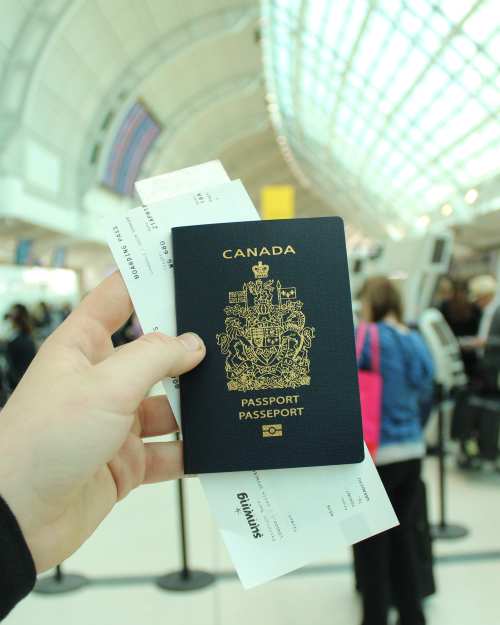
Domestic Air Travel in the United States
Navigating airport security is a routine part of air travel, and having the correct identification is paramount to a smooth experience. The TSA, operating under the Department of Homeland Security, is responsible for security at airports nationwide and sets the standards for acceptable identification. For flights originating and ending within the United States (including its territories like Puerto Rico and the U.S. Virgin Islands), a range of identification options are available to adult passengers aged 18 and over. This flexibility aims to accommodate various travelers while maintaining stringent security measures. It’s crucial for any traveler to ensure their chosen form of identification is valid and unexpired, as the TSA will not accept expired documents for air travel.
The REAL ID Act and Its Implications
A significant development impacting domestic air travel identification has been the REAL ID Act. Passed by Congress in 2005, following the recommendations of the 9/11 Commission, this act established minimum security standards for state-issued driver’s licenses and identification cards and prohibits federal agencies from accepting licenses and identification cards from states that do not meet these standards for certain official purposes, such as boarding federally regulated commercial aircraft. While implementation saw several delays, the act is now fully enforced, meaning that all travelers aged 18 and older must present a REAL ID compliant driver’s license or another acceptable form of identification to fly domestically. A REAL ID compliant card is typically marked with a star symbol (often gold or black) in the upper right corner. Travelers whose state-issued ID does not meet REAL ID standards, or who prefer not to use it, will need to present an alternative acceptable form of identification, such as a passport.
Acceptable Forms of Identification for Domestic Flights
Beyond the REAL ID compliant driver’s license, the TSA accepts several other forms of identification for domestic air travel. For U.S. citizens, the most common alternatives to a REAL ID are:
- U.S. Passport: This is always a valid and recommended form of identification for domestic flights, even if not strictly required.
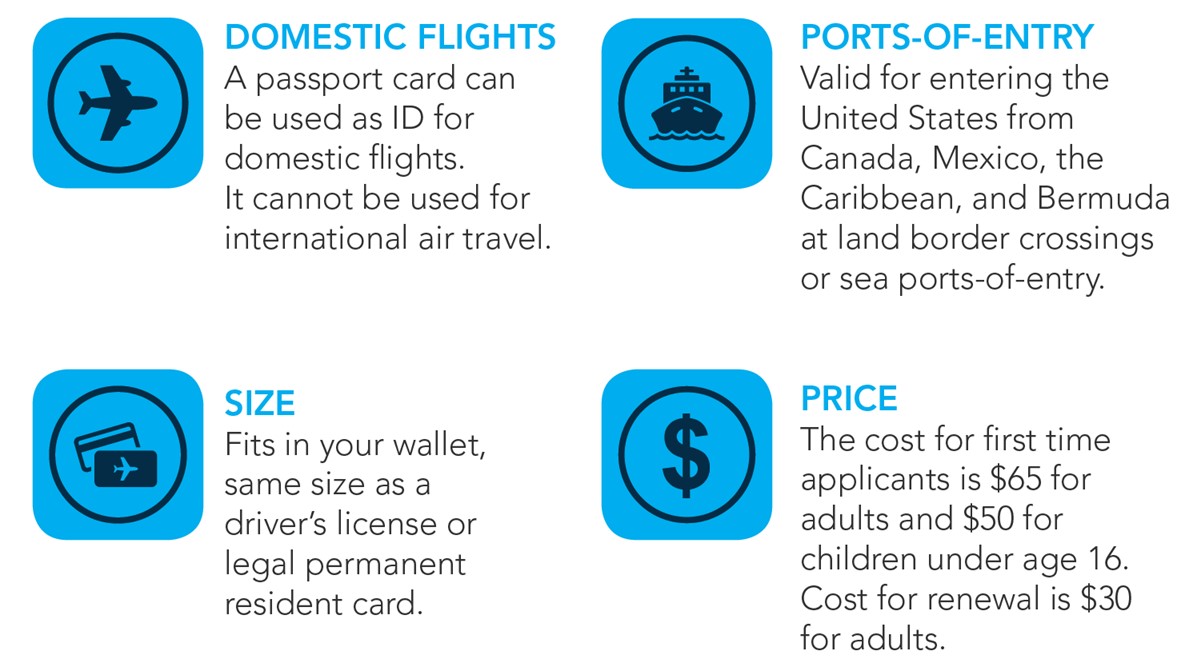
- U.S. Passport Card: A more compact, wallet-sized document valid for land and sea travel to Canada, Mexico, the Caribbean, and Bermuda, but also accepted for domestic air travel.
- DHS trusted traveler cards: Such as Global Entry, NEXUS, SENTRI, or FAST cards. These programs offer expedited security clearance and are recognized by TSA.
- Permanent Resident Card (Green Card): For lawful permanent residents of the United States.
- Border Crossing Card: For citizens of Mexico living near the U.S. border.
- Foreign government-issued passport: For non-U.S. citizens.
- U.S. Department of Defense ID: Including Common Access Card and Uniformed Services ID Card.
- Airline or airport-issued ID (if issued under a TSA-approved security plan).
- Federally recognized tribal-issued photo ID.
- U.S. Citizenship and Immigration Services Employment Authorization Card (I-766).
- U.S. Merchant Mariner Credential.
- Veteran Health Identification Card (VHIC).
It’s important to remember that all forms of identification must be current and feature a clear, recognizable photo. Should a traveler arrive at the airport without proper identification, they may still be permitted to fly after undergoing an identity verification process, which involves providing additional information and potentially enhanced screening. However, this process can be time-consuming and there’s no guarantee of approval, so it’s best to always travel with valid, acceptable ID.
What About Florida Specifically?
The requirements for flying to Florida are consistent with those for any other domestic flight within the United States. Since Florida is a state within the U.S., it falls under the purview of TSA regulations for domestic air travel. Therefore, the need for a passport depends entirely on your citizenship status and the type of identification you possess.
Florida for US Citizens
For United States citizens planning a trip to the Sunshine State, a passport is not required for air travel. A REAL ID compliant driver’s license or state identification card is sufficient. This includes citizens flying from any of the 50 states, Washington D.C., or U.S. territories such as Puerto Rico, the U.S. Virgin Islands, Guam, American Samoa, and the Northern Mariana Islands. Many U.S. citizens choose to carry their passport for domestic travel anyway, as it is a widely recognized and secure form of identification, providing an additional layer of certainty at the security checkpoint. For those who may have lost their driver’s license or whose license is not REAL ID compliant, a valid U.S. passport or passport card serves as an excellent alternative.
Florida for International Travelers
The situation changes significantly for international travelers. If you are not a U.S. citizen or a lawful permanent resident, you will need a valid passport to fly to Florida. This applies whether you are visiting from Canada, Mexico, Europe, Asia, or any other region. Your passport serves as your primary form of identification and verifies your legal right to enter and travel within the United States. Additionally, depending on your country of origin, you may also need a valid U.S. visa or be eligible for travel under the Visa Waiver Program (ESTA authorization). Even if you initially entered the U.S. through an international airport and are now taking a connecting domestic flight to Florida, your foreign passport will be your essential travel document for all subsequent domestic flights. Always ensure your passport is valid for at least six months beyond your intended stay and that any necessary visas or authorizations are in order before you embark on your journey.
Special Considerations for Travelers
While the general rules cover most situations, certain traveler demographics or specific circumstances warrant additional attention regarding identification for domestic air travel to Florida. Understanding these nuances can prevent unexpected delays or complications.
Traveling with Minors
For children under 18 years of age traveling with an adult within the United States, the TSA does not require them to present identification. However, the adult companion must have acceptable identification. While not required, it is always a good idea to carry some form of identification for children, such as a copy of their birth certificate or a student ID, especially if traveling alone as an unaccompanied minor (airlines have specific age and ID requirements for this) or if there’s a chance of needing to prove guardianship in an emergency. If a minor is traveling internationally, even if flying to a U.S. territory or from outside the U.S., they will need a passport. For domestic flights, however, the focus remains on the accompanying adult’s ID.
Enhanced Driver’s Licenses and Other ID Cards
Some states offer an Enhanced Driver’s License (EDL) or Enhanced ID Card. These documents serve as both a driver’s license (or state ID) and a limited travel document, enabling U.S. citizens to re-enter the United States by land or sea from Canada, Mexico, and the Caribbean. While an EDL meets REAL ID standards and is therefore perfectly acceptable for domestic air travel, it should not be confused with a passport for international air travel beyond the limited scope mentioned. For flying to Florida, an EDL functions just like any other REAL ID compliant driver’s license. Similarly, other government-issued identification cards, such as a state-issued photo ID (if REAL ID compliant), are also acceptable for domestic flights.
Military Identification
Members of the U.S. Armed Forces and their dependents often possess Common Access Cards (CAC) or Uniformed Services ID Cards. These cards are specifically listed by the TSA as acceptable forms of identification for domestic air travel. Active duty military personnel may also find certain airports offer dedicated expedited security lanes, such as those provided by TSA PreCheck (which is often available to them at no cost with their CAC). Traveling with these forms of ID to Florida is straightforward and fully compliant with security regulations.
Unexpected Travel Disruptions
While not directly about ID, it’s worth noting that having a passport, even if not strictly required for a domestic flight to Florida, can be beneficial in unexpected situations. For example, if a domestic flight is diverted to an international airport for an emergency, having a passport can simplify processes, although such occurrences are rare. Moreover, carrying a passport provides an additional, robust form of identification that is universally recognized, offering peace of mind in situations where other forms of ID might be lost or become problematic.
Best Practices for Hassle-Free Travel to Florida
To ensure your journey to Florida is as smooth and stress-free as possible, adopting a few best practices regarding your travel documents can make a significant difference. Being prepared can save time, avoid unnecessary anxiety, and ensure you comply with all TSA and airline requirements.
Verify Your ID’s Expiration Date
One of the most common reasons travelers encounter issues at airport security is an expired identification document. The TSA strictly requires all forms of identification to be current and unexpired. Before you even book your flight to Florida, take a moment to check the expiration date on your driver’s license, state ID, or passport. If it’s close to expiring, or already expired, initiate the renewal process well in advance of your travel dates. Some states have backlogs in processing, so planning ahead is critical.
TSA PreCheck and CLEAR
For frequent flyers or those looking to expedite their security experience, programs like TSA PreCheck and CLEAR can be invaluable. TSA PreCheck allows eligible travelers to enjoy expedited security screening, which often means shorter lines and not having to remove shoes, belts, liquids, or laptops. CLEAR uses biometrics (fingerprints and iris scans) to verify your identity, allowing you to bypass the traditional ID check line and proceed directly to security screening. While these programs streamline the security process, you will still need to carry a valid form of identification (like your REAL ID compliant driver’s license or passport) as they are integrated with the TSA system. Membership in these programs can significantly enhance your airport experience, especially in busy Florida airports like Orlando International Airport or Miami International Airport.
Digital Backups and Copies
While not acceptable as primary identification at the security checkpoint, carrying digital or physical copies of your important travel documents can be a lifesaver in case your originals are lost or stolen. Store photos of your driver’s license, passport, and other vital IDs on your phone (perhaps in a secure, password-protected folder) and/or keep physical photocopies separate from your originals. This can greatly assist in reporting a loss and obtaining temporary travel documents if necessary.

Staying Informed
Travel regulations, especially concerning identification and security, can change. Before any trip, it’s a wise habit to check the official TSA website for the most up-to-date requirements. Airlines also often provide guidance on their websites regarding acceptable identification. A quick review of these resources shortly before your departure can ensure you’re fully prepared and avoid any last-minute surprises or delays on your way to enjoy the sunny shores of Florida.
LifeOutOfTheBox is a participant in the Amazon Services LLC Associates Program, an affiliate advertising program designed to provide a means for sites to earn advertising fees by advertising and linking to Amazon.com. Amazon, the Amazon logo, AmazonSupply, and the AmazonSupply logo are trademarks of Amazon.com, Inc. or its affiliates. As an Amazon Associate we earn affiliate commissions from qualifying purchases.