
When planning a trip to the Sunshine State or considering a permanent move to Florida, many practical considerations come into play. Among these, questions about vehicle regulations, particularly mandatory inspections, frequently arise for drivers. Understanding the specific requirements of a state can save travelers and new residents significant time, stress, and potential legal issues. Florida’s approach to vehicle inspections stands out in contrast to many other states, offering a unique set of implications for anyone behind the wheel within its borders.
The Straight Answer: No Mandatory Inspections for Most Private Vehicles
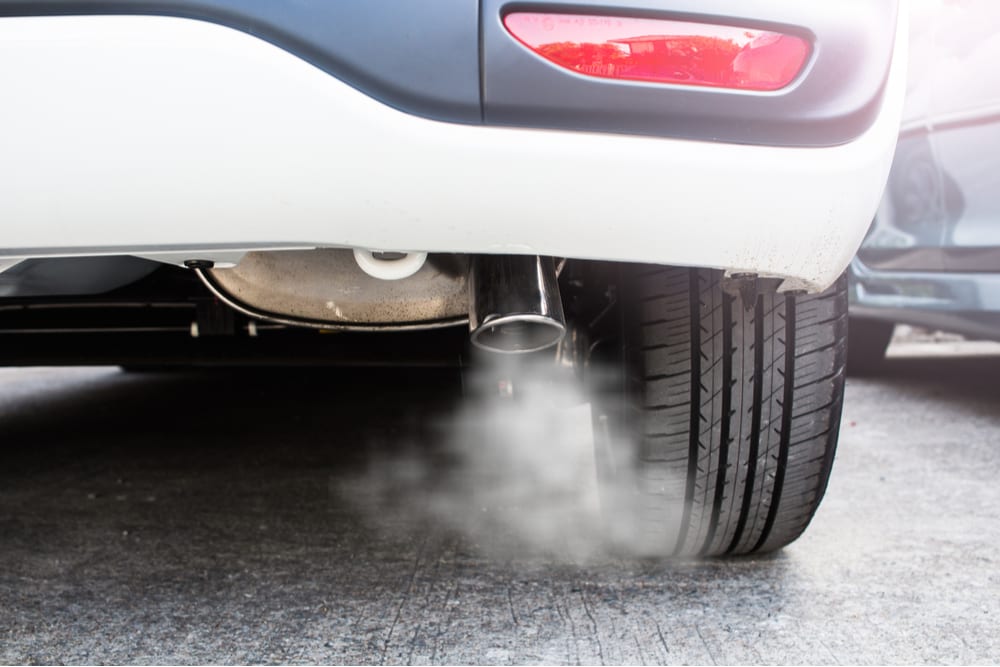
Perhaps surprisingly to those accustomed to strict vehicle inspection regimes elsewhere, Florida does not require mandatory vehicle safety inspections or emissions tests for privately owned passenger vehicles. This policy has been in place for decades, making Florida one of a growing number of states that have eliminated such requirements. For the vast majority of cars, trucks, and SUVs operated by residents and visitors, there is no official state-mandated check of their mechanical condition or exhaust emissions.
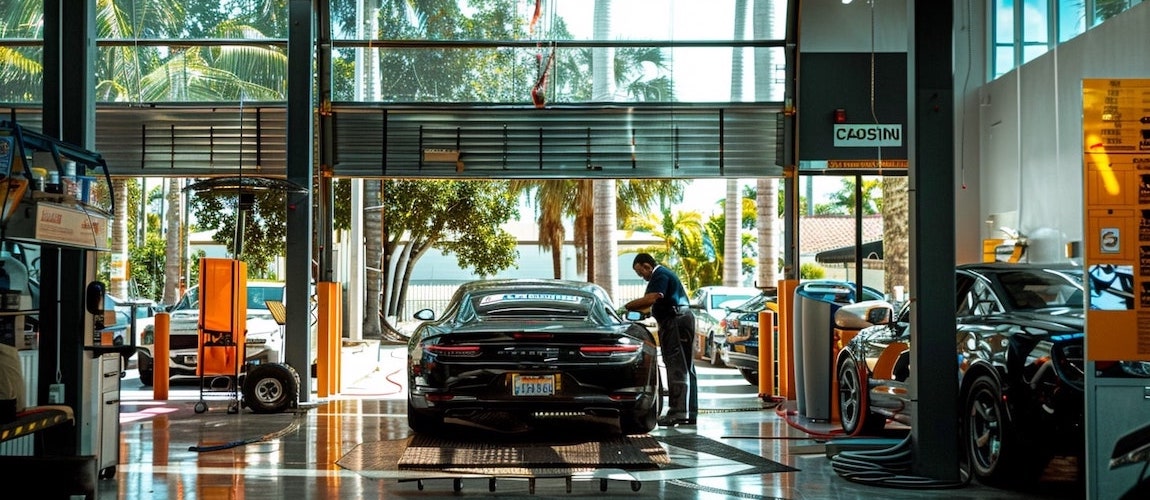
This means that if you’re driving a personal vehicle, whether it’s registered in Florida or another state, you won’t encounter a requirement to get it inspected at an authorized station upon entry, during registration renewal, or when transferring ownership. This contrasts sharply with states like New York, Pennsylvania, or California, where regular inspections are a routine part of vehicle ownership. The absence of these requirements aims to streamline vehicle ownership, reduce costs for residents, and minimize bureaucratic hurdles, aligning with Florida’s generally business-friendly and less-regulated environment.
What This Means for Travelers and New Residents
The lack of mandatory vehicle inspections in Florida has specific implications for different groups of drivers. Understanding these nuances is crucial for smooth travel and hassle-free relocation.
For Visitors Driving into Florida
Travelers embarking on a road trip to Florida from another state can rest assured that they will not need to worry about their vehicle undergoing a state inspection upon crossing the border or during their stay. Your vehicle’s registration and inspection status from your home state are typically recognized under reciprocal agreements, as long as your plates are current and valid.
However, the absence of a Florida inspection requirement does not absolve drivers of the responsibility to ensure their vehicle is safe and roadworthy. Law enforcement officers in Florida retain the authority to stop any vehicle they deem unsafe, exhibiting clear defects such as non-functioning lights, severely worn tires, or excessive smoke. Driving an unsafe vehicle can lead to citations, fines, and even a requirement to have the issue addressed before continuing travel. Therefore, before embarking on any journey to popular destinations like Orlando, Miami, or the Florida Keys, a thorough pre-trip inspection of your own vehicle’s critical components is highly recommended for safety and peace of mind.
For New Residents Registering a Vehicle in Florida
If you’re moving to Florida and plan to register your out-of-state vehicle, you’ll find the process relatively straightforward regarding inspections. The Florida Department of Highway Safety and Motor Vehicles (FLHSMV) does not require a safety or emissions inspection for standard passenger vehicles when you transfer your title and obtain Florida license plates.
Instead of an inspection, the primary requirements for registering an out-of-state vehicle include:
- Proof of Identity: A valid driver’s license or state ID.
- Proof of Ownership: The vehicle’s original out-of-state title.
- Vehicle Identification Number (VIN) Verification: This is a physical verification of the VIN, which can be done by a Florida law enforcement officer, a licensed dealer, or a notary public. This check primarily ensures the VIN on your vehicle matches your title document and helps prevent fraud; it is not a mechanical inspection.
- Proof of Florida Insurance: You must have personal injury protection (PIP) and property damage liability (PDL) coverage from a Florida-licensed insurance company.
- Payment of Fees: Various registration and title fees apply.
While this process is streamlined, new residents should still ensure their vehicle meets the basic safety standards for legal operation, as any obvious defects could still lead to law enforcement intervention.
Why the Absence of Mandatory Inspections?
The decision by Florida to forego mandatory vehicle inspections stems from a combination of factors. Historically, Florida did have a safety inspection program, which was phased out in the early 1980s. The rationale behind its elimination, and the continued absence of such programs, often includes:
- Cost Savings: Eliminating mandatory inspections saves vehicle owners the direct cost of the inspection fee and any potential repair costs for issues identified during the inspection. For a state with millions of registered vehicles, this represents significant collective savings.
- Reduced Bureaucracy: Without a statewide inspection program, the state avoids the administrative overhead of regulating inspection stations, training inspectors, and managing a vast database of inspection results.
- Economic Impact: Some argue that mandatory inspections can disproportionately affect lower-income individuals who might struggle to afford repairs, potentially leading to vehicles being taken off the road.
- Focus on Law Enforcement: Florida relies more heavily on ongoing law enforcement patrols to identify and address unsafe vehicles on the roads. Officers are trained to spot obvious safety defects during routine traffic stops.
- Limited Environmental Impact Concerns: Unlike some states with severe air quality issues, Florida’s expansive coastline and typically windy conditions may mitigate the perceived need for widespread emissions testing, although this is a complex environmental topic.
This approach contrasts with states that emphasize proactive identification of vehicle defects and emissions control as vital components of public safety and environmental protection.
The Importance of Personal Vehicle Maintenance
The absence of mandatory inspections in Florida places an even greater emphasis on individual responsibility for vehicle maintenance. While the state doesn’t compel you to get your car checked, ensuring your vehicle is in good working order is paramount for your safety, the safety of your passengers, and other drivers on the road.
Regular, voluntary maintenance checks should include:
- Tires: Check tire pressure, tread depth, and for any signs of damage or uneven wear. Properly inflated and maintained tires are crucial for handling, braking, and fuel efficiency.
- Brakes: Listen for unusual noises and be aware of any changes in braking performance, such as a spongy pedal or pulling to one side.
- Lights: Ensure all headlights, tail lights, brake lights, turn signals, and hazard lights are functioning correctly. Visibility is critical, especially during Florida’s frequent rain showers and nighttime driving.
- Fluids: Regularly check engine oil, brake fluid, coolant, power steering fluid, and windshield wiper fluid levels.
- Windshield Wipers: Replace worn wiper blades to ensure clear visibility, particularly important during heavy downpours.
- Battery: Test your battery, especially if your vehicle is older or you’re experiencing slow starts. Florida’s heat can be particularly hard on batteries.
Many reputable service centers and dealerships across Florida, from Jacksonville to Tampa, offer multi-point inspections and routine maintenance services. Investing in these preventative measures can help avoid breakdowns, reduce the risk of accidents, and potentially save money on more extensive repairs down the line. It also ensures compliance with the spirit of road safety, even if a formal inspection isn’t mandated.

What About Commercial Vehicles?
It is critical to distinguish between privately owned passenger vehicles and commercial vehicles. While personal cars are exempt, commercial vehicles, including large trucks, buses, and vehicles used for commercial purposes (such as ride-sharing services in some contexts), are subject to federal and state inspection regulations.
These vehicles fall under the purview of the Federal Motor Carrier Safety Administration (FMCSA) and the Florida Department of Transportation (FDOT), which enforce strict safety and maintenance standards. Commercial drivers and carriers must comply with regular inspections, including annual DOT inspections, roadside inspections, and specific maintenance protocols to ensure public safety. This distinction highlights that while general passenger vehicle owners enjoy a streamlined experience, industries that rely on commercial transport operate under a much more rigorous framework.
In conclusion, for those planning to drive their personal vehicle in Florida, the answer regarding mandatory inspections is a clear “no.” This simplifies travel logistics and vehicle registration for many. However, this freedom comes with the significant responsibility of ensuring your vehicle is safe and well-maintained, a practice that savvy travelers and residents embrace for safety and peace of mind on Florida’s diverse roadways.
LifeOutOfTheBox is a participant in the Amazon Services LLC Associates Program, an affiliate advertising program designed to provide a means for sites to earn advertising fees by advertising and linking to Amazon.com. Amazon, the Amazon logo, AmazonSupply, and the AmazonSupply logo are trademarks of Amazon.com, Inc. or its affiliates. As an Amazon Associate we earn affiliate commissions from qualifying purchases.