
The stark, icy landscapes of Alaska are often synonymous with a frigid, yet fascinating, wildlife population. Visitors dream of spotting colossal moose, powerful grizzly bears, and majestic bald eagles. But a question that occasionally surfaces, conjuring images of tuxedoed birds waddling through snow, is whether penguins call the Last Frontier home. The short answer, perhaps surprisingly to some, is no. Penguins, as we typically picture them, are not native to Alaska. However, the narrative is far more nuanced, delving into fascinating evolutionary branches and the complex definitions of “penguin.”
Understanding the Penguin Family Tree
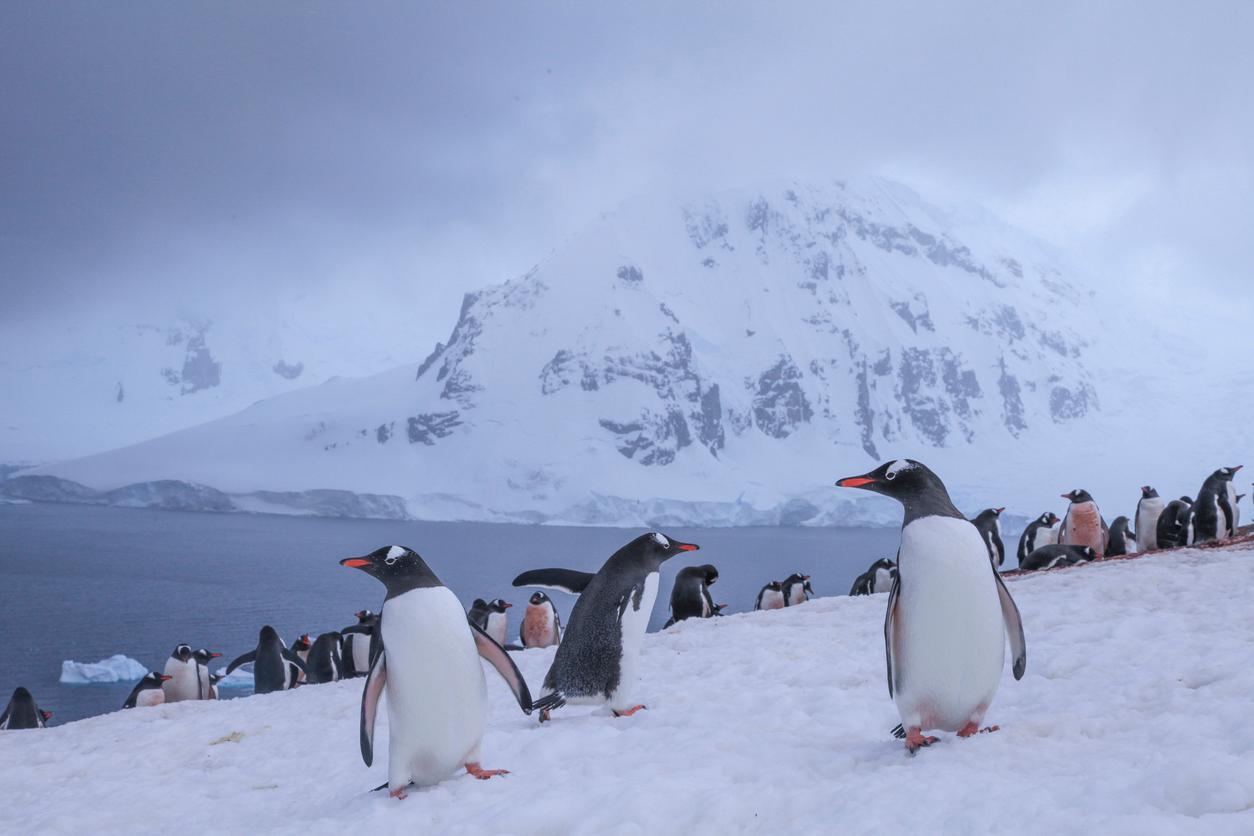
Penguins, scientifically classified under the order Sphenisciformes, are a group of aquatic flightless birds. Their evolutionary journey has primarily led them to the Southern Hemisphere, with their stronghold being the cold waters of Antarctica, the coasts of South America, Africa, Australia, and New Zealand. This geographical distribution is not arbitrary; it’s a testament to their adaptation to specific marine environments and food sources that are abundant in these regions. The distinct evolutionary path that led to modern penguins did not extend its reach into the Northern Pacific, where Alaska is located.

The Defining Characteristics of Penguins
To understand why penguins aren’t found in Alaska, it’s crucial to outline their defining characteristics. Penguins possess a unique suite of adaptations for their marine lifestyle. Their bodies are streamlined, their wings have evolved into powerful flippers for “flying” underwater, and they have dense bones that aid in diving. Their feathers are short, stiff, and overlapping, providing exceptional insulation against the cold ocean waters. Their diet primarily consists of krill, fish, and squid, which are abundant in the cold currents of the Southern Ocean and surrounding seas. These specialized adaptations are finely tuned to the ecological niches they occupy, niches that are not mirrored in the waters off the coast of Alaska.
The Northern Hemisphere’s Aquatic Birds
While the iconic penguin is absent, the Northern Hemisphere boasts its own fascinating array of diving birds that often draw comparisons. The most notable of these are the auks, puffins, and murres. These birds share certain superficial similarities with penguins, such as their black-and-white coloration, their adaptations for swimming and diving, and their nesting habits, often in large colonies on remote islands. However, these are distinct avian families, having evolved independently and occupying different ecological roles. They are birds of the Northern Hemisphere, perfectly adapted to the marine ecosystems of the Pacific and Atlantic oceans.
The Rise of the “Penguin” Misconception
The question of penguins in Alaska often stems from a combination of factors, including the visual resemblance of some Northern Hemisphere seabirds to their Southern counterparts and the generalized perception of “cold places” being synonymous with penguins. The allure of encountering such a unique creature in an unexpected location fuels the curiosity. This curiosity, while understandable, often leads to a misunderstanding of avian distribution and evolutionary history.
Comparing Auks and Penguins: A Tale of Convergent Evolution
The striking resemblance between some auks, particularly the extinct Great Auk, and penguins is a classic example of convergent evolution. Convergent evolution occurs when unrelated organisms independently evolve similar traits as a result of having to adapt to similar environments or ecological niches. Both penguins and the Great Auk were superb swimmers and divers, spending a significant portion of their lives at sea, feeding on marine life. Their streamlined bodies, paddle-like wings, and overall morphology reflect these shared adaptations. However, the Great Auk, a bird of the North Atlantic, sadly met its demise due to overhunting in the 19th century, leaving no direct penguin equivalents in the North Pacific.
Puffins and Murres: The Alaskan Stand-ins
In Alaska, the vibrant Tufted Puffin with its colorful beak and the sleek Common Murre are often the birds that visitors encounter and, perhaps, mentally substitute for penguins. These species are perfectly adapted to the Alaskan marine environment. Puffins, often referred to as “sea parrots” due to their colorful bills, are skilled divers and foragers. Murres, meanwhile, are incredibly abundant and are adept at diving to significant depths in pursuit of fish. While they share the ocean with many of the same prey species that penguins consume, their evolutionary lineage is entirely separate. Observing these birds on a boat tour out of Seward or during a visit to a wildlife sanctuary can be an equally rewarding experience, offering a glimpse into the unique biodiversity of the North Pacific.
Exploring Alaska’s True Avian Wonders
While the search for penguins in Alaska may be a fruitless endeavor, the state offers an unparalleled opportunity to witness some of the world’s most spectacular avian wildlife in their natural habitats. The rich marine ecosystems, particularly along the coastlines and islands, support a staggering diversity of bird species, many of which are migratory and find these waters to be a crucial feeding ground.
Coastal Birdwatching Hotspots
The waters surrounding Kodiak Island, the Kenai Peninsula, and the Aleutian Islands are teeming with seabirds. From the dramatic cliffs of St. George Island in the Pribilof Islands, which hosts millions of migratory birds, to the sheltered bays of Juneau, opportunities for birdwatching are abundant. Many boat tours and wildlife expeditions are specifically designed to take visitors to prime viewing locations, offering close-up encounters with species like the Black-legged Kittiwake, Northern Fulmar, and various species of petrels.
Inland and Arctic Birdlife
Beyond the coast, Alaska also provides habitats for a multitude of terrestrial and arctic birds. The vast tundra regions are home to species like the Rock Ptarmigan and various shorebirds during the summer months. In the boreal forests, osprey and numerous songbird species thrive. Even without penguins, the avian spectacle of Alaska is one of unparalleled richness and diversity, offering endless fascination for nature enthusiasts and birdwatchers alike. The chance to see a Northern Hawk Owl perched majestically or witness the incredible migration of shorebirds across the Yukon-Kuskokwim Delta provides a truly unique and memorable travel experience.
Planning Your Alaskan Wildlife Adventure
For travelers drawn to the allure of Alaska’s unique wildlife, a well-planned itinerary can maximize your chances of incredible sightings. While penguins may not be on the list, the opportunity to witness other remarkable creatures is immense.
Best Times and Locations for Wildlife Viewing
The prime time for observing marine birdlife, including puffins and murres, is generally during the summer months, from May to August, when they are breeding and nesting. Coastal towns like Homer, Seward, and Gustavus serve as excellent starting points for boat tours into critical seabird habitats. The Kenai Fjords National Park is a particularly renowned destination for its abundant marine life, offering breathtaking scenery alongside impressive bird colonies. For those interested in more terrestrial species, early summer provides opportunities to see birds nesting and feeding their young.

Choosing the Right Tours and Guides
To truly appreciate the avian wonders of Alaska, consider booking specialized wildlife tours. Many reputable operators offer dedicated birdwatching excursions led by experienced naturalists who can identify species, explain their behaviors, and navigate you to the best viewing locations. Look for tours that emphasize responsible wildlife viewing, maintaining a respectful distance and minimizing disturbance to the birds and their habitats. Companies operating out of Anchorage or Fairbanks can also offer access to inland birding hotspots. Whether you’re staying at a lodge near the coast or embarking on an expedition cruise, the focus on Alaska’s native wildlife will undoubtedly be a highlight of your journey, even without the presence of penguins. The unique charm of this northern wilderness lies in its own, distinct cast of characters.
LifeOutOfTheBox is a participant in the Amazon Services LLC Associates Program, an affiliate advertising program designed to provide a means for sites to earn advertising fees by advertising and linking to Amazon.com. Amazon, the Amazon logo, AmazonSupply, and the AmazonSupply logo are trademarks of Amazon.com, Inc. or its affiliates. As an Amazon Associate we earn affiliate commissions from qualifying purchases.