
Navigating the vibrant and dynamic San Francisco Bay Area often involves understanding the distances and connections between its most iconic locales. For many travelers, the question of “How far is Berkeley from San Francisco?” is a fundamental one, impacting itinerary planning, transportation choices, and the overall feasibility of exploring both cities within a single trip. While seemingly straightforward, the answer reveals a fascinating interplay of geography, infrastructure, and personal preference, offering a range of travel experiences from swift commutes to leisurely explorations. This exploration delves into the various dimensions of this distance, providing practical insights for anyone looking to bridge the gap between these two distinct yet intimately connected Californian gems.
Understanding the Geographic Divide
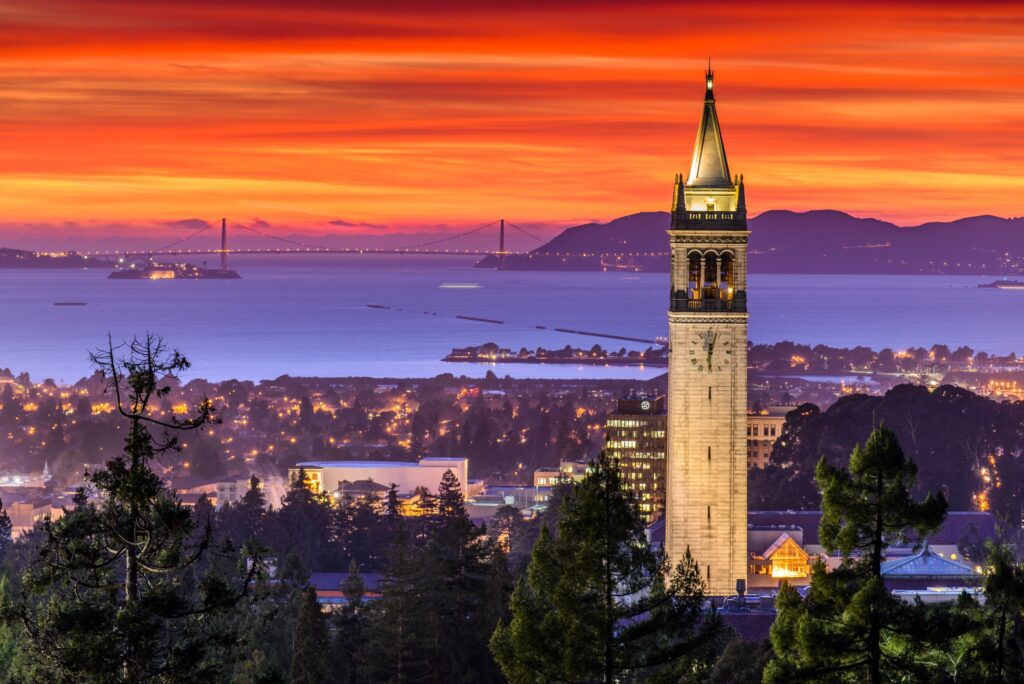
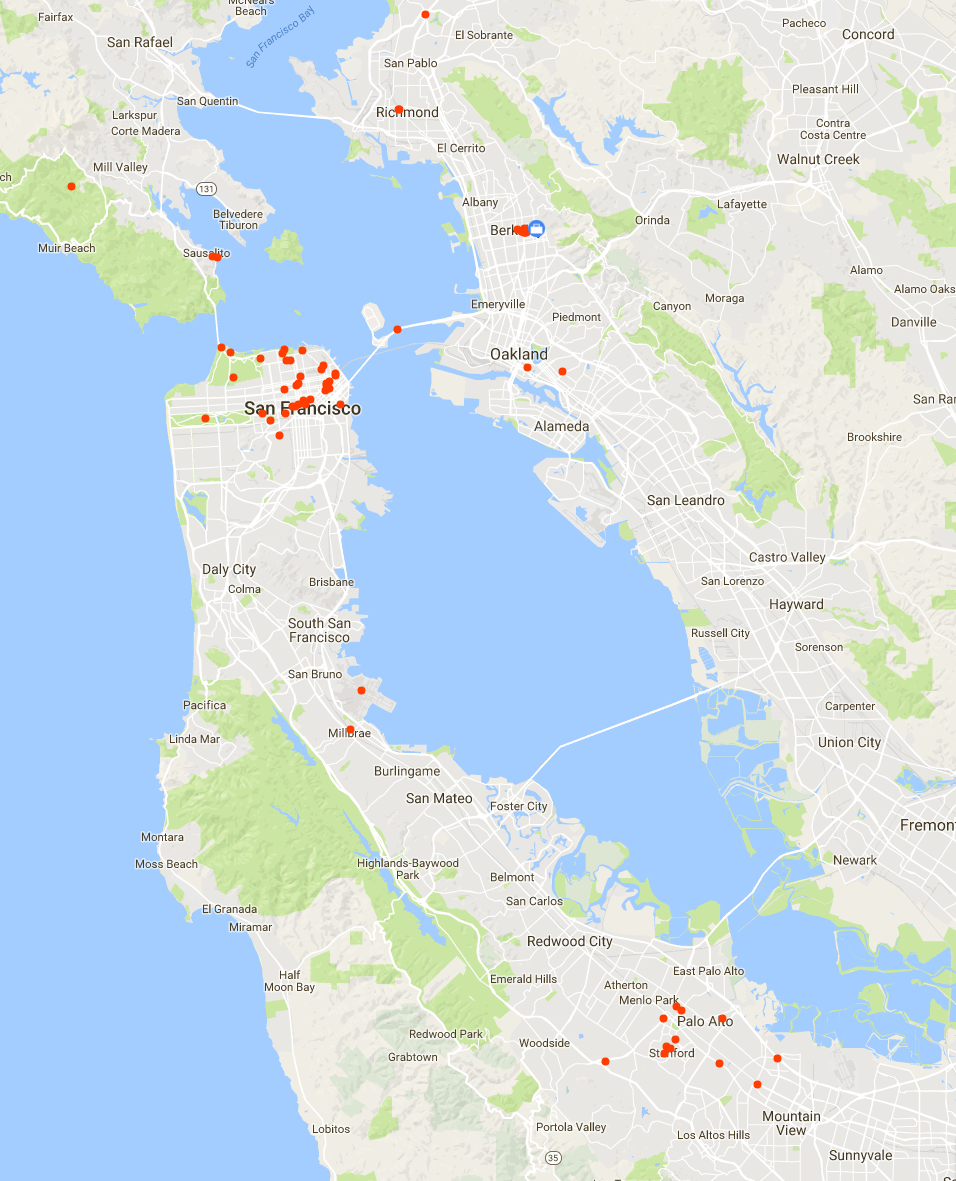
The most direct answer to how far Berkeley is from San Francisco hinges on the specific points of origin and destination within each city and the chosen mode of transit. Geographically, Berkeley lies across the San Francisco Bay to the east, nestled against the East Bay hills. San Francisco, a peninsula city, occupies the western edge of the bay. The primary physical barrier is, of course, the expansive body of water itself.
Direct Distance and its Implications
As the crow flies, the distance between the core of Berkeley and the core of San Francisco is relatively short, approximately 7 to 10 miles (11 to 16 kilometers), depending on which landmarks are used for measurement. However, this direct, unimpeded distance is not what travelers experience. The bay’s presence necessitates travel over or around it, significantly extending the practical travel time and distance. This is where understanding the various transit options becomes crucial for travelers aiming to maximize their time and experience. The perception of “far” is therefore not solely about miles but about the effort and time required to traverse them.
Navigating the San Francisco Bay
The presence of the San Francisco Bay is the defining factor in the journey between these two cities. Unlike landlocked cities that might be a direct drive apart, the bay introduces a water element that requires specific engineering solutions for connectivity. This has led to a robust network of bridges and public transportation systems designed to facilitate movement across this natural divide. The iconic Bay Bridge stands as the most prominent symbol of this connection, a testament to human ingenuity in overcoming geographical obstacles. Understanding this physical relationship is the first step in appreciating the travel logistics involved.
Transportation Options: Bridging the Gap
The distance between Berkeley and San Francisco is effectively traversed through a variety of transportation methods, each offering a unique perspective and travel experience. The choice of transit significantly influences travel time, cost, and the scenic elements of the journey. From swift and efficient public transport to the more individualistic freedom of driving, these options cater to diverse traveler needs and preferences.
The BART System: A Direct Link
The most popular and often the most efficient way to travel between Berkeley and San Francisco is via the Bay Area Rapid Transit (BART) system. This extensive subway network directly connects the two cities, with multiple stations in Berkeley (such as Downtown Berkeley, Ashby, and North Berkeley) and several in San Francisco (including Montgomery Street, Powell Street, and Embarcadero, among others).
Journey Time and Frequency
A typical BART ride from a central Berkeley station to a central San Francisco station takes approximately 20 to 30 minutes. This includes the time spent waiting for the train and the journey itself, which traverses the underwater Transbay Tube. BART trains operate with high frequency, especially during peak commuting hours, generally every 5 to 15 minutes, ensuring minimal waiting times. This direct, subterranean route bypasses road traffic entirely, making it a reliable choice regardless of weather or congestion.
Advantages of BART
The primary advantages of using BART are speed, reliability, and cost-effectiveness. For tourists, it offers a stress-free way to get from their Berkeley accommodation to the heart of San Francisco for sightseeing without the hassle of parking or navigating unfamiliar roads. It also provides an excellent vantage point for observing the urban landscape as you emerge from the underground tunnels in certain sections.
Driving Across the Bay Bridge
Driving offers a different experience, with the iconic Bay Bridge providing a scenic, albeit sometimes congested, route. The drive from Berkeley to San Francisco typically takes around 20 to 40 minutes without traffic. However, this figure can balloon significantly during rush hour, with travel times easily exceeding an hour.
Tolls and Parking Considerations
Drivers should be aware of the toll required to enter San Francisco via the Bay Bridge (eastbound to west-bound travel is free). Furthermore, parking in San Francisco can be notoriously expensive and difficult to find, especially in popular tourist areas. This often makes driving a less attractive option for visitors solely focused on exploring the city’s attractions.
Scenic Views from the Bridge
Despite the potential traffic and parking challenges, driving across the Bay Bridge offers breathtaking panoramic views of the San Francisco Bay, the San Francisco skyline, and the surrounding cities. For those with flexibility in their schedule and a desire for visual appreciation of the landscape, the drive can be a rewarding experience.

Other Transit Options
While BART and driving are the most common, other methods can also be employed.
Ferries for a Coastal Perspective
For a truly scenic approach, the San Francisco Bay Ferry offers a picturesque journey. While direct ferry routes from Berkeley to San Francisco are less frequent than BART, services from nearby terminals like Alameda or Oakland provide a delightful way to experience the bay. The ferry ride itself is an attraction, offering stunning views of the bridges, Alcatraz Island, and the city’s iconic waterfront. The journey time can vary, but it often adds a leisurely pace to travel.
Ride-Sharing and Taxis
Ride-sharing services like Uber and Lyft, as well as traditional taxis, are readily available in both Berkeley and San Francisco. These offer door-to-door convenience and can be a good option for groups or for travel during off-peak hours when BART frequency might be lower. However, costs can add up quickly, and they are subject to the same traffic conditions as private vehicles.
Planning Your Journey: Practical Travel Tips
When planning a trip that includes both Berkeley and San Francisco, understanding the nuances of travel time and logistics is paramount. The perceived distance is less about mileage and more about the efficient use of time and resources.
Estimating Travel Time Accurately
To accurately estimate travel time, consider not just the transit duration but also the time required to reach transit stations, wait for services, and travel from the arrival station to your final destination. For example, a 25-minute BART ride might become a 45-minute to 1-hour journey from doorstep to doorstep. Similarly, a 30-minute drive across the Bay Bridge could extend to 90 minutes with traffic and parking. It is always advisable to add a buffer of 20-30% to your estimated travel time, especially when relying on road-based transport.
Choosing the Right Transportation for Your Itinerary
The best transportation method depends heavily on your itinerary and priorities. If your primary goal is to explore landmarks in San Francisco like Fisherman’s Wharf, Alcatraz, or the Golden Gate Bridge, BART is an excellent choice for reaching the city center quickly and avoiding parking issues. If you are staying in Berkeley and plan to visit specific attractions in the East Bay like the University of California, Berkeley or the Berkeley Rose Garden, and then make a day trip to San Francisco, BART provides an efficient intercity link. For those who prefer flexibility and scenic drives, especially if visiting areas outside the immediate city centers, renting a car might be more suitable, provided parking challenges are factored in.
Leveraging Technology for Seamless Travel
Mobile applications are invaluable tools for navigating the Bay Area. Real-time BART schedules and service alerts can be accessed through the official BART app or third-party transit apps. Navigation apps like Google Maps or Waze provide real-time traffic updates, estimated driving times, and public transit directions, including ferry and BART routes. Ride-sharing apps offer on-demand service and fare estimates. Utilizing these tools can significantly streamline your travel experience, allowing you to make informed decisions on the go and minimize unexpected delays.
The Cultural and Experiential Distance
Beyond the physical miles and transit times, there is an experiential and cultural distance that defines the relationship between Berkeley and San Francisco. While geographically close, each city possesses its own distinct character, attractions, and atmosphere, offering complementary yet unique travel experiences. Understanding this qualitative difference is as important as knowing the mileage for planning a comprehensive Bay Area visit.
Berkeley: A Hub of Academia and Activism
Berkeley is renowned for its vibrant intellectual and cultural scene, largely shaped by the presence of the esteemed University of California, Berkeley. The city exudes an energetic, progressive vibe, characterized by independent bookstores, diverse culinary offerings, and a rich history of social activism. Visitors can explore the beautiful university campus, stroll through the lively downtown area, or enjoy the natural beauty of the Tilden Regional Park. The cultural landscape of Berkeley offers a more laid-back, community-oriented feel, a refreshing counterpoint to the bustling metropolis across the bay.
San Francisco: Iconic Landmarks and Urban Energy
San Francisco, on the other hand, is a global icon, celebrated for its stunning natural setting, diverse neighborhoods, and world-class attractions. From the majestic Golden Gate Bridge and the historic Alcatraz Island to the vibrant streets of Chinatown and the bustling piers of Fisherman’s Wharf, San Francisco offers an urban experience that is both dynamic and visually spectacular. The city’s hilly terrain provides dramatic vistas, while its distinct districts offer a mosaic of cultures, cuisines, and experiences.
Complementary Destinations for a Richer Trip
The short distance between Berkeley and San Francisco makes them ideal complements for a single trip. A traveler can spend mornings exploring the academic charm and community spirit of Berkeley, perhaps enjoying a brunch at one of its famed eateries, and then easily hop on BART for an afternoon or evening immersed in the iconic sights and sounds of San Francisco. This proximity allows for a multifaceted exploration of the Bay Area, experiencing the unique offerings of both cities without significant travel time being a deterrent. The ease of transition ensures that visitors can capture the essence of the region’s diversity, from its intellectual heart to its global urban allure.
LifeOutOfTheBox is a participant in the Amazon Services LLC Associates Program, an affiliate advertising program designed to provide a means for sites to earn advertising fees by advertising and linking to Amazon.com. Amazon, the Amazon logo, AmazonSupply, and the AmazonSupply logo are trademarks of Amazon.com, Inc. or its affiliates. As an Amazon Associate we earn affiliate commissions from qualifying purchases.