
Florida, known for its stunning beaches, vibrant cities, and world-class attractions, is a premier destination for travelers worldwide. For individuals with disabilities, ensuring accessibility is paramount to a seamless and enjoyable journey through the Sunshine State. Obtaining a handicap placard in Florida can significantly enhance your travel experience, providing crucial access to designated parking spaces and reducing the stress of navigating crowded areas. Whether you are a long-term resident, a seasonal snowbird, or a visitor planning an extended stay, understanding the process for acquiring a disability parking permit is essential for maximizing your comfort and convenience while exploring everything Florida has to offer. This comprehensive guide will walk you through the necessary steps, eligibility requirements, and practical considerations for securing your handicap placard.

Understanding the Necessity and Benefits for Florida Travel
The importance of a handicap placard in Florida extends beyond mere convenience; it is a fundamental tool for ensuring equitable access and an enhanced travel experience for individuals with mobility challenges. Florida’s popularity as a tourist destination means that many attractions, shopping centers, and urban areas can experience high traffic and limited parking. A valid handicap placard grants you legal access to designated accessible parking spaces, which are typically wider, closer to entrances, and less strenuous to navigate. This is particularly beneficial when visiting expansive theme parks like Walt Disney World Resort in Orlando or exploring the bustling streets of Miami, where walking distances can be considerable.
Having a placard also reduces anxiety associated with finding suitable parking, allowing you to focus more on enjoying your activities rather than worrying about accessibility. From the serene shores of Clearwater Beach to the historic charm of St. Augustine, and the natural beauty of the Florida Keys, a handicap placard ensures that your mobility needs are met, enabling you to fully immerse yourself in the diverse experiences Florida provides. It promotes independence, allowing you to travel and explore at your own pace without unnecessary physical strain or logistical hurdles. For those managing chronic conditions or recovering from injuries, this accessibility can make the difference between a frustrating trip and a truly memorable one.
Types of Disability Parking Permits and Eligibility in Florida
Florida offers several types of disability parking permits, each designed to meet specific needs and durations. Understanding these categories is the first step in determining which permit is right for you. The Florida Department of Highway Safety and Motor Vehicles (DHSMV) oversees the issuance of these placards, ensuring compliance with state and federal regulations.
Permanent Parking Permits
Permanent placards are issued to individuals with long-term or permanent mobility impairments. These permits are typically valid for four years and require renewal.
Eligibility for a permanent placard is based on specific medical criteria, which generally include:
- Inability to walk 200 feet without stopping to rest.
- The use of a brace, cane, crutch, prosthetic device, or another assistive device to aid in walking.
- Having a lung disease to such an extent that forced expiratory volume for 1 second, when measured by spirometry, is less than 1 liter, or arterial oxygen tension is less than 60 mm/hg on room air at rest.
- Requiring portable oxygen.
- Having a cardiac condition classified in severity as Class III or IV according to the standards set by the American Heart Association.
- Severe limitation in the ability to walk due to an arthritic, neurological, or orthopedic condition.
- Being legally blind.
Temporary Parking Permits
Temporary placards are designed for individuals with short-term mobility impairments, such as those recovering from surgery, injuries, or acute medical conditions that temporarily limit their ability to walk. These permits are valid for up to six months and can be renewed once for an additional six months if medically necessary.
The medical conditions for eligibility are similar to permanent permits but are characterized by their temporary nature. A physician must certify that the condition is expected to improve within the six-month period.
Organizational Parking Permits
These permits are issued to organizations that transport individuals with disabilities, such as assisted living facilities, hospitals, or special needs schools. They are not for personal use but for vehicles actively engaged in transporting multiple eligible individuals.
Out-of-State Permits
If you are visiting Florida from another state and already possess a valid disability parking permit issued by your home state or country, it will generally be honored in Florida. This is a crucial detail for tourists, as it means you typically do not need to obtain a separate Florida placard for short visits. However, it is always wise to carry your home state’s official documentation, such as your placard certificate or medical certification, in case of questions from law enforcement. For longer stays or if you become a Florida resident, applying for a Florida placard is recommended.
Step-by-Step Application Process for a Florida Handicap Placard
Obtaining a handicap placard in Florida involves a straightforward process managed by the Florida Department of Highway Safety and Motor Vehicles (DHSMV) through local tax collector offices. Adhering to these steps will ensure a smooth application.
Step 1: Obtain the Application Form
The primary form required is HSMV 83039, titled “Application for Disabled Person Parking Permit.” This form can be downloaded from the official Florida DHSMV website or picked up in person at any local Florida tax collector’s office or license plate agent.
Step 2: Get Medical Certification
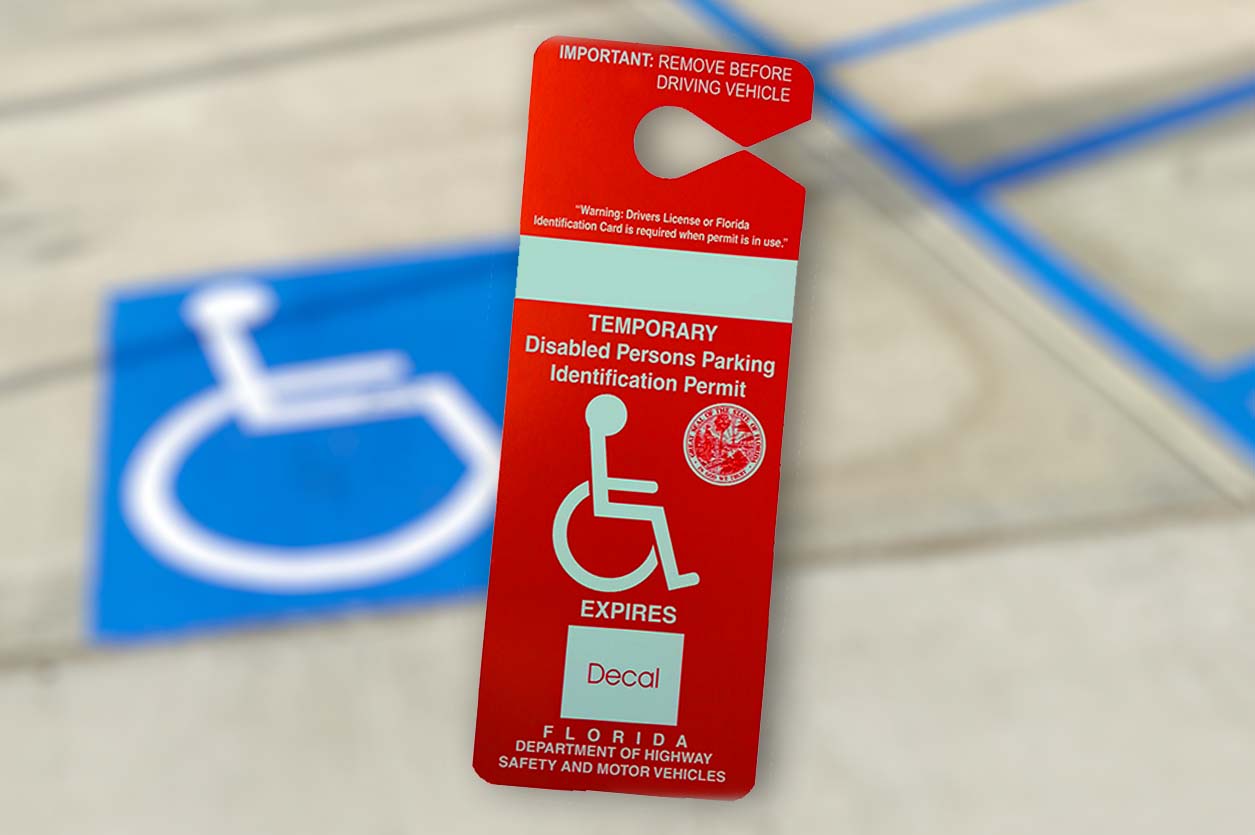
A licensed physician, osteopathic physician, podiatric physician, chiropractor, or optometrist (for legal blindness only) must complete the “Medical Certification” section of the HSMV 83039 form. This section requires the medical professional to certify the applicant’s disability, specifying whether it is permanent or temporary. The medical professional must also include their license number and sign the form. For permanent placards, the certification is generally valid for 12 months from the date of the medical examination. For temporary placards, the medical professional must specify the expected duration of the disability, up to six months.
Step 3: Complete Applicant Information
Fill out the applicant section of the HSMV 83039 form with your personal details, including your full name, address, date of birth, and Florida driver’s license or identification card number. If you do not have a Florida driver’s license or ID, you may still apply, but you will need to provide other forms of identification.
Step 4: Submit Your Application
Once the form is fully completed and signed by both you and your medical professional, you must submit it to your local Florida tax collector’s office or a license plate agency.
- In-person submission: This is often the quickest method, allowing you to receive your temporary placard immediately or apply for a permanent one. Bring the completed form, your Florida driver’s license or ID, and any applicable fees.
- Mail submission: You can mail the completed form to your local tax collector’s office. Be sure to include a copy of your Florida driver’s license or ID and the appropriate payment.
Step 5: Pay the Required Fees
- Permanent Placards: There is no fee for a permanent handicap placard in Florida.
- Temporary Placards: A fee of $15 is typically charged for temporary placards.
- Replacement Placards: If your placard is lost, stolen, or damaged, a replacement fee may apply.
Step 6: Receive Your Placard
Upon successful application and payment (if applicable), you will receive your placard. Temporary placards are often issued on the spot when applying in person. Permanent placards may be issued immediately or mailed to you. Remember to always hang the placard from your rearview mirror when parked in an accessible space and remove it when the vehicle is in motion.
Navigating Florida with Your Handicap Placard
Once you have your Florida handicap placard, you’re well-equipped to explore the state with greater ease. However, understanding the rules and best practices for using your placard is crucial to avoid issues and maximize its benefits.
Proper Display and Usage
Your handicap placard must be properly displayed to be valid. It should be hung from the rearview mirror so that it is visible from the front and rear of the vehicle when parked in a designated accessible parking space. Critically, the placard must be removed from the rearview mirror when the vehicle is in motion to prevent obstruction of your view. Misuse, such as lending your placard to someone else, can result in significant fines and penalties, including revocation of your permit.
Accessible Parking Etiquette
While your placard grants you access to accessible spaces, it’s important to practice parking etiquette. Always choose the most appropriate space, being mindful of others with disabilities who may have more severe mobility limitations. Avoid parking in the striped access aisles adjacent to accessible spaces, as these areas are reserved for wheelchair ramps and provide crucial space for individuals to enter and exit their vehicles safely. Parking in these areas can result in fines and towing.
Traveling to Popular Destinations
Florida’s major attractions, like the theme parks in Orlando and Tampa, are generally well-equipped with accessible parking. At Walt Disney World Resort or Universal Studios Florida, accessible parking lots are usually located closer to the park entrances, reducing walking distances. Similarly, when visiting beaches such as Siesta Key Beach or natural parks like Everglades National Park, accessible parking is typically available near visitor centers and boardwalks. Always check the specific accessibility information on the venue’s website before your visit for the most current details.
Renewals and Replacements
- Renewals: Permanent placards need to be renewed every four years. The DHSMV will typically send a renewal notice before your placard expires. You will need to submit a new application form (HSMV 83039), but a new medical certification is usually not required unless there has been a change in your medical condition, or it is specifically requested.
- Replacements: If your placard is lost, stolen, or damaged, you can apply for a replacement. You will need to complete a new HSMV 83039 form, check the box for “Replacement,” and submit it to your local tax collector’s office. A fee may apply for replacement placards.
By understanding and following these guidelines, your Florida handicap placard will serve as a valuable tool, ensuring your travel experiences throughout the state are as comfortable, convenient, and enjoyable as possible.
LifeOutOfTheBox is a participant in the Amazon Services LLC Associates Program, an affiliate advertising program designed to provide a means for sites to earn advertising fees by advertising and linking to Amazon.com. Amazon, the Amazon logo, AmazonSupply, and the AmazonSupply logo are trademarks of Amazon.com, Inc. or its affiliates. As an Amazon Associate we earn affiliate commissions from qualifying purchases.