
California, a state renowned for its stunning natural beauty, diverse ecosystems, and vibrant cities like Los Angeles and San Francisco, has also become tragically synonymous with devastating wildfires. Each year, headlines worldwide track the infernos that scorch vast tracts of land, destroy homes, and endanger lives, leaving many to wonder about the underlying causes. The answer is not singular but a complex interplay of geography, climate, ecology, historical land management, and increasingly, the impacts of climate change and human activity. Understanding these factors is crucial to comprehending why the Golden State burns so fiercely and so often.

The Confluence of Geography and Climate
[California]’s geographical position and unique climate are fundamental to its fire vulnerability. The state’s topography is characterized by dramatic mountain ranges, extensive valleys, and a long coastline along the Pacific Ocean, creating microclimates that contribute to fire risk.The Mediterranean Climate Paradox
A significant factor is [California]’s distinctive Mediterranean Climate. This climate pattern is marked by hot, dry summers and mild, wet winters. While the winter rains are vital for replenishing water sources and supporting lush vegetation growth, they inadvertently set the stage for future fires. The abundance of rainfall allows grasses, shrubs, and trees to flourish. As summer approaches, the scorching sun and lack of precipitation transform this vibrant growth into highly flammable “fuel.” This annual cycle of growth and desiccation creates an almost perfect tinderbox condition, particularly in the state’s chaparral and scrubland ecosystems.
The Wind Machines: Santa Ana and Diablo
Compounding the dry conditions are [California]’s infamous wind events: the Santa Ana Winds in Southern California and the Diablo Winds in Northern California. These powerful, hot, dry winds typically occur in late summer and autumn, blowing from inland deserts or high plateaus towards the coast. As they descend, they warm up and lose moisture, effectively desiccating vegetation even further and fanning any existing flames with incredible speed and intensity. These winds are notorious for turning small brush fires into fast-moving, uncontrollable infernos capable of jumping firebreaks and spreading embers miles ahead of the main front, overwhelming firefighting efforts.
Fuel, Fire, and the Wildland-Urban Interface
The type and quantity of vegetation, along with how humans interact with these natural landscapes, are critical components of [California]’s wildfire problem.
Abundant and Flammable Vegetation
[California] is home to a diverse array of plant communities, many of which are inherently fire-adapted, or even fire-dependent, meaning they require fire for regeneration. However, several dominant vegetation types, such as chaparral, oak woodlands, and conifer forests, produce vast amounts of highly combustible material. Chaparral, for instance, consists of dense, woody shrubs rich in volatile oils that burn intensely. Over decades, without natural fire cycles, these fuels accumulate, creating a dense, continuous ladder of vegetation that allows ground fires to quickly climb into tree canopies, leading to catastrophic crown fires. Invasive grasses, often introduced by human activity, also play a role, providing fine, continuous fuels that carry fire rapidly across landscapes.The Expanding Footprint of Humanity
A significant contributor to fire risk is the expansion of the Wildland-Urban Interface (WUI). This is the zone where homes and businesses meet or intermingle with undeveloped wildland vegetation. As [California]’s population has grown, more people have chosen to build homes in scenic, fire-prone areas. This expansion puts more lives and property at risk and dramatically increases the chances of human-caused ignitions. Structures in the WUI often provide additional fuel sources (decks, fences, landscaping) and can act as conduits for fire spread, making firefighting incredibly challenging and complex.
A Legacy of Fire Suppression
For over a century, the dominant strategy for fire management in the United States, particularly in [California], has been aggressive fire suppression. While effective at protecting communities in the short term, this approach has had unintended long-term consequences.
The Fuel Accumulation Problem
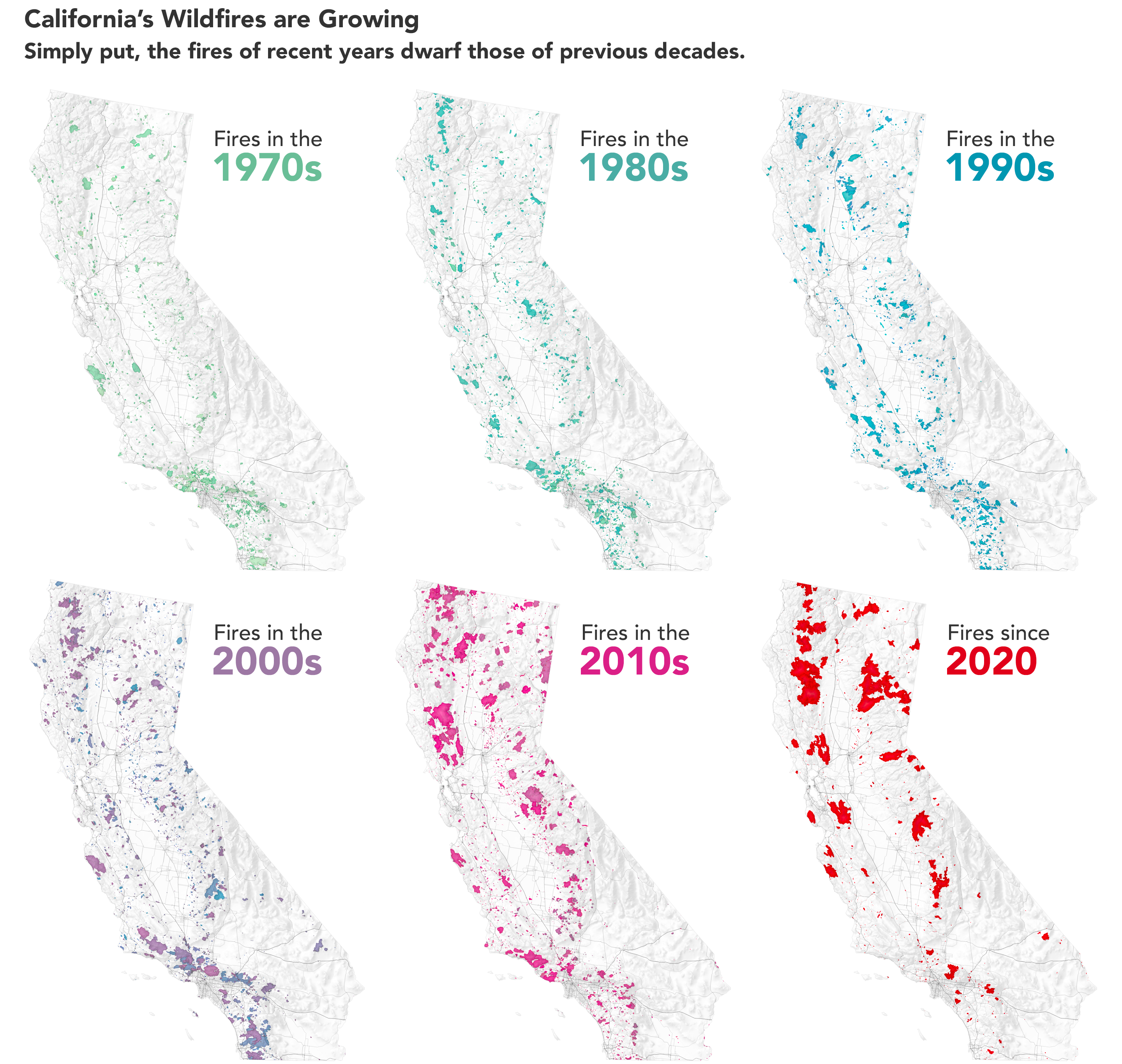
Historically, natural fires, often ignited by lightning, would periodically clear out underbrush and dead vegetation, maintaining a healthier, more open forest structure. By suppressing almost every fire, fire agencies inadvertently allowed prodigious amounts of fuel to accumulate over decades. This fuel “load” creates a powder keg effect: when a fire does eventually ignite, it burns with unprecedented intensity, making it far more destructive and difficult to control than fires in ecosystems where natural burn cycles were permitted. This has transformed many [California] forests from resilient, fire-adapted landscapes into highly vulnerable ones.
Shifting Towards Integrated Fire Management
Recognizing the drawbacks of total suppression, there’s a growing movement towards more integrated fire management strategies. This includes increased use of prescribed burns (controlled, intentional fires set under specific weather conditions to reduce fuel loads), forest thinning, and community-level hazard reduction. These proactive measures aim to restore a more natural fire regime and create defensible space around communities, reducing the likelihood of catastrophic wildfires.
Climate Change: An Exacerbating Factor
While the natural conditions in [California] have always made it fire-prone, climate change is undeniably amplifying the frequency, intensity, and duration of the state’s wildfire seasons.
Warming Trends and Drought Intensification
Global warming has led to higher average temperatures across [California]. Warmer temperatures accelerate evaporation, drawing moisture out of vegetation and soils, making them drier and more combustible. This also lengthens the fire season, extending it beyond the traditional summer and autumn months into late fall and even winter. Simultaneously, climate change is contributing to more frequent and prolonged droughts, which further stress vegetation, making it more susceptible to ignition and rapid fire spread. The combination of hotter temperatures and deeper droughts creates an environment ripe for extreme fire behavior.
The Sierra Nevada Snowpack
The [Sierra Nevada] mountain range acts as [California]’s primary “water tower,” storing vast amounts of water in its winter snowpack that gradually melts to supply much of the state’s agricultural, urban, and environmental needs throughout the dry season. Climate change is causing earlier snowmelt and reduced snowpack, leading to less available moisture later in the year. This exacerbates drought conditions in forests and wildlands, contributing to tree mortality and increasing the fuel load for wildfires. The stress on forests from prolonged drought and bark beetle infestations, often linked to warmer temperatures, creates millions of dead trees that become standing fuel for future fires.
The Role of Human Activity
Even with perfect natural conditions, most wildfires would not occur without an ignition source, and the vast majority of these sources in [California] are human-related.
Accidental Ignitions
Human carelessness, whether intentional or accidental, is responsible for approximately 95% of wildfires in [California]. Common ignition sources include faulty power lines and electrical equipment (especially during high winds), discarded cigarettes, unattended campfires, sparks from vehicle exhausts or machinery, agricultural burning, and celebratory fireworks. As more people live, work, and recreate in the WUI, the probability of these accidental ignitions increases, often with devastating consequences.

Deliberate Acts
While less common, arson also accounts for a portion of wildfires. These deliberate acts can range from vandalism to criminal intent, further highlighting the human element in [California]’s fire crisis.
In conclusion, [California]’s battle with wildfires is multifaceted, rooted in its unique natural environment, shaped by historical land management, and significantly intensified by climate change and human presence. Addressing this complex challenge requires a comprehensive approach, combining advanced firefighting techniques with proactive fuel management, resilient infrastructure, responsible land use planning, and sustained efforts to mitigate climate change.
LifeOutOfTheBox is a participant in the Amazon Services LLC Associates Program, an affiliate advertising program designed to provide a means for sites to earn advertising fees by advertising and linking to Amazon.com. Amazon, the Amazon logo, AmazonSupply, and the AmazonSupply logo are trademarks of Amazon.com, Inc. or its affiliates. As an Amazon Associate we earn affiliate commissions from qualifying purchases.