
Navigating Hurricane Season in the Sunshine State
Florida, known globally as the Sunshine State for its vibrant beaches, thrilling theme parks, and rich cultural tapestry, attracts millions of travelers each year. However, its geographical location also places it within the Atlantic hurricane belt, making hurricane season—typically from June 1st to November 30th—a critical period for residents and visitors alike. While the question of “What hurricane is about to hit Florida?” often arises with a sense of urgency and concern, it’s crucial for travelers to understand that the specific trajectory and intensity of tropical storms are highly unpredictable until they are relatively close. Instead of focusing on a single, hypothetical storm, the prudent approach for anyone planning travel to or through Florida during these months is to be thoroughly prepared, informed, and flexible.
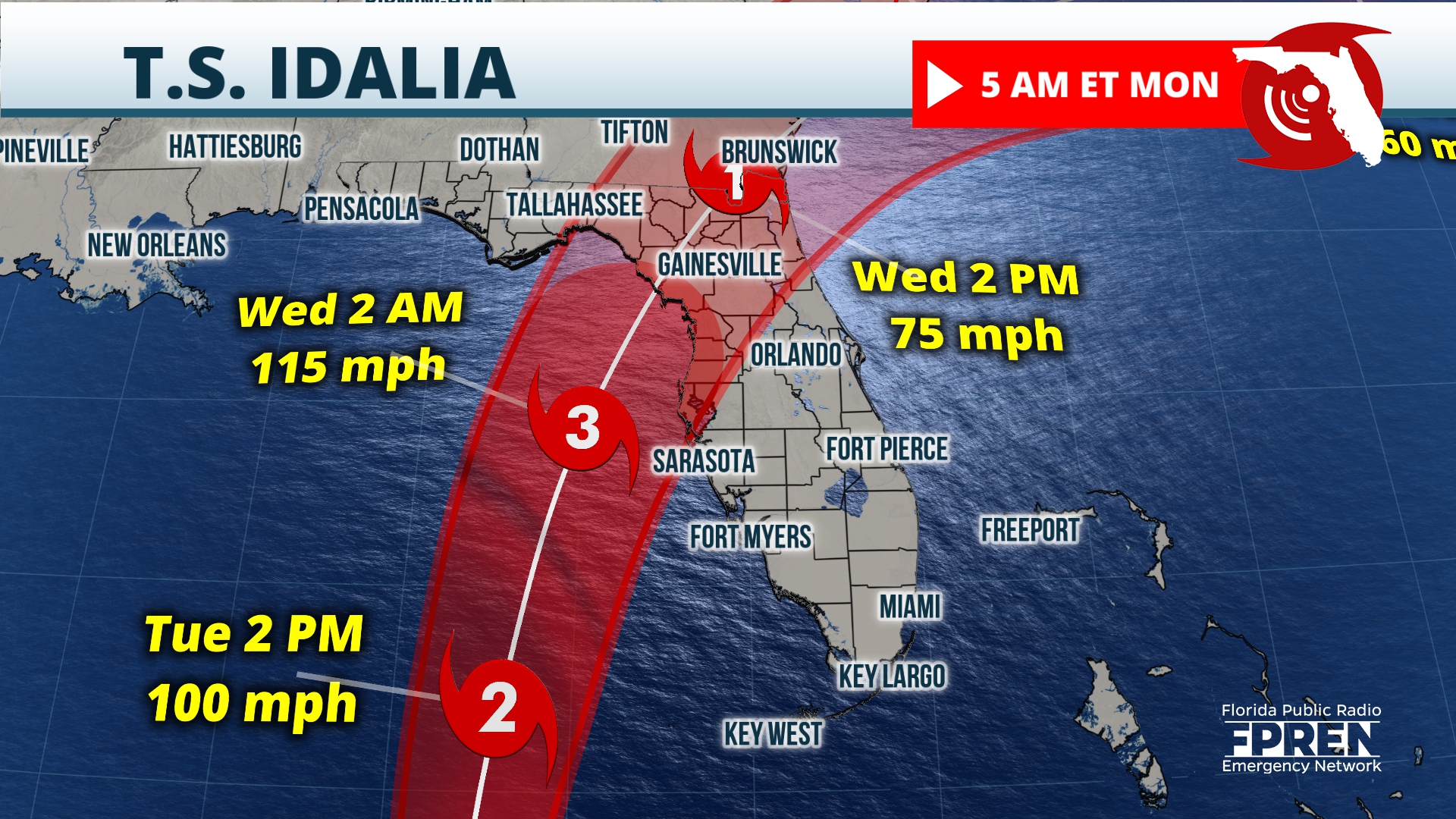
The impact of hurricanes on travel can range from minor flight delays and temporary closures of coastal attractions to significant disruptions, including widespread evacuations and long-term damage to infrastructure. For destinations like Miami, Orlando, Tampa, or the Florida Keys, a direct hit can mean a complete halt to tourism for weeks or even months. Understanding how to monitor storm developments, interpret official advisories, and leverage available resources is paramount for ensuring a safe and enjoyable travel experience. This proactive stance not only protects travelers but also allows them to make informed decisions that can prevent unnecessary stress and potential danger.
Understanding the Forecast and Official Advisories
The backbone of hurricane preparedness for travelers is reliable information. The National Hurricane Center (NHC), a division of the National Oceanic and Atmospheric Administration (NOAA), is the primary source for real-time data, forecasts, and warnings regarding tropical cyclones in the Atlantic basin. Their updates, issued every few hours for active systems, provide critical details on storm strength, projected path, and potential impacts. Travelers should familiarize themselves with terms like “Tropical Storm Watch,” “Hurricane Watch,” “Tropical Storm Warning,” and “Hurricane Warning,” understanding that a “Watch” means conditions are possible within 48 hours, while a “Warning” indicates conditions are expected within 36 hours. These classifications are crucial for determining the necessary course of action.
Beyond the NHC, local news outlets, weather apps, and emergency management agencies in specific Florida counties offer more localized insights and directives. For instance, the Florida Division of Emergency Management provides state-specific guidance and resources. It’s not enough to simply hear about a potential storm; travelers must actively seek out official sources to differentiate facts from speculation and understand the true threat level to their intended destination.
Key Resources for Travelers
Having a list of essential resources readily available can make a significant difference in navigating a hurricane threat. Beyond weather forecasts, travelers should keep track of their airline’s specific advisories, as many airlines issue fee waivers or offer flexible rebooking options during hurricane season for affected areas. Hotel chains also typically have specific hurricane policies regarding cancellations and refunds.
For ground transportation, the Florida Department of Transportation offers real-time road conditions and closures, which are vital for those traveling by car. Additionally, apps like the FEMA App provide real-time alerts, shelter locations, and safety tips, serving as a comprehensive tool for emergency preparedness. Before departing for Florida, travelers should compile a personal emergency contact list, including family members, their travel agent, and their insurance provider. Saving important documents digitally (e.g., copies of passports, IDs, insurance policies) on a cloud service or secure email allows access even if physical copies are lost or damaged.
Pre-Travel Preparations: Before You Go
Thoughtful preparation before even stepping foot in Florida is the most effective way to mitigate risks associated with hurricane season travel. This extends beyond merely packing a suitcase; it involves a strategic approach to bookings, insurance, and communication. The goal is to maximize flexibility and minimize financial losses or safety concerns should a storm threaten your plans. Waiting until a storm is imminent to make these arrangements can lead to increased stress, limited options, and higher costs.
The decision to travel to Florida during hurricane season requires a calculated assessment of risk versus reward. While fewer crowds and potentially lower prices can be appealing, the trade-off is the possibility of weather-related disruptions. For those who choose to travel, robust pre-travel preparation ensures that they are not caught off guard and have a clear course of action if a hurricane develops. This phase of planning empowers travelers with knowledge and options, transforming potential chaos into manageable challenges.
Comprehensive Travel Insurance
Travel insurance is not just an advisable luxury during hurricane season; it’s an essential safeguard. A standard travel insurance policy typically covers trip cancellation or interruption due to a named hurricane, medical emergencies, and lost luggage. However, it’s critical to read the fine print. Most policies require the storm to be named after the policy is purchased, meaning if a hurricane is already a named storm when you buy the insurance, it might be considered a “foreseeable event” and not be covered. Some policies also offer “cancel for any reason” (CFAR) coverage, which provides the ultimate flexibility but comes at a higher premium.
Travelers should carefully compare policies from reputable providers, paying close attention to deductibles, coverage limits, and what specific events trigger cancellation or interruption benefits. Understanding the difference between a “travel advisory,” “travel warning,” and an “evacuation order” as they relate to your policy’s coverage is also vital. Investing in the right travel insurance can protect a significant financial investment and provide peace of mind in unpredictable circumstances.
Flexible Bookings and Cancellation Policies
When booking flights, accommodations, and activities, prioritize options with flexible cancellation or rebooking policies. Many airlines and hotels offer more lenient terms during hurricane season, but these vary widely. Always confirm the specific cancellation window, any associated fees, and whether refunds are issued as cash or future travel credit. For flights, direct bookings with airlines often provide more flexibility than third-party booking sites.
Consider booking accommodations that don’t require full upfront payment or offer free cancellation up to a certain point. For popular attractions and tours, inquire about their specific weather-related cancellation policies. While last-minute travel can sometimes be cheaper, booking farther in advance with flexible options provides a safety net. This strategy minimizes financial exposure and allows for easy adjustments to your itinerary without penalty if a storm mandates a change of plans.
Essential Communication Strategies
Before embarking on your trip, establish a clear communication plan. Share your itinerary with family and friends who are not traveling with you, and designate a primary contact person. Ensure your mobile phone is fully charged before flights or long drives and consider packing a portable power bank. Download offline maps of your destination, as cell service can be spotty or non-existent during and after a storm.
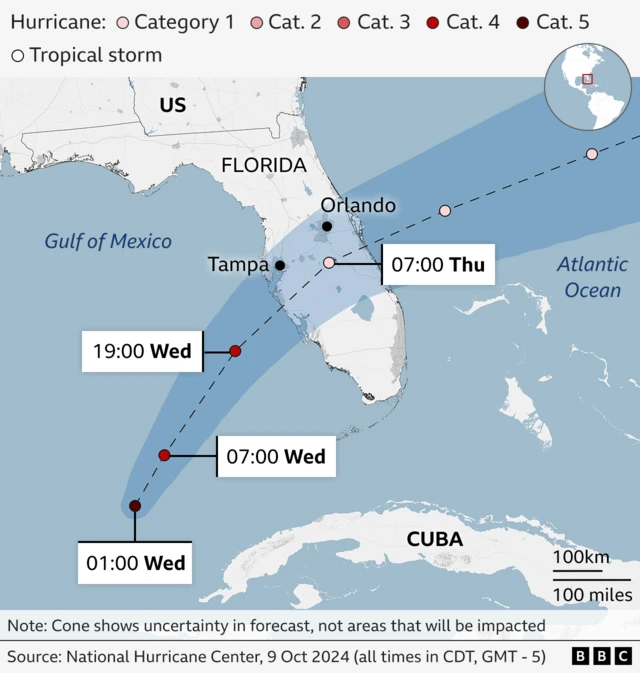
Research local emergency hotlines and non-emergency numbers for your destination in Florida, and save them in your phone. If you’re traveling internationally, register with your country’s embassy or consulate via their Smart Traveler Enrollment Program (STEP) or similar service, which can provide alerts and assist in emergencies. Keeping a hard copy of important phone numbers (family, insurance, airline, hotel) in case your phone battery dies or is lost can also be a lifesaver.
During Your Trip: Staying Safe and Informed
Once you’re in Florida during hurricane season, the focus shifts from preparation to active monitoring and responsive action. Even if no storm is immediately threatening upon your arrival, weather patterns can change rapidly. Maintaining vigilance and being prepared to adapt your plans are crucial for a safe experience. The insights gained from pre-travel research will now be put into practice, guiding your decisions and ensuring you respond effectively to any developing situations.
The experience of traveling during hurricane season can be incredibly rewarding, offering a unique opportunity to explore Florida with fewer crowds. However, this enjoyment must be balanced with an ongoing awareness of the weather. Staying informed and being ready to follow official directives are not just about personal safety; they are also about respecting the local community’s efforts to manage and recover from severe weather events.
Evacuation Protocols and Shelter Information
Should a hurricane threat escalate, local authorities may issue evacuation orders. It is imperative to take these orders seriously and comply immediately. Evacuation routes are typically pre-designated and clearly marked. Information on these routes and available public shelters can be found on local county emergency management websites and through the FEMA App.
If you are staying in a hotel or resort, inquire about their specific hurricane preparedness plan upon check-in. Many establishments will have protocols in place, including designated safe areas, emergency supplies, and guidance on when and how to evacuate. If you are unable to evacuate, or if sheltering in place is deemed safe by authorities, understand the safest areas within your accommodation (e.g., interior rooms away from windows) and ensure you have an emergency kit with essentials like water, non-perishable food, medications, and a first-aid kit.
Protecting Important Documents and Valuables
During an active storm threat, ensure all critical documents (passports, IDs, insurance policies, travel itineraries) are waterproofed and easily accessible. A Ziploc bag or a waterproof pouch works well. Keep them with you at all times, especially if an evacuation is necessary. Similarly, secure valuables such as electronics, jewelry, and cash. If you are staying in a hotel, utilize the in-room safe for smaller items. For larger valuables, if you must leave them behind during an evacuation, place them in higher locations to protect against potential flooding.
It is also wise to take photos of your valuables and the contents of your luggage before the storm, which can assist with insurance claims if items are damaged or lost. Remember, the priority is always personal safety, but taking these steps can significantly ease the recovery process in the aftermath of a storm.
Staying Connected and Conserving Resources
During a hurricane, power outages are common, leading to disruptions in communication and access to essential services. Charge all electronic devices fully as soon as a storm is anticipated. Conserve battery life by limiting usage to essential communications. A battery-powered or hand-crank radio can be invaluable for receiving updates if cell service and internet are down.
Ensure you have sufficient cash on hand, as ATMs and credit card machines may not function during power outages. Stock up on bottled water, non-perishable snacks, and any necessary prescription medications. Limit unnecessary travel, as roads may become impassable or congested. Above all, follow the instructions of local authorities, stay calm, and prioritize the safety and well-being of yourself and your travel companions.
Post-Storm Travel: Assessing Impact and Rebuilding
After a hurricane has passed, the immediate aftermath can present new challenges for travelers. While the direct threat has subsided, residual impacts like power outages, flooded roads, and damaged infrastructure can persist. It is crucial for travelers, both those who were in Florida during the storm and those planning future trips, to understand the recovery process and how it affects travel. Rushing back into an affected area too soon can hinder recovery efforts and put individuals at unnecessary risk.
The resilience of Florida’s communities and its tourism industry is remarkable, but recovery takes time and collective effort. Travelers can play a positive role by being patient, understanding, and supportive of local businesses as they work to rebuild. This phase also offers a chance to reconsider future travel plans with an informed perspective, ensuring that your next visit is both enjoyable and responsible.
Reopening of Florida– Destinations
Following a hurricane, authorities will assess damage and determine when it is safe for residents and visitors to return to specific areas. This can be a staggered process, with some regions reopening sooner than others. Airports, for instance, often prioritize quick re-opening, but flight schedules might remain disrupted due to airline operational adjustments or ongoing damage at destination airports.
Theme parks, attractions, and beaches also have their own reopening procedures, which can involve safety inspections, debris removal, and repairs. Travelers should not assume that because a storm has passed, all is back to normal. Regularly check official websites for specific attractions, city and county tourism boards, and the Florida Department of Transportation for updates on road access and destination status. Patience is key, as returning too soon can strain local resources and impede recovery efforts.

Supporting Local Recovery Efforts
For those who wish to travel to Florida after a hurricane, choosing to visit areas that are open and welcoming tourists can be a significant boost to the local economy. Tourism is a vital industry in Florida, and post-storm visitors, when returning responsibly, contribute directly to the recovery. Support local businesses, dine at local restaurants, and choose accommodations that are operating.
However, avoid traveling to areas specifically designated for recovery or relief efforts, as this can impede access for emergency services and volunteers. Consider volunteering with reputable disaster relief organizations if you wish to contribute directly, but always coordinate through official channels. Your actions as a traveler, both before, during, and after a potential hurricane, can significantly impact your safety and the well-being of the communities you visit. By staying informed and acting responsibly, you can navigate Florida’s hurricane season with confidence and consideration.
LifeOutOfTheBox is a participant in the Amazon Services LLC Associates Program, an affiliate advertising program designed to provide a means for sites to earn advertising fees by advertising and linking to Amazon.com. Amazon, the Amazon logo, AmazonSupply, and the AmazonSupply logo are trademarks of Amazon.com, Inc. or its affiliates. As an Amazon Associate we earn affiliate commissions from qualifying purchases.