
Navigating the financial landscape of a new destination is a crucial part of any well-planned trip. For visitors heading to Orlando, Florida, understanding the local sales tax structure is key to effective budgeting and avoiding unexpected expenses. Beyond the advertised prices for everything from theme park tickets to resort stays, a percentage will be added at the point of sale, impacting your overall vacation cost. This guide breaks down the sales tax in Orlando, detailing how it affects typical tourist expenditures and offering insights for a smoother, more predictable travel experience in the “Theme Park Capital of the World.”
Demystifying Sales Tax for Orlando Visitors
When planning a trip to Orlando, tourists often focus on major expenses like flights, accommodation, and theme park passes. However, sales tax is a ubiquitous charge that applies to nearly every purchase of goods and many services, quietly adding to your total outlay. Understanding its components is the first step in mastering your vacation budget.
The Foundation: Florida’s State Sales Tax
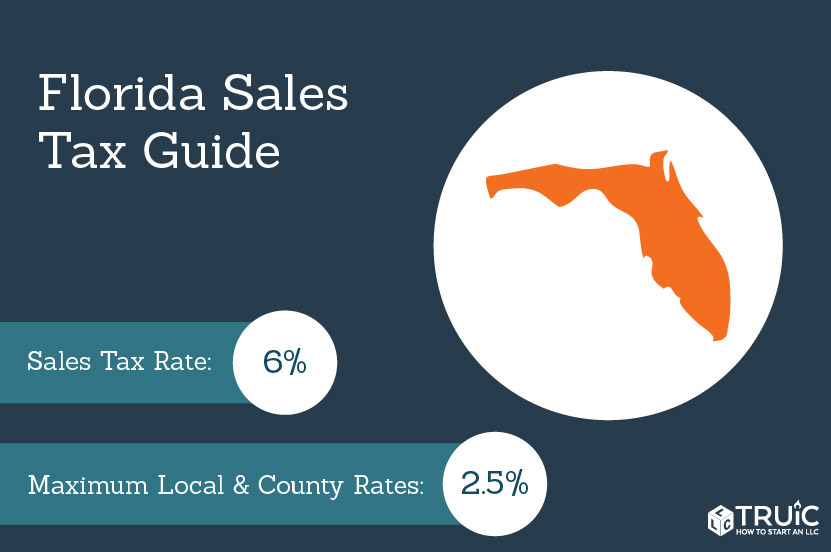
At the heart of the tax system in Orlando is the Florida state sales tax. Currently, the state levies a sales tax rate of 6% on most retail sales, leases, and rentals of tangible personal property, as well as on certain services. This 6% is a constant across all counties in Florida, setting a baseline for the taxes you’ll encounter. It applies to a vast array of items, from the souvenirs you buy at Walt Disney World Resort to the meals you enjoy at a restaurant along International Drive. For many visitors, especially those unfamiliar with Florida’s tax laws, this 6% is just the beginning of what they might pay in Orange County.
The Local Layer: Orange County’s Surtax
While the 6% state sales tax is uniform, local jurisdictions in Florida have the authority to impose a “discretionary sales surtax.” Orlando is located within Orange County, which has implemented its own surtax. As of the current period, Orange County’s discretionary sales surtax is 0.5%.
This means that for most taxable purchases made in Orlando and the greater Orange County area, the total sales tax rate is a combination of the state rate and the county surtax. Therefore, the effective sales tax rate for most goods and services in Orlando, Florida is 6.5% (6% state + 0.5% county). This seemingly small additional percentage can add up significantly over the course of a vacation, making it vital for tourists to factor it into their budget calculations for everything from clothing to theme park merchandise.
Beyond General Sales Tax: Orlando’s Tourist Development Tax
While the 6.5% sales tax applies broadly, Orlando introduces an additional tax specifically targeting tourists, known as the Tourist Development Tax (TDT). This tax is critically important for anyone planning their accommodation budget.
What is the Tourist Development Tax (TDT)?
The Tourist Development Tax, often referred to as a “bed tax” or “resort tax,” is an additional levy imposed on short-term rentals and accommodations. It is distinct from the general sales tax and is designed to generate revenue specifically for tourism-related infrastructure, marketing, and cultural facilities within the county. This tax plays a significant role in funding the very attractions and services that draw millions of visitors to Orlando each year, from convention centers to destination promotion campaigns.
Where the TDT Applies: Accommodations & Short-Term Rentals
In Orange County, the TDT applies to the rental of any living quarters or accommodations for a term of six months or less. This includes:
- Hotels: Standard hotel rooms, suites, and extended-stay properties.
- Motels: Similar to hotels, covering short-term stays.
- Resorts: Full-service resorts, often associated with major theme parks like Universal Orlando Resort or SeaWorld Orlando.
- Vacation Rentals: Homes, condos, or apartments rented through platforms like Airbnb or VRBO for short-term stays.
- Timeshares: If rented out for transient occupancy.
Essentially, if you’re staying anywhere in Orlando for your vacation, you will almost certainly encounter the TDT on your accommodation bill.
Calculating the Total Tax on Your Stay
The Tourist Development Tax rate in Orange County is 6%. This 6% is applied in addition to the standard 6.5% sales tax on the accommodation portion of your bill.
Therefore, when you book a hotel room or vacation rental in Orlando, you’re looking at a combined tax rate of:
- 6.5% General Sales Tax (6% state + 0.5% Orange County surtax)
- + 6% Tourist Development Tax
- = 12.5% Total Tax on Accommodation
This combined 12.5% can significantly increase the total cost of your stay, especially for longer vacations or more luxurious accommodations. For example, a hotel room costing $200 per night will incur an additional $25 in taxes, making the total $225 per night. Over a week-long stay, this adds up to an extra $175. Being aware of this combined rate allows tourists to accurately budget for their entire accommodation expense before they even arrive.
How Sales Tax Influences Your Orlando Travel Budget
Beyond accommodation, sales tax impacts virtually every aspect of a tourist’s spending in Orlando. Factoring this into your daily budget is essential for a stress-free trip.
Dining Experiences and Groceries
Dining out is a significant part of the Orlando experience, from character breakfasts to gourmet dinners. The 6.5% sales tax applies to all prepared food and beverages purchased at restaurants, cafes, bars, and fast-food establishments. When browsing menus, remember that the listed price doesn’t include this additional charge, nor does it typically include gratuity, which is also customary.
For those planning to cook some meals or stock up on snacks, the good news is that most essential groceries are exempt from sales tax in Florida. Unprepared food items like fresh produce, meats, dairy, and staple pantry goods purchased at supermarkets are generally not taxed. However, prepared foods, deli items intended for immediate consumption, and certain non-food items purchased at grocery stores (like paper towels or cleaning supplies) will still be subject to the 6.5% sales tax. Tourists planning self-catering stays in vacation rentals can save money by focusing on tax-exempt grocery purchases.
Shopping, Souvenirs, and Retail Therapy
Orlando is a shopping paradise, boasting everything from expansive outlet malls to unique boutiques within its theme parks. Whether you’re buying a new outfit, a collectible souvenir, or gifts for loved ones, the 6.5% sales tax will be added to the price tag of nearly all tangible goods. This includes items like clothing, electronics, toys, artwork, and even the iconic Mickey Mouse ears you might purchase at Magic Kingdom.
It’s crucial to remember that the price displayed on the shelf or tag typically excludes sales tax. Therefore, a $100 souvenir will actually cost you $106.50 at the register. Savvy shoppers will factor this into their budget, especially if they plan on making several significant purchases.
Theme Park Tickets and Attractions
Perhaps one of the most surprising applications of sales tax for many tourists is its inclusion on admission to attractions. While some services are exempt, admission fees to Orlando’s world-famous theme parks, water parks, museums, and other attractions are subject to the 6.5% sales tax.
This means that if a standard one-day ticket to Universal Orlando Resort is advertised at $109, the actual cost at checkout will be approximately $116.09. When planning for a family vacation involving multiple park days and various attractions, this additional percentage can significantly inflate the total expenditure on entertainment. Always check the final price before committing to tickets, as most online booking platforms will clearly display the tax breakdown.
Essential Tips for Tax-Savvy Tourism in Orlando
Navigating the sales and tourist development taxes in Orlando doesn’t have to be complicated. With a few practical tips, you can effectively manage your budget and enjoy your trip without financial surprises.
Budgeting for the “Hidden” Costs
The most crucial tip is to build tax into your initial vacation budget. Don’t just budget for the advertised prices of hotels, meals, and attractions. For accommodations, use the 12.5% combined tax rate (6.5% sales tax + 6% TDT). For most other purchases, use the 6.5% sales tax rate. A simple rule of thumb could be to add an extra 10-15% to your anticipated daily spending on goods and services, excluding tax-exempt groceries, to cover sales tax and potential gratuities. This proactive approach ensures you have a more realistic financial picture of your trip. Online budget planners and travel apps can also be helpful tools for keeping track of these accumulating costs.
Decoding Your Receipts
Always review your receipts, especially for larger purchases or accommodation bills. This allows you to verify that the correct tax rates have been applied and helps you track your spending accurately. Hotel bills, in particular, can have multiple line items, so ensuring the TDT and sales tax are correctly charged can prevent overpayments. Familiarizing yourself with how taxes appear on receipts can also help you quickly identify any discrepancies. If you have questions about a charge, don’t hesitate to ask a staff member for clarification.
Understanding Exemptions and Non-Taxable Items
While sales tax is widespread, there are a few key exemptions that tourists can leverage. As mentioned, most unprepared food items (groceries) are not taxed. Additionally, certain services that do not involve the transfer of tangible personal property are also exempt. For example, personal services like haircuts or medical consultations are generally not subject to sales tax. Public transportation fares also typically do not include sales tax. Being aware of these exceptions can help you make more tax-efficient purchasing decisions, especially for extended stays where grocery shopping might become a routine. However, it is always best to assume a purchase is taxable unless explicitly stated otherwise or confirmed by a reliable source.
LifeOutOfTheBox is a participant in the Amazon Services LLC Associates Program, an affiliate advertising program designed to provide a means for sites to earn advertising fees by advertising and linking to Amazon.com. Amazon, the Amazon logo, AmazonSupply, and the AmazonSupply logo are trademarks of Amazon.com, Inc. or its affiliates. As an Amazon Associate we earn affiliate commissions from qualifying purchases.