
Navigating the decision of whether to own or rent a car in a city as historically rich and densely populated as Boston requires a careful consideration of personal needs, lifestyle, and the unique urban landscape. While the allure of driving your own vehicle offers a sense of freedom and convenience, the realities of Boston’s transit system, parking challenges, and traffic congestion present a compelling argument for alternative transportation methods. This exploration delves into the multifaceted factors that influence car ownership in Boston, aiming to provide a comprehensive guide for residents and visitors alike.
The Case Against Car Ownership in Boston
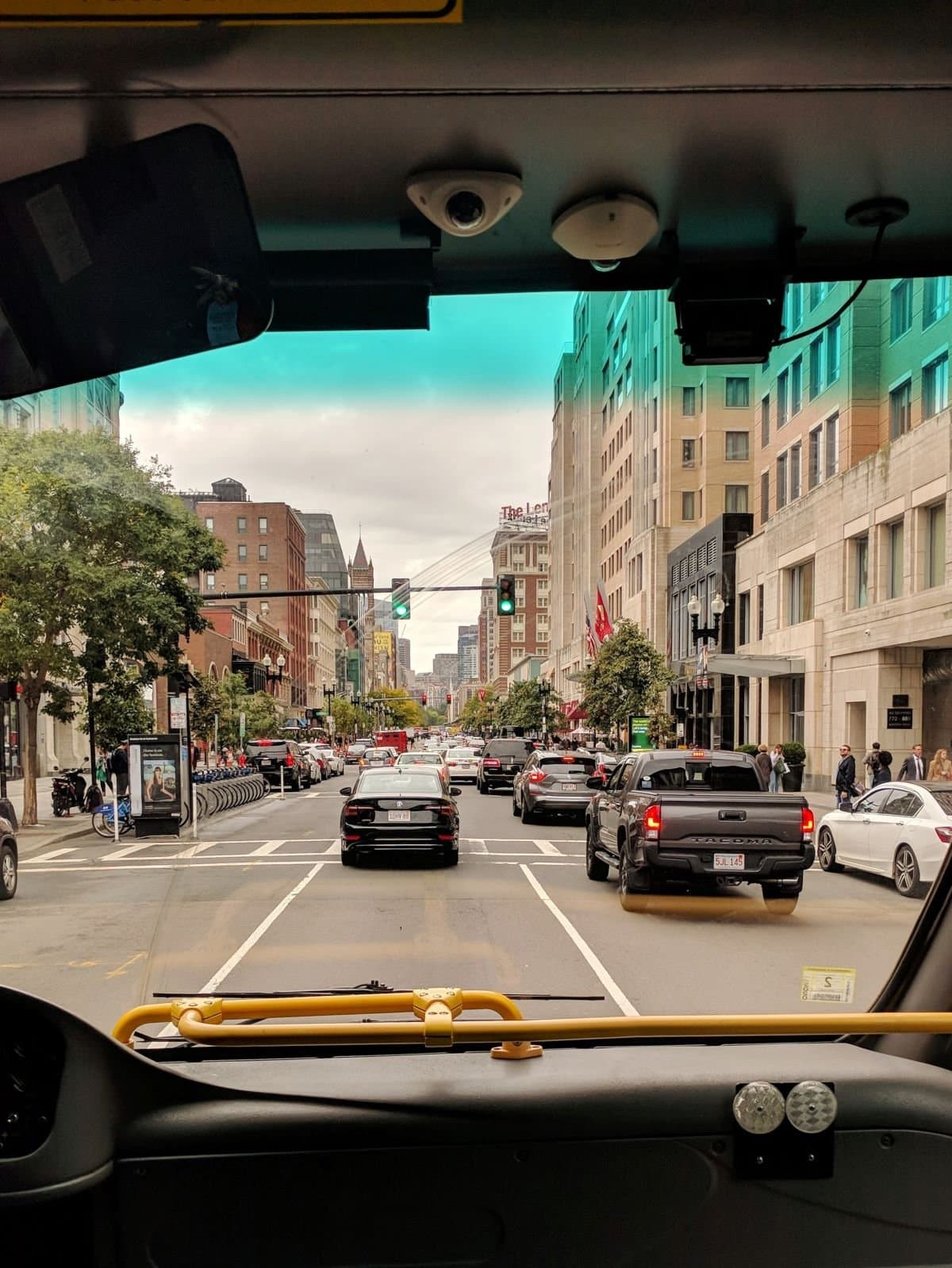
Boston is a city that was not built for the modern automobile. Its cobblestone streets, narrow lanes, and historic architecture speak to an era before cars dominated urban planning. This legacy, while charming, directly impacts the practicality of car ownership today.
Public Transportation Prowess: The MBTA
At the heart of Boston’s public transportation network is the Massachusetts Bay Transportation Authority, affectionately known as the MBTA or “the T.” This extensive system comprises subway lines (the “L” lines), commuter rail, buses, and ferries, connecting a vast network of neighborhoods and surrounding suburbs.
- Subway System: The rapid transit system is the backbone for many commuters, offering efficient travel across the city. The iconic Green Line with its streetcar-like extensions and the extensive Red Line that connects to Cambridge and Braintree are vital arteries. The Blue Line provides access to Logan International Airport and beyond, while the Orange Line offers a crucial north-south connection. The frequency of service on these lines, particularly during peak hours, often rivals or surpasses the time spent searching for parking and navigating traffic in a personal vehicle.
- Commuter Rail: For those living or working further afield in the Greater Boston area, the Commuter Rail provides a reliable and often stress-free option. Services run from major hubs like South Station and North Station to numerous towns and cities, offering a comfortable alternative to battling highway congestion.
- Bus Network: Complementing the rail lines, an extensive bus network fills the gaps, providing last-mile connectivity and serving areas not directly accessible by train. While buses can be subject to traffic delays, they significantly expand the reach of the MBTA.
- Ferries: For those residing in or visiting waterfront communities or islands like Nantucket or Martha’s Vineyard (though these are typically day trips or longer), the ferry system offers a scenic and practical mode of transport, often avoiding road traffic entirely.
The affordability of monthly passes and pay-per-ride options for the MBTA further strengthens the argument against car ownership. When compared to the cumulative costs of car payments, insurance, gas, maintenance, and especially parking, public transit emerges as a significantly more budget-friendly choice for daily commutes.
The Parking Predicament
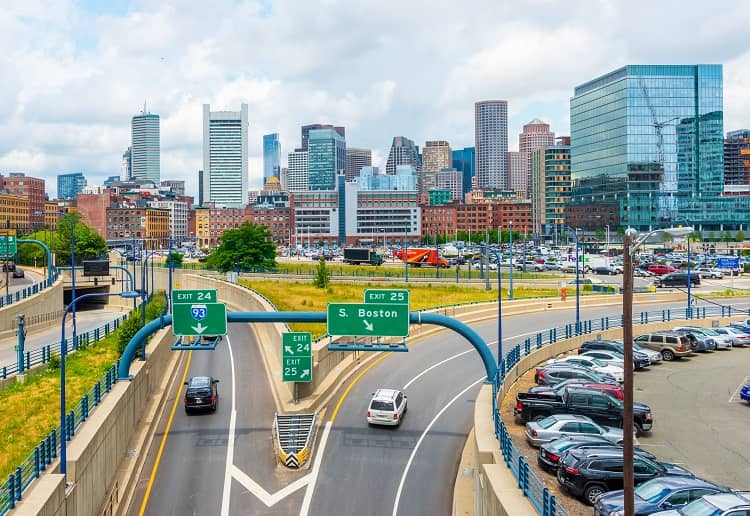
Parking in Boston is not merely an inconvenience; it is often a significant financial and logistical challenge.
- Scarcity and Cost: In popular neighborhoods such as the Back Bay, Beacon Hill, and the North End, street parking is exceptionally limited and often restricted by resident-only permits, time limits, or street cleaning schedules. Off-street parking garages are readily available but come with substantial hourly, daily, and monthly rates. Monthly parking fees in prime locations can easily exceed several hundred dollars, making it a prohibitive expense for many.
- Residential Permit Parking: Many residential areas have strict permit parking systems, meaning that if you don’t have a resident sticker for that zone, finding parking near your home can be a nightly ordeal, often involving circling blocks for extended periods or parking several streets away.
- Traffic and Maneuverability: Navigating narrow, one-way streets and dealing with Boston’s infamous traffic can make driving a stressful experience. The added task of finding and paying for parking only amplifies this stress.
Traffic Congestion: A Daily Battle
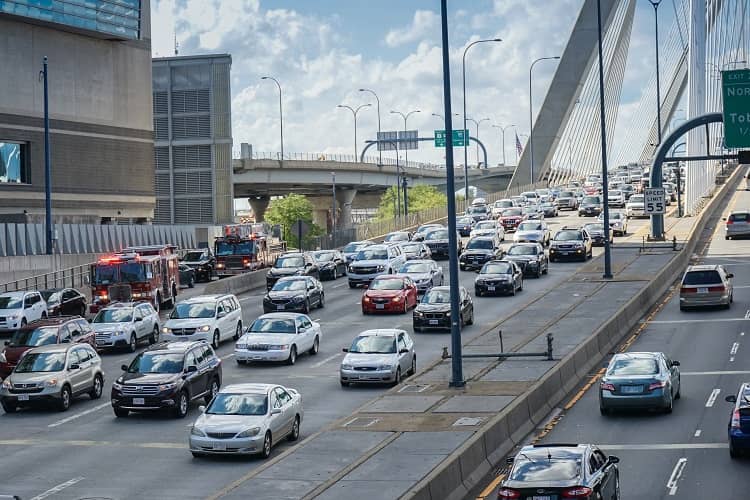
Boston is consistently ranked among cities with the worst traffic congestion in the United States. The combination of a historic road network that struggles to accommodate modern traffic volumes, frequent roadwork, and a high density of vehicles leads to prolonged commute times and significant frustration for drivers. Major arteries like Storrow Drive, Memorial Drive, and the Massachusetts Turnpike (I-90) can become parking lots during peak hours.
When a Car Might Still Be Necessary
Despite the strong case against it, there are specific circumstances where owning or regularly utilizing a car in Boston might be beneficial or even essential.
Suburban Living and Commuting
For individuals whose primary residence is in the outer suburbs of Boston, where public transportation options may be less frequent or comprehensive, a car can significantly improve commuting flexibility. While the Commuter Rail is a viable option for many, it requires proximity to a station and adherence to train schedules. If your work or daily activities extend beyond the immediate vicinity of a train line, a car offers greater autonomy.
Family Needs and Errands
Families with young children often find that a car offers unparalleled convenience for grocery shopping, transporting children to and from school or extracurricular activities, and managing household errands. While car-sharing services and ride-hailing apps can help, they may not always be practical for multiple stops or bulky purchases.
Frequent Day Trips and Weekend Getaways
Boston is an ideal base for exploring the wider New England region. If your lifestyle involves frequent weekend trips to the White Mountains of New Hampshire, the beaches of Cape Cod, or historical sites in states like Maine and Vermont, a car provides the necessary freedom and flexibility to explore at your own pace. Public transportation to many of these destinations can be time-consuming and may require multiple transfers.
Specialized Transportation Needs
For individuals with specific mobility challenges or those who regularly transport large or specialized equipment, owning a car equipped to meet those needs might be a practical necessity.
Alternatives to Car Ownership
For those who find themselves in Boston without a car, a robust ecosystem of alternative transportation solutions exists, often making car ownership redundant.
Ride-Sharing and Taxis
Services like Uber and Lyft are ubiquitous in Boston, offering on-demand transportation for getting around the city and to and from the airport. Traditional taxis are also readily available. While these services can be more expensive than public transit for daily commutes, they provide a convenient door-to-door option for occasional trips, late-night travel, or when carrying heavy items.
Car-Sharing Services
Companies like Zipcar have a significant presence in Boston, offering a practical solution for those who need a car for occasional use. Members can reserve vehicles by the hour or day, with convenient pickup locations throughout the city. This model allows access to a car without the financial and logistical burdens of ownership.
Bike Share Programs
With improving infrastructure and a growing cycling culture, bike share programs offer an eco-friendly and often efficient way to navigate shorter distances within the city. They are particularly useful for connecting with MBTA stations or for exploring neighborhoods like Cambridge or the South End.
Making the Decision
Ultimately, the decision of whether you need a car in Boston hinges on a personalized assessment of your daily routines, financial situation, and lifestyle preferences. For many who live and work within the city and can leverage the extensive public transportation network, the answer is likely no. The cost savings, reduced stress from traffic and parking, and environmental benefits of foregoing car ownership are substantial.
However, for those who reside in less accessible areas, have specific family needs, or frequently venture out for weekend adventures in surrounding regions, a car may still hold its appeal. The key is to thoroughly evaluate the alternatives and weigh them against the true cost and complexity of owning and operating a vehicle in this vibrant, historic, and often challenging urban environment. By understanding the strengths of Boston’s public transit and the drawbacks of driving, individuals can make an informed choice that best suits their life in the city.
LifeOutOfTheBox is a participant in the Amazon Services LLC Associates Program, an affiliate advertising program designed to provide a means for sites to earn advertising fees by advertising and linking to Amazon.com. Amazon, the Amazon logo, AmazonSupply, and the AmazonSupply logo are trademarks of Amazon.com, Inc. or its affiliates. As an Amazon Associate we earn affiliate commissions from qualifying purchases.