
Orlando, a city synonymous with magic, theme parks, and sunshine, welcomes millions of visitors each year. As travelers plan their itineraries, from securing the perfect stay at a Walt Disney World Resort hotel to experiencing the thrills of Universal Orlando Resort, a fundamental question often arises: “Is Orlando tap water safe to drink?” This concern is not unique to Orlando; it’s a common consideration for travelers exploring new destinations. Understanding the safety and quality of local water sources is crucial for a comfortable and healthy travel experience.
The good news for those visiting the City Beautiful is that Orlando tap water is generally considered safe and of high quality. The city’s water supply is meticulously managed by the Orlando Utilities Commission (OUC) and the City of Orlando Public Works Department, which adhere to stringent federal and state regulations to ensure public health. These organizations are responsible for sourcing, treating, and distributing water that meets or exceeds the U.S. Environmental Protection Agency’s (EPA) drinking water standards.

Understanding Orlando’s Water Source and Treatment
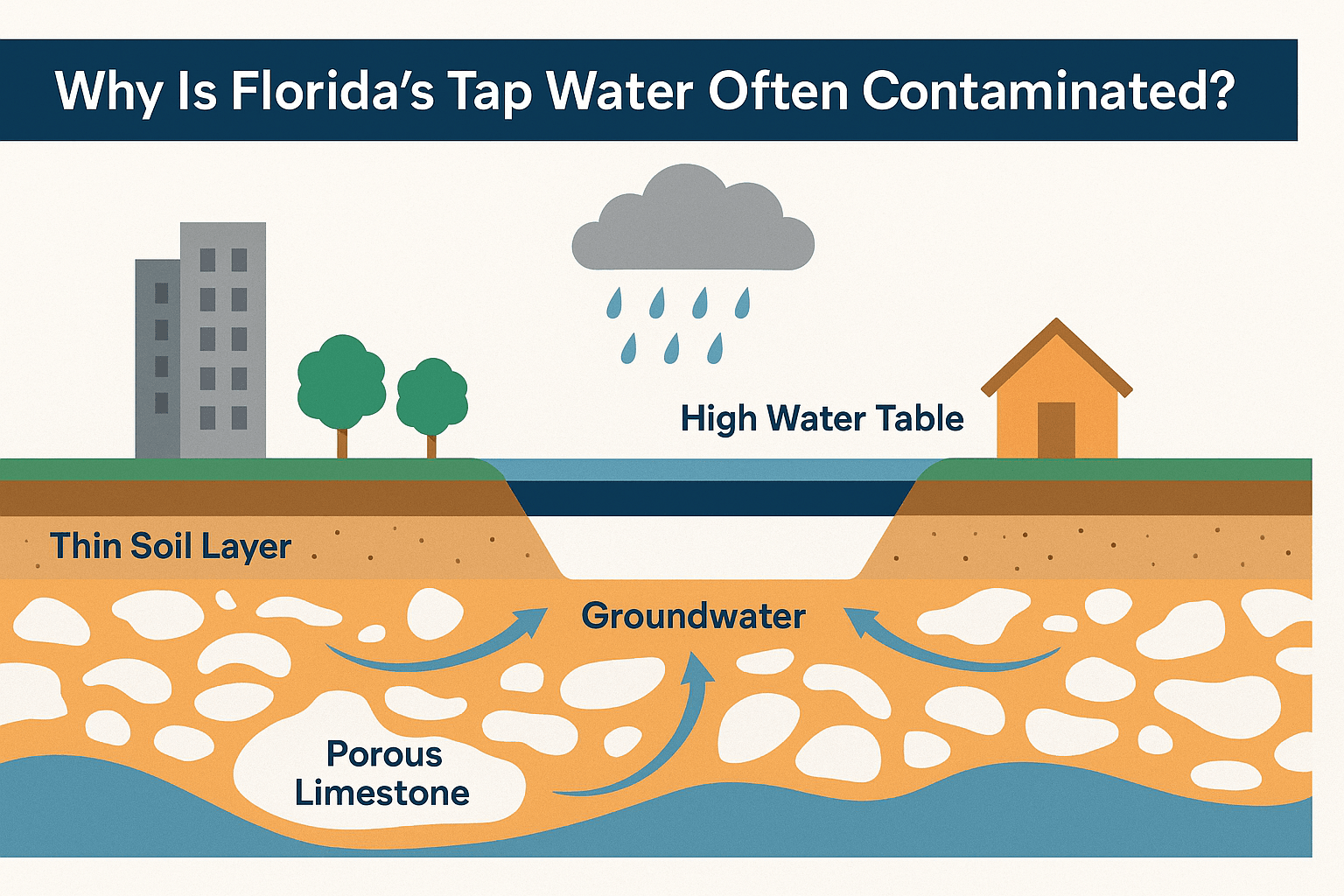
Orlando’s primary source of drinking water comes from a vast underground aquifer system known as the Floridan Aquifer. This massive aquifer is a critical natural resource for the state of Florida, providing millions of gallons of fresh, clean water daily. The water drawn from the Floridan Aquifer is naturally filtered through layers of sand, clay, and rock, which helps to remove many impurities.
However, even naturally filtered water undergoes a comprehensive treatment process before it reaches the taps in homes, hotels, and attractions across Orlando. This multi-stage process is designed to eliminate any remaining contaminants and ensure the water is safe for consumption.
The Treatment Process
The treatment of water in Orlando typically involves several key steps:
- Aeration: Water is exposed to air to remove dissolved gases and oxidize iron and manganese, which can cause discoloration and taste issues.
- Coagulation and Flocculation: Chemicals are added to the water to cause small suspended particles to clump together, forming larger, heavier particles called “floc.”
- Sedimentation: The floc settles to the bottom of large tanks, allowing for its removal.
- Filtration: The water is then passed through various filtration layers, such as sand and gravel, to remove any remaining suspended solids.
- Disinfection: This is a critical step to kill any remaining harmful bacteria, viruses, and other microorganisms. Common disinfection methods include chlorination and, in some cases, the use of ozone or ultraviolet (UV) light. Chlorine is widely used due to its effectiveness and its ability to provide residual disinfection as the water travels through the distribution system.
- pH Adjustment: The pH of the water is adjusted to prevent corrosion of pipes within the distribution system and to ensure the water is not acidic or overly alkaline.
These steps, performed under strict laboratory supervision, ensure that the water supplied to Orlando residents and visitors is not only safe but also palatable.
Quality Monitoring and Regulations
The safety of Orlando tap water is not a matter of chance; it is actively maintained through continuous monitoring and adherence to strict regulations. Both the Orlando Utilities Commission and the City of Orlando Public Works Department conduct regular testing of the water at various points in the treatment process and throughout the distribution network.
These tests check for a wide range of potential contaminants, including:
- Microbiological contaminants: Such as bacteria and viruses.
- Disinfection byproducts: Formed when disinfectants react with organic matter.
- Inorganic contaminants: Including metals like lead and copper, and minerals like arsenic and nitrates.
- Organic chemicals: From industrial processes and petroleum production.
- Radionuclides: Naturally occurring radioactive elements.
The results of these tests are compared against the Maximum Contaminant Levels (MCLs) set by the EPA. The EPA’s Safe Drinking Water Act (SDWA) establishes legally enforceable standards for drinking water quality. In Florida, the Department of Environmental Protection (FDEP) also plays a role in overseeing water quality and ensuring compliance with state and federal regulations.
Consumer Confidence Reports
Water utilities are required to provide their customers with an annual water quality report, often referred to as a Consumer Confidence Report (CCR). These reports detail the source of the water, the treatment process, and the results of water quality testing for the past year. Travelers can often find these reports on the OUC or City of Orlando websites, providing transparency and detailed information about the water they are drinking.
Potential Concerns and Traveler Considerations
While Orlando tap water is safe, like any municipal water system, there can be occasional localized issues or factors that influence taste and perception.
Chlorine Taste
One common observation about tap water, especially after it has been disinfected with chlorine, is a slight chlorine taste or smell. This is a sign that the disinfection process is working effectively. For individuals sensitive to the taste of chlorine, letting the water sit in an open container for a few minutes can allow the chlorine to dissipate, improving the flavor. Alternatively, using a water filter pitcher at your hotel or rental can also remove chlorine and other trace elements that may affect taste.
Aging Infrastructure
While Orlando maintains its water infrastructure, like any growing city, some older sections may have aging pipes. In rare cases, older plumbing, particularly lead pipes (though less common in newer construction and commercial buildings), can leach metals into the water. However, water utilities actively monitor for these issues, and Orlando has a proactive lead and copper corrosion control program in place. If you are staying in a very old rental property and have specific concerns, it’s always an option to use bottled water or a filter.
Bottled Water vs. Tap Water
The widespread availability of bottled water in Orlando can sometimes lead travelers to opt for it automatically. While bottled water is also safe, it comes with significant environmental and financial costs. Producing and transporting plastic bottles generates substantial greenhouse gas emissions and contributes to plastic waste. For the vast majority of visitors, drinking tap water is a perfectly safe, environmentally responsible, and cost-effective choice. Many hotels and attractions provide water refill stations, encouraging the use of reusable water bottles, a practice that aligns with sustainable tourism.

Conclusion: Drink Up, Orlando!
For travelers planning a visit to Orlando, the question of tap water safety can be definitively answered with a resounding “yes.” The city’s commitment to robust water treatment processes, continuous quality monitoring, and adherence to stringent regulations ensures that the water flowing from your faucet is safe, healthy, and refreshing. Whether you’re enjoying a day at SeaWorld Orlando, exploring ICON Park, or relaxing at your resort, you can confidently quench your thirst with Orlando’s tap water. Embracing tap water not only contributes to a more sustainable travel experience but also allows you to fully immerse yourself in the vibrant energy of Orlando without a second thought about your hydration.
LifeOutOfTheBox is a participant in the Amazon Services LLC Associates Program, an affiliate advertising program designed to provide a means for sites to earn advertising fees by advertising and linking to Amazon.com. Amazon, the Amazon logo, AmazonSupply, and the AmazonSupply logo are trademarks of Amazon.com, Inc. or its affiliates. As an Amazon Associate we earn affiliate commissions from qualifying purchases.