
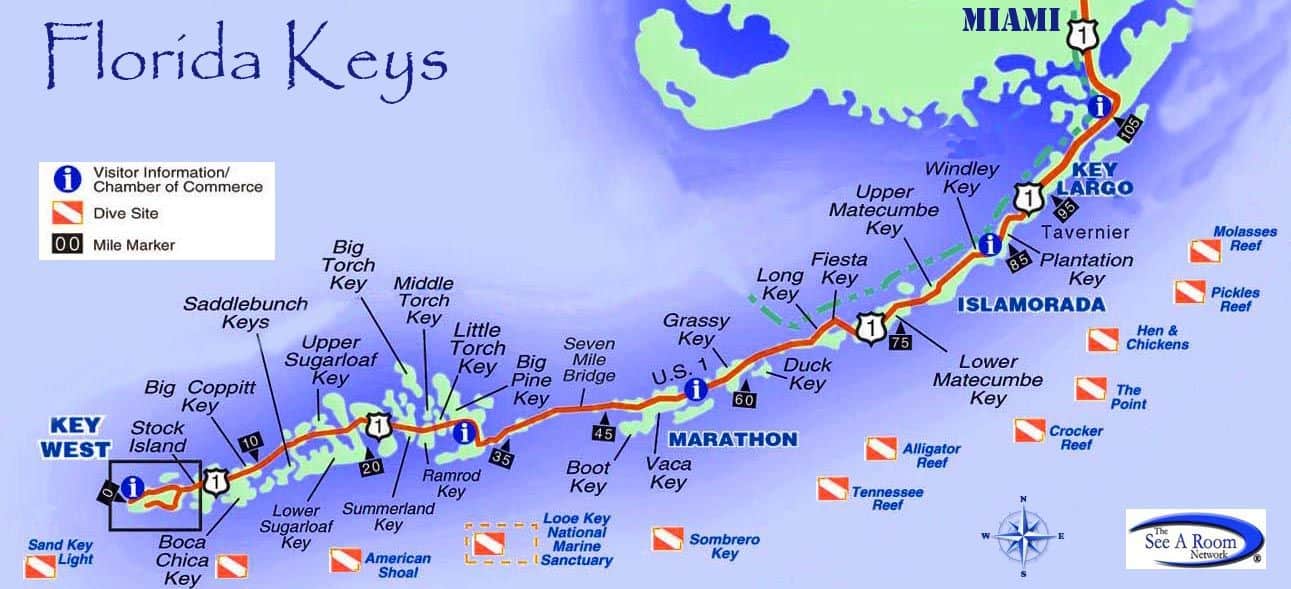
Key Largo serves as the majestic front door to the Florida Keys, a string of coral islands that stretch southwesterly from the southern tip of Florida. Geographically, it is the northernmost island of the archipelago, making it the first major stop for travelers descending from the mainland of the United States. Situated in Monroe County, this island is uniquely positioned between the watery wilderness of Everglades National Park to the west and the vibrant coral reefs of the Atlantic Ocean to the east. For anyone planning a journey through the Sunshine State, understanding the specific location and travel dynamics of this destination is essential, as it sets the tone for the entire tropical experience of the region.

The Geographical Gateway: Mapping the Location
To pinpoint the location of Key Largo, one must look to the southeastern coast of the Florida peninsula. It begins just south of Biscayne National Park and extends approximately 33 miles. It is notably the longest island in the chain, providing a sprawling landscape of mangrove forests, tropical hardwoods, and marine sanctuaries.
Proximity to Major Urban Hubs
One of the primary reasons for the popularity of Key Largo is its accessibility. It is located roughly 60 miles south of Miami, making it an easy day trip or a convenient starting point for a longer vacation. Travelers typically arrive from Miami International Airport or Fort Lauderdale-Hollywood International Airport, driving through the transitional landscapes of Homestead and Florida City before the mainland gives way to the sea.
The island is connected to the mainland by two primary routes. The most common is the Overseas Highway, also known as US Route 1. This iconic road serves as the lifeline of the islands, stretching all the way to Key West. Alternatively, travelers can take Card Sound Road, a more scenic and rural path that crosses the Card Sound Bridge and leads visitors past the famous Alabama Jacks waterfront eatery before merging back into the main highway.
The Mile Marker System
Understanding the location of attractions within Key Largo requires a basic knowledge of the Mile Marker (MM) system. Because the island is long and narrow, residents and businesses use these small green signs along the Overseas Highway as their primary addresses. Key Largo roughly spans from MM 107, where the 18 Mile Stretch ends, down to MM 90, where the community of Tavernier begins. This linear geography makes navigation incredibly simple for tourists; you are either going “Bayside” (toward the Gulf of Mexico) or “Oceanside” (toward the Atlantic Ocean).
Natural Wonders and Marine Landscapes
The specific location of Key Largo is what defines its reputation as the “Diving Capital of the World.” Because it sits on the edge of the only living coral barrier reef in continental North America, the island offers unparalleled access to underwater ecosystems.
John Pennekamp Coral Reef State Park
Located at MM 102.5, John Pennekamp Coral Reef State Park was the first underwater park in the United States. Its location is strategic, protecting approximately 70 nautical square miles of coral reefs, seagrass beds, and mangrove swamps. Visitors flock here to see the iconic Christ of the Abyss, a 4,000-pound bronze statue submerged in about 25 feet of water. The park serves as a primary hub for snorkeling tours, glass-bottom boat excursions, and kayaking through winding mangrove trails, providing an immersive look at the island’s aquatic geography.
The Florida Keys National Marine Sanctuary
Surrounding the island is the Florida Keys National Marine Sanctuary, which encompasses the waters surrounding the entire archipelago. In the Key Largo area, this sanctuary includes world-renowned dive sites such as Molasses Reef and the French Reef. The location of these reefs on the outer edge of the island chain means they are bathed in the clear, warm waters of the Gulf Stream, which supports an incredible diversity of marine life, from sea turtles to eagle rays.
For those interested in wreck diving, the island’s location is also home to the USS Spiegel Grove, a massive retired Navy ship that was intentionally scuttled to create an artificial reef. This site has become one of the most famous technical diving locations in the Upper Keys, situated several miles offshore in the deep blue of the Atlantic Ocean.

Navigating the Island’s Iconic Attractions
Beyond the water, the terrestrial location of Key Largo offers a blend of historical charm and ecological preservation. The island’s layout allows for a variety of “stop-and-see” destinations that are easily accessible from the main artery of US Route 1.
Botanical Preservation and Wildlife
Near the northern end of the island lies the Dagny Johnson Key Largo Hammock Botanical State Park. This park is home to one of the largest tracts of West Indian tropical hardwood hammock in the United States. Its location is a testament to the island’s original landscape before development, featuring over 84 protected species of plants and animals. Walking through its shaded trails provides a stark contrast to the sun-drenched beaches found further south in the Florida Keys.
For wildlife enthusiasts, the Florida Keys Wild Bird Rehabilitation Center at MM 93.6 is a must-visit. Its location on the bayside allows visitors to walk through a series of boardwalks and enclosures where injured hawks, pelicans, and owls are cared for. It provides a quiet, educational respite that highlights the delicate balance of the island’s ecosystem.
Maritime History and Cinema
The location of Key Largo is also immortalized in Hollywood history. While the famous Humphrey Bogart film titled “Key Largo” was mostly shot on a soundstage in California, the island has fully embraced its cinematic connection. At the Holiday Inn Key Largo docks, travelers can find the original African Queen steamboat used in the 1951 film of the same name. This historical vessel is still operational, offering canal cruises that allow tourists to experience the maritime heritage of the island firsthand.
Travel Logistics: Getting To and Around Key Largo
Planning a trip to Key Largo involves more than just knowing its coordinates; it requires understanding the logistics of the South Florida corridor. Because it is the first of the keys, it is the most frequent destination for weekenders from Miami and Fort Lauderdale.
Driving and Transportation
The drive from Miami International Airport typically takes between an hour and 90 minutes, depending on traffic. The route takes you south on the Florida Turnpike until it ends in Florida City. From there, the transition onto the Overseas Highway is seamless.
For those who prefer not to drive, there are shuttle services such as the Keys Shuttle that provide transport from the airports directly to various points on the island. Once on Key Largo, many visitors choose to rent bicycles or use local taxi services, though having a car is generally recommended for those who want to explore the full 33-mile length of the island or venture further south to Islamorada and Marathon.
Proximity to the Everglades
One of the often-overlooked benefits of Key Largo’s location is its proximity to the mainland portion of Everglades National Park. The main entrance to the park in Homestead is only a short drive back north. However, many tour operators in Key Largo offer eco-tours that depart directly from the island’s bayside, taking travelers into the “backcountry” waters where the Everglades meet Florida Bay. This unique intersection of ecosystems is one of the few places in the world where you can see both alligators and crocodiles in the same habitat.
Seasonal Considerations for Travelers
The location of Key Largo in the subtropics means that its climate is a major factor in travel planning. While it remains warm year-round, the winter months (December through April) are the peak travel season due to the mild, dry weather. During this time, the island is a haven for “snowbirds” fleeing the cold northern climates. The summer months offer calmer seas—ideal for diving and fishing—but come with higher humidity and the potential for tropical storms. Regardless of the season, the island’s position ensures that the cooling ocean breezes are almost always present, making it a premier destination for those seeking a tropical escape without leaving the United States.
By understanding exactly where Key Largo is located—at the crossroads of the mainland and the deep blue sea—travelers can better appreciate the unique role it plays as the gateway to one of the world’s most beautiful island chains. Whether you are coming for the world-class diving at John Pennekamp Coral Reef State Park or simply passing through on your way to Key West, this island offers a rich introduction to the culture, history, and natural beauty of the Florida Keys.
LifeOutOfTheBox is a participant in the Amazon Services LLC Associates Program, an affiliate advertising program designed to provide a means for sites to earn advertising fees by advertising and linking to Amazon.com. Amazon, the Amazon logo, AmazonSupply, and the AmazonSupply logo are trademarks of Amazon.com, Inc. or its affiliates. As an Amazon Associate we earn affiliate commissions from qualifying purchases.