
Navigating the vibrant real estate market of Florida is a central component of achieving the ultimate United States lifestyle. Whether you are seeking a high-rise luxury condo in Miami, a sprawling family estate in Jacksonville, or a quiet retreat near the Gulf of Mexico, understanding the financial mechanics of a property transaction is essential. One of the most frequently asked questions for those looking to establish a long-term stay or a permanent residence in the state is: who pays the realtor commission?
Historically, the answer was straightforward, but recent industry-wide changes have introduced new nuances. For decades, the Florida real estate market followed a traditional model where the seller was responsible for paying the commissions for both their own listing agent and the buyer’s agent. However, as the lifestyle landscape evolves and new regulations take effect, both buyers and sellers must stay informed to navigate these professional waters effectively.
The Traditional Model and Current Industry Standards
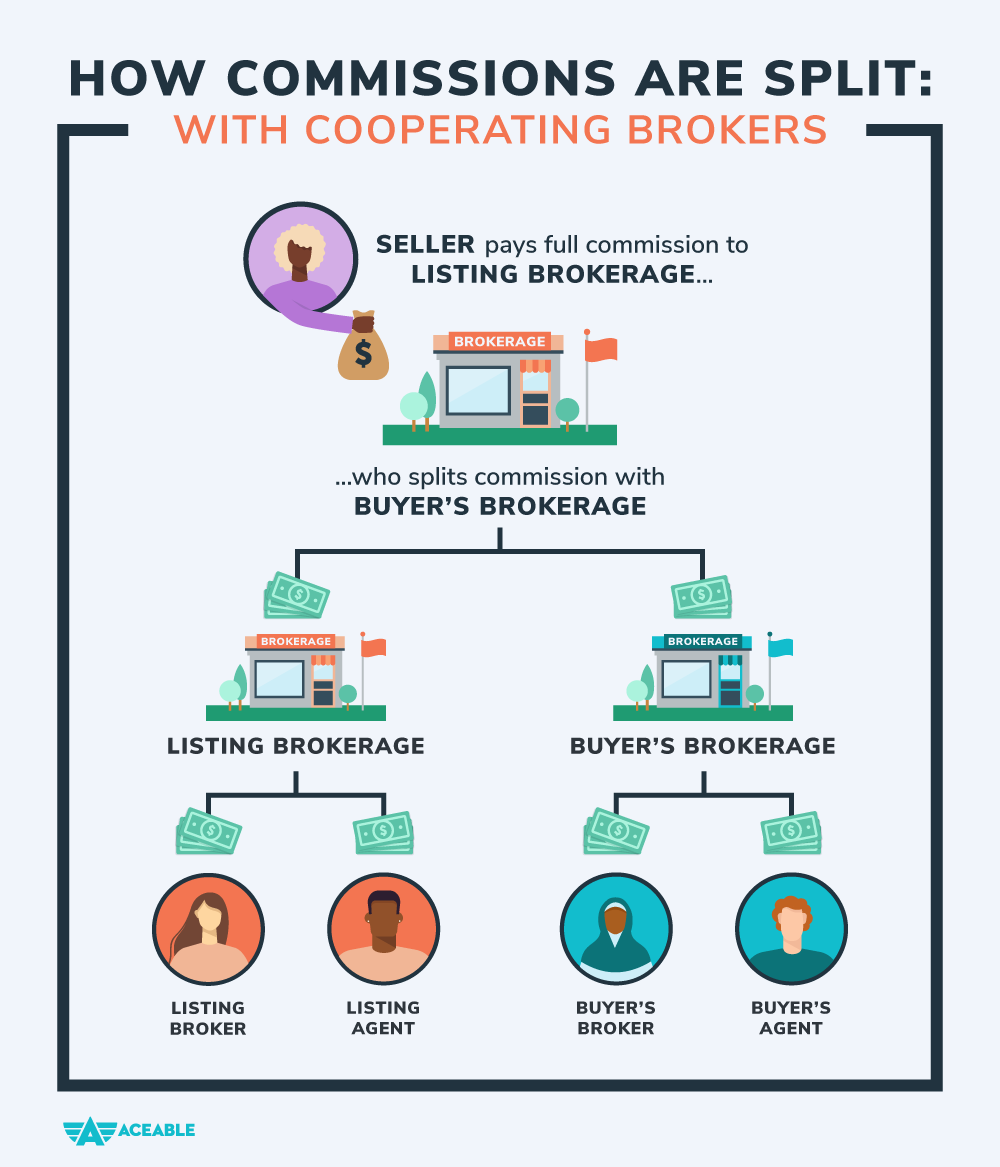
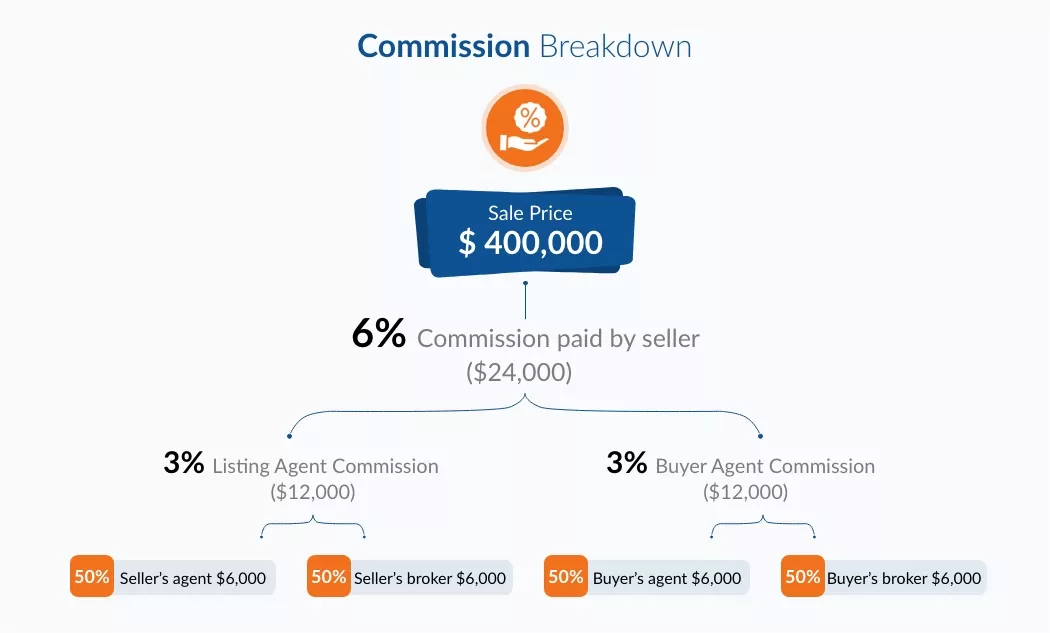
In the classic Florida real estate transaction, the commission has traditionally been viewed as a seller’s expense. When a homeowner decides to list their property in cities like Tampa or Orlando, they typically enter into a listing agreement with a real estate brokerage. This agreement specifies a total commission percentage—often ranging between 5% and 6% of the final sale price.
Under this traditional framework, the seller’s broker would then offer a portion of that commission (usually half) to any buyer’s agent who brought a qualified purchaser to the table. This system was designed to incentivize agents to show the property to as many potential buyers as possible, ensuring the seller received the best possible exposure. For a family planning a move to Fort Lauderdale or a business professional seeking a pied-à-terre in Tallahassee, this meant that the cost of professional representation was effectively baked into the home’s purchase price rather than being an out-of-pocket expense at closing.
Why Sellers Historically Covered the Bill
The logic behind the seller paying both commissions was rooted in marketing efficiency. By offering a competitive commission to buyer’s agents, sellers ensured their homes were prioritized by professionals working with active buyers. In competitive markets like St. Petersburg or Sarasota, this practice helped maintain a fluid market where properties could change hands relatively quickly. From a lifestyle perspective, this allowed buyers to focus their liquid capital on down payments and moving costs rather than agent fees.
The Negotiable Nature of Fees
It is a common misconception that real estate commissions in the United States are fixed by law. In reality, these fees have always been negotiable. In the luxury markets of Boca Raton and Palm Beach, where transaction volumes are high and price points are elevated, savvy sellers often negotiate tiered commission structures or flat fees depending on the level of service and marketing exposure required.
The Impact of the National Association of Realtors Settlement
The landscape of real estate commissions underwent a seismic shift in 2024 following a landmark legal settlement involving the National Association of Realtors. This settlement has fundamentally changed how commissions are communicated and potentially how they are paid in Florida and across the country.
The most significant change is the removal of commission offers from the Multiple Listing Service (MLS). Previously, a buyer’s agent in Naples could look at an MLS listing and see exactly what the seller was offering as a “cooperative commission.” Now, that information is no longer allowed to be displayed on the MLS. This change aims to promote transparency and prevent agents from “steering” clients toward properties with higher commission payouts.
Mandatory Buyer Representation Agreements
As a result of these changes, buyers in Florida are now required to sign a written representation agreement with their agent before touring properties. This agreement must clearly outline the services the agent will provide and the specific compensation they expect to receive. If the seller of a home in Coral Gables or Destin chooses not to offer a commission to the buyer’s agent, the buyer may now be responsible for paying their agent’s fee directly.
The New Negotiation Dynamic
While the seller can still choose to pay the buyer’s agent commission as a “seller concession,” it is no longer a given. This creates a new layer of negotiation during the offer process. A buyer interested in a luxury villa in Key West might submit an offer that is contingent upon the seller covering the buyer’s agent fee. Alternatively, the buyer might offer a lower purchase price to offset the cost of paying their agent themselves. This shift brings the Florida market closer to a “consultant” model, where the value of professional advice is explicitly priced and discussed.
Regional Variations and Luxury Market Dynamics
The question of who pays commission can also be influenced by the specific lifestyle niche of the property. Florida is a diverse state with vastly different real estate cultures depending on the region.
The Luxury High-End Niche
In the high-octane luxury markets of Miami Beach and Jupiter, the complexity of the transactions often justifies traditional commission structures. High-end lifestyle properties require extensive global marketing, professional cinematography, and international networking. In these cases, sellers often remain willing to pay full commissions to ensure their property is positioned correctly in front of ultra-high-net-worth individuals who may be relocating from places like New York City or London.
The Vacation and Short-Term Stay Market
In areas dominated by tourism and short-term stays, such as Kissimmee or Clearwater, the commission structure might be influenced by the property’s income-generating potential. Investors looking for “lifestyle” properties that double as vacation rentals often work with specialized agents who understand the nuances of the Disney World area or the coastal rental regulations. In these investment-heavy markets, commission negotiations are often viewed through the lens of Return on Investment (ROI), and both parties may be more flexible in how fees are structured to facilitate a quick close.
Emerging Trends in Rural and Suburban Florida
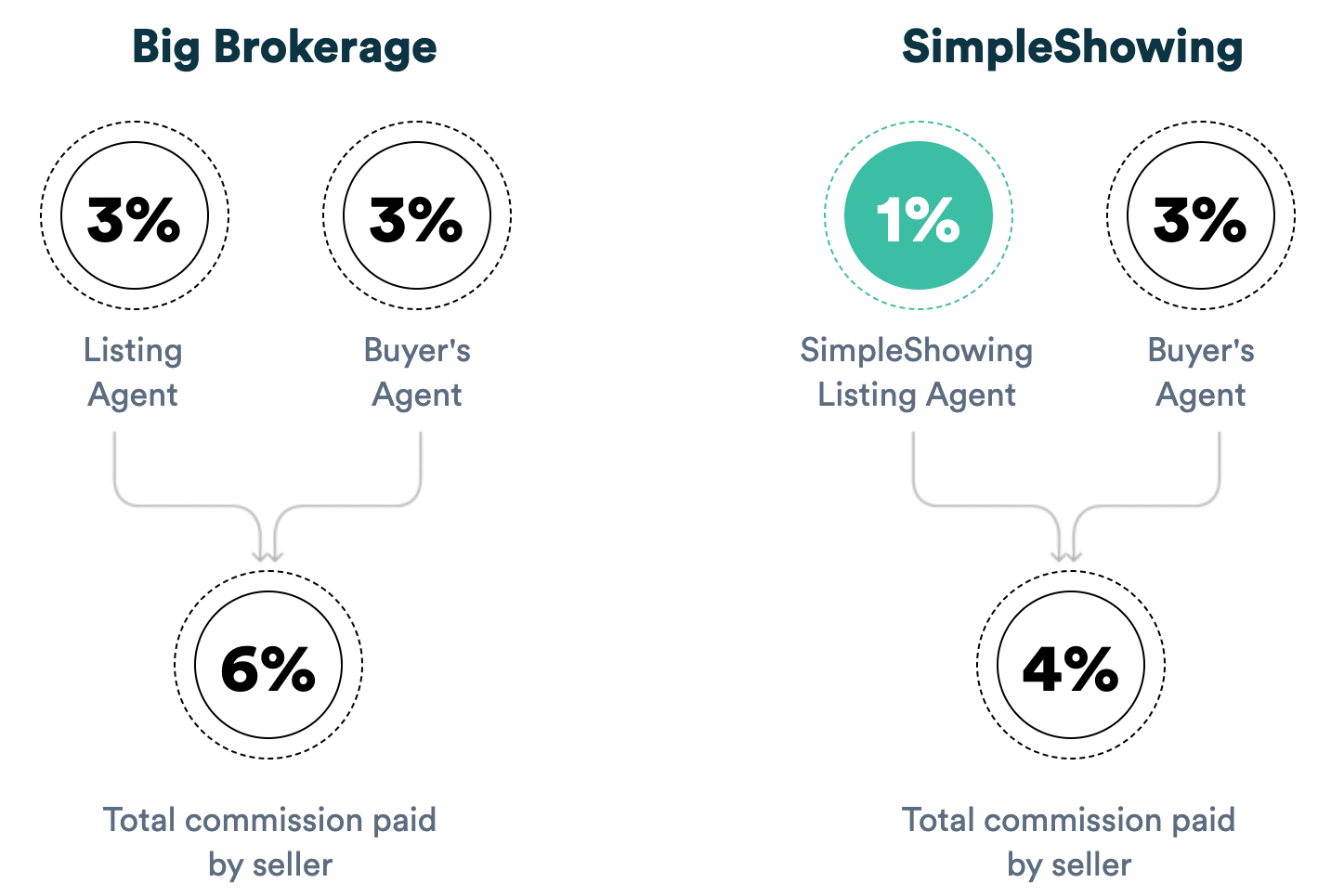
In the growing suburban areas around Gainesville or Ocala, we are seeing an increase in alternative brokerage models. Some companies offer flat-fee listings or “limited service” options. These are particularly popular with sellers who are comfortable managing aspects of the lifestyle sale themselves, such as hosting open houses or coordinating with photographers, in exchange for a lower overall commission payout.
Navigating the Financials of Closing
Beyond the commission, the lifestyle of moving to Florida involves various other closing costs that both buyers and sellers should anticipate. While the commission is the largest single fee, it is part of a broader financial picture.
Seller’s Closing Costs
In addition to the realtor commission, sellers in the Sunshine State are typically responsible for:
- Documentary Stamp Tax on Deeds: A tax paid to the state of Florida based on the sale price.
- Title Insurance (Owner’s Policy): In many Florida counties, it is customary for the seller to pay for the buyer’s title insurance policy, though this varies by local custom.
- Lien Search Fees: To ensure the property is clear of any encumbrances.
- Recording Fees: To officially register the transfer of the property.
Buyer’s Closing Costs
Buyers looking to settle into a new lifestyle in Winter Park or West Palm Beach must budget for:
- Loan Origination Fees: Costs associated with securing a mortgage.
- Appraisal Fees: To verify the home’s value for the lender.
- Home Inspections: A critical step to ensure the property meets the standards of a long-term stay.
- Intangible Tax and Note Tax: Taxes associated with the mortgage itself.
Understanding these costs in conjunction with the realtor commission is vital for accurate financial planning. For instance, if a buyer in Pensacola is now expected to pay their agent’s 2.5% or 3% commission, they must ensure they have the necessary liquidity alongside their down payment.
Strategic Advice for Buyers and Sellers
As the Florida lifestyle continues to attract people from across the globe, the way we handle real estate professional fees will continue to adapt. Whether you are a buyer or a seller, transparency and communication are your best tools.
For Sellers: Positioning Your Property
If you are selling a lifestyle property in Delray Beach, consider the competitive advantage of offering a seller concession to cover the buyer’s agent fee. By doing so, you make your home more accessible to buyers who might be cash-strapped after saving for a down payment. This can lead to more offers and a higher final sale price, often offsetting the cost of the commission itself.
For Buyers: Demonstrating Value
When looking for a home in Cape Coral or Hollywood, interview your agent thoroughly. Since you may be the one paying their fee, ensure they bring significant value to the table. A great agent doesn’t just find listings; they provide deep insights into local neighborhoods, schools, transit, and the long-term lifestyle prospects of a specific area. They are also expert negotiators who can often save you more on the purchase price than the cost of their commission.
The Role of Professionalism
Regardless of who pays, the presence of professional real estate agents remains a cornerstone of the Florida real estate experience. The complexities of Florida law, environmental considerations like flood zones in Miami, and the nuances of various homeowners’ associations (HOAs) make expert guidance invaluable. In the pursuit of a luxury lifestyle or a perfect family retreat, the peace of mind provided by a skilled professional is often well worth the investment.
In conclusion, while the traditional “seller pays all” model is no longer the absolute rule in Florida, it remains a common and negotiable practice. The recent industry shifts have placed more power—and responsibility—in the hands of both parties to define what professional representation is worth. As you look to make your mark in the Florida real estate market, staying informed on these commission structures will ensure your transition to the Florida lifestyle is as smooth and cost-effective as possible.
LifeOutOfTheBox is a participant in the Amazon Services LLC Associates Program, an affiliate advertising program designed to provide a means for sites to earn advertising fees by advertising and linking to Amazon.com. Amazon, the Amazon logo, AmazonSupply, and the AmazonSupply logo are trademarks of Amazon.com, Inc. or its affiliates. As an Amazon Associate we earn affiliate commissions from qualifying purchases.