
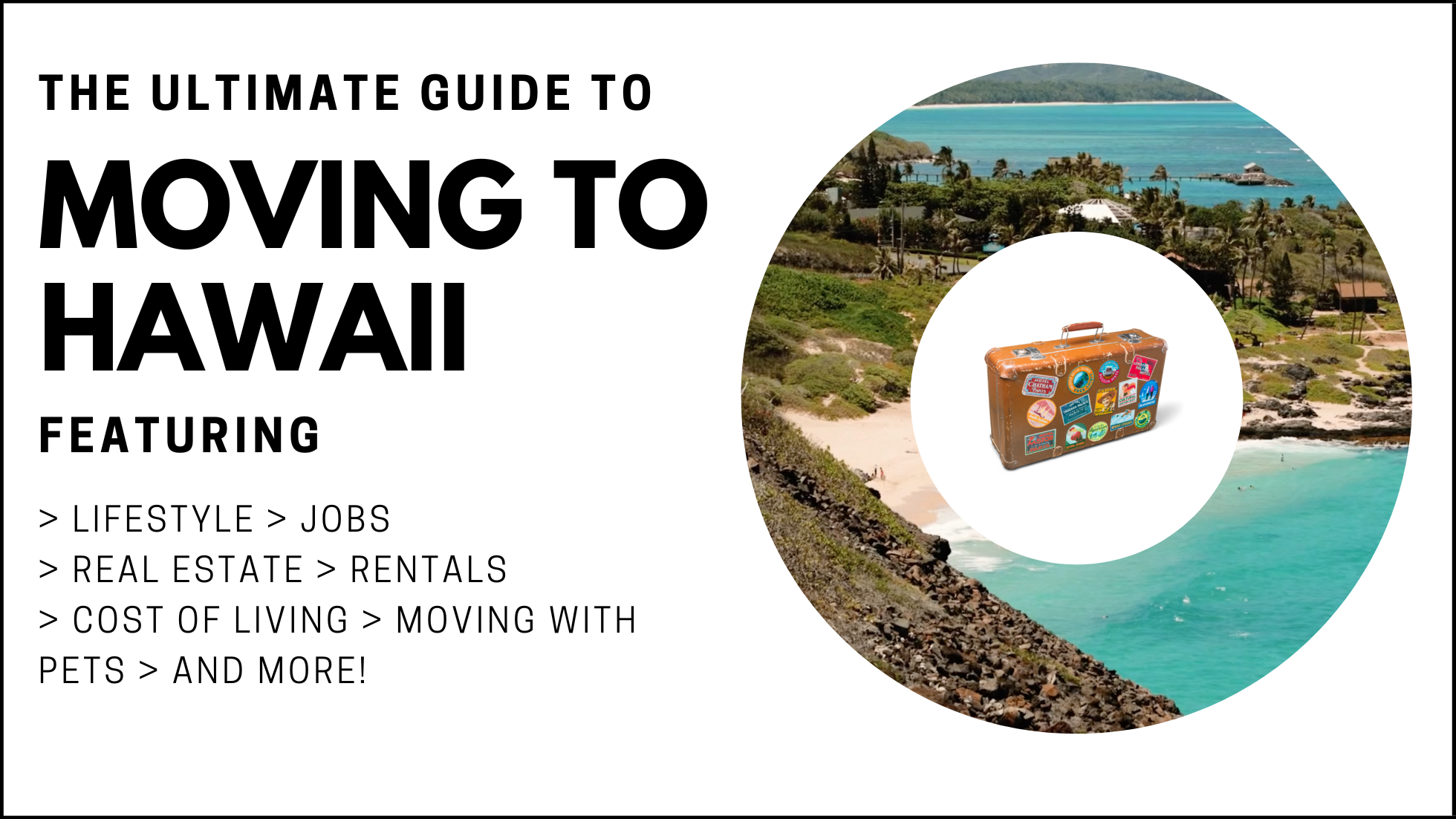
The dream of trading a metropolitan commute for a sunrise over the Pacific Ocean is a perennial ambition for many. Moving to Hawaii represents one of the most significant lifestyle shifts a person can undertake within the United States. It is a transition from the frantic pace of the mainland to the rhythmic, nature-centric flow of island life. However, the process of relocating to the 50th state involves far more than booking a one-way ticket. It requires a meticulous logistical strategy, a deep understanding of the unique geographic landscape, and a commitment to integrating into a culture that prizes community over individual speed.
Understanding the Logistical Blueprint of an Island Move
Relocating to an archipelago situated over 2,000 miles from the nearest continental landmass presents challenges that a standard cross-country move does not. The logistics of moving to Hawaii are dominated by maritime shipping schedules, strict agricultural regulations, and the finite nature of island infrastructure.
Shipping Your Life Across the Pacific
The first decision most prospective residents face is how much of their current life to bring with them. In the world of island relocation, “less is more” is a practical mantra. Most household goods are transported via massive shipping containers. Major carriers operate out of ports in Long Beach, Los Angeles, and Seattle.
A full 20-foot or 40-foot container is the standard for those moving entire households, but many find it more cost-effective to sell large furniture items and purchase new or used pieces upon arrival in Honolulu or Kahului. The transit time for these containers typically ranges from two to three weeks, meaning you must plan for a significant period of “camping” in your new home or staying in temporary accommodation like a serviced apartment in Waikiki while awaiting your belongings.
Navigating Vehicle Transport and Quarantine Regulations
Transporting a vehicle is another major consideration. While public transit exists in Honolulu, a car is essential for exploring the North Shore or the rugged terrain of the Big Island. Shipping a car typically costs between $1,500 and $2,500, depending on the point of origin in California or the Pacific Northwest.
Perhaps the most critical logistical hurdle involves pets. Hawaii is the only state in the United States that is rabies-free, and the local government is fiercely protective of this status. To avoid a lengthy 120-day quarantine for your dog or cat, you must follow the “Direct Airport Release” protocol. This involves a rigorous timeline of vaccinations, blood tests (specifically the FAVN antibody test), and a waiting period of at least 30 days after the lab receives the blood sample before arrival. Failure to document this precisely can result in your pet being held at a facility in Halawa, adding stress and cost to your transition.
Choosing the Right Island for Your New Lifestyle
Every island in the chain offers a distinct personality and pace. Choosing where to plant your roots is perhaps the most important lifestyle decision you will make, as the “vibe” of Oahu is worlds apart from the serenity of Kauai.
Oahu: The Heart of the Islands
For those who require the amenities of a major city, Oahu is the primary choice. Known as “The Gathering Place,” it is home to the state capital, Honolulu, and the vast majority of the state’s economic opportunities. Living on Oahu offers a blend of high-rise luxury living near Ala Moana and quiet, suburban life in Kailua or Hawaii Kai.
Residents here have immediate access to world-class dining, historical sites like Pearl Harbor, and iconic landmarks such as Diamond Head. If your lifestyle depends on a corporate career or a vibrant nightlife, Oahu provides the most seamless transition from mainland urban centers.
Maui: The Balanced Retreat
Maui offers a middle ground between the bustle of Oahu and the rural nature of the outer islands. It is favored by those who seek a sophisticated lifestyle without the density of Honolulu. The community in Kihei is popular for its proximity to beaches, while those looking for a cooler, more pastoral environment often move “Upcountry” to Kula or Makawao.
Living on Maui means having the majestic Haleakala in your backyard and the opportunity to engage in world-class whale watching and surfing. While the tragic fires in Lahaina have altered the landscape of the West Side, the island remains a resilient and sought-after destination for those prioritizing outdoor beauty and a tight-knit community.
Kauai and the Big Island: Embracing Nature
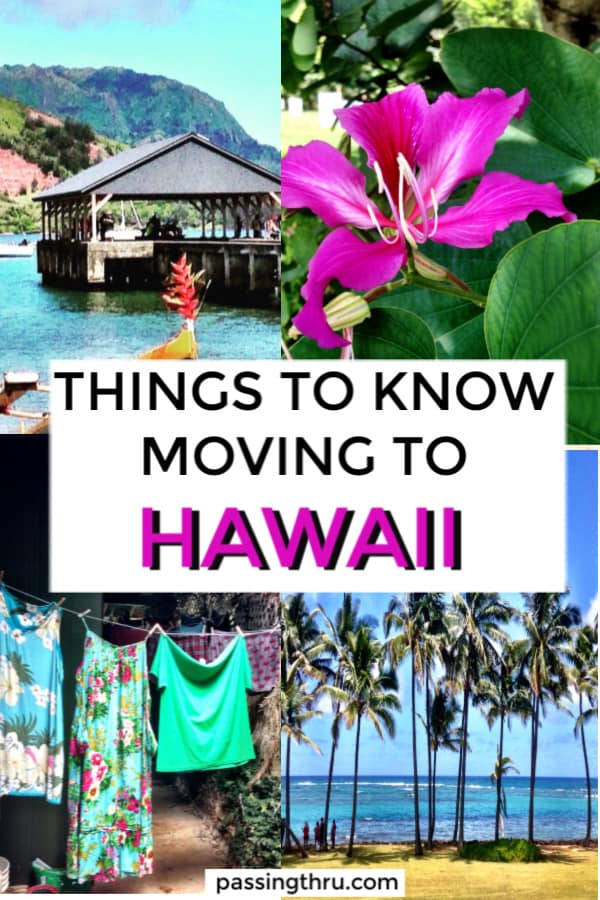
For the ultimate lifestyle change, Kauai and the Big Island offer a slower, more elemental existence. Kauai, the “Garden Isle,” is characterized by its lush greenery and the dramatic cliffs of the Na Pali Coast. Towns like Lihue and Princeville offer a quiet, nature-focused lifestyle where the day usually ends at sunset.
The Big Island (the Island of Hawaii) is the largest and most ecologically diverse. From the black sand beaches of Kona to the rainforests of Hilo, it offers vast amounts of space. It is one of the few places in Hawaii where you can still find relatively affordable land, though you must be comfortable with the proximity to active volcanoes and the unique climate of the volcanic landscape.
Financial Realities and the Cost of Paradise
The “Paradise Tax” is a very real phenomenon. Moving to Hawaii requires a sober assessment of your finances, as the cost of living consistently ranks among the highest in the United States.
Housing Markets and Rental Strategies
Housing is the most significant expense. On Oahu, even modest condominiums in neighborhoods like Kakaako or Makiki can command prices that rival New York City or San Francisco. For many new residents, renting is the best first step. It allows you to “test drive” a neighborhood before committing to a mortgage.
Long-term rentals are in high demand, and the market moves quickly. It is often recommended to secure temporary housing for the first month while you physically visit potential long-term rentals. In Hawaii, many landlords prefer to meet tenants in person, as the “Aloha Spirit” extends to business transactions; a personal connection can often be the deciding factor in a competitive rental market.
The Daily Cost of Living in Hawaii
Beyond housing, the cost of everyday goods is significantly higher due to shipping costs. A gallon of milk or a box of cereal in Hawaii can cost double what it does in Texas or Ohio. To manage this, many residents adopt a “local” lifestyle. This involves shopping at farmers’ markets in Manoa or Hilo and opting for local produce like apple-bananas and papaya over imported mainland fruit.
Electricity costs are also among the highest in the nation, leading many homeowners to invest heavily in solar energy systems. However, the lifestyle tradeoff is the ability to enjoy free, year-round outdoor activities. When your primary entertainment consists of hiking to Manoa Falls or swimming at Lanikai Beach, the “cost of fun” drops significantly.
Integrating into Hawaiian Culture and Community
Moving to Hawaii is not just a change of address; it is an entry into a culture with deep historical roots and a specific social etiquette. Success in your new island lifestyle depends on your ability to listen and learn.
Embracing the Spirit of Aloha
The concept of “Aloha” is often misunderstood by visitors as a mere greeting. For residents, it is a way of life that involves mutual respect, patience, and humility. In Hawaii, the pace is slower. Honking your horn in traffic is considered extremely rude, and rushing through interactions is seen as a sign of disrespect.
New residents, often referred to as “malihini,” are encouraged to learn about the history of the Kingdom of Hawaii and the indigenous Native Hawaiian culture. Understanding the significance of the land, or “aina,” is fundamental. Participating in community beach cleanups or supporting local businesses in Kaimuki is a great way to build bridges and show that you are committed to the well-being of the islands.
Finding Work and Building a Professional Network
The job market in Hawaii is often described as “who you know.” While digital nomads and remote workers are increasingly common in areas like Kapolei, those seeking local employment must focus on networking. The “Coconut Wireless”—the local term for word-of-mouth communication—is a powerful force.
Industries such as tourism, healthcare, and education are the primary employers. If you are moving without a job secured, it is vital to have a significant financial cushion. Most experts suggest at least six months of living expenses. Once on the ground, attending community events and joining local professional organizations can help you navigate the unique business landscape of the islands.
Moving to Hawaii is a bold lifestyle choice that offers unparalleled rewards for those who approach it with the right mindset. By respecting the logistical requirements, choosing the right island for your personal goals, and embracing the local culture with humility, you can successfully transition from a visitor to a contributing member of the island community. The reward is a life lived in harmony with the tides, the trade winds, and the enduring beauty of the Pacific.
LifeOutOfTheBox is a participant in the Amazon Services LLC Associates Program, an affiliate advertising program designed to provide a means for sites to earn advertising fees by advertising and linking to Amazon.com. Amazon, the Amazon logo, AmazonSupply, and the AmazonSupply logo are trademarks of Amazon.com, Inc. or its affiliates. As an Amazon Associate we earn affiliate commissions from qualifying purchases.