
Traveling to the Hawaiian Islands is a dream for many, but because this archipelago is situated in the middle of the Pacific Ocean, it remains one of the most remote inhabited places on Earth. Understanding the duration of a flight to Hawaii is essential for planning your itinerary, managing jet lag, and choosing the right airline for your journey. Whether you are departing from the bustling hubs of North America, the high-tech cities of Asia, or the coastal regions of Australia, the time spent in the air varies significantly based on your gateway city and prevailing weather patterns.
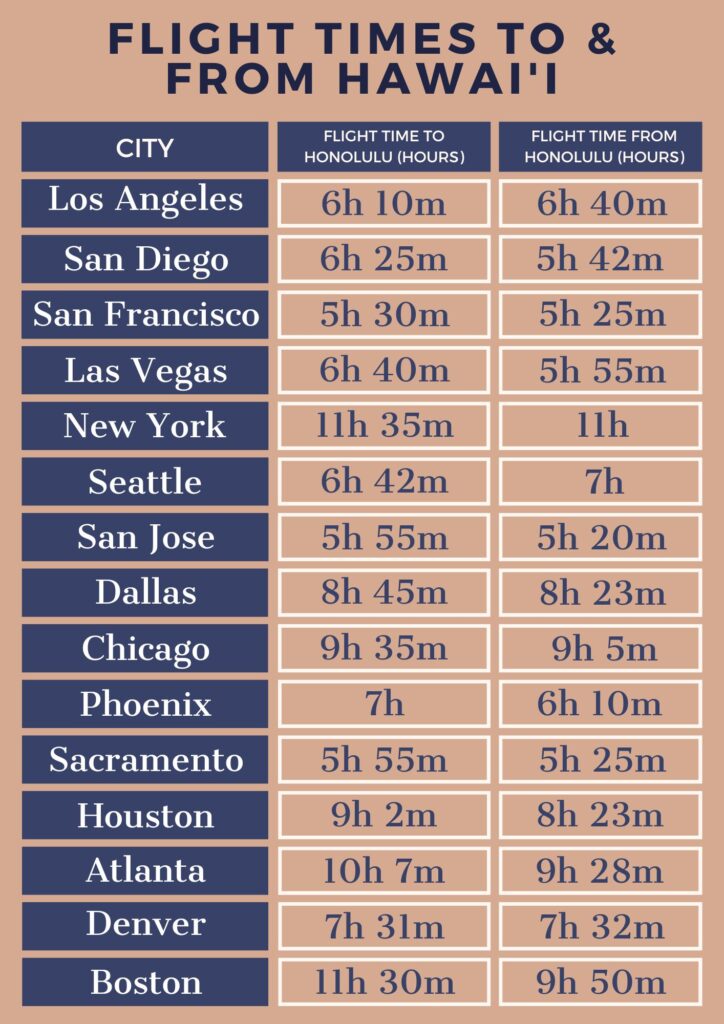
Flight Durations from Major Global Gateways
The time it takes to reach the shores of Oahu or the volcanic landscapes of the Big Island depends largely on your departure point. Because Hawaii is located approximately 2,400 miles from California, even the “short” flights involve a significant amount of time over open water.
Departing from the West Coast of the United States
For travelers in the United States, the West Coast offers the shortest and most frequent routes to the islands. If you are flying from Los Angeles or San Francisco, you can expect a flight time of approximately 5 hours and 30 minutes to 6 hours. These routes are highly competitive, with numerous carriers providing daily service to Honolulu, Maui, and Kauai.
Moving further north, a flight from Seattle or Portland typically takes about 6 hours. From the southern end of the coast, travelers leaving San Diego will find similar durations, usually hovering around the 5-hour and 45-minute mark. It is important to note that flying westward into the islands usually takes slightly longer than the return trip due to the resistance of the trade winds.
Flights from the East Coast and Midwest
For those living on the East Coast, the journey to Hawaii is a true long-haul experience. A direct flight from New York City, specifically from John F. Kennedy International Airport or Newark Liberty International Airport, is one of the longest domestic flights in the world, often clocking in at 10 to 11 hours.
Travelers departing from the Midwest also face substantial travel times. A non-stop flight from Chicago via O’Hare International Airport typically lasts around 9 hours. Similarly, flights from Dallas through Dallas Fort Worth International Airport or from Atlanta via Hartsfield-Jackson Atlanta International Airport range between 8.5 and 9.5 hours. Many travelers from these regions opt for a layover on the West Coast to break up the journey, though this can extend the total travel day to 14 hours or more.
International Routes to the Islands
Hawaii is a central hub for international travelers, particularly those from Japan. A flight from Tokyo, departing from either Narita International Airport or Haneda Airport, usually takes about 7 to 8 hours to reach Honolulu. This route is a vital artery for tourism in the islands.
From Canada, travelers leaving Vancouver can expect a 6-hour flight, while those coming from Toronto face a 10-hour journey similar to the New York City routes. Further south, flights from Sydney, Australia or Auckland, New Zealand are significant undertakings, often lasting between 9 and 10 hours. South Korea travelers from Seoul also experience a flight time of approximately 8 to 9 hours.
Factors That Influence Total Travel Time
While scheduled flight times provide a general guideline, several technical and environmental factors can alter how long you spend in the air or at the airport.
The Impact of Jet Streams and Seasonal Winds
The Pacific Ocean is subject to powerful atmospheric currents known as jet streams. When flying from the United States mainland toward Hawaii, aircraft often fly against these headwinds, which can slow the ground speed of the plane. Conversely, the return flight from Hawaii to the mainland is often assisted by these same winds, frequently resulting in a flight time that is 30 to 60 minutes shorter than the outbound leg. Seasonal variations also play a role; during winter months, the jet stream can be particularly strong, leading to slightly longer flight times when heading west.
ETOPS Regulations and Flight Paths
Because the flight to Hawaii involves crossing a vast expanse of water with no emergency landing strips, airlines must adhere to strict safety regulations known as ETOPS (Extended-range Twin-engine Operational Performance Standards). These rules dictate the flight paths that twin-engine aircraft can take, ensuring they remain within a certain flying distance of an alternate airport at all times. While modern aircraft are highly efficient, these designated corridors can sometimes lead to slightly less direct routes than a simple straight line on a map, adding a few minutes to the total duration.
Direct vs. Connecting Flights
When asking “how long of flight to Hawaii?”, one must consider the difference between air time and total travel time. Direct flights are always the fastest way to reach the islands. However, if you are flying from a smaller city that does not offer non-stop service to Honolulu, you will likely connect through a major hub like Los Angeles or San Francisco. Layovers can range from 1 to 4 hours, and while they offer a chance to stretch your legs, they can easily turn an 8-hour travel day into a 12-hour ordeal.
The Airport Experience: Arriving in Paradise
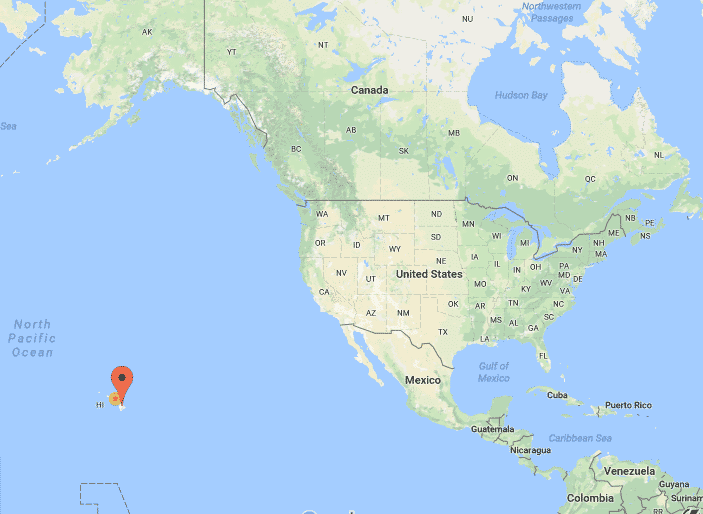
Your journey officially concludes when you touch down at one of the primary Hawaiian airports. Each island has its own gateway, and the arrival experience can vary based on the infrastructure of the facility.
Daniel K. Inouye International Airport (Honolulu)
As the primary gateway to the state, Daniel K. Inouye International Airport in Honolulu is the largest and busiest. Most international and long-haul flights from the East Coast land here. The airport is unique for its open-air walkways and lush garden courtyards, offering an immediate sense of the tropical climate. Navigating this airport can take some time due to its size, so factor in an extra 30 to 45 minutes for deplaning and baggage claim.
Kahului Airport (Maui)
Kahului Airport is the main hub for those visiting Maui. It receives a high volume of direct flights from the United States mainland and Canada. The airport is smaller and generally easier to navigate than Honolulu, though it can become quite crowded during peak mid-day arrival windows when several large aircraft land simultaneously.
Ellison Onizuka Kona International Airport (Big Island)
For those heading to the Kona side of the Big Island, you will arrive at Ellison Onizuka Kona International Airport. This airport is famous for its completely outdoor terminal structure. Passengers deplane using ramps directly onto the tarmac, providing an immediate immersion into the warm Hawaiian air. It is a smaller, more relaxed facility compared to the major hubs.
Lihue Airport (Kauai)
Lihue Airport serves the island of Kauai. It is a smaller regional airport that handles direct flights from major West Coast cities. Its size makes for a quick transition from the aircraft to your rental car, which is ideal after a long flight.
Choosing Your Carrier and Maximizing Comfort
Given the duration of the flight, the airline you choose can significantly impact your travel experience. Various carriers offer different levels of service, amenities, and seating configurations.
Major Domestic and International Carriers
Several major airlines dominate the routes to Hawaii. Hawaiian Airlines is the state’s flagship carrier, known for its island-inspired hospitality and complimentary meals on most transpacific routes. United Airlines and American Airlines offer extensive networks from the United States mainland, often utilizing wide-body aircraft with multiple classes of service.
Delta Air Lines and Alaska Airlines are also major players, providing consistent service from the West Coast. In recent years, Southwest Airlines has expanded its service to the islands, offering a more budget-friendly option with its unique open-seating policy and two free checked bags, which is particularly beneficial for travelers bringing surfboards or golf clubs. International travelers often fly with Qantas, Japan Airlines, or Air Canada, which provide premium services on their long-haul routes.
Cabin Class and In-Flight Amenities
Because even the shortest flight to Hawaii is at least 5 hours, many travelers consider upgrading to a premium cabin. Business class or First class on routes from the East Coast often features lie-flat seats, which are invaluable for overnight “red-eye” flights. Even in Economy, many airlines have upgraded their in-flight entertainment systems to include a wide selection of movies and TV shows to help pass the time. It is always recommended to bring noise-canceling headphones and a portable charger, as the availability of seat-back power can vary by aircraft type.
The Logistics of Reaching the Outer Islands
If your final destination is Molokai or Lanai, or if you are staying in Hilo on the Big Island, your journey will likely involve an inter-island flight.
Inter-Island Hop Durations
Inter-island flights are remarkably short, usually lasting between 20 and 50 minutes. Hawaiian Airlines and Southwest Airlines are the primary providers for these “puddle jumper” routes. For example, a flight from Honolulu to Kahului Airport is approximately 35 minutes of air time. While short, you must account for the time required to clear security and transfer terminals if you are connecting from a mainland flight.
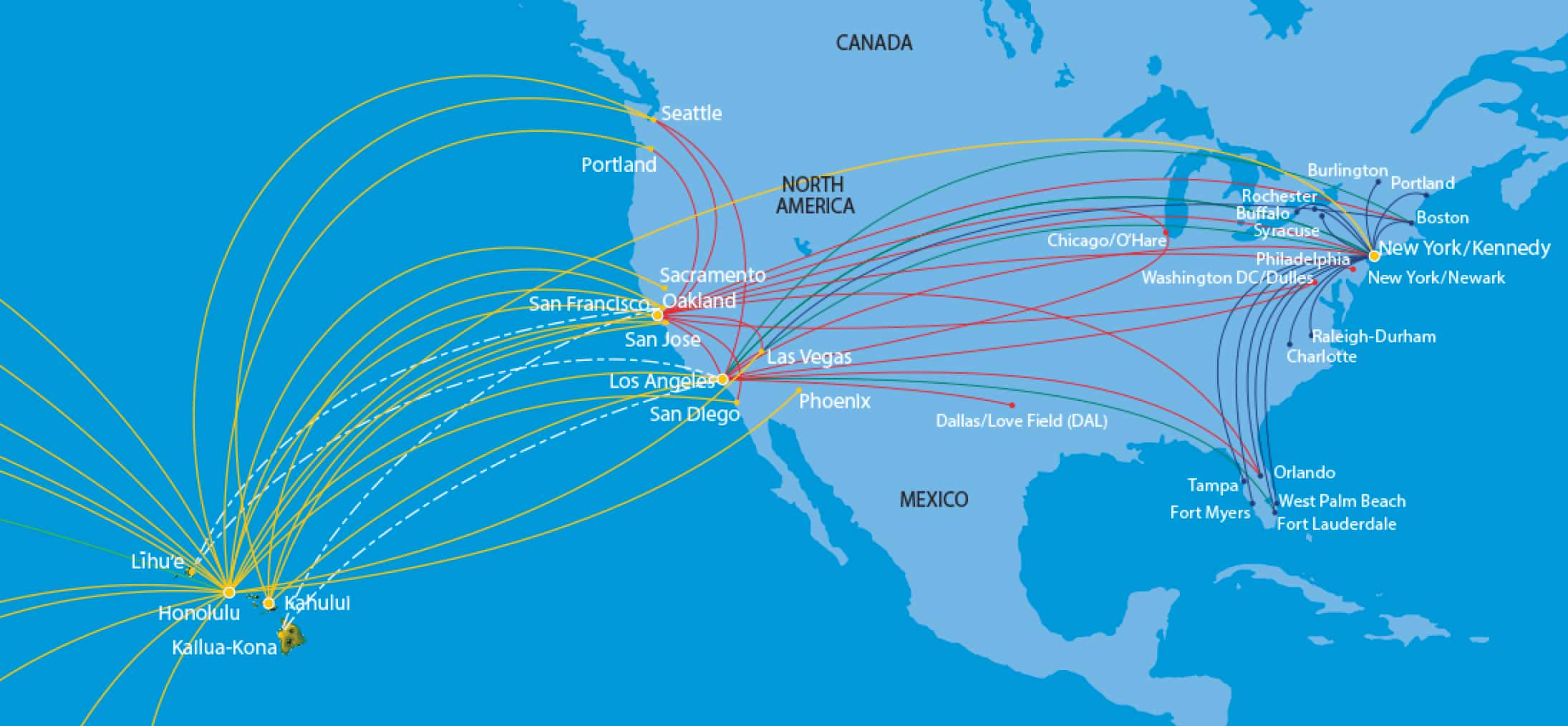
Managing Time Zones and Jet Lag
Hawaii follows Hawaii-Aleutian Standard Time. The state does not observe Daylight Saving Time, which means the time difference between Hawaii and the rest of the world changes twice a year. For West Coast travelers, the difference is only 2 to 3 hours, making the adjustment relatively easy. However, for those coming from the East Coast, the 5 to 6-hour difference can be jarring.
To mitigate jet lag after your long flight, it is often recommended to stay awake until at least 8:00 PM local time upon arrival. This helps reset your internal clock to the island rhythm. Whether you are planning to visit the historic sites of Pearl Harbor, hike the trails near Diamond Head, or simply relax on the sands of Waikiki, understanding the flight logistics is the first step toward a seamless Hawaiian vacation. Knowing that a flight from Los Angeles is about 6 hours while a flight from New York City is nearly 11 allows you to pack correctly and set realistic expectations for your first day in paradise.
LifeOutOfTheBox is a participant in the Amazon Services LLC Associates Program, an affiliate advertising program designed to provide a means for sites to earn advertising fees by advertising and linking to Amazon.com. Amazon, the Amazon logo, AmazonSupply, and the AmazonSupply logo are trademarks of Amazon.com, Inc. or its affiliates. As an Amazon Associate we earn affiliate commissions from qualifying purchases.