
The archipelago of Hawaii, anchored in the heart of the Pacific Ocean, is a land defined by its vibrant colors, lush landscapes, and deep-rooted cultural traditions. For many travelers, the image of the islands is inseparable from the sight of a brilliant blossom tucked behind an ear or the fragrant scent of a floral garland. However, when asking “What is the Hawaii flower?” the answer is more complex than a single species. While there is one official state flower, the cultural fabric of Hawaii recognizes a unique floral emblem for each individual island, creating a botanical tapestry that reflects the diversity of the United States fiftieth state.
The Official State Flower: Pua Aloalo
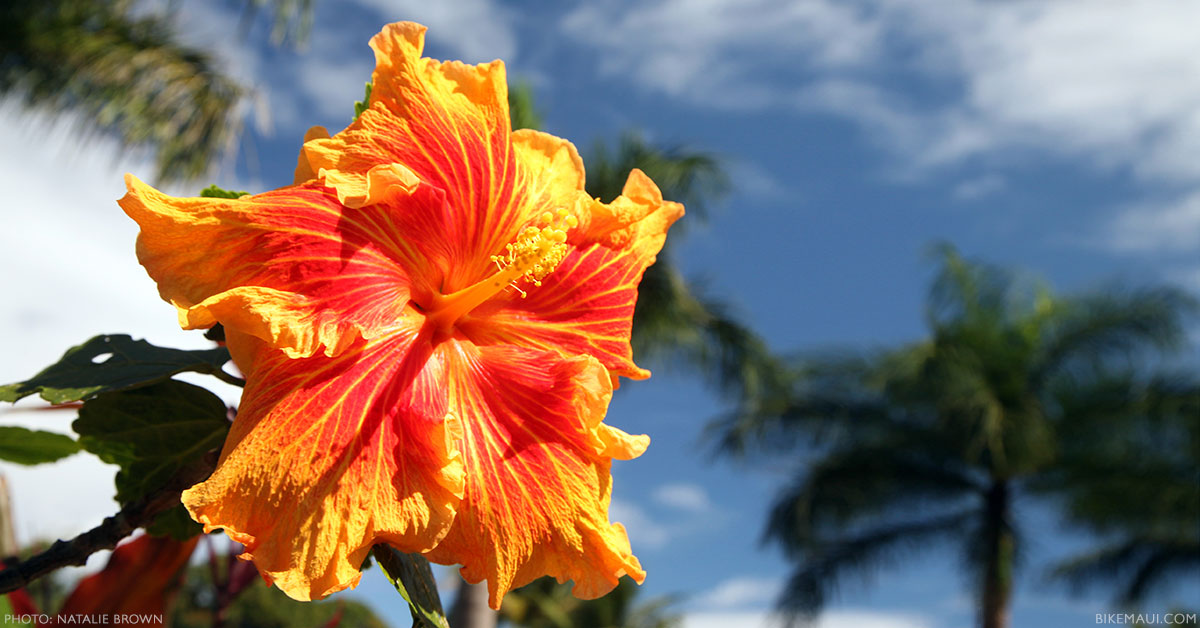
The primary answer to the question is the Yellow Hibiscus, known locally as the Pua Aloalo. Specifically, the species Hibiscus brackenridgei holds the title of the official state flower. This striking bloom is native to the islands, and its bright yellow petals and prominent central stamen have become an iconic symbol of Hawaiian natural beauty.
A History of Selection
The journey to naming an official state flower was a multi-decade process. In the 1920s, the Territory of Hawaii originally designated the hibiscus as the floral emblem, but at that time, any color of hibiscus was accepted. It wasn’t until 1988 that the Hawaii State Legislature officially specified the native yellow variety to represent the state. This distinction was important to conservationists and cultural historians who wanted to highlight the importance of indigenous flora over introduced species.
Characteristics of the Yellow Hibiscus
The Yellow Hibiscus is an endangered species, often found in dry forest habitats on the main islands. It typically grows as a shrub or small tree, reaching heights of up to 15 feet. The flowers are large, often five to six inches in diameter, and possess a delicate, almost papery texture. Unlike many other hibiscus varieties seen in residential gardens in Honolulu or Waikiki, the Pua Aloalo blooms are somewhat rare to spot in the wild, making a sighting a special experience for hikers and nature enthusiasts.
The Flowers of the Eight Main Islands
One of the most fascinating aspects of Hawaiian tourism and local culture is the “Island Flower” system. Each of the eight major islands is represented by a specific flower or natural material, often color-coded to match the island’s official color. For travelers visiting multiple destinations, understanding these symbols offers a deeper appreciation for the local identity.
Oahu: Pua Ilima
The island of Oahu, home to the state capital and the famous Pearl Harbor, is represented by the Pua Ilima. This small, golden-yellow flower is incredibly delicate. Historically, it was associated with Hawaiian royalty, or Alii. Because the flowers are so thin, it takes hundreds of them to create a single strand of a lei, making the Ilima Lei a prized gift.
Maui: Lokelani
The “Valley Isle” of Maui chose a non-native but deeply beloved flower: the Lokelani, also known as the Damask Rose. This pink rose was brought to the islands in the early 1800s and quickly became a favorite in Hawaiian songs and poetry. It is the only non-native plant to serve as an official island emblem in the state.
Hawaii Island: Ohia Lehua
On the Big Island, officially known as Hawaii Island, the flower is the Ohia Lehua. These brush-like, typically red blossoms grow on the Ohia tree, which is often the first plant to grow on new lava flows. The flower is deeply tied to the volcano goddess Pele and her sister Hiiaka. Legend warns that if you pluck a Lehua blossom while heading up the mountain, it will rain, symbolizing the tears of separated lovers.
Kauai: Mokihana
Kauai, the “Garden Isle,” uses a berry rather than a traditional flower. The Mokihana is a green, anise-scented berry found only on Kauai. These berries are often strung together with Maile leaves to create fragrant leis that represent the lush, high-altitude forests of Mount Waialeale.
Molokai, Lanai, and the Smaller Islands
- Molokai: The Pua Kukui, or the flower of the Candlenut Tree. These tiny white flowers represent the island’s connection to enlightenment and ancient wisdom.
- Lanai: The Kaunaoa. This is a thin, orange, air-plant-like vine that grows on the beaches of Lanai.
- Niihau: The Pupu. Niihau is unique because its emblem is not a plant but the tiny, rare shells found on its shores. Niihau Shell Leis are among the most expensive and coveted jewelry items in Polynesia.
- Kahoolawe: The Hinahina, a native beach plant with silvery-gray leaves and small white flowers that can withstand the island’s harsh, arid environment.
The Cultural Significance and the Lei Tradition
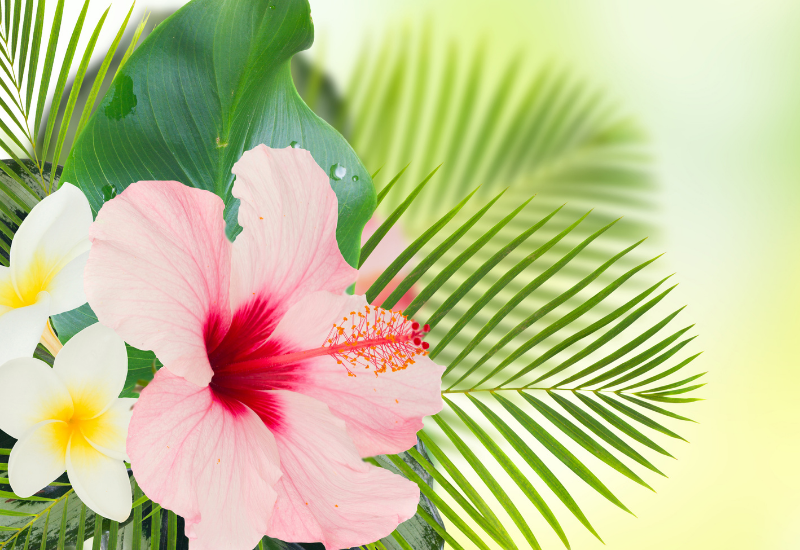
In Hawaii, flowers are not merely decorations; they are a language of affection, welcome, and respect. This is most visibly seen in the tradition of the lei. For tourists, receiving a lei at an airport or hotel in Maui or Kauai is often their first introduction to Hawaiian hospitality, or Ho’okipa.
Lei Day: May Day is Lei Day
Tourism in the islands reaches a floral peak on May 1st, celebrated across the state as Lei Day. Established in 1928, this holiday encourages residents and visitors to wear and create leis. In Kapiolani Park in Honolulu, massive festivals showcase elaborate lei-making competitions where artists use everything from the Yellow Hibiscus to exotic Orchids.
Floral Etiquette for Travelers
When interacting with Hawaiian flowers, there are several cultural “rules” that tourists should observe to show respect:
- Accepting a Lei: It is considered rude to refuse a lei when offered. If you must remove it for comfort or allergies, do so discreetly.
- Disposal: Never throw a lei in the trash. Traditionally, a lei should be returned to the earth. You can hang it on a tree branch, bury the flowers, or scatter the petals in the ocean.
- The Ear Rule: If you wear a single flower behind your ear, the side matters. Wearing a flower behind the left ear indicates you are “taken” or in a relationship. Wearing it behind the right ear signifies you are single or available.
- Pregnancy: Traditionally, a “closed” lei (a full circle) should not be given to a pregnant woman, as it symbolizes the umbilical cord wrapping around the baby’s neck. Instead, an “open” lei (a strand that hangs down) is preferred.
Iconic Blooms Frequently Mistaken for the State Flower
While the Pua Aloalo is the official flower, several other species are so ubiquitous in Hawaii that tourists often mistake them for the state symbol. These flowers play a massive role in the islands’ multi-million dollar floral industry and tourism appeal.
The Plumeria
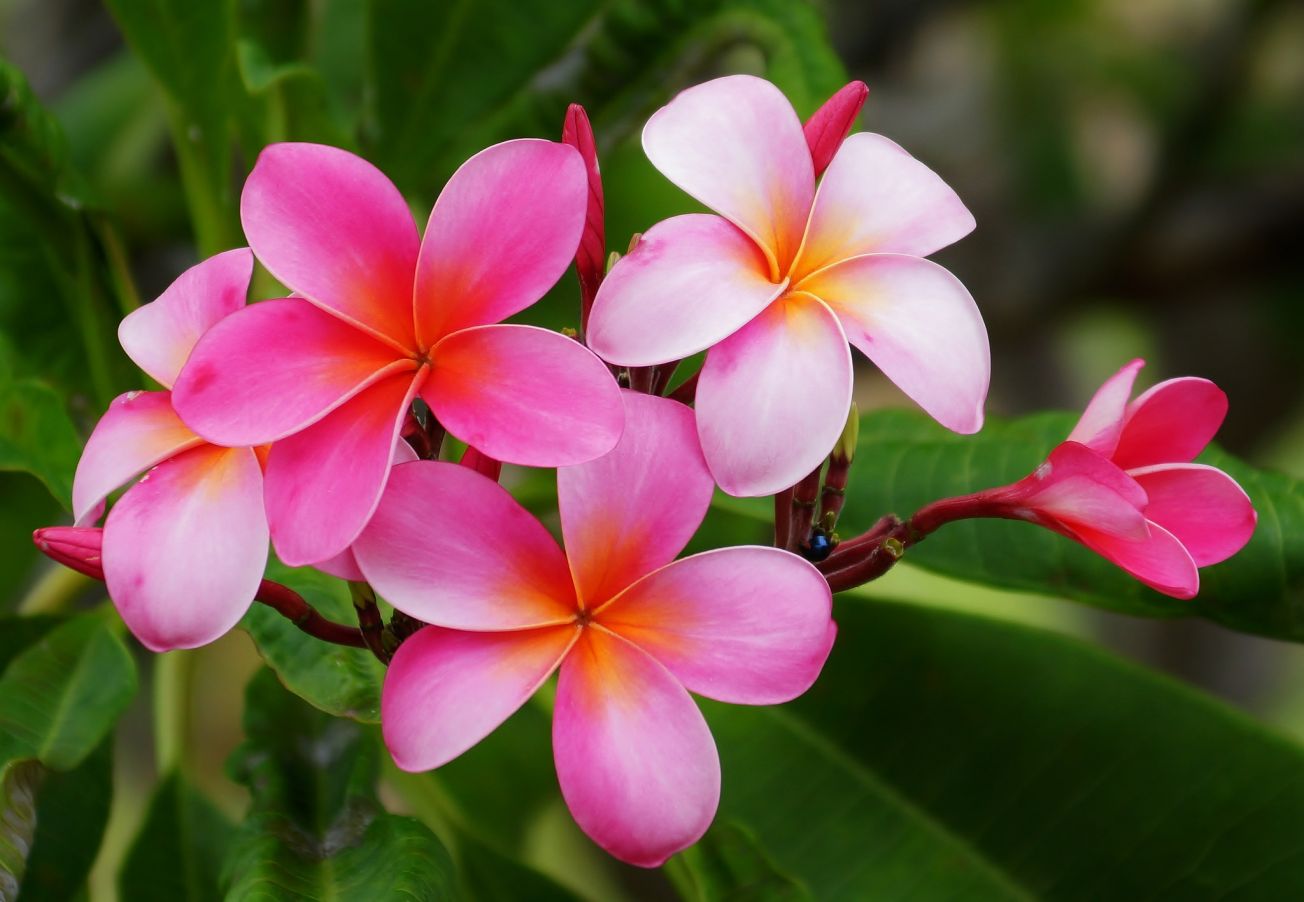
Perhaps no flower is more associated with the Pacific than the Plumeria, also known as Frangipani. With its creamy petals and intoxicating fragrance, it is the primary flower used in tourist leis. While it grows everywhere from North Shore to Kona, it is actually native to Central America and South America. It was introduced to Hawaii in 1860 by William Hillebrand.
The Anthurium
The Anthurium, with its heart-shaped, waxy red “flowers” (which are actually modified leaves called spathes), is a staple of Hawaiian floral arrangements. These are particularly common on the Big Island in the town of Hilo, where the humid climate allows them to thrive. They symbolize hospitality and are frequently seen in hotel lobbies and airport lounges.
The Bird of Paradise
Native to South Africa, the Bird of Paradise has become a permanent fixture of the Hawaiian landscape. Its striking orange and blue crane-like appearance makes it a favorite for photography. Travelers will often see these growing wild in the rainforests of Hana or the Nuuanu Valley.
Where to Experience Hawaii’s Floral Beauty
For visitors looking to see the official state flower and its island counterparts, Hawaii offers world-class botanical gardens. These sites are essential for tourism, providing education on native species and conservation.
Botanical Gardens on Oahu
Honolulu is home to several historic gardens. The Foster Botanical Garden is the oldest in the state and contains a vast collection of tropical trees. For those wanting a more scenic, mountain-backed experience, Hoomaluhia Botanical Garden in Kaneohe offers 400 acres of global plant collections and is a popular spot for photography.
National Tropical Botanical Garden on Kauai
Kauai hosts the National Tropical Botanical Garden, which includes the Allerton Garden and McBryde Garden. These sites are world leaders in the conservation of native Hawaiian plants, including many endangered varieties of hibiscus. Visiting these gardens allows tourists to see the Yellow Hibiscus in a protected, naturalistic setting.
Proteas on Maui
While not the island flower, the Protea is a massive draw for tourism on Maui. These prehistoric-looking, giant blooms thrive in the cool, volcanic soil of Kula on the slopes of Haleakala. Many farms in Upcountry Maui offer tours where visitors can walk through fields of these spectacular flowers.
Protecting the Landscape
Responsible tourism is vital for maintaining the floral health of Hawaii. Travelers are encouraged to stay on marked trails to avoid spreading diseases like Rapid Ohia Death, a fungal pathogen that is currently threatening the Ohia forests on several islands. By cleaning hiking boots and respecting “No Entry” signs in sensitive forest zones, visitors help ensure that the official Hawaii flower and its many cousins will continue to bloom for generations to come.
Ultimately, the Hawaii flower is not just the Yellow Hibiscus; it is a collective representation of eight islands, a storied history of royalty, and a living culture that continues to welcome the world with the scent of a fresh lei. Whether you are exploring the volcanic slopes of Mauna Loa or the white sands of Lanikai Beach, the flowers of Hawaii serve as a constant reminder of the islands’ delicate and breathtaking beauty.
LifeOutOfTheBox is a participant in the Amazon Services LLC Associates Program, an affiliate advertising program designed to provide a means for sites to earn advertising fees by advertising and linking to Amazon.com. Amazon, the Amazon logo, AmazonSupply, and the AmazonSupply logo are trademarks of Amazon.com, Inc. or its affiliates. As an Amazon Associate we earn affiliate commissions from qualifying purchases.