
Planning a getaway to Hawaii during the late autumn months is a choice many savvy travelers make to avoid the peak winter rush while still enjoying the tropical allure of the United States only island state. November is often characterized as a “shoulder month,” serving as the bridge between the dry summer and the wetter winter season. While the weather becomes slightly more unpredictable compared to the stable heat of July or August, it remains remarkably pleasant, offering a refreshing escape for those fleeing colder climates in the Northern Hemisphere. Understanding the nuances of the weather across the archipelago is essential for tailoring your itinerary, whether you are seeking the high-octane surf of the North Shore or the tranquil sun-drenched beaches of the southern coasts.
Understanding the Transition: Hawaii’s Climate in November
The climate in Hawaii is famously consistent, but November marks a subtle shift in the environment. As the trade winds fluctuate, the islands begin to receive more moisture, resulting in lush landscapes and vibrant flora. However, this does not mean your vacation will be a washout. Rainfall in the islands is often localized and brief, frequently occurring overnight or in short afternoon bursts that clear quickly to reveal bright rainbows and blue skies.
Temperature Ranges Across the Islands
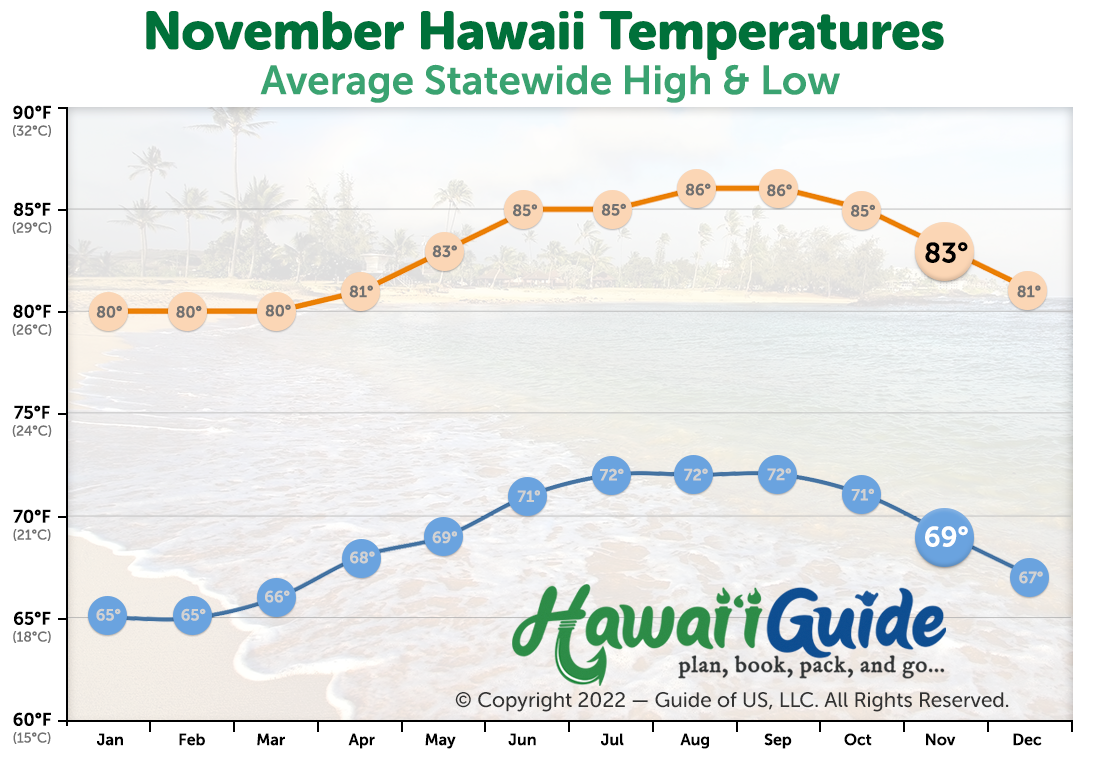
In November, temperatures across the Pacific Ocean chain remain warm and inviting. Average daytime highs typically hover around 80°F to 82°F (27°C to 28°C), while evening lows settle comfortably between 70°F and 74°F (21°C to 23°C). This narrow temperature range ensures that you can spend most of your time outdoors without the oppressive humidity of mid-summer or the chill found on the mainland.
Water temperatures also remain ideal for swimming, snorkeling, and diving, averaging about 77°F (25°C). While the air might feel a touch cooler when you emerge from the water compared to August, the ocean itself retains much of the heat accumulated over the summer months. It is important to note that microclimates play a significant role here; while the coast may be balmy, higher elevations such as the summit of Mauna Kea or the heights of Haleakala National Park can see temperatures drop toward freezing, even in November.
Rainfall and Humidity Trends
November is technically the start of the “wet” season, which runs through March. Statistically, you will see an increase in precipitation, but this varies wildly depending on which side of an island you visit. The “windward” (northeast) sides of the islands receive the brunt of the trade wind moisture, while the “leeward” (southwest) sides remain much drier and sunnier. If you are staying in Waikiki or Kona, you are likely to experience far more sunshine than if you were staying in Hilo or the lush valleys of Kauai. Humidity levels are generally moderate, though a “Kona wind” (winds coming from the south or west) can occasionally bring warmer, more humid air and “vog” (volcanic haze) if volcanic activity is present.
Regional Variations: Island-by-Island Breakdown
Every island in Hawaii possesses its own unique topography, which interacts with the November weather patterns in distinct ways. Choosing the right island for your specific travel goals—be it hiking, sunbathing, or surfing—depends heavily on these regional differences.
Oahu: The Gathering Place
On Oahu, November is a month of transformation. In Honolulu, the weather remains mostly sunny, making it an excellent time to visit landmarks like Pearl Harbor or to hike up the Diamond Head State Monument. The southern shore stays relatively calm, but the real change happens on the North Shore. November marks the beginning of the big wave season. Swells from the North Pacific start hitting iconic spots like Waimea Bay and the Banzai Pipeline. For travelers, this is a spectacular time to witness professional surfers tackling massive waves, though casual swimming on the northern coast becomes much more dangerous during this time.
Maui: The Valley Isle
Maui offers a diverse range of experiences in November. The resort areas of Wailea and Ka’anapali remain largely dry and sunny, perfect for those looking to lounge by the pool or play a round of golf. However, those embarking on the Hana Highway should expect more frequent rain showers, which only serve to make the waterfalls along the route more dramatic. If you plan to watch the sunrise at Haleakala, be prepared for cold weather; November mornings at the summit can be incredibly windy and chilly, requiring heavy layers despite the tropical environment at sea level.
Kauai: The Garden Isle
Kauai is known as the wettest island, and November can certainly live up to that reputation, particularly in the Hanalei and Princeville areas. However, this extra rain is exactly what keeps the Napali Coast State Wilderness Park so vibrantly green. For the best chance of dry hiking, travelers often head south to Poipu Beach or explore the dramatic vistas of Waimea Canyon State Park, which often sits in a rain shadow and offers clearer skies even when the north is clouded over.

Big Island: The Island of Hawaii
The Big Island is so large that it contains almost all of the world’s climate sub-zones. In November, the contrast between the Kona coast and the Hilo coast is stark. Kona remains a sun-soaked paradise, ideal for snorkeling in Kealakekua Bay. Conversely, Hilo sees significant rainfall, which fuels the spectacular Rainbow Falls. A visit to Hawaii Volcanoes National Park is a must, but the higher elevation means you should expect cooler temperatures and intermittent mist, especially around the Kilauea caldera.
Why November is a Strategic Time to Visit
Beyond the weather, November offers several strategic advantages for the discerning traveler. It sits in a “sweet spot” on the calendar, positioned between the busy autumn break and the massive influx of tourists that arrives for the Christmas and New Year holidays.
Beating the Holiday Crowds
For the first three weeks of November, Hawaii is relatively quiet. Trails are less congested, reservations at popular restaurants in Lahaina or Honolulu are easier to secure, and the general pace of life on the islands feels more relaxed. This changes briefly around Thanksgiving, as many families travel to the islands for a tropical holiday feast. If you want the ultimate peace, aim for the first two weeks of the month. You may even find better deals on airfare and tours during this window.
Seasonal Wildlife and Nature Events
November marks a significant moment in the natural world: the return of the Humpback Whale. While peak whale-watching season isn’t until January or February, the first “scouts” of the herd usually begin to appear in Hawaiian waters by late November. If you are lucky, you might spot a breach from the shores of Maui or Molokai during the tail end of your trip. Furthermore, the increased rainfall brings the botanical gardens of Lanai and Oahu to life, with tropical flowers blooming in abundance.
Essential Activities and Sightseeing Tips
To make the most of the November weather, travelers should adopt a flexible mindset. Because rain showers are often localized, “chasing the sun” is a viable strategy. If it is raining at your hotel, a thirty-minute drive to the other side of the island often reveals clear skies.
Surfing and Coastal Adventures
As mentioned, November is the start of the professional surfing season. Visiting the North Shore of Oahu to watch the Vans Triple Crown of Surfing is a quintessential November experience. Even if you aren’t a surfer, the energy at Haleiwa is electric. For those who want to get into the water themselves, stick to the southern shores where the swells remain manageable and the water is calm enough for paddleboarding or beginner lessons.
Hiking and Interior Exploration
The cooler air makes November one of the best months for hiking. Trails that might be too hot and exposed in August, such as those in Koke’e State Park, are much more comfortable. However, because of the increased rain, trails can become muddy and slippery. It is essential to wear proper footwear and check weather reports for flash flood warnings, particularly if you are hiking in valleys or near streams.

Packing for a November Getaway
Packing for Hawaii in November requires a bit more thought than a mid-summer trip. The key is layering. While your suitcase should still be dominated by swimwear, shorts, and breathable linen or cotton shirts, you should also include a high-quality light raincoat or windbreaker. This will keep you dry during those sudden tropical showers and comfortable during windy boat tours.
If you plan to visit the higher elevations of the Big Island or Maui, don’t forget a warm fleece and long pants. Many travelers are surprised by how cold it can get at 10,000 feet. For evening dinners, the vibe remains “island casual,” though many people enjoy dressing up a bit for Thanksgiving celebrations or Black Friday shopping excursions at the Ala Moana Center.
Ultimately, the weather in Hawaii in November is some of the most beautiful you will find anywhere in the world during late autumn. It provides the perfect balance of warmth, lush scenery, and manageable crowds, making it an ideal destination for those looking to experience the spirit of aloha before the winter solstice arrives. Regardless of which island you choose, the rhythmic sounds of the ocean and the gentle trade winds ensure a restorative travel experience.
LifeOutOfTheBox is a participant in the Amazon Services LLC Associates Program, an affiliate advertising program designed to provide a means for sites to earn advertising fees by advertising and linking to Amazon.com. Amazon, the Amazon logo, AmazonSupply, and the AmazonSupply logo are trademarks of Amazon.com, Inc. or its affiliates. As an Amazon Associate we earn affiliate commissions from qualifying purchases.