
Embarking on a journey to the Golden State requires a grasp of its unique temporal rhythm, a crucial detail often overlooked until a missed appointment or an early wake-up call intervenes. The question “Is California PST or PDT?” is more than a trivial inquiry; it’s a fundamental piece of information for any traveler planning their itinerary, booking accommodations, or scheduling activities across this vast and diverse state. Understanding California’s time zone dynamics ensures a seamless and stress-free travel experience, allowing visitors to fully immerse themselves in everything from the vibrant city life of Los Angeles to the serene wilderness of Yosemite National Park.

Understanding California’s Time Zone Dynamics
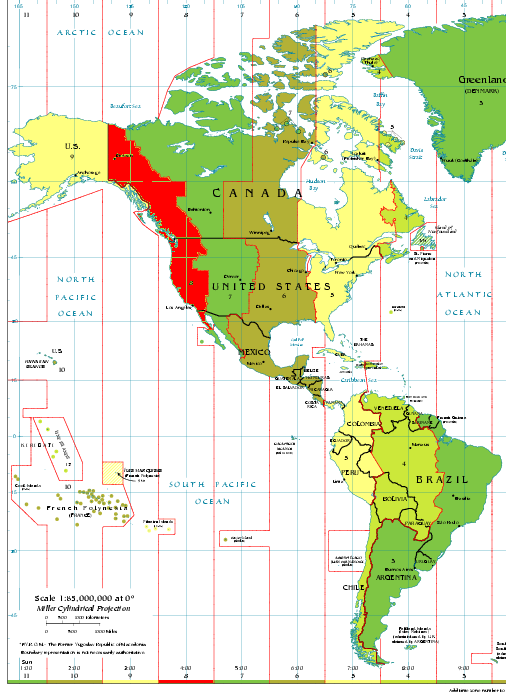
California primarily observes the Pacific Time Zone. However, the distinction between Pacific Standard Time (PST) and Pacific Daylight Time (PDT) is pivotal, as it dictates the actual hour for a significant portion of the year. Travelers from outside the Pacific Time Zone, and even those within it, must be aware of this shift to accurately plan their visits and avoid any temporal missteps.
PST vs. PDT: The Core Difference
Pacific Standard Time (PST) is observed during the winter months. It is UTC-8, meaning it is eight hours behind Coordinated Universal Time. This is the standard setting for the region. On the other hand, Pacific Daylight Time (PDT) comes into effect during the spring, summer, and early autumn months. PDT is UTC-7, an hour ahead of PST. This shift is part of the broader daylight saving time system, designed to make better use of daylight and conserve energy. Essentially, when California “springs forward,” it moves from PST to PDT, adding an hour of daylight to the evening. When it “falls back,” it reverts to PST. Most of California observes this change, though it’s important to remember that not all U.S. states or territories follow daylight saving time.
The Impact of Daylight Saving Time
Daylight saving time typically begins on the second Sunday in March and ends on the first Sunday in November. During these months, California operates on PDT. For travelers, this means that if your trip falls between March and November, you’ll be experiencing PDT. This hour difference can have a subtle yet significant impact on travel planning. For instance, an early morning flight arrival in San Francisco in July will be an hour later by the clock than the same flight in January, relative to your origin time zone if it also observes DST. Conversely, if you’re coming from a region that doesn’t observe DST, the time difference with California will shrink by an hour during PDT months. Always double-check flight times, hotel check-in/check-out policies, and attraction opening hours against the specific date of your visit to confirm whether PST or PDT is in effect. While most modern devices automatically adjust, understanding the underlying principle is key for manual planning and avoiding confusion.
Navigating Time Zones for Travelers
The seamless integration of time zone knowledge into your travel strategy can dramatically enhance your California experience. From the moment you book your flight to the time you settle into your hotel, being aware of PST or PDT can prevent unnecessary stress and optimize your precious travel hours.
Planning Your Arrival and Departure
When booking flights to destinations like Los Angeles International Airport (LAX) or San Francisco International Airport (SFO), remember that all arrival and departure times will be quoted in local California time. If you’re traveling across multiple time zones, calculating the actual arrival time in your body’s internal clock can be challenging, especially with the added layer of daylight saving. Always use a reliable time zone converter tool or your smartphone’s world clock feature to compare your home time with California’s current time. This is especially crucial for connecting flights or if you have pre-arranged airport transfers, as a miscalculation could lead to missed connections or lengthy waits. Arriving in California on PDT can also mean a slight adjustment for your internal clock if you are used to an earlier sunrise or sunset, potentially influencing your energy levels for initial activities.
Synchronizing with Local Activities
California’s myriad attractions and experiences often operate on strict schedules. Whether you’re planning a visit to Disneyland in Anaheim, a wine tasting tour in Napa Valley, or a specific timed entry to Alcatraz Island in San Francisco, knowing the correct local time is paramount. Restaurant reservations, theater showtimes, guided tours, and even ferry departures to Catalina Island are all subject to the prevailing time. A common pitfall is arriving an hour late or early due to a time zone miscalculation, particularly if you are accustomed to a time zone that does not observe daylight saving. Always confirm booking times and operating hours with the local venue directly, and cross-reference with your personal itinerary, ensuring everything is aligned with either PST or PDT, depending on the season of your visit. This meticulous planning will save you valuable time and potential disappointment during your trip.

Time Management Tips for a Seamless California Trip
Beyond merely knowing PST or PDT, effective time management is an art form for any seasoned traveler. In California, where diverse landscapes and experiences beckon from dawn till dusk, optimizing your schedule means maximizing your enjoyment and minimizing logistical headaches.
Mastering Jet Lag (If Applicable)
For travelers crossing several time zones to reach California, jet lag can be a significant hurdle. When arriving during PDT, the extra hour of perceived daylight in the evening might tempt you to stay up later, exacerbating the effects of jet lag. To combat this, adjust your sleep schedule gradually before your trip. Once you arrive, try to adapt to local time as quickly as possible. Expose yourself to natural light during the day, particularly in the morning, and avoid heavy meals or excessive alcohol close to bedtime. Hydration is key. If your itinerary involves early morning activities, like a hike in Joshua Tree National Park or a sunrise hot air balloon ride over Temecula Valley, plan a buffer day upon arrival to allow your body to adjust. Many travelers find that arriving earlier in the day helps them get a head start on adjusting their body clock to the California rhythm.
Booking and Confirmation Best Practices
Always confirm all reservations – flights, hotels, rental cars, tours, and dining – with the local time zone explicitly stated. When booking online from a different time zone, verify that the website automatically adjusts to the local destination time or clearly indicates its time zone reference. For instance, when reserving a scenic drive along the Pacific Coast Highway with a specific pick-up time in Monterey, ensure the provider confirms the time in PST or PDT, depending on your travel dates. Print out all confirmations or save them digitally on your mobile device. Before major activities, consider reconfirming with the venue 24-48 hours in advance, especially for high-demand attractions like Universal Studios Hollywood or tickets to a show at the Hollywood Bowl. This proactive approach safeguards against any last-minute surprises, including unforeseen schedule changes or misunderstandings related to the time zone.
Digital Tools and Resources
In today’s interconnected world, a plethora of digital tools can help travelers effortlessly manage time zones. Most smartphones automatically update to the local time zone upon arrival, provided location services are enabled. However, it’s prudent to set up a world clock widget on your phone displaying both your home time and California’s current time (PST or PDT). Dedicated time zone converter apps can also be invaluable, particularly for complex itineraries involving multiple stops or virtual meetings back home. Google Maps and other navigation apps also integrate local time into their estimated arrival times, which is helpful for planning drives between cities like San Diego and Santa Barbara. Always ensure your devices are charged, and consider carrying a portable power bank, as relying solely on digital tools means you’re reliant on battery life.
Exploring California: Beyond the Clock
While time management is crucial, remember that the true essence of travel is in the experience. Once you’ve mastered the nuances of PST and PDT, you can shift your focus to savoring every moment California has to offer, from its bustling metropolises to its tranquil natural wonders.
Iconic Destinations and Their Schedules
California is home to an unparalleled array of iconic destinations, each with its own rhythm. From the opening hours of the Getty Center in Los Angeles to the last tram ride at the Santa Monica Pier at sunset, or the optimal viewing times for the Golden Gate Bridge in San Francisco, understanding their operational schedules within the context of PST/PDT is vital. National parks like Yosemite and Death Valley National Park don’t have strict “opening hours” for their vast landscapes, but visitor centers, amenities, and ranger programs do. Planning your daily excursions around these fixed schedules, while allowing for travel time between locations, will help you maximize your sightseeing. For instance, a sunrise visit to Lake Tahoe might require an earlier start during PDT when the sun rises later by the clock.
Maximizing Your Daylight Hours
During the PDT months, California enjoys extended daylight, offering more hours for exploration. This is particularly beneficial for outdoor activities such as hiking in Runyon Canyon Park, surfing in Malibu, or enjoying the vibrant nightlife in San Diego. The later sunsets mean you can fit more into your day, from early morning vineyard tours in Sonoma to evening strolls along the Hollywood Walk of Fame. Conversely, during PST, the shorter daylight hours necessitate more careful planning to ensure you visit outdoor attractions during peak light and allocate evening hours for indoor activities, dining, or cultural events. Regardless of the time of year, effective planning around the time zone will empower you to create a fulfilling and memorable California adventure, where every moment is cherished and none are lost to temporal confusion.
LifeOutOfTheBox is a participant in the Amazon Services LLC Associates Program, an affiliate advertising program designed to provide a means for sites to earn advertising fees by advertising and linking to Amazon.com. Amazon, the Amazon logo, AmazonSupply, and the AmazonSupply logo are trademarks of Amazon.com, Inc. or its affiliates. As an Amazon Associate we earn affiliate commissions from qualifying purchases.