
The concept of living in a hotel often evokes images of high-society glamour, a lifestyle once reserved for the eccentric elite or the traveling businessman of a bygone era. However, in the modern landscape of the United States and across the globe, hotel residency is a legitimate and increasingly popular accommodation strategy. From digital nomads seeking flexibility in Bali to corporate executives established in New York City, the transition from traditional apartment leasing to long-term hotel stays represents a significant shift in how we perceive permanent housing. Whether driven by the desire for luxury amenities or the logistical simplicity of a managed property, thousands of people do, in fact, call a hotel room their home.

The Evolution of Hotel Living: From Transient Stays to Permanent Residences
Historically, the line between a hotel and a residential building was much thinner than it is today. In the early 20th century, cities like London and Paris were filled with “residential hotels” that catered specifically to long-term occupants. These establishments provided a middle ground between the isolation of a private home and the transience of a traveler’s lodge. Today, this tradition persists through a variety of accommodation models ranging from budget extended-stay facilities to ultra-luxury branded residences.
The Rise of Branded Residences
A prominent trend in the high-end accommodation market is the development of branded residences. These are properties managed by prestigious hotel chains such as Four Seasons, The Ritz-Carlton, and Waldorf Astoria. In these structures, individuals buy or lease units that are physically connected to or part of the hotel complex. Residents enjoy the same services as hotel guests, including room service, housekeeping, and access to the spa or fitness center, but within a space that is legally categorized as a private residence.
Extended Stay Hotels and Corporate Housing
At the other end of the spectrum are extended-stay hotels like Residence Inn by Marriott or Homewood Suites by Hilton. These properties are specifically engineered for guests staying several weeks or months. Unlike a standard room at the Bellagio in Las Vegas, these units typically feature kitchenettes, separate living areas, and laundry facilities. They bridge the gap between a temporary hotel room and a permanent apartment, offering the convenience of a hotel with the functional layout of a home.
Comparing Hotel Residency vs. Traditional Leasing
When deciding whether to live in a hotel, the primary comparison is usually between a standard residential lease and a long-term hospitality contract. This decision involves weighing the legal protections of a tenant against the convenience of being a guest.
Legal Status and Occupancy Rights
One of the most critical distinctions in this accommodation niche is the legal definition of the occupant. In most jurisdictions within California and Florida, a guest who stays in a hotel for more than 30 consecutive days may transition from “transient guest” status to “tenant” status. This shift often grants the resident specific legal protections against immediate eviction and can change the tax implications of the stay. Many hotels in Texas and other states manage this by requiring guests to “check out” and “check back in” periodically, or by drafting specific long-term occupancy agreements that clarify the rights of both parties.
The All-Inclusive Financial Model
Living in a hotel simplifies personal finances by consolidating multiple expenses into a single daily or monthly rate. In a traditional apartment in Chicago, a resident must pay rent, electricity, water, high-speed internet, and trash collection separately. In a hotel environment, these costs are inclusive. Furthermore, the absence of a long-term lease allows for unparalleled flexibility. While a traditional landlord in Los Angeles might require a 12-month commitment and a hefty security deposit, a hotel resident can often depart with just a few days’ notice, making it an ideal choice for those with nomadic lifestyles or unpredictable careers.
Amenities and Maintenance
The greatest draw of hotel living is the elimination of domestic chores. Living at a property like The Savoy in the United Kingdom or a Hyatt in Tokyo means never having to fix a leaky faucet or mow a lawn. Maintenance is handled by the hotel’s engineering team, and housekeeping ensures the living space remains pristine. For many, the value of the time saved—combined with access to on-site gyms, pools, and business centers—outweighs the higher price tag compared to standard renting.
The Operational Mechanics of Long-Term Hotel Stays

Successfully living in a hotel requires a different approach to booking and management than a weekend getaway. It involves negotiation, strategic selection of loyalty programs, and an understanding of the hospitality industry’s operational side.
Negotiating Long-Term Rates
Most people do not pay the “rack rate” shown on booking websites for a six-month stay. Long-term residents typically negotiate directly with the hotel’s sales department or general manager. In cities like Dubai or Singapore, hotels often have “long-stay packages” that offer significant discounts—sometimes up to 50% off the standard nightly rate—for stays exceeding 30 days. These packages may also include perks like complimentary breakfast, laundry credits, and parking.
Leveraging Loyalty Programs
For those who live in hotels, loyalty programs are not just a way to earn a free night; they are a vital part of the economic strategy. Staying at a Staybridge Suites or an Element by Westin allows a resident to accumulate hundreds of thousands of points. These points can be redeemed for stays in other parts of the world, such as a vacation in France or Italy. Elite status within programs like Marriott International or Accor also grants residents access to executive lounges, which provide free food and drinks, further reducing daily living costs.
The Challenge of Storage and Personalization
The most significant hurdle for hotel residents is the lack of storage. Hotel rooms, even suites at the Chateau Marmont, are not designed to hold a lifetime of possessions. Most full-time hotel dwellers adopt a minimalist lifestyle or maintain a small external storage unit. Additionally, personalizing a hotel room is limited; you cannot paint the walls or replace the furniture. For some, this lack of “hominess” is a dealbreaker, while for others, the clean, standardized aesthetic of a Sheraton provides a sense of order and calm.
Global Destinations for Perpetual Hotel Living
Certain parts of the world are more conducive to hotel living than others, often due to the local economy, the density of hospitality infrastructure, or favorable tax laws.
The Luxury Hubs: New York and Hong Kong
In high-density metropolises like Hong Kong, the cost of a small apartment can rival the cost of a serviced hotel suite. Many professionals choose to live in hotels near landmarks like the Empire State Building or Central Park to avoid the complexities of the local real estate market. In these cities, hotels often provide better security and more central locations than available residential buildings.
The Digital Nomad Hubs: Thailand and Indonesia
In Thailand, particularly in Bangkok or Chiang Mai, the “serviced apartment” model is the standard for expatriates. These buildings operate exactly like hotels, with daily cleaning and front desk staff, but are geared toward monthly rentals. This model allows travelers to enjoy a high standard of living at a fraction of the cost found in Germany or Australia.
Resort Living in Mexico and the Caribbean
For retirees or remote workers, living in a resort in Mexico or the Dominican Republic has become an attractive alternative to traditional retirement communities. All-inclusive resorts offer a predictable monthly cost that covers housing, food, and entertainment. This “permanent vacation” lifestyle is supported by the growth of long-term visas designed specifically for remote workers in the post-pandemic era.
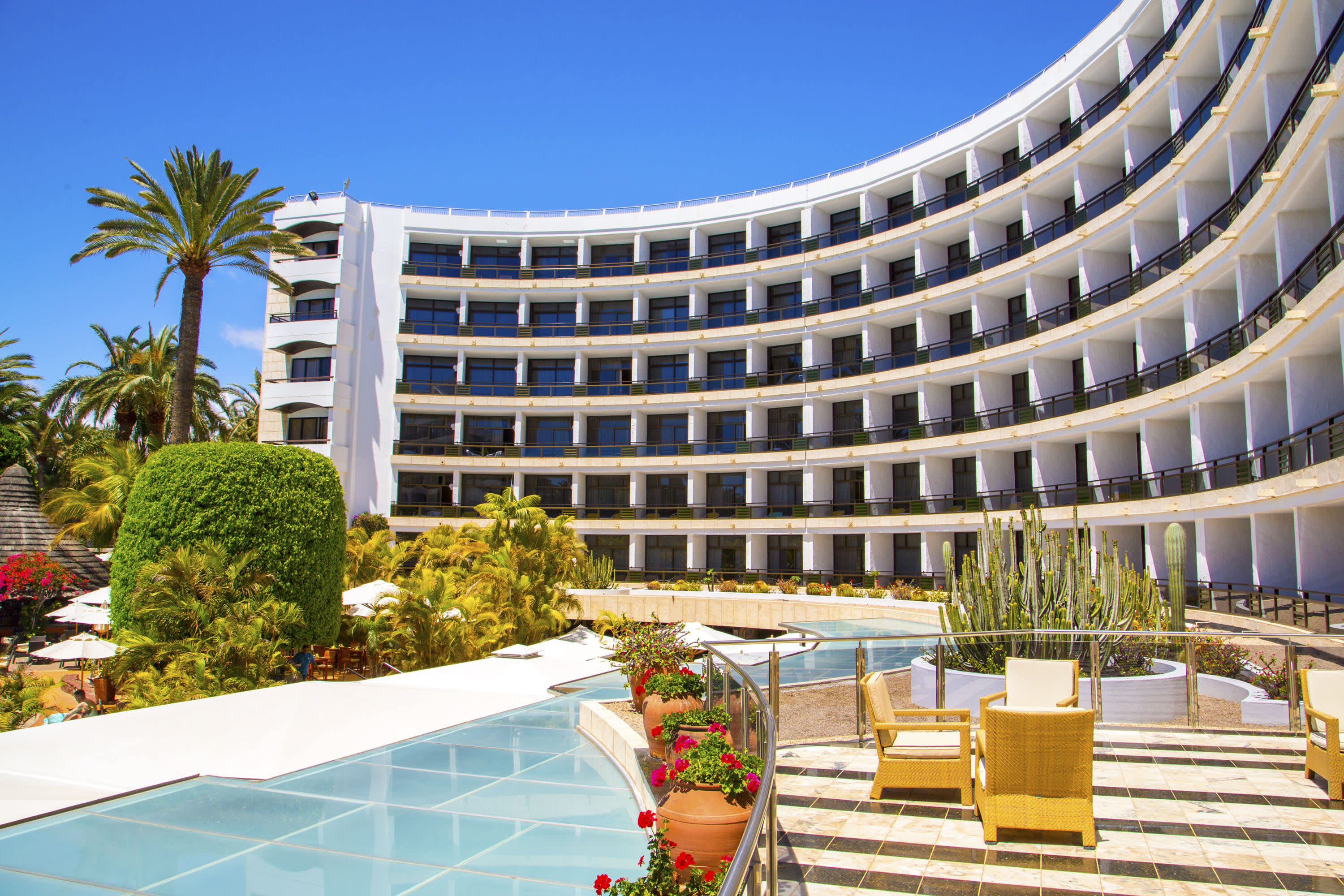
Is Hotel Living Sustainable?
While the logistical benefits are clear, the sustainability of living in a hotel depends on an individual’s social and emotional needs. The “hotel bubble” can sometimes lead to a sense of disconnection from the local community. Unlike a neighborhood in Sydney where you might know your grocer or neighbors, a hotel is an environment of constant turnover.
However, for those who value mobility, service, and simplicity, the answer to “Do people live in hotels?” is a resounding yes. It is a specialized form of accommodation that prioritizes convenience over ownership. As the workforce becomes more mobile and the desire for “service-enriched” living grows, the hospitality industry will likely continue to expand its residential offerings, blurring the lines further between a place to visit and a place to stay. Whether it is a penthouse in Canada or a boutique suite in Spain, the hotel is no longer just a pit stop—it is a destination for life.
LifeOutOfTheBox is a participant in the Amazon Services LLC Associates Program, an affiliate advertising program designed to provide a means for sites to earn advertising fees by advertising and linking to Amazon.com. Amazon, the Amazon logo, AmazonSupply, and the AmazonSupply logo are trademarks of Amazon.com, Inc. or its affiliates. As an Amazon Associate we earn affiliate commissions from qualifying purchases.