
The question of “How long is a flight from Los Angeles to Las Vegas?” is a common one for travelers planning a quick getaway to the entertainment capital of the world. While seemingly straightforward, the answer involves understanding several factors that can influence flight duration. This guide aims to provide a comprehensive overview of what to expect when flying between these two iconic Southern California and Nevada destinations.
Understanding Average Flight Times
The typical flight duration from Los Angeles International Airport (LAX) to McCarran International Airport (now Harry Reid International Airport, LAS) is remarkably short. Most direct flights take approximately 1 hour and 15 minutes to 1 hour and 30 minutes. This brevity makes the route a popular choice for day trips, weekend excursions, and business travel.
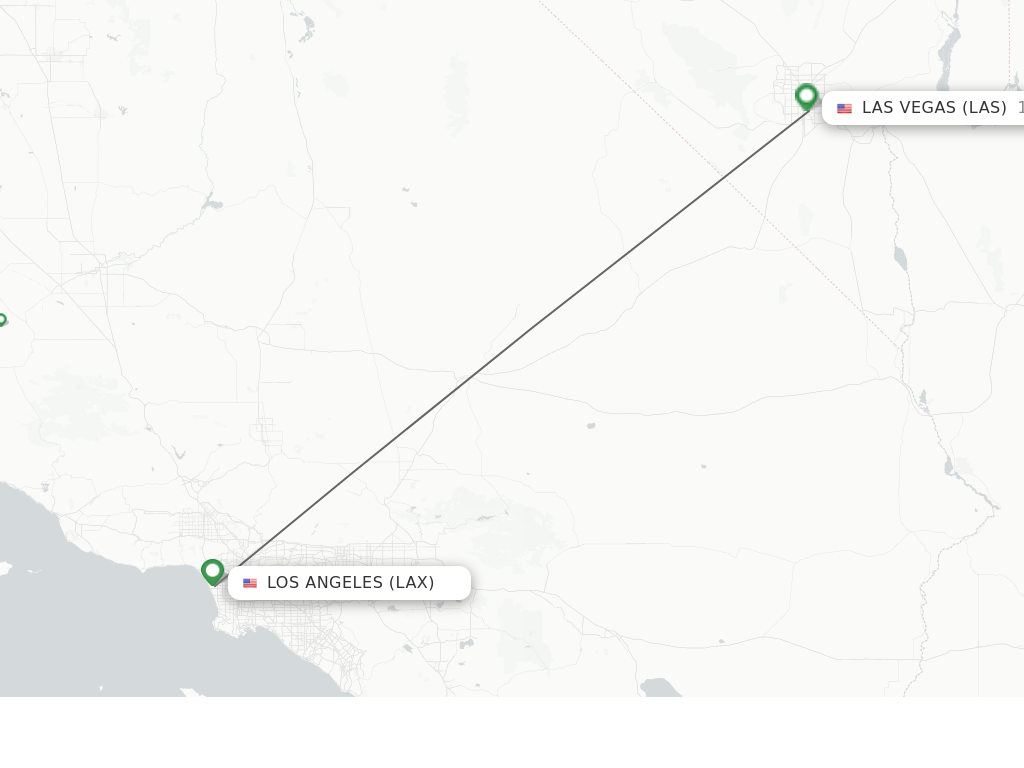
Several factors contribute to this concise travel time:
- Short Distance: The geographical distance between Los Angeles and Las Vegas is only about 270 miles (435 kilometers) as the crow flies. This minimal distance translates directly into shorter flight times.
- Favorable Airspace: The airspace between Southern California and Southern Nevada is generally well-managed and often allows for direct flight paths with minimal detours.
- High Frequency of Flights: Given the popularity of this route, airlines often schedule flights with optimized flight paths and efficient turnaround times.
Factors Influencing Actual Flight Duration
While the average is consistently under an hour and a half, several variables can cause your specific flight to be slightly shorter or longer:
- Airport Congestion: Both LAX and LAS are incredibly busy airports. Delays in taxiing to the runway, waiting for takeoff clearance, or holding for landing can add minutes to your overall journey. LAX, in particular, is known for its potential for departure delays due to its high volume of air traffic.
- Weather Conditions: While the desert climate of Las Vegas and the coastal influence of Los Angeles generally offer stable flying conditions, unexpected weather events such as high winds, thunderstorms (especially during monsoon season in the desert), or fog at LAX can impact flight schedules and sometimes necessitate slight route adjustments, adding to the flight time.
- Wind Speed and Direction: Headwinds can slow down an aircraft, while tailwinds can speed it up. The prevailing winds in the region, especially at cruising altitude, can subtly alter the time spent airborne.
- Aircraft Type and Speed: Different aircraft models have varying cruising speeds. While most flights on this route utilize similar mid-size jets, minor differences in cruising speed can account for a few minutes here and there.
- Air Traffic Control (ATC) Instructions: ATC plays a crucial role in managing the skies. Sometimes, for traffic flow optimization, planes may be instructed to fly a slightly longer route or hold in a holding pattern, which can extend the flight duration.
Direct vs. Connecting Flights
The vast majority of travelers opt for direct flights between Los Angeles and Las Vegas due to the short flight time and the abundance of options. However, if a direct flight isn’t available or a traveler is looking to maximize airline miles or find a specific fare, connecting flights are an option.
The Impact of Connections
Connecting flights on this short route are generally not recommended and significantly increase travel time. A connection would typically involve a stopover in another city, such as Phoenix, Salt Lake City, or even further afield.
- Added Travel Time: Even a short layover of an hour can add a minimum of 2-3 hours to your total journey, considering deplaning, navigating the connecting airport, and re-boarding.
- Increased Risk of Delays: Each leg of a connecting flight introduces another opportunity for delays, potentially causing you to miss your subsequent flight.
- Baggage Handling: With connecting flights, there’s always a slight risk of baggage being misrouted.
For the Los Angeles to Las Vegas route, the cost and time savings of a direct flight almost always outweigh the perceived benefits of a connecting option.
Planning Your Trip: Tips for a Smooth Journey
Knowing the approximate flight time is just one piece of the puzzle when planning your trip. Here are some additional tips to ensure your travel from Los Angeles to Las Vegas is as seamless as possible.
Pre-Flight Preparations
- Airport Choice: While LAX is the largest and most common airport in Los Angeles, consider flying from Hollywood Burbank Airport (BUR) or Long Beach Airport (LGB). These smaller airports often offer a more relaxed atmosphere, easier parking, and quicker security lines, which can significantly reduce pre-flight stress.
- Transportation to LAX: Factor in ample time for travel to LAX, especially during peak hours. Los Angeles traffic can be unpredictable. Utilize ride-sharing services, shuttles, or public transportation if you prefer to avoid parking hassles.
- Arrival at the Airport: Aim to arrive at LAX at least 2 hours before your departure for domestic flights, even for this short hop. This allows buffer time for check-in, security, and navigating the large terminal.
- Online Check-in: Most airlines allow you to check in online 24 hours in advance. This saves time at the airport and allows you to secure your seat and receive your boarding pass electronically.
During the Flight
- Carry-on Luggage: Given the short flight, many travelers opt to bring only carry-on luggage to save time upon arrival. Ensure your carry-on meets the airline’s size and weight restrictions.
- Entertainment: While the flight is short, it’s a good idea to have a book, downloaded movies, or podcasts ready. In-flight Wi-Fi is not always available or reliable on such short hops.
- Snacks and Drinks: While some airlines offer complimentary beverages, it’s often a good idea to bring your own snacks, especially if you have dietary preferences.
Post-Flight in Las Vegas
- Baggage Claim: If you checked luggage, be prepared for efficient baggage claim at LAS. The airport is well-organized for quick turnaround.
- Transportation from LAS: Options for getting from Harry Reid International Airport to your hotel on the Las Vegas Strip or downtown include taxis, ride-sharing services, airport shuttles, and rental cars. The airport is conveniently located just a few miles from the Strip.
- Hotel Check-in: Many of the iconic Las Vegas hotels, such as Bellagio, Caesars Palace, and Wynn Las Vegas, are located on or near the Strip, making for a short transfer from the airport.
Considering Alternative Travel Methods
While flying is the most common and efficient way to travel between Los Angeles and Las Vegas, it’s worth briefly considering other modes of transport for context.
Driving
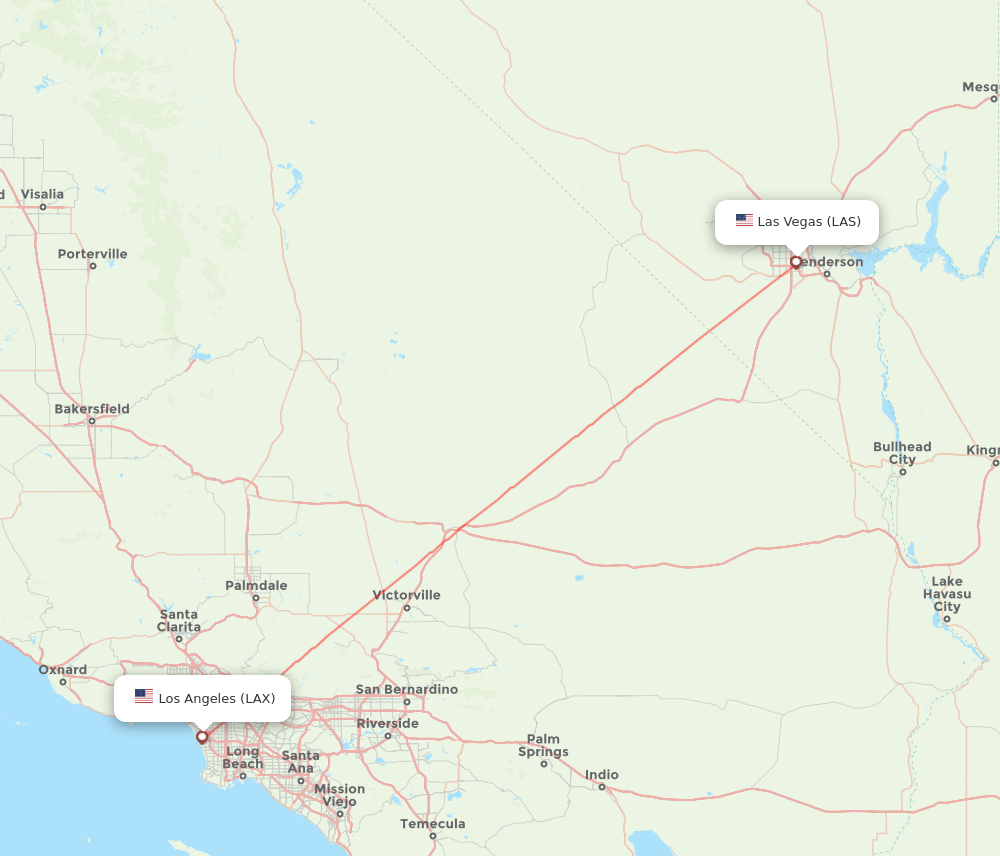
The drive from Los Angeles to Las Vegas is approximately a 4-5 hour journey, depending on traffic conditions leaving Los Angeles and the route taken (primarily Interstate 15). This offers flexibility for exploring roadside attractions or making stops, but it requires significantly more time commitment than flying.
Bus and Train
Bus services operate between the two cities, offering a budget-friendly option, though the travel time is considerably longer than driving or flying, often exceeding 6-8 hours. Train travel is not a practical or direct option for this route.
For most travelers seeking to maximize their time enjoying the vibrant nightlife, world-class dining, and entertainment that Las Vegas has to offer, the short flight from Los Angeles remains the undisputed champion of convenience and efficiency.
In conclusion, a flight from Los Angeles to Las Vegas is a brief affair, typically clocking in at around 1 hour and 15 minutes to 1 hour and 30 minutes for direct services. By understanding the factors that can influence this duration and implementing smart pre-flight strategies, you can ensure your transition from the sprawling metropolis of Los Angeles to the dazzling lights of Las Vegas is as swift and enjoyable as possible.
LifeOutOfTheBox is a participant in the Amazon Services LLC Associates Program, an affiliate advertising program designed to provide a means for sites to earn advertising fees by advertising and linking to Amazon.com. Amazon, the Amazon logo, AmazonSupply, and the AmazonSupply logo are trademarks of Amazon.com, Inc. or its affiliates. As an Amazon Associate we earn affiliate commissions from qualifying purchases.