
When travelers step onto the sun-drenched shores of Waikiki Beach or stroll through the historic streets of Honolulu, they often expect a familiar coastal soundtrack: the rhythmic crashing of waves accompanied by the raucous squawks of seagulls. However, as many observant visitors soon discover, that particular avian chorus is notably absent. Despite being surrounded by the vast Pacific Ocean, the Hawaiian Islands are not home to any resident population of seagulls.
This geographical and biological anomaly is one of the most intriguing aspects of the nature found within this United States archipelago. While seagulls are ubiquitous along the coastlines of California, Australia, and Japan, they have never established a permanent foothold in Hawaii. Understanding why these birds are missing—and identifying the magnificent species that take their place—offers a deep dive into the unique natural history and delicate ecosystems of the islands.

The Mystery of the Missing Gulls: Why Hawaii is Different
The absence of seagulls in Hawaii is not a matter of chance; it is a result of the islands’ extreme geographical isolation and specific ecological conditions. To understand this, one must look at the behavior of the Laridae family, to which seagulls belong, and the sheer distance of the islands from the nearest continental landmasses.
Geographic Isolation of the Hawaiian Archipelago
Hawaii is the most isolated island chain on Earth, situated more than 2,000 miles from the nearest continent, North America. Most species of seagulls are “coastal” birds rather than “pelagic” (open-ocean) birds. While they are excellent flyers, they typically prefer to stay within sight of land or over the relatively shallow waters of a continental shelf.
Crossing thousands of miles of deep, open ocean is a feat reserved for specialized seabirds. Seagulls generally lack the specialized salt glands and the extreme endurance required for such a journey. Unlike the Albatross, which can glide for days using wind currents, seagulls are more accustomed to scavenging along shorelines and resting on land every night. The vast “blue desert” of the Pacific Ocean acts as a natural barrier that most gulls simply cannot or choose not to cross.
Ecological Factors and Feeding Habits
Another reason for the lack of seagulls in the Hawaiian Islands is the lack of a continental shelf. Around North America, the ocean floor extends gradually, creating large areas of shallow, nutrient-rich water where gulls can easily find food. In contrast, the volcanic peaks of Hawaii, including Mauna Kea and Diamond Head, drop off precipitously into thousands of feet of water just a short distance from the shore.
Seagulls are opportunistic scavengers and generalists. They thrive in environments where they can find a mix of fish, invertebrates, and human-provided food. The ecosystems of Hawaii are highly specialized. The native marine life has evolved in a deep-water environment where birds must be highly skilled hunters. Pelagic birds in Hawaii are adapted to dive deep or fly vast distances to find schools of fish, a niche that the common seagull is not equipped to fill.
Common Misidentifications: The Birds You Actually See in Hawaii
Many tourists visiting Oahu or Maui may swear they have seen a seagull perched on a pier or soaring over the surf. In most cases, these are instances of mistaken identity. Several native and migratory birds in Hawaii share physical characteristics with seagulls, such as white and gray plumage or hooked beaks.
The Elegant Laysan Albatross
The Laysan Albatross, known locally as the Mōlī, is one of the most majestic birds in the islands. To an untrained eye, their white bodies and dark wings might resemble a large gull. However, these birds are true masters of the wind. They spend most of their lives at sea and only return to land to breed in places like Kauai and the North Shore of Oahu.
Watching a Laysan Albatross at Kaena Point State Park is a highlight for many nature enthusiasts. Unlike gulls, which flap their wings frequently, the albatross uses a technique called dynamic soaring, allowing it to cover thousands of miles with barely a wingbeat.
The Iconic White Tern (Manu-o-Kū)
In Honolulu, the bird most frequently confused with a seagull is the White Tern, or Manu-o-Kū. This delicate, ethereal bird is the official bird of the City and County of Honolulu. They are pure white with large, dark eyes and a black beak that turns blue at the base.
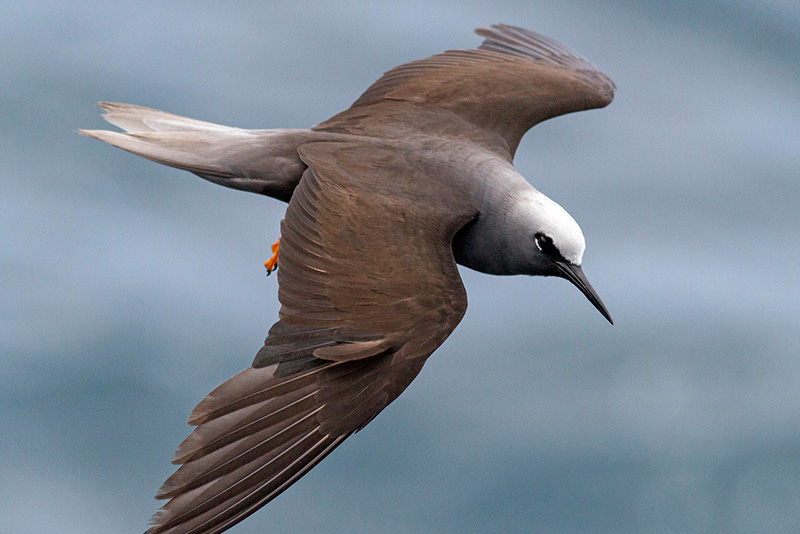
The White Tern is unique because it does not build a nest. Instead, it balances a single egg on a bare tree branch, often in busy urban areas like Iolani Palace or near the King Kamehameha Statue. Their graceful flight and coastal presence make them the primary “substitute” for seagulls in the minds of many visitors.
The Red-footed Booby and Great Frigatebird
At coastal landmarks such as Kilauea Point National Wildlife Refuge, visitors will see large seabirds that dominate the cliffs. The Red-footed Booby is easily identified by its colorful feet and blue-tinted beak. While they are around the same size as some large gulls, their pointed wings and spectacular diving behavior set them apart.
Sharing the skies with them is the Great Frigatebird, or ‘Iwa. These birds are known as the “pirates of the sky” because they often harass other birds to steal their catch. Their massive wingspan and forked tails make them look more like prehistoric creatures than common gulls, yet their presence over the coastal waters of Lanai and Molokai fills the ecological niche of a high-altitude scavenger.
Rare Sightings and Vagrant Species
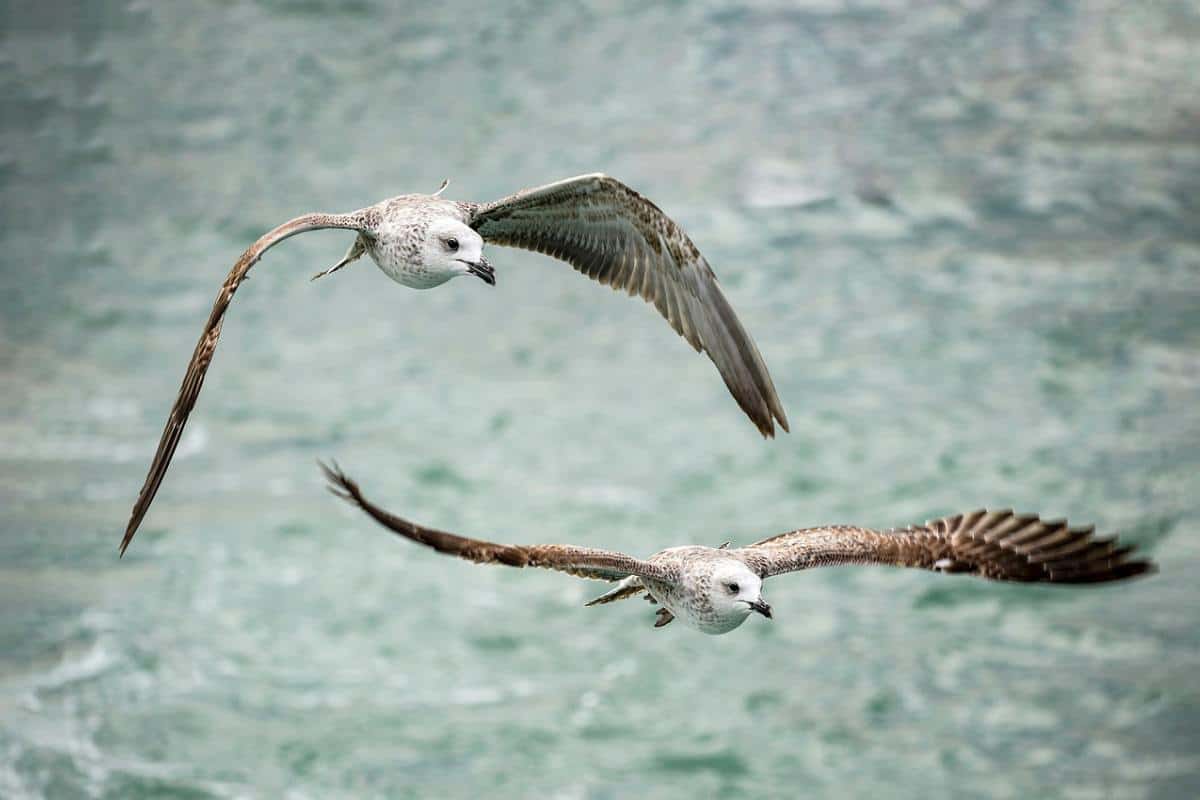
While there are no resident populations, it is technically incorrect to say a seagull has never been seen in Hawaii. Birdwatchers and ornithologists occasionally document “vagrant” gulls—individuals that have been blown off course by storms or have hitched a ride on a cargo ship departing from Los Angeles or Seattle.
When a Seagull Does Visit the Islands
The most common vagrants are the Ring-billed Gull, the Laughing Gull, and the Glaucous-winged Gull. These sightings are usually rare and involve single birds that do not stay for long. They are often found near harbors such as Pearl Harbor or Hilo Bay, where they might find easy scraps before attempting to return to their natural range or succumbing to the lack of appropriate habitat.
For the local birding community, the appearance of a Franklin’s Gull or a Bonaparte’s Gull is a major event, prompting enthusiasts to flock to the site with binoculars. However, these birds are considered “accidental” visitors and are not a part of the permanent Hawaii landscape.
Exploring the Nature Reserves and Wildlife Sanctuaries of Hawaii
To truly appreciate the absence of seagulls and the presence of Hawaii’s unique avian life, one must visit the landmarks where these birds thrive. These protected areas offer a glimpse into an ecosystem that has remained largely unchanged for millennia.
Hanauma Bay Nature Preserve
Located on the island of Oahu, Hanauma Bay Nature Preserve is famous for its snorkeling, but it is also a vital habitat for coastal birds. Here, the volcanic walls of the crater provide nesting sites for various species. While you won’t find seagulls begging for food on the sand, you will see Wedge-tailed Shearwaters (ua‘u kani) that burrow into the slopes. These birds are a vital part of the Hawaiian ecosystem, and their haunting calls at night are a staple of the coastal experience.
Kilauea Point National Wildlife Refuge
On the northernmost tip of Kauai, the Kilauea Point National Wildlife Refuge stands as one of the best places in the world to observe tropical seabirds. The historic Kilauea Lighthouse serves as a backdrop for thousands of nesting birds, including the Nene (the Hawaiian state bird). The sheer cliffs and steady trade winds create a perfect environment for birds that, unlike seagulls, are perfectly adapted to the high-energy environment of the open Pacific Ocean.
Conservation and the Future of Hawaii’s Native Birds
The absence of seagulls in Hawaii has allowed for the evolution of a very specific and delicate avian hierarchy. However, this isolation also makes the native birds extremely vulnerable to introduced threats. Because the islands lacked many natural predators for millions of years, species like the Laysan Albatross nest on the ground, making them easy targets for invasive species like mongooses, feral cats, and rats.
Conservation efforts across the islands, from the Big Island to the remote Northwestern Hawaiian Islands, are focused on protecting these unique habitats. The Papahānaumokuākea Marine National Monument, a UNESCO World Heritage Site, protects a vast area of the Pacific Ocean where these birds forage.
By maintaining the integrity of these landmarks and nature preserves, Hawaii ensures that its skies remain filled with the species that truly belong there. While the “missing” seagull may be a curiosity for the traveler, it is a testament to the incredible power of geography and evolution in shaping one of the most beautiful places on Earth. When you visit the islands, leave the expectations of the mainland behind and embrace the unique, seagull-free serenity of the Hawaiian wild.
LifeOutOfTheBox is a participant in the Amazon Services LLC Associates Program, an affiliate advertising program designed to provide a means for sites to earn advertising fees by advertising and linking to Amazon.com. Amazon, the Amazon logo, AmazonSupply, and the AmazonSupply logo are trademarks of Amazon.com, Inc. or its affiliates. As an Amazon Associate we earn affiliate commissions from qualifying purchases.