
Understanding the Florida Homestead Exemption
For those considering a long-term lifestyle change or making Florida their permanent home, understanding the homestead exemption is a critical step in managing your financial well-being and maximizing the benefits of residency. The Florida homestead exemption is a constitutional provision that provides significant property tax relief to permanent residents on their primary dwelling. It’s more than just a tax break; it’s a cornerstone of the financial lifestyle for homeowners across the Sunshine State, designed to protect a portion of a home’s value from taxation and offer certain creditor protections. This exemption reflects Florida’s commitment to supporting its residents and encouraging stable, long-term communities.
What is it and Why Does it Matter for Your Lifestyle?
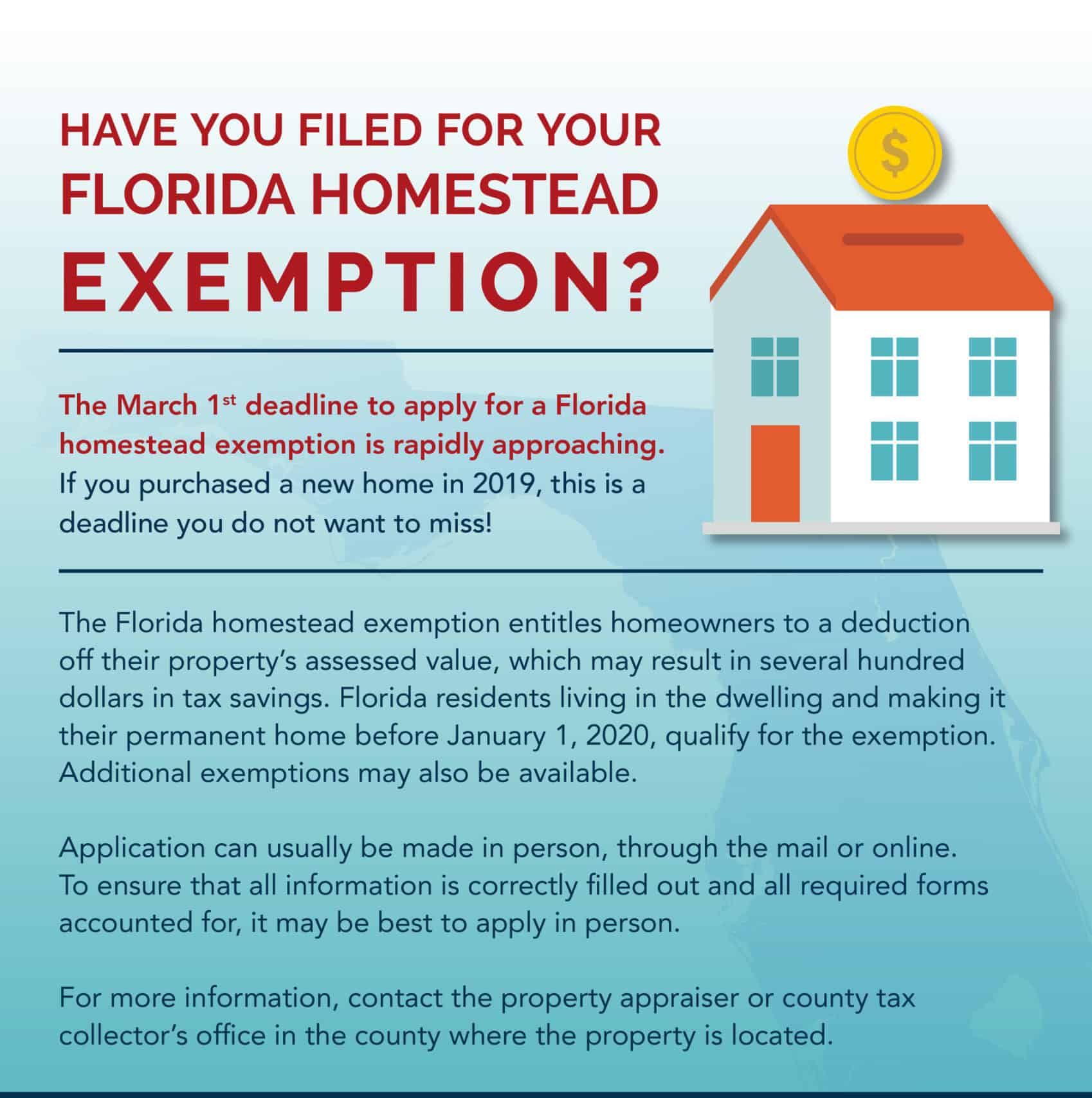
At its core, the Florida homestead exemption reduces the taxable value of your primary residence by up to $50,000. For example, if your home is assessed at $300,000, and you qualify for the full exemption, your property taxes will be calculated as if your home were worth $250,000. This tangible saving can significantly impact your annual household budget, freeing up funds for other lifestyle pursuits, investments, or simply enhancing your quality of life. Beyond the direct tax savings, the homestead exemption also offers vital asset protection. It generally protects your home from forced sale to satisfy most judgment creditors, an invaluable safeguard for your family’s primary asset and a crucial element of financial security in your chosen lifestyle. This protection can extend to spouses and dependent children, ensuring continued stability even in unforeseen circumstances.
Another significant benefit tied to the homestead exemption is the “Save Our Homes” (SOH) amendment. This cap on annual assessment increases prevents rapid escalation of property taxes. Once you have the homestead exemption, the assessed value of your home for tax purposes cannot increase by more than 3% annually, or the Consumer Price Index (CPI), whichever is lower. This provides predictable property tax costs over time, an essential factor for long-term financial planning and stability, especially for those on fixed incomes or looking for consistency in their living expenses. This stability allows residents to better plan their future, whether it involves retirement, starting a family, or simply enjoying the Florida lifestyle without unexpected financial burdens.
Eligibility Requirements: Establishing Your Florida Residency
To qualify for the homestead exemption, you must meet specific criteria designed to ensure that the benefit is extended only to bonafide permanent residents. The most fundamental requirement is that the property must be your permanent legal residence as of January 1st of the year you are applying for the exemption. This isn’t just about physically living there; it’s about proving your intent to make Florida your home permanently.
Key indicators of permanent residency include:
- Proof of Residency: You must reside at the property you are claiming as your homestead. This means it cannot be a rental property, a secondary vacation home, or a property owned by a corporation or trust that does not allow for individual residency.
- Florida Driver’s License or ID: Possessing a valid Florida driver’s license or identification card is a primary indicator of your intent to reside in the state.
- Florida Vehicle Registration: Registering your vehicle(s) in Florida further solidifies your claim of permanent residency.
- Voter Registration: Registering to vote in Florida is another strong piece of evidence.
- No Other Homestead Exemption: You cannot claim homestead exemption on any other property in Florida or any other state. This is crucial for verifying that the Florida property is indeed your primary residence.
- Children’s School Registration: If you have children, enrolling them in local Florida schools can also serve as supporting documentation.
- Employment in Florida: If applicable, proof of employment within the state can also support your residency claim.
These requirements are designed to prevent abuse of the system and ensure that the benefits are directed to genuine long-term residents who contribute to the local community and economy. Establishing your permanent residency is a conscious lifestyle choice that comes with significant financial advantages in Florida.
The Application Process: A Step-by-Step Guide
Securing your homestead exemption is a straightforward process once you understand the steps involved. While it requires attention to detail and adherence to deadlines, the long-term financial benefits make it a worthwhile endeavor for any Florida homeowner.
Gathering Necessary Documentation
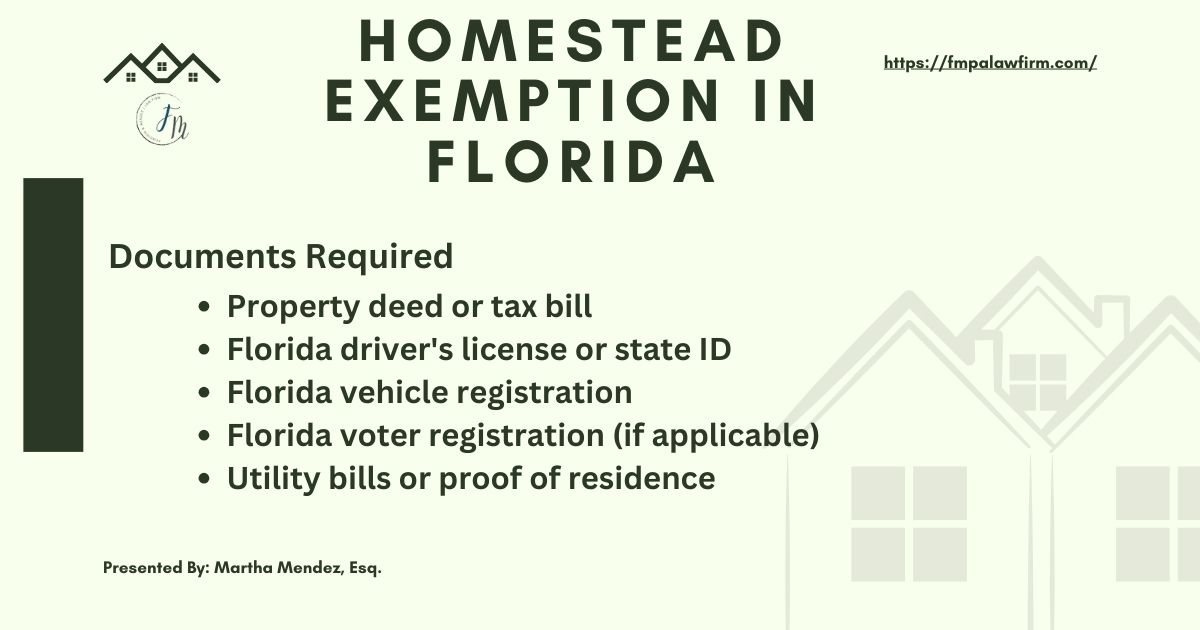
Before you even begin the application, you’ll need to compile several key documents to prove your eligibility. The exact list can vary slightly by county, but generally, you will need:
- Proof of Ownership: A copy of your recorded deed or other evidence of ownership for the property.
- Social Security Numbers: The Social Security numbers for all owners applying for the exemption.
- Florida Driver’s License or ID: A valid Florida driver’s license or state identification card for each applicant.
- Voter Registration Card: Your Florida voter registration card.
- Florida Vehicle Registration: Your Florida vehicle registration for any vehicles you own.
- Immigration Documents (if applicable): If you are not a U.S. citizen, proof of your permanent resident alien status.
- Declaration of Domicile (if recently moved): While not always mandatory, filing a Declaration of Domicile with the Clerk of Court can strongly support your claim of intent to reside permanently in Florida, especially if you’ve recently moved from another state.
It’s advisable to contact your specific County Property Appraiser’s office well in advance to obtain their precise list of required documents and any specific forms they might need. For instance, residents in Miami-Dade County will interact with the Miami-Dade County Property Appraiser, while those in Orange County will deal with the Orange County Property Appraiser. Each county will have its own portal and specific guidance.
Where and When to File Your Application
The homestead exemption application is filed with your local County Property Appraiser’s office. You can usually find their contact information and forms on your county’s official website. Many counties now offer the convenience of online applications, but some may still require in-person submission or mailing physical forms.
The filing period is critical: you must apply between January 1st and March 1st of the year you wish for the exemption to take effect. If you purchase a home in Florida on or before January 1st, you are eligible to apply for the exemption for that tax year. For example, if you close on your home on December 15, 2024, and establish it as your primary residence by January 1, 2025, you would apply between January 1 and March 1, 2025, for the 2025 tax year. Missing this deadline means you’ll have to wait until the next filing period, potentially missing out on significant tax savings for a full year.
Special Considerations for New Residents
For individuals transitioning their lifestyle to Florida from another state, proving permanent residency can sometimes require a bit more effort. If you still own property in another state, be prepared to demonstrate that you are no longer claiming residency or any similar property tax exemptions there. This might involve showing utility bills, bank accounts, or even a previous state’s driver’s license cancellation. The goal of the County Property Appraiser is to ascertain your genuine intent to make Florida your permanent and principal home. The smoother your transition, the easier it will be to present a clear case for your Florida residency.
Benefits Beyond Tax Savings: Portability and Additional Exemptions
The Florida homestead exemption system offers more than just the initial property tax reduction; it also includes valuable provisions for homeowners who choose to move within the state, along with additional exemptions for specific groups, further enriching the lifestyle benefits for eligible residents.
Homestead Exemption Portability
One of the most appealing features for dynamic individuals and families in Florida is the “portability” of the Save Our Homes (SOH) benefit. This allows homeowners to transfer a significant portion of their accumulated SOH tax savings from one Florida homestead to another. If you sell your homestead and purchase a new one within Florida within two years, you can transfer up to $500,000 of your assessed value difference. This means if your old home had a significant difference between its market value and its assessed value (due to the SOH cap), you can carry over a portion of that tax benefit to your new home. This effectively reduces the taxable value of your new residence, potentially saving you thousands in property taxes and making it easier to upgrade or downsize your living situation without a sudden surge in tax liability. Portability is a game-changer for maintaining financial stability while adapting your living arrangements to suit evolving lifestyle needs, whether it’s moving to a larger home for a growing family or a smaller one for retirement.
Widow/Widower, Veteran, and Disability Exemptions
Florida also provides additional exemptions for certain qualified individuals, further supporting a diverse range of lifestyles and needs:
- Widow/Widower Exemption: A $500 exemption is available to widows and widowers. If they remarry, they are no longer eligible.
- Disability Exemptions:
- A $500 exemption for those who are totally and permanently disabled.
- A full exemption for quadriplegics.
- A full exemption for veterans who are honorably discharged with a service-connected total and permanent disability. This can significantly reduce or even eliminate property tax burdens for those who have served.
- Senior Exemptions: Many counties offer additional exemptions for seniors who meet specific income and age requirements, further solidifying Florida’s reputation as a desirable retirement destination. For example, residents in Broward County may find specific senior exemptions tailored to their local property tax structure, while those in Pinellas County would consult their local appraiser.
These additional exemptions reflect Florida’s commitment to supporting its residents, particularly those who have served their country or face specific challenges, ensuring that their chosen lifestyle in the state is as comfortable and financially secure as possible.
Maintaining Your Exemption and Avoiding Pitfalls
Once you have successfully applied and received your homestead exemption, the process largely becomes automatic. However, there are crucial steps and considerations to ensure you retain this valuable benefit and avoid potential issues that could jeopardize your financial well-being in Florida.
Annual Review and Re-application
In most Florida counties, once your homestead exemption is granted, it automatically renews each year as long as your eligibility status hasn’t changed. You will typically receive an annual notice from your County Property Appraiser, often called a “Homestead Renewal Notice” or a similar designation. It is vital to review this notice carefully. It will confirm that your exemption is active and ask you to notify the appraiser’s office if there have been any changes to your eligibility (e.g., if you’ve moved, rented out the property, or are claiming another exemption elsewhere). If you do not receive this notice or if any information appears incorrect, contact your County Property Appraiser’s office immediately. While automatic renewal is convenient, neglecting to verify your status or update changes can lead to the loss of your exemption and potentially back taxes.
Common Mistakes to Avoid
Understanding potential pitfalls can save you significant trouble and expense:
- Missing the Application Deadline: This is the most common mistake. Failing to apply between January 1st and March 1st for the initial exemption year means you will miss out on the savings for that entire tax cycle.
- Claiming Multiple Exemptions: You can only claim one homestead exemption anywhere in the world. If you own properties in Florida and another state, you cannot claim homestead in both. Claiming two homesteads can lead to severe penalties, including repayment of past tax savings, hefty fines, and interest charges. The state actively cross-references databases to identify such situations.
- Renting Out Your Homestead: If you rent out your entire homestead property, even for a portion of the year, it generally ceases to be your permanent residence. This can disqualify you from the exemption. Small, incidental rentals (like a single room) might be permissible depending on the county, but it’s best to consult your Property Appraiser.
- Transferring Ownership: If you transfer your property into a trust or other entity, review the implications for your homestead exemption with legal counsel. Not all trusts are structured to allow for the continued claim of homestead exemption by the individual beneficiary.
- Failure to Notify of Changes: Any change in marital status, ownership, or primary residency status must be reported to the Property Appraiser. Forgetting to do so can lead to issues down the line.
By staying vigilant and adhering to the guidelines, homeowners can comfortably enjoy the lasting financial benefits of the Florida homestead exemption as an integral part of their chosen lifestyle.
Making Florida Your Permanent Home: A Lifestyle Choice
Establishing your homestead in Florida is more than just a bureaucratic task; it’s a deliberate lifestyle decision with long-term financial implications. From the initial tax savings that reduce your annual living expenses to the asset protection that secures your home, the homestead exemption is a testament to the benefits of choosing Florida as your permanent residence. The additional provisions for portability and special exemptions further enhance the state’s appeal, offering flexibility and support for various life stages and circumstances. By diligently navigating the application process and understanding the ongoing requirements, you can unlock these significant advantages and fully embrace the unique and vibrant lifestyle that Florida has to offer. This commitment to permanent residency helps you root yourself in a community and allows you to truly experience the financial and personal freedoms that come with calling the Sunshine State home.
LifeOutOfTheBox is a participant in the Amazon Services LLC Associates Program, an affiliate advertising program designed to provide a means for sites to earn advertising fees by advertising and linking to Amazon.com. Amazon, the Amazon logo, AmazonSupply, and the AmazonSupply logo are trademarks of Amazon.com, Inc. or its affiliates. As an Amazon Associate we earn affiliate commissions from qualifying purchases.