
Understanding the economic landscape of any destination is crucial for both residents and visitors planning their stays, and Las Vegas, Nevada, is no exception. While the glitz and glamour of the Strip often dominate the narrative, the underlying economic factors, such as the minimum wage, play a significant role in shaping the city’s character and the experiences available to tourists. This article delves into the current minimum wage in Las Vegas, its implications for the local workforce, and how it might subtly influence the tourism and hospitality sectors that define this vibrant desert metropolis.
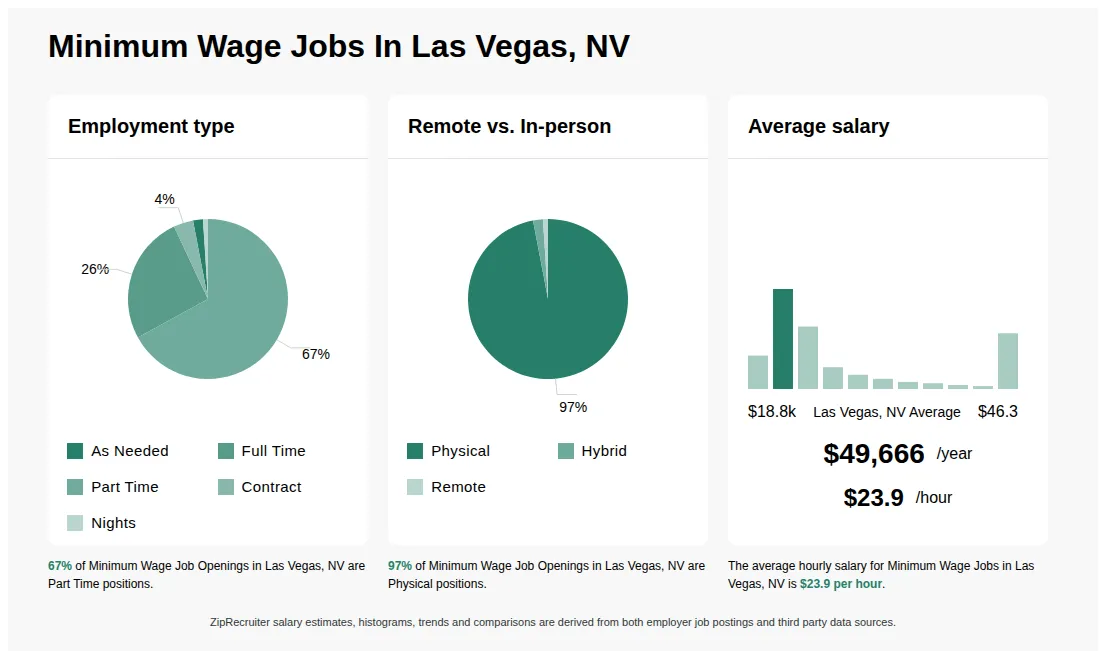
The minimum wage is a fundamental aspect of labor economics, establishing a baseline for hourly earnings. In Nevada, the minimum wage is not a single, static figure but rather adjusts based on whether employees are offered health benefits by their employers. This distinction is particularly relevant in Las Vegas, where a substantial portion of the workforce is employed in the hospitality and service industries, often involving direct interaction with tourists.
The Nevada Minimum Wage Structure
Nevada operates under a bifurcated minimum wage system. This means that employers have two distinct minimum wage rates they must adhere to, depending on the health insurance benefits they provide to their employees.
Wage Rates with Health Benefits
For employers who offer qualifying health insurance benefits to their employees, the minimum wage is set at a lower rate. This rate is designed to acknowledge the employer’s contribution towards employee well-being through health coverage. As of the most recent adjustments, this rate stands at $11.25 per hour. This figure represents the minimum an employer must pay an employee per hour if they are providing health insurance that meets the state’s defined standards.
Wage Rates Without Health Benefits
Conversely, for employers who do not offer qualifying health insurance benefits to their employees, a higher minimum wage is mandated. This ensures that employees who are not covered by employer-sponsored health insurance receive a greater hourly wage to potentially offset their healthcare costs or provide for other essential needs. This rate is set at $12.25 per hour.
These rates are subject to adjustments based on the cost of living and other economic indicators, ensuring they remain somewhat aligned with the prevailing economic conditions in Nevada. It is essential for both employers and employees to stay informed about any upcoming legislative changes or annual adjustments to these figures, as they can impact payroll and personal income.
How the Minimum Wage Affects Las Vegas Tourism
The minimum wage in Las Vegas has a direct and indirect impact on the tourism industry. Indirectly, it shapes the affordability and availability of services that tourists rely on, from housekeeping staff at the grand resorts like the Bellagio and Caesars Palace to servers in the countless restaurants and bars along the Las Vegas Strip.
Impact on Service Quality and Staff Morale:
A robust minimum wage can contribute to a more stable and motivated workforce. When employees feel fairly compensated, it can translate into improved customer service, greater attentiveness, and a more positive overall experience for tourists. This is particularly critical in a city built on providing exceptional guest services. Higher wages can reduce employee turnover, meaning that visitors are more likely to encounter experienced and well-trained staff who are knowledgeable about the amenities and attractions of their establishments.
Conversely, a minimum wage that is perceived as insufficient could lead to higher turnover rates, increased workload for remaining staff, and potentially a decline in service quality. While Las Vegas is known for its high-energy entertainment and luxury offerings, the foundation of these experiences rests on the people who staff the hotels, casinos, and entertainment venues.
Consumer Spending Power:
The minimum wage also influences the disposable income of local residents. When a larger segment of the population earns a living wage, they have more discretionary income to spend on local goods and services. This can create a ripple effect, supporting smaller businesses, restaurants, and entertainment options beyond the major resorts. For tourists looking for authentic local experiences, a stronger local economy fueled by fair wages can lead to a more diverse and vibrant offering of activities and dining opportunities.
Employer Costs and Pricing:
For businesses operating in Las Vegas, the minimum wage represents a significant operational cost. Employers must factor these labor costs into their pricing strategies for rooms, dining, and entertainment. In a highly competitive market like Las Vegas, businesses constantly seek to balance cost management with offering competitive prices and high-quality services. The minimum wage directly influences this balance. It can push businesses to find efficiencies, invest in technology that complements human labor, or adjust their pricing to reflect higher labor expenses. This dynamic can affect the overall cost of a vacation in Las Vegas, subtly influencing travel decisions for budget-conscious visitors.
Minimum Wage and the Las Vegas Hospitality Workforce
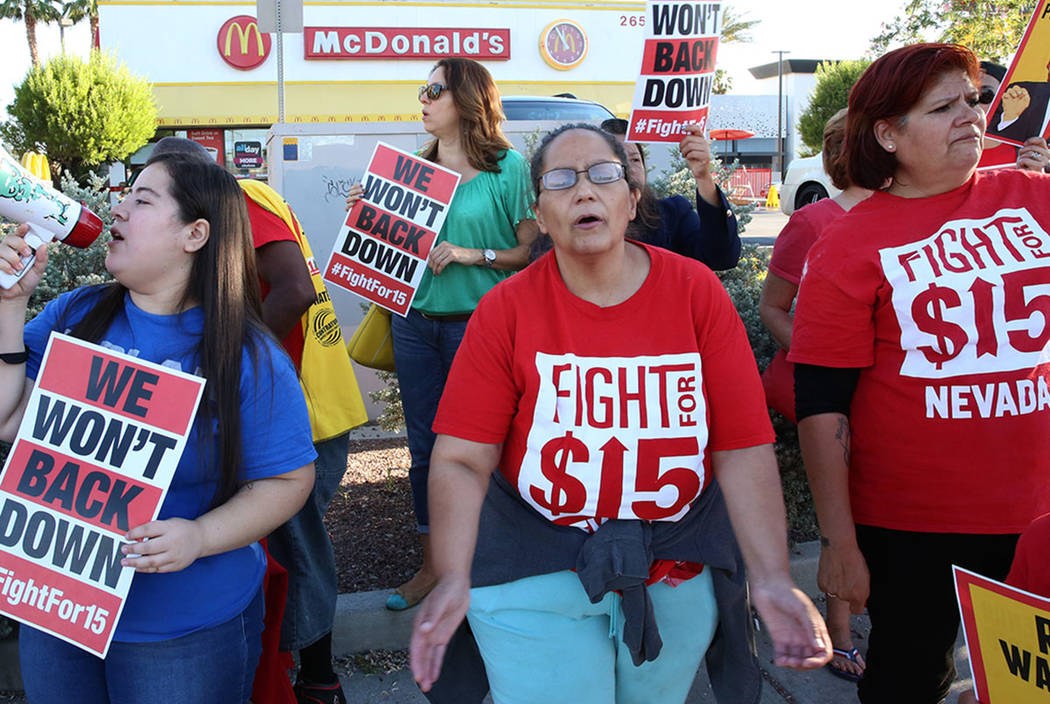
The hospitality sector in Las Vegas is the primary employer for a vast number of individuals, and the minimum wage directly impacts their livelihoods. From bellhops and housekeepers to cocktail waitresses and kitchen staff, these roles are fundamental to the operation of the city’s iconic hotels and casinos.
Essential Roles and Fair Compensation
Many of the service roles that are vital to the Las Vegas experience operate at or near the minimum wage. This includes positions that often involve demanding physical labor, long hours, and direct interaction with a diverse clientele. Advocates for a higher minimum wage argue that it is a matter of economic justice, ensuring that individuals working in these essential jobs can earn a sufficient income to support themselves and their families.
The distinction between the wage with and without health benefits is particularly pertinent here. Many hospitality workers, especially those in entry-level positions, may not receive employer-sponsored health insurance, making them eligible for the higher minimum wage. This aspect of Nevada‘s law aims to provide a financial cushion for those bearing the full burden of healthcare costs.
The Impact on Different Establishments
The minimum wage’s effect can vary across different types of establishments. Larger resorts and hotel chains with significant resources might absorb the labor costs more easily, potentially offering wages above the minimum to attract and retain talent. Smaller, independent businesses, however, might find the mandated minimum wage a greater challenge to manage, potentially leading to adjustments in staffing levels or service offerings.
This can influence the type of experiences available to tourists. While the mega-resorts on the Strip can often afford to maintain high staffing levels and offer premium services, smaller venues might operate with leaner teams, which could affect the pace of service or the range of amenities offered.
Unionization and Collective Bargaining
It is also important to note that many hospitality workers in Las Vegas are members of labor unions, such as the Culinary Workers Union Local 226. These unions often negotiate contracts that establish wage scales, benefits, and working conditions that are significantly higher than the state-mandated minimum wage. Collective bargaining can therefore create a more favorable economic environment for a substantial portion of the Las Vegas workforce, ensuring that many individuals in critical service roles earn substantially more than the legal minimum. This is a key factor that distinguishes the economic reality for many Las Vegas hospitality workers from those in other cities with less unionized workforces.
Understanding Your Budget: Minimum Wage and Travel Costs
For travelers planning a trip to Las Vegas, understanding the minimum wage provides a subtle but important lens through which to view potential travel costs. While you won’t see a direct line item for “minimum wage” on your hotel bill or dining receipt, the economic conditions shaped by labor laws can influence the overall price of your vacation.
The Relationship Between Labor Costs and Service Prices
As discussed, higher labor costs for businesses, driven by minimum wage laws, can be passed on to consumers through prices for goods and services. This doesn’t necessarily mean Las Vegas becomes prohibitively expensive, but it contributes to the overall cost structure of the tourism industry.
When considering accommodation at a renowned resort like The Venetian or a more budget-friendly option like the Luxor Hotel and Casino, the labor involved in cleaning rooms, maintaining facilities, and providing customer service is a significant factor in pricing. Similarly, dining at a celebrity chef’s restaurant or enjoying a casual meal at a food court involves labor costs that are influenced by the prevailing wage rates.
The Value of Service in Las Vegas
The Las Vegas experience is heavily reliant on the quality of service provided. The minimum wage, in conjunction with union contracts and market forces, helps to ensure that a workforce is available to deliver these services. For tourists who value attentive service, efficient operations, and a generally pleasant experience, the underlying economic support for the workforce is indirectly contributing to that value.
Travelers who are conscious of their spending can leverage this understanding by seeking out deals, utilizing resort loyalty programs, and exploring a variety of dining and entertainment options. However, recognizing the cost of labor provides a deeper appreciation for the economic realities that underpin the services they enjoy.

Economic Stability and Visitor Experience
A stable and fairly compensated workforce contributes to the overall economic stability of a city. In Las Vegas, this translates into a more reliable and professional service industry. For visitors, this means a greater likelihood of enjoying a seamless and enjoyable trip, free from the disruptions that can arise from labor disputes or a demotivated workforce. The minimum wage, therefore, plays a quiet but essential role in supporting the intricate ecosystem that makes Las Vegas a premier global destination for entertainment and leisure. It’s a factor that, while not always at the forefront of a traveler’s mind, underpins the very fabric of the Las Vegas hospitality experience.
LifeOutOfTheBox is a participant in the Amazon Services LLC Associates Program, an affiliate advertising program designed to provide a means for sites to earn advertising fees by advertising and linking to Amazon.com. Amazon, the Amazon logo, AmazonSupply, and the AmazonSupply logo are trademarks of Amazon.com, Inc. or its affiliates. As an Amazon Associate we earn affiliate commissions from qualifying purchases.