
Understanding the minimum wage in any state is a fundamental aspect of managing one’s lifestyle, especially for those considering relocation, extended stays, or simply navigating daily life within a specific budget. In Connecticut, a state known for its scenic beauty, historical significance, and strategic location between New York City and Boston, the minimum wage plays a pivotal role in shaping the economic realities for a significant portion of its workforce. For residents and prospective newcomers alike, grasping the current rates, historical trajectory, and future outlook of the minimum wage is essential for financial planning and assessing the overall cost of living.

Understanding Connecticut’s Minimum Wage Landscape
Connecticut has been proactive in increasing its minimum wage, reflecting a broader national trend towards ensuring a living wage for workers. This progressive stance has made the state one of the leaders in the Northeast when it comes to minimum wage rates, directly impacting the lifestyle choices and financial stability of thousands of individuals and families. The journey to its current rate has involved carefully phased increases, designed to provide predictability for both employees and businesses.
Historical Context and Recent Increases
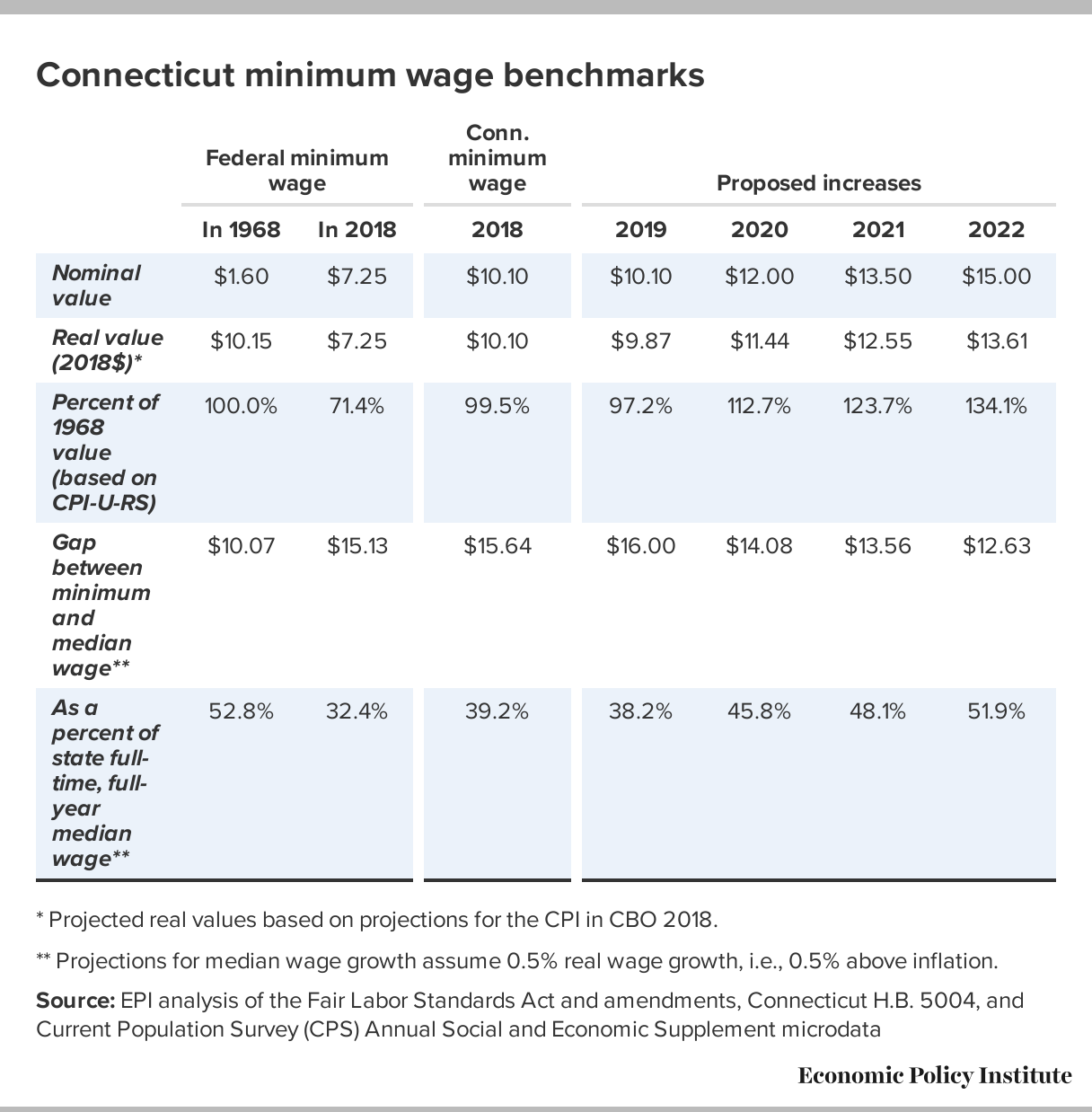
For many years, the federal minimum wage of $7.25 per hour set the baseline for much of the nation. However, Connecticut, like many other states, recognized the need to surpass this federal standard to better align with the rising cost of living. The state embarked on a multi-year plan to incrementally increase its minimum wage, demonstrating a commitment to improving the economic well-being of its low-wage earners. This plan, often heralded by worker advocacy groups, aimed to provide a more sustainable income floor, enabling individuals to better afford essential goods and services. The phased approach allowed businesses to adapt to the changing labor costs, minimizing abrupt shocks to their operational budgets. These increases have been significant, moving the state from just above the federal minimum to one of the highest state minimum wages in the nation, a clear indicator of Connecticut’s progressive economic policies.
The Current Rate and Future Projections
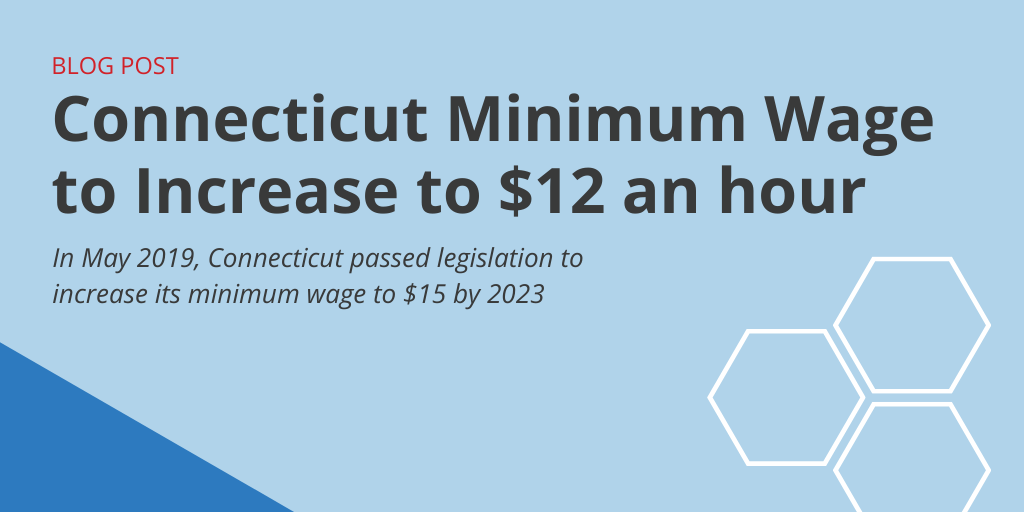
As of June 1, 2024, the minimum wage in Connecticut stands at $15.69 per hour. This rate is a direct result of the legislative mandate to increase the minimum wage to $15 per hour by June 1, 2023, followed by annual adjustments tied to the federal Employment Cost Index, specifically for wages and salaries of all private industry workers. This indexation ensures that the minimum wage continues to keep pace with broader economic trends and inflationary pressures, preventing its purchasing power from eroding over time. The indexing mechanism means that the minimum wage will automatically adjust each year on October 1st, based on the prior year’s economic data. This commitment to an annually adjusted minimum wage offers a degree of financial certainty for workers, allowing them to better plan their budgets and lifestyle choices without the constant worry of their income falling behind the cost of living. For someone planning an extended stay or considering making Connecticut their home, this predictable growth in minimum wage provides a crucial insight into their future financial outlook.
The Impact on Lifestyle and Cost of Living in Connecticut
The minimum wage rate directly influences the overall cost of living and the quality of life achievable for individuals and families in Connecticut. While a higher minimum wage offers improved purchasing power, Connecticut is also known for being one of the more expensive states to live in, particularly in certain regions. Understanding this interplay is vital for anyone budgeting for accommodation, daily expenses, or contemplating a lifestyle in the state.
Housing and Accommodation Expenses
Housing is often the most significant expenditure for any individual or family, and Connecticut presents a diverse landscape of housing costs. Cities like Stamford and other municipalities in Fairfield County, being close to New York City, command some of the highest rents and property values in the nation. Even in more affordable areas, securing comfortable accommodation on a minimum wage income can be challenging. An individual earning $15.69 per hour, working a full-time 40-hour week, would gross approximately $2,500 per month before taxes. When considering the common financial advice that housing costs should not exceed 30% of gross income, this leaves approximately $750 per month for rent. In many parts of Connecticut, particularly for a single-person apartment, finding suitable housing within this budget can be difficult, often requiring creative solutions such as shared living arrangements or commuting from more distant, less expensive locales. This reality significantly shapes the lifestyle choices available, influencing everything from daily commute times to access to local amenities and social opportunities.
Daily Essentials and Transportation
Beyond housing, the cost of daily essentials like groceries, utilities, and transportation also impacts a minimum wage earner’s lifestyle. While grocery prices can vary, Connecticut generally aligns with the national average or is slightly above it. Utilities, including electricity, heating, and internet, can be substantial, especially during extreme weather seasons. Transportation costs are another critical factor. While some urban centers like New Haven or Hartford offer public transit options, large parts of the state are car-dependent. Owning, insuring, and maintaining a vehicle, along with fuel costs, represents a significant drain on a minimum wage budget. This forces many to prioritize proximity to work or public transport hubs, often at the expense of housing affordability or preferred neighborhood amenities. These considerations are paramount for anyone planning their lifestyle in Connecticut, particularly those focused on budget travel or extended stays where understanding every outgoing expense is crucial.
Regional Variances Within Connecticut
It is important to acknowledge that Connecticut’s cost of living is not uniform. The state exhibits significant regional disparities. Fairfield County, bordering New York City, is notably more expensive than counties in the eastern or northern parts of the state. For instance, living in Bridgeport or Stamford will typically incur higher costs for housing and services compared to living in cities like Norwich or Waterbury. These regional differences profoundly affect the lifestyle one can maintain on a minimum wage. An individual in a lower-cost region might find their minimum wage income stretches further, allowing for more discretionary spending or better savings, whereas someone in a high-cost area might find themselves in a constant battle to meet basic needs. This geographical nuance is critical for anyone assessing the viability of working and living in different parts of Connecticut, influencing decisions about where to seek employment, housing, and leisure activities.
Navigating Life on a Minimum Wage Budget
For those earning the minimum wage in Connecticut, effective financial management and strategic lifestyle choices are paramount. This involves not just cutting back, but intelligently allocating resources to optimize quality of life and pursue personal goals, whether that’s saving for the future, enjoying local attractions, or planning for a more permanent residency.
Budgeting for Extended Stays and Relocation
Prospective residents or those planning extended stays in Connecticut on a minimum wage income must engage in rigorous financial planning. A detailed budget that accounts for all fixed and variable expenses is indispensable. Beyond housing and utilities, consider healthcare costs, which can vary significantly, and the expense of personal care items. Exploring shared housing options, such as renting a room or finding roommates, can drastically reduce housing outlays. For transportation, leveraging public transit where available, carpooling, or living within walking or cycling distance of work can mitigate significant costs. Utilizing state and local assistance programs for food, healthcare, or energy can also provide critical support, helping to stabilize one’s financial footing. Understanding these resources is a key part of adapting one’s lifestyle to the economic realities of living on a minimum wage.
Exploring Affordable Lifestyles and Leisure
Living on a minimum wage does not necessarily mean foregoing all leisure or cultural experiences; rather, it requires a mindful approach to spending and an exploration of Connecticut’s many affordable attractions. Many state parks, beaches, and hiking trails offer free or low-cost access, providing opportunities for outdoor recreation and relaxation. Public libraries and community centers often host free events, workshops, and cultural programs. Exploring farmers’ markets can offer more affordable produce than traditional supermarkets, while also supporting local agriculture. Educational institutions like Yale University in New Haven offer various public lectures, museums, and events, often with free admission. For dining, seeking out local eateries with daily specials or focusing on home-cooked meals can significantly cut down on food expenses. Embracing these more economical yet enriching lifestyle choices allows individuals to enjoy the richness of Connecticut without overextending their budget.
Employment and Economic Outlook
The minimum wage in Connecticut isn’t just a figure; it’s a dynamic factor influencing employment trends, industry practices, and the broader economic health of the state. Understanding which sectors are most affected and the wider ripple effects provides a more complete picture of the lifestyle implications for workers.
Industries Primarily Affected
The minimum wage directly impacts industries that typically rely on entry-level or hourly paid positions. These often include sectors such as retail trade, hospitality and food services, healthcare support, and administrative services. Within Connecticut’s diverse economy, these industries represent a significant portion of the workforce. For instance, in the vibrant tourism sector, many roles from hotel staff to restaurant servers are compensated at or near the minimum wage. Similarly, caregiving roles in the burgeoning healthcare sector also frequently fall into this category. The increases in minimum wage have put upward pressure on these employers to adjust their compensation structures, which can lead to various outcomes, from increased operational costs for businesses to enhanced earnings and potentially improved job satisfaction for employees.
The Broader Economic Ripple Effect
The implications of Connecticut’s minimum wage extend beyond individual paychecks. A higher minimum wage is often intended to boost consumer spending, as low-wage earners are likely to spend any extra income on essential goods and services, injecting capital back into local economies. This increased demand can stimulate business growth and potentially create more jobs. Furthermore, a higher minimum wage can reduce employee turnover rates, as workers are more likely to stay in jobs that offer competitive pay. This can lead to decreased training costs for businesses and a more experienced, productive workforce. While some businesses may face challenges in adapting to increased labor costs, the overall aim of the state’s minimum wage policy is to foster a more equitable and robust economy where a greater number of residents can achieve a sustainable lifestyle. For those considering a life or an extended stay in Connecticut, observing these economic shifts is crucial for understanding the evolving landscape of employment and financial well-being within the state.
LifeOutOfTheBox is a participant in the Amazon Services LLC Associates Program, an affiliate advertising program designed to provide a means for sites to earn advertising fees by advertising and linking to Amazon.com. Amazon, the Amazon logo, AmazonSupply, and the AmazonSupply logo are trademarks of Amazon.com, Inc. or its affiliates. As an Amazon Associate we earn affiliate commissions from qualifying purchases.