
Yes, absolutely! Southern California offers fantastic opportunities for catching squid, transforming a simple fishing trip into an exciting and accessible tourism activity for both seasoned anglers and curious novices. The region’s rich marine environment, particularly its deep canyons and nutrient-rich currents, attracts vast schools of market squid (Doryteuthis opalescens) throughout various seasons, making it a popular target for recreational fishing. This unique experience allows visitors to connect directly with the vibrant local marine life, enjoy the stunning coastal scenery, and even harvest their own fresh seafood.
Unveiling the Calamari Capital: Squid Fishing in Southern California
Squid fishing, often referred to as “calamari fishing” by locals and enthusiasts, is more than just a pastime; it’s a quintessential Southern California experience that blends adventure with culinary reward. Unlike many other forms of fishing that require extensive knowledge of specific fish behaviors or elaborate baiting techniques, squid fishing is relatively straightforward and highly rewarding, making it an ideal activity for tourists looking for an authentic local engagement. The vibrant lights reflecting off the water at night, the sudden tug of a squid on the line, and the camaraderie among fellow anglers create a memorable atmosphere.
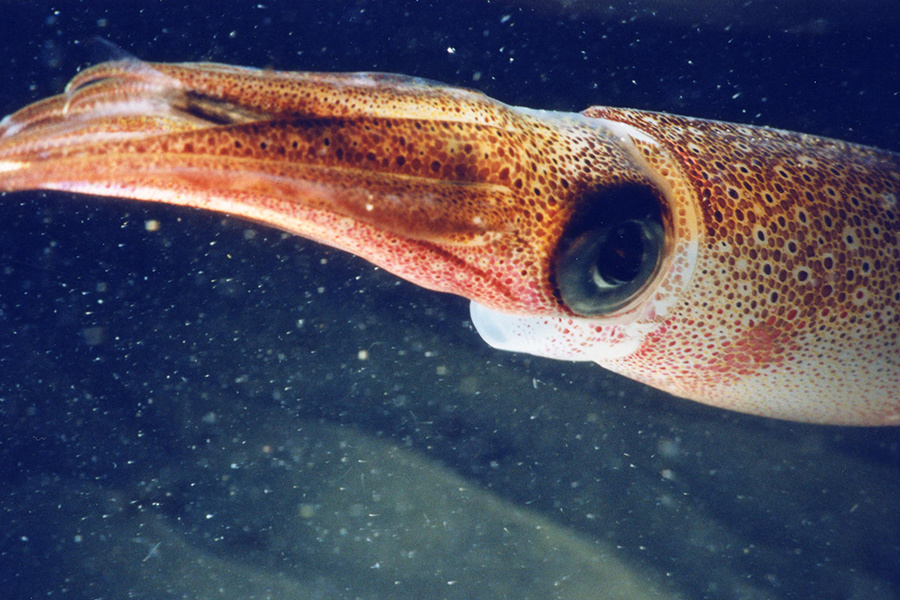
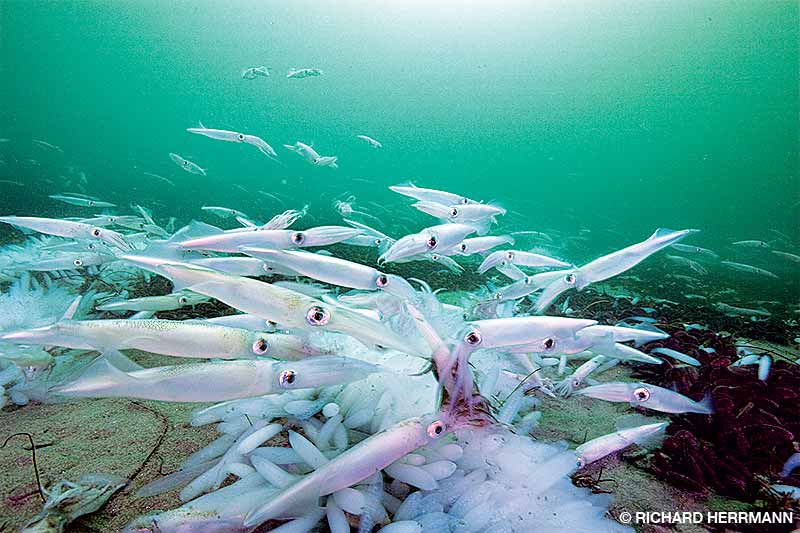
The abundance of market squid in the waters off Southern California is primarily due to their schooling behavior and their importance as a forage species for larger predators like sea lions, dolphins, and various game fish. These dynamic populations migrate closer to shore during certain times of the year, particularly for spawning, bringing them within reach of pier anglers and small boats. This accessibility is what makes squid fishing such a popular draw, offering a unique opportunity to harvest fresh, delicious seafood with minimal investment in specialized gear. It’s an activity that truly immerses you in the coastal lifestyle, offering a hands-on experience that many visitors cherish long after their trip concludes.
Prime Time and Hot Spots: Where and When to Find Them
Understanding the seasonal patterns and identifying the best locations are key to a successful squid fishing excursion in Southern California. While squid can be present year-round, certain periods offer significantly better chances for a bountiful catch, especially for those venturing out for the first time.
Seasonal Patterns
The prime season for catching market squid in Southern California typically runs from late fall through spring, peaking in the cooler months of winter. During this time, vast schools of squid migrate closer to shore for spawning, making them more accessible from piers and near-shore boats. Water temperature plays a significant role; squid prefer cooler waters, which is why the winter and early spring months, generally from November to April, are often the most productive. However, it’s not uncommon to find smaller schools or “pockets” of squid throughout the summer months, especially in deeper water areas or during cooler spells.
Squid are also highly attracted to light. Therefore, night fishing is almost universally considered the most effective time to catch them. The glow of pier lights or boat lights attracts plankton, which in turn attracts the squid, concentrating them in an accessible area. Many dedicated squid anglers head out just after sunset and fish well into the night, often until the early hours of the morning, when the action can be at its peak.
Top Piers and Harbors
Southern California boasts numerous accessible piers and harbors renowned for squid fishing. These locations offer convenience, safety, and often feature amenities that enhance the experience.
- Redondo Beach Pier: Consistently one of the most popular and productive spots. The pier itself has excellent lighting, and the deep waters nearby are often teeming with squid. It’s a vibrant place, perfect for tourists, with bait shops and restaurants readily available.
- Santa Monica Pier: While primarily known as a tourist attraction, Santa Monica Pier can be surprisingly good for squid, especially on cooler nights. Its iconic status adds a unique backdrop to your fishing adventure.
- Long Beach and San Pedro Area Piers: Piers like the Belmont Pier in Long Beach and the various fishing spots around the Port of Los Angeles in San Pedro can be excellent. These areas benefit from commercial port lights that further attract squid.
- Dana Point Harbor: Further south, Dana Point Harbor and its associated piers offer good opportunities, particularly for those looking for a slightly less crowded experience than the more central Los Angeles County piers.
- San Diego Piers: In San Diego County, fishing piers such as Ocean Beach Pier and Imperial Beach Pier can yield good catches, especially during peak season. The vibrant fishing community here often provides helpful local tips.
For those venturing out on boats, the areas just offshore from these popular piers, as well as near submarine canyons such as the La Jolla Canyon, are prime locations. Charter boats specializing in night fishing trips often target these productive spots, providing all the necessary gear and expertise.
Your Essential Guide to a Successful Catch
Embarking on a squid fishing adventure requires minimal specialized knowledge but a few key pieces of equipment and a basic understanding of technique will significantly boost your success and enjoyment.
Gear Up: What You’ll Need
The beauty of squid fishing lies in its simplicity. You don’t need heavy-duty rods or reels, nor intricate bait setups.
- Rod and Reel: A light to medium-action spinning rod (6-8 feet) paired with a reel spooled with 8-15 lb test monofilament or braided line is perfect. This setup is versatile enough for squid but also capable of handling any incidental catches.
- Squid Jigs: This is the most crucial piece of equipment. Squid jigs are specialized lures designed to attract and hook squid. They typically feature a weighted body, often luminescent or brightly colored (green, pink, orange are popular), and a crown of barbless upward-pointing hooks. Different sizes are available, with larger jigs often preferred for deeper water or bigger squid. Many anglers use multiple jigs on a dropper loop rig to increase their chances.
- Lights (Optional but Recommended): While pier lights often suffice, having a personal headlamp or a battery-powered submersible fishing light can significantly improve your catch rate. Submersible lights, in particular, are incredibly effective at drawing squid to your fishing area.
- Bucket and Cooler: Essential for holding your catch. Squid can squirt ink, so a dedicated bucket for immediate deposit is wise. A cooler with ice is crucial for keeping your squid fresh, especially if you plan to transport them home.
- Gloves and Rags: Squid can be slimy and inky. Gloves protect your hands, and rags are useful for cleaning up.
Most bait and tackle shops near popular piers in Southern California will stock all the necessary squid fishing gear, and some even offer rentals, making it convenient for tourists.
Mastering the Technique
Squid fishing primarily involves a technique known as “jigging.” It’s an active and engaging method that keeps you involved in the process.
- Drop Your Line: Cast your squid jig (or a string of jigs) into the water. If fishing from a pier, simply drop it straight down. Allow it to sink to the desired depth. Squid often congregate at varying depths, so experimenting is key. Sometimes they are near the surface, other times closer to the bottom.
- The Jigging Motion: Once at depth, begin the jigging motion. This involves a series of short, sharp upward jerks of the rod, followed by a controlled slackening of the line as you lower the rod tip. This motion mimics the erratic movement of baitfish, attracting the squid.
- Detecting a Strike: Squid strikes can be subtle – sometimes just a slight increase in weight or a gentle tug. Unlike fish that bite, squid will typically grab onto the jig with their tentacles. When you feel this resistance, immediately begin a steady retrieve. Do not set the hook aggressively as you would with a fish; a smooth, continuous pull is more effective at keeping the squid attached to the barbless hooks.
- Landing Your Catch: Once you’ve retrieved the squid close to the surface, lift it carefully but quickly out of the water. Be mindful that squid will often squirt ink when startled or out of water. Many experienced anglers keep a dedicated bucket nearby to quickly drop the squid into, minimizing mess.
Patience is a virtue, but persistence often pays off. If you’re not getting bites at one depth, try another. If one color jig isn’t working, switch to a different one. Observing what other successful anglers are doing can also provide valuable insights.
Responsible Recreation: Navigating Regulations and Conservation
As with any outdoor activity involving natural resources, responsible practices and adherence to local regulations are paramount. Engaging in sustainable squid fishing ensures that this unique tourism activity remains vibrant for future generations.
In California, a valid California recreational fishing license is required for anyone 16 years of age or older to fish in public waters, including for squid from piers or boats. These licenses can be purchased online through the California Department of Fish and Wildlife website, or from licensed retailers such as tackle shops and some sporting goods stores. It’s crucial to check the current regulations annually, as rules regarding seasons, gear, and catch limits can change. Generally, there is no bag limit for market squid, but it’s always wise to only take what you can reasonably consume to avoid waste.
Beyond legal requirements, practicing ethical angling is vital. This includes:
- Minimizing Waste: Only catch what you intend to eat or use. Squid are excellent bait for other fish, but avoid catching them purely for sport if you won’t utilize them.
- Respecting Wildlife: Be mindful of other marine life. If you accidentally hook a non-target species, release it quickly and safely.
- Keeping it Clean: Pack out everything you pack in. Leave fishing spots cleaner than you found them, disposing of all trash, discarded lines, and gear responsibly.
- Being Courteous: When fishing from popular piers, be respectful of other anglers and general pier-goers. Maintain a reasonable distance and be mindful of your casting and jigging motions.
By adhering to these guidelines, tourists contribute positively to the local environment and fishing community, ensuring that squid fishing remains a sustainable and enjoyable activity for all.
From Ocean to Plate: Enjoying Your Southern California Bounty
The ultimate reward of a successful squid fishing trip in Southern California is, of course, the fresh calamari you get to take home. Market squid are renowned for their delicate flavor and tender texture, making them a highly sought-after culinary ingredient.
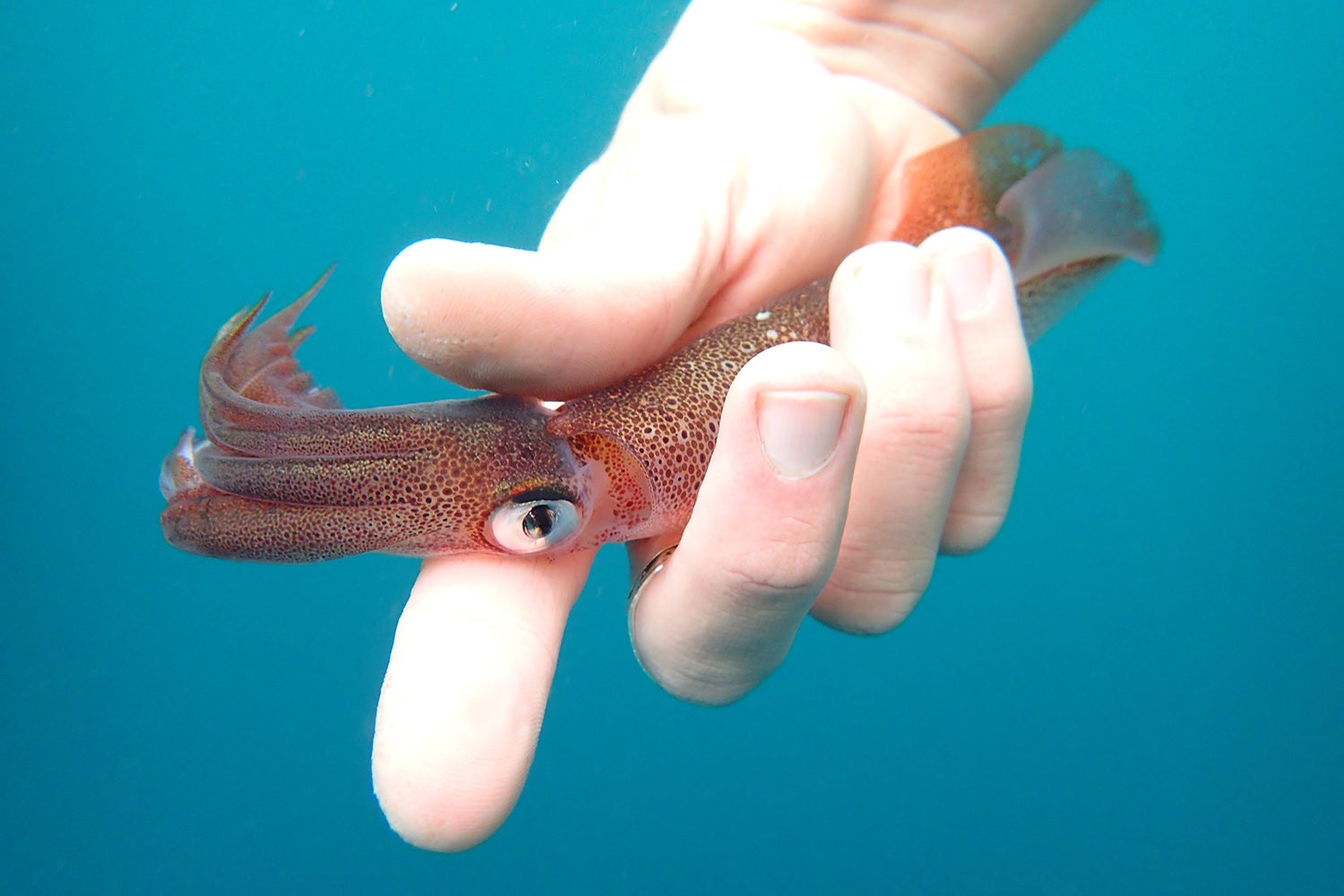
Cleaning squid is surprisingly simple. You’ll primarily want to remove the transparent ‘pen’ (a chitinous support structure), the guts, and the ink sac. The tentacles and body (mantle) are the edible parts. A quick rinse, and they are ready for preparation.
There are countless ways to enjoy fresh squid:
- Fried Calamari: The classic preparation. Sliced into rings, lightly breaded, and quickly deep-fried to a golden crisp. Serve with marinara sauce or aioli.
- Grilled Squid: Marinate whole squid or rings in olive oil, garlic, lemon, and herbs, then grill quickly until tender.
- Calamari Stir-fry: Incorporate sliced squid into Asian-inspired stir-fries with fresh vegetables and a savory sauce.
- Squid Ink Pasta: For the adventurous, use the ink sac (if intact) to make a rich, black pasta sauce with a unique depth of flavor.
- Ceviche: “Cook” diced squid in citrus juices with onions, peppers, and cilantro for a refreshing, no-cook option.
Catching your own squid provides an unparalleled sense of accomplishment and a direct connection to your food source. It transforms a simple meal into an experience, allowing you to taste the freshest flavors the Southern California coast has to offer. This blend of adventure, local immersion, and gastronomic delight truly makes squid fishing a must-try activity for any visitor.
LifeOutOfTheBox is a participant in the Amazon Services LLC Associates Program, an affiliate advertising program designed to provide a means for sites to earn advertising fees by advertising and linking to Amazon.com. Amazon, the Amazon logo, AmazonSupply, and the AmazonSupply logo are trademarks of Amazon.com, Inc. or its affiliates. As an Amazon Associate we earn affiliate commissions from qualifying purchases.