
Embarking on a journey to the Golden State requires careful planning, and understanding the local time zone is a foundational piece of information for any traveler. Whether you’re flying in from across the globe or driving from a neighboring state, knowing the time in California is crucial for seamless logistics, timely appointments, and effective communication. From booking flights to scheduling tours and connecting with loved ones back home, the time zone dictates the rhythm of your travel experience. This guide will illuminate California’s time zone, its nuances, and essential tips for navigating it during your visit.

Understanding California’s Standard Time Zone
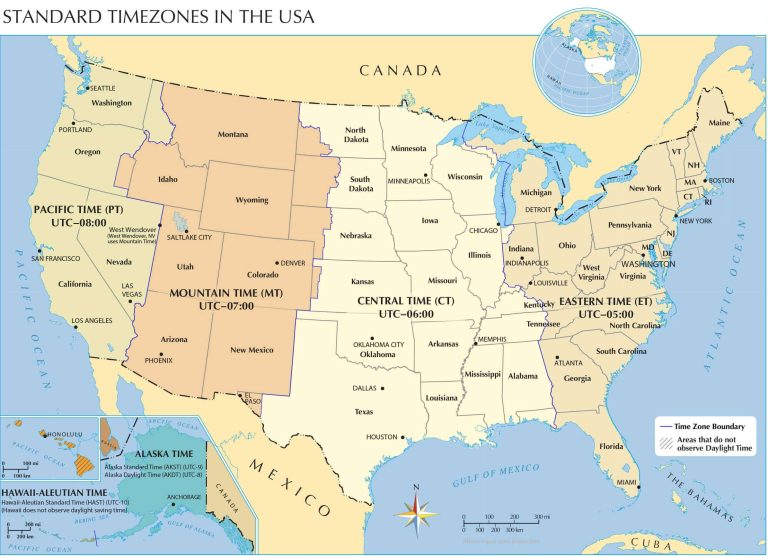
The entirety of California operates within a single time zone, simplifying planning for intra-state travel. This time zone is primarily known as the Pacific Time Zone (PT). During standard time, which spans roughly from early November to mid-March, California observes Pacific Standard Time (PST).
Pacific Standard Time (PST): UTC-8
Pacific Standard Time is precisely eight hours behind Coordinated Universal Time (UTC-8). This designation means that when it is noon UTC, it is 4:00 AM in California during the PST period. This consistent offset simplifies calculations for travelers arriving from different parts of the world. The Pacific Time Zone is shared by other western regions of the United States and parts of Canada and Mexico. For instance, states like Nevada, Oregon, and Washington also fall within the Pacific Time Zone, making cross-border travel within the western United States relatively straightforward from a time perspective. Knowing this baseline is the first step in preparing for your California adventure, especially when coordinating arrival times or virtual meetings.
Daylight Saving Time: The Annual Shift in the Golden State
Like most of the United States, California observes Daylight Saving Time (DST), which involves adjusting clocks forward by one hour during warmer months. This annual shift aims to make better use of daylight, moving an hour of daylight from the morning to the evening.
Pacific Daylight Time (PDT): UTC-7
When Daylight Saving Time is in effect, California switches from Pacific Standard Time (PST) to Pacific Daylight Time (PDT). This means the time zone becomes UTC-7, or seven hours behind Coordinated Universal Time. The shift typically occurs on the second Sunday in March, when clocks “spring forward” one hour, and reverts on the first Sunday in November, when clocks “fall back” one hour to PST. Travelers visiting California during these transition periods should be particularly mindful of the time change. It impacts not only their sleep schedule but also flight times, hotel check-ins, and any pre-booked activities. A forgotten time change can lead to missed connections or appointments, turning an exciting trip into a stressful ordeal. Most modern smartphones and digital devices automatically adjust, but it’s always wise to double-check, especially if you rely on analogue clocks or have critical time-sensitive plans.
Implications for Travelers: Planning Your California Adventure
Understanding California’s time zone and its seasonal adjustments is not just an academic exercise; it has practical implications for every aspect of your travel.
Booking Flights and Accommodations
When booking flights to major California hubs like Los Angeles International Airport (LAX) or San Francisco International Airport (SFO), always confirm the departure and arrival times in local time. A flight departing New York City (Eastern Time, ET) at 9:00 AM will land in Los Angeles (Pacific Time, PT) several hours later, but the perceived travel time might feel longer or shorter depending on your mental adjustment to the time difference. Similarly, hotel check-in and check-out times are strictly enforced by local time. Arriving early from an overnight flight might mean a wait if your room isn’t ready, while a late check-out might incur extra fees if not pre-arranged. Confirming these details in advance, considering the time zone, can prevent unexpected delays and charges.
Scheduling Activities and Tours
California boasts an array of attractions, from early morning surf lessons in San Diego to evening shows in Hollywood. Many popular tours, museum visits, and dining reservations are booked weeks or even months in advance. Ensuring you show up at the correct local time is paramount. A 9:00 AM wine tasting tour in Napa Valley will start precisely at 9:00 AM Pacific Time Zone, regardless of what time it feels like to your body clock. Always confirm the local start times for all scheduled activities to avoid missing out on experiences you’ve eagerly anticipated.
Communication with Home and Business Travel
The time difference can significantly impact communication with friends, family, or colleagues in other time zones. For instance, if you’re traveling to California from the East Coast of the United States, there’s a three-hour time difference. A call at 9:00 AM PST in Los Angeles is already noon Eastern Time, potentially interrupting someone’s lunch break. For international travelers, the differences can be even more pronounced, requiring careful scheduling for video calls or important updates. Business travelers, in particular, must be adept at managing these time differences to schedule meetings, respond to emails, and meet deadlines effectively across various geographic locations. Utilize world clock features on your devices to keep track of multiple time zones simultaneously.
Navigating Time Across California’s Diverse Regions
One of the comforting aspects of traveling within California is its uniform time zone. Unlike some other large states or countries that span multiple time zones, the entire state, from its northern borders with Oregon to its southern edge with Mexico, operates on the same Pacific Time Zone schedule.
Uniformity Across the State
Whether you are exploring the bustling streets of San Francisco, hiking in Yosemite National Park, or lounging on the beaches of San Diego, your watch will always show the same local time. This uniformity greatly simplifies internal travel planning. You won’t need to adjust your clock when driving from Sacramento to Palm Springs, allowing you to focus purely on the scenic journey and your destination. This is a significant advantage for travelers exploring multiple regions within the state, as it removes a layer of complexity from itinerary management.
Border Considerations
While California itself is consistent, travelers arriving from neighboring states should be aware of potential time zone shifts. For example, Nevada largely observes the Pacific Time Zone, aligning with California, making travel between Las Vegas and Los Angeles time-seamless. However, if you venture further east into states like Arizona, which does not observe Daylight Saving Time in most areas, time differences can arise during certain months of the year. Always verify the local time of your departure point and destination, especially when crossing state lines.
Coastal Cities vs. Inland Areas: The Rhythms of the Day
While the clock reads the same across California, the perceived rhythm of the day can subtly differ between coastal cities and inland regions. Coastal areas often benefit from cooler temperatures and ocean breezes, which can encourage earlier starts for activities like surfing or beach walks before the midday sun gets too intense. Inland areas, particularly the deserts and valleys, experience more extreme temperatures, often leading to a pattern of early morning activity, a mid-day respite, and then a resumption of outdoor activities in the cooler late afternoon and evening. Travelers should consider these regional nuances when planning their daily schedules, even though the clock itself remains consistent. Sunrise and sunset times will vary geographically across the state, with eastern parts seeing the sun earlier than western coastal areas, influencing the best times for scenic drives or enjoying a Pacific Ocean sunset.
Tips for Adapting to the Pacific Time Zone
Adjusting to a new time zone, especially if you’re crossing multiple meridians, is an art form. Mastering it can significantly enhance your travel enjoyment in California.
Pre-arrival Adjustment
Before your trip, try to gradually shift your sleep schedule to align with California time. Even moving your bedtime and wake-up time by 15-30 minutes each day in the days leading up to your departure can make a significant difference. If you’re flying west, try to stay up later than usual, and if flying east (from Asia, for example), try to go to bed earlier.
During Your Trip: Embrace the Sunlight and Stay Hydrated
Upon arrival, immerse yourself in the local time immediately. If you land in the morning, resist the urge to nap for too long; instead, try to stay awake until the local bedtime. Seek out natural sunlight, especially in the morning, as it helps reset your body’s internal clock. Stay well-hydrated and limit caffeine and alcohol, which can disrupt sleep patterns. Short, strategic power naps (20-30 minutes) can be helpful, but avoid long naps that might interfere with nighttime sleep.
Technology to the Rescue
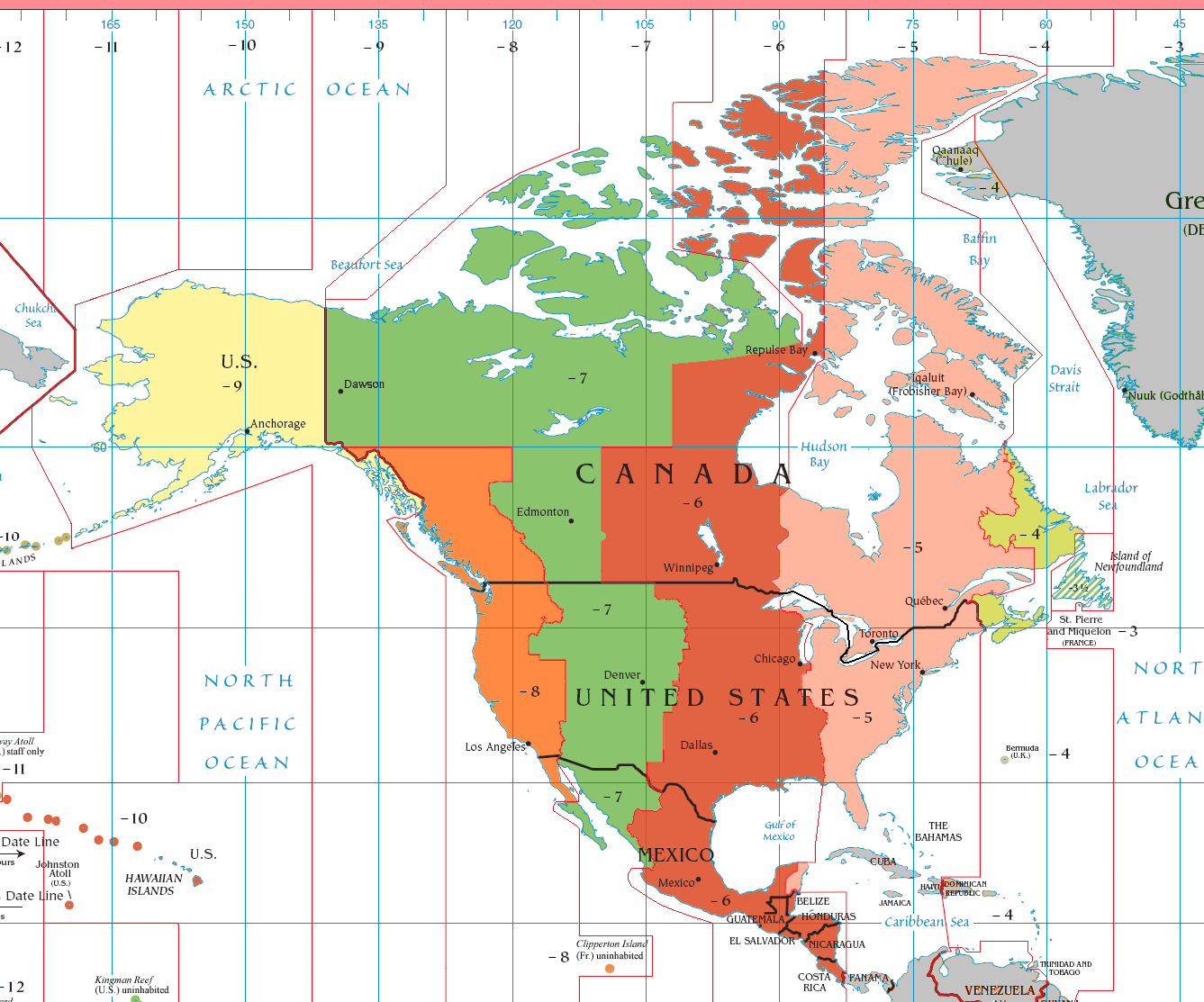
Utilize your smartphone’s features. Most phones automatically update to the local time zone, but ensure this setting is enabled. World clock apps allow you to easily track the time back home and in California simultaneously, making communication planning easier. Set alarms for critical appointments in local time.
Embracing the Local Rhythm
Don’t overschedule your first day or two. Allow yourself flexibility to adjust. Plan less strenuous activities initially and gradually build up to more demanding ones. Enjoy a leisurely meal, take a stroll, or simply relax and observe the new environment. Recognizing symptoms of jet lag, such as fatigue, irritability, or digestive issues, allows you to address them proactively rather than letting them detract from your travel experience. By understanding and respecting California’s time zone, you can ensure your trip is as smooth and enjoyable as possible.
LifeOutOfTheBox is a participant in the Amazon Services LLC Associates Program, an affiliate advertising program designed to provide a means for sites to earn advertising fees by advertising and linking to Amazon.com. Amazon, the Amazon logo, AmazonSupply, and the AmazonSupply logo are trademarks of Amazon.com, Inc. or its affiliates. As an Amazon Associate we earn affiliate commissions from qualifying purchases.