
For travelers planning an exploration of Southern California’s diverse landscapes and vibrant urban centers, understanding the strategic positioning of locales like Bloomington, California is key. This census-designated place (CDP) offers a unique vantage point, blending accessibility with proximity to both metropolitan excitement and natural serenity. Located squarely within the sprawling Inland Empire region of California, Bloomington serves as a functional, if often overlooked, launchpad for a multitude of travel experiences.
Unveiling Bloomington’s Geographical Coordinates
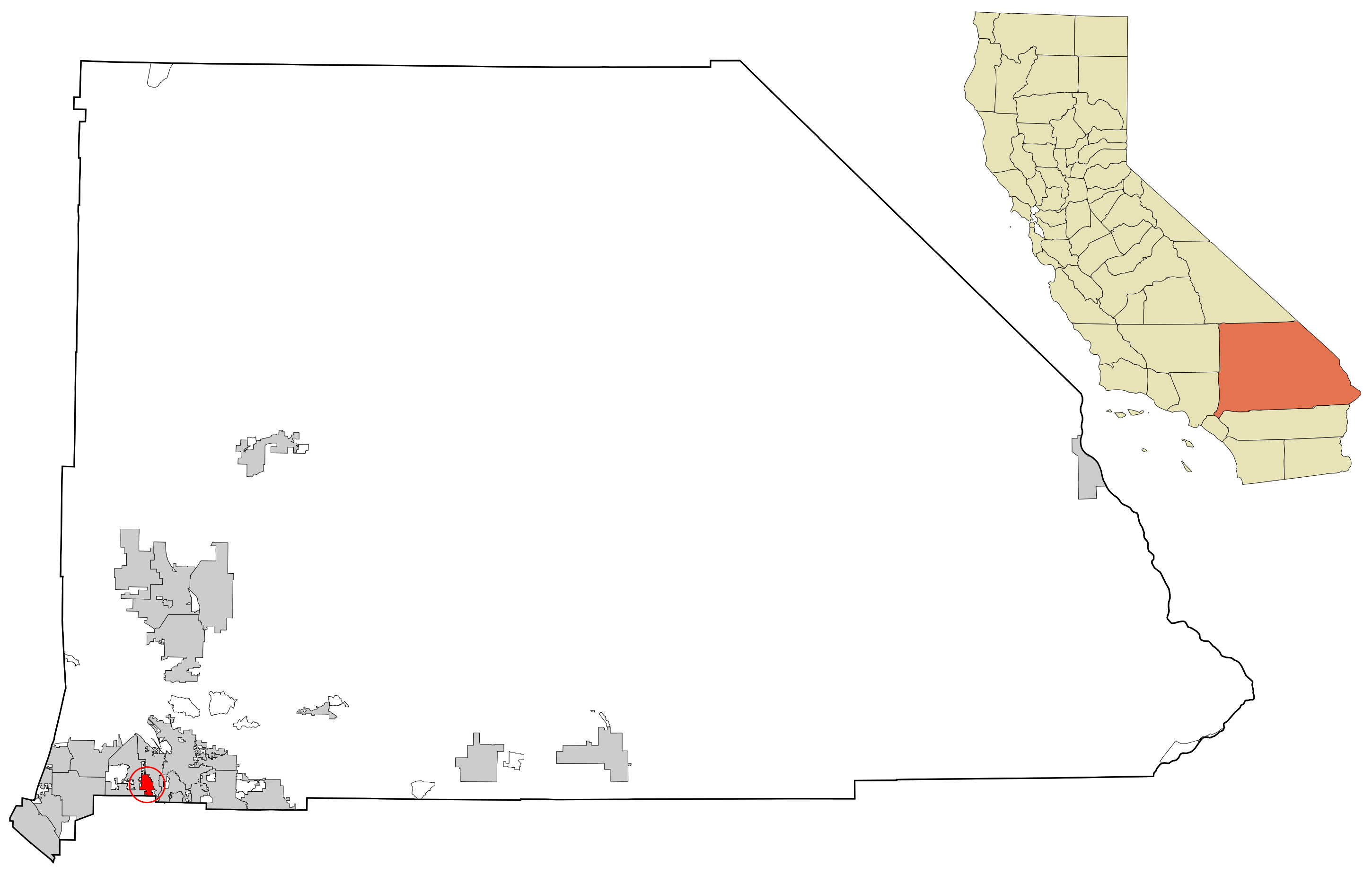
Bloomington is situated in the southwestern part of San Bernardino County, one of the largest counties in the United States by area. Geographically, it lies approximately 60 miles east of downtown Los Angeles and is nestled between several other prominent Inland Empire cities. This positioning places it firmly in the heart of a dynamic economic and cultural hub, yet retains a distinctive community feel that sets it apart from its more densely populated neighbors.
The Heart of the Inland Empire
The Inland Empire itself is a vast metropolitan area east of Los Angeles, encompassing large parts of San Bernardino County and Riverside County. It’s a region defined by its diverse terrain, ranging from majestic mountains to arid desert landscapes, interspersed with bustling suburban developments. Bloomington’s specific location places it on the western edge of the San Bernardino Valley, offering clear views of the distant San Gabriel Mountains to the west and the more immediate San Bernardino Mountains to the north. This geographical placement is not merely a point on a map; it’s a critical factor in understanding the travel possibilities that unfold around it. For travelers, this means a consistent blend of natural beauty and urban convenience is never far away.
Proximity to Major Urban Centers
One of Bloomington’s most compelling attributes for travelers is its immediate proximity to larger cities. It borders Fontana to the north, Rialto to the northeast, San Bernardino to the east, Colton to the southeast, and Mira Loma (part of Jurupa Valley) to the southwest. Just a short drive away lies Ontario, home to a major regional airport. This cluster of cities forms a vibrant tapestry of commerce, entertainment, and residential areas, all easily accessible from Bloomington. Travelers using Bloomington as a base can effortlessly navigate between exploring local attractions and venturing into the broader Southern California experience.
Understanding its Administrative Context
While often perceived as a town, Bloomington is formally a census-designated place (CDP) within unincorporated San Bernardino County. This means it is an area identified by the U.S. Census Bureau for statistical purposes, resembling an incorporated municipality in terms of population and demographics, but administered directly by the county government rather than having its own municipal charter. For travelers, this distinction typically means a more rural or suburban feel compared to neighboring incorporated cities, often characterized by larger lots and a less dense urban footprint. This can translate to a quieter stay while still being incredibly well-connected.
Why Bloomington is a Gateway to Southern California Exploration
Bloomington’s location is a significant advantage for travelers looking to experience the full spectrum of what Southern California has to offer. It’s strategically positioned to serve as a hub for diverse travel itineraries, from mountain getaways to desert adventures and coastal excursions.
Strategic Position for Road Trippers
For those embarking on a Southern California road trip, Bloomington’s location is enviable. It sits at a crucial nexus of major interstate highways. Interstate 10, one of the most significant east-west arteries in the country, runs directly through Bloomington’s southern edge. This highway connects Los Angeles to the west with Palm Springs and Arizona to the east. Additionally, Interstate 15, a primary north-south route, is just a short drive to the west, linking San Diego to Las Vegas and beyond. These highways are complemented by other key state routes such as State Route 60 and State Route 91, creating an intricate web of connectivity. This means travelers can easily pivot from one destination to another without excessive detours, maximizing their exploration time.
Access to Natural Wonders
The geographical backdrop of the Inland Empire is a canvas of natural splendor, and Bloomington’s location provides easy access to many of its gems. To the north, the majestic San Bernardino Mountains rise, home to popular alpine retreats like Lake Arrowhead and Big Bear Lake. These destinations offer year-round recreation, from skiing and snowboarding in winter to hiking, fishing, and boating in warmer months. Hikers can challenge themselves on trails leading to peaks such as Mount San Gorgonio or Cucamonga Peak. To the east, beyond Palm Springs, lies the unique desert ecosystem of Joshua Tree National Park, a starkly beautiful landscape renowned for its distinctive trees and rock formations, perfect for climbing and stargazing. The Mojave Desert expanse further east offers even more rugged exploration.
Connecting to Coastal Adventures
While Bloomington is inland, the allure of the Pacific Ocean is not out of reach. A drive of approximately 1.5 hours will take travelers to the beautiful beaches of Orange County, such as Huntington Beach or Newport Beach, offering opportunities for surfing, sunbathing, or pier strolls. The vibrant coastal cities of Los Angeles County, with iconic attractions like Santa Monica Pier and the famous beaches of Malibu, are also within a reasonable day-trip distance. This blend of mountain, desert, and coastal access truly underscores Bloomington’s prime travel positioning.
Navigating to Bloomington: Travel Logistics and Accessibility
Understanding how to get to and around Bloomington is crucial for any traveler. Its excellent infrastructure connectivity ensures a smooth journey, whether arriving by air or land.
Major Roadways and Intersections
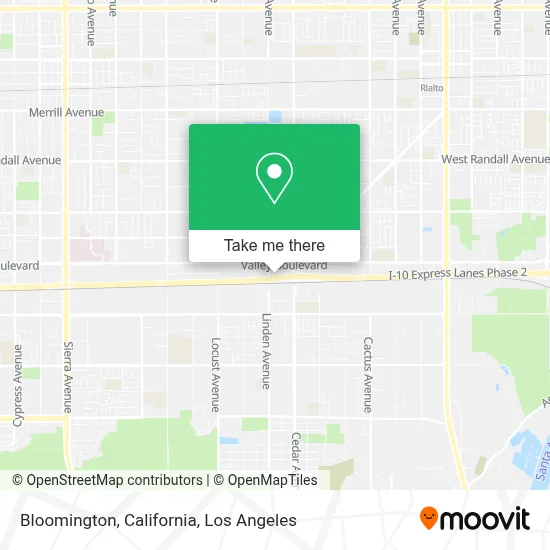
As mentioned, the convergence of major highways makes Bloomington remarkably accessible by car. Interstate 10 provides direct access from both east and west, with multiple exits serving the Bloomington area. For those traveling north or south, linking up with Interstate 15 (to the west) or Interstate 215 (to the east) provides connections to San Diego, Las Vegas, and the broader Inland Empire. The ease of navigating these well-maintained freeways is a significant benefit for self-driving tourists, allowing them to confidently explore the surrounding regions. Classic American road trip enthusiasts might also appreciate that parts of historic Route 66 pass nearby, offering a nostalgic detour.
Air Travel Options
For travelers flying into Southern California, Bloomington is served by several convenient airports. The closest and most recommended option is Ontario International Airport (ONT), located just about 10-15 miles west. ONT offers a growing number of domestic and international flights and is known for its relatively hassle-free experience compared to larger airports. For broader flight options, Los Angeles International Airport (LAX) is approximately 60 miles west, while John Wayne Airport (SNA) in Orange County is about 50 miles southwest. While LAX offers the most extensive network of flights, factor in potential traffic delays, especially during peak hours. Renting a car upon arrival at any of these airports is highly advisable for maximum flexibility in exploring the region from Bloomington.
Local Transportation Considerations
Within Bloomington itself and the immediate Inland Empire area, personal vehicle transportation is generally the most efficient and practical method for travelers. While public bus services exist through Omnitrans, their routes and schedules may not always align perfectly with a tourist’s itinerary, particularly when aiming for regional attractions. Ride-sharing services are also available, providing an alternative for shorter distances or evenings out in nearby cities like Ontario or Rancho Cucamonga.
Discovering Bloomington and Its Immediate Surroundings
While Bloomington itself is a smaller, residential community, its strategic location is its true draw for travelers. It acts as a calm base camp from which to launch into a myriad of nearby adventures and experiences.
Local Amenities and Community Character
Bloomington embodies a quintessential Inland Empire community feel. It offers essential amenities such as local eateries, grocery stores, and community parks that cater to daily needs. For travelers, this means convenient access to supplies and a glimpse into local life. The area generally presents a more relaxed pace than the bustling city centers, which can be a welcome change after a day of exploring Southern California’s high-energy attractions.
Nearby Attractions and Day Trip Opportunities
The true value of Bloomington as a travel destination lies in its proximity to an array of attractions:
- Shopping and Entertainment: Just a short drive away, Victoria Gardens in Rancho Cucamonga offers an upscale outdoor shopping mall experience with diverse dining and entertainment options.
- Recreational Lakes: Head north to the San Bernardino Mountains for a day at Silverwood Lake State Recreation Area, ideal for boating, fishing, and hiking. The larger mountain resort areas of Lake Arrowhead and Big Bear Lake are also easily accessible for a mountain escape.
- Motor Sports: For racing enthusiasts, Auto Club Speedway (formerly California Speedway) in Fontana is a major venue for NASCAR and other racing events, offering high-octane entertainment just minutes away.
- Urban Explorations: The cities of Riverside (home to the historic Mission Inn Hotel & Spa) and San Bernardino (with its historic Santa Fe Depot and McDonald’s Museum) offer historical and cultural insights into the Inland Empire’s development.
- Theme Parks and Major Attractions: World-renowned destinations like Disneyland Resort in Anaheim and the studios and attractions of Hollywood in Los Angeles are within a manageable driving distance (approximately 1 hour and 15 minutes to Disneyland, 1 hour and 30 minutes to Hollywood, depending on traffic).
Cultural and Recreational Venues
The wider Inland Empire region, anchored by cities surrounding Bloomington, hosts a variety of cultural institutions and recreational facilities. From performing arts centers in Riverside and Claremont to regional parks like Chino Hills State Park offering extensive hiking and equestrian trails, there’s ample opportunity for diverse leisure activities. Its location also places it conveniently near several golf courses, catering to sports enthusiasts.
Planning Your Visit to the Inland Empire Region
When considering Bloomington as a base for your Southern California travels, a few planning considerations can enhance your experience.
Best Times to Visit
Southern California generally enjoys pleasant weather year-round, but the Inland Empire can experience hotter summers compared to coastal areas. Spring (April-May) and Fall (September-November) offer ideal temperatures for exploring both the desert and mountain regions, with comfortable daytime highs. Winter (December-March) is excellent for mountain activities like skiing, while summer (June-August) is perfect for lake recreation and water parks, though daytime temperatures in Bloomington can soar, making air-conditioned indoor attractions or early morning outdoor activities preferable.
Accommodation Choices in the Area
While Bloomington itself has limited dedicated tourist accommodation, travelers will find a wide array of hotels, motels, and extended-stay options in the immediately surrounding cities like Ontario, Fontana, and Rancho Cucamonga. These range from budget-friendly inns to mid-range hotels with various amenities, suitable for different travel budgets and preferences. Many of these accommodations are conveniently located near freeway exits, making daily commutes to attractions effortless.
Combining Bloomington with Broader California Itineraries
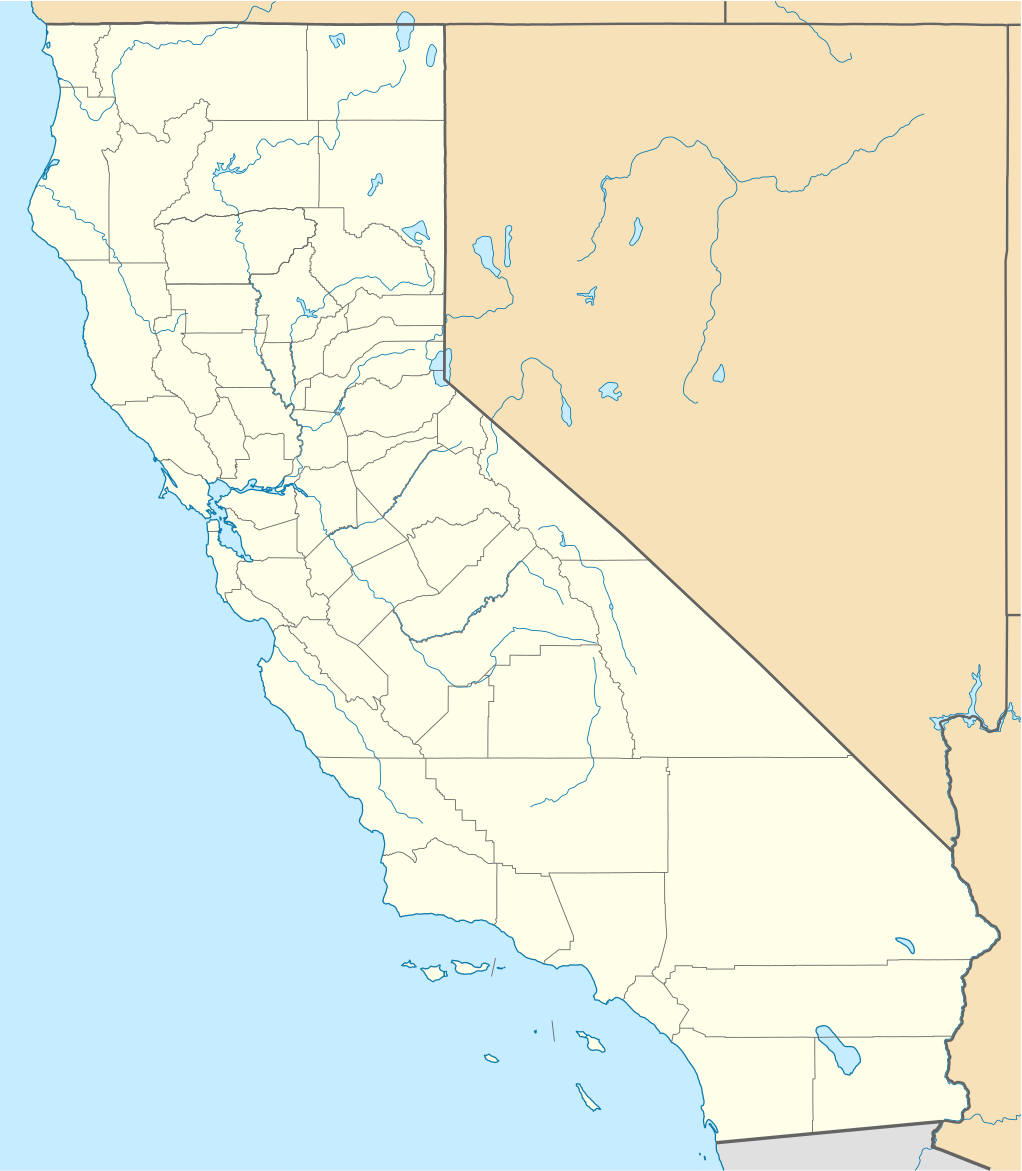
Bloomington’s central Inland Empire location makes it an excellent stop or hub within a broader California itinerary. It can serve as a restful, less expensive alternative to staying in Los Angeles or coastal cities, especially for those primarily interested in the mountain resorts, desert parks, or a blend of attractions across Southern California. Its strategic placement allows for efficient transitions between different regions of the state, ensuring that your travel dollars go further while still providing access to an incredible diversity of experiences.
In summary, Bloomington, California is located in San Bernardino County, within the dynamic Inland Empire region, offering unparalleled connectivity via major interstates and proximity to a regional airport. Its geographical position is its greatest asset for travelers, making it an ideal central point for exploring everything from the bustling urban sprawl of Los Angeles to the serene heights of the San Bernardino Mountains and the unique beauty of the Mojave Desert. For those seeking an accessible and strategically located base for their Southern California adventures, Bloomington presents a compelling option.
LifeOutOfTheBox is a participant in the Amazon Services LLC Associates Program, an affiliate advertising program designed to provide a means for sites to earn advertising fees by advertising and linking to Amazon.com. Amazon, the Amazon logo, AmazonSupply, and the AmazonSupply logo are trademarks of Amazon.com, Inc. or its affiliates. As an Amazon Associate we earn affiliate commissions from qualifying purchases.