
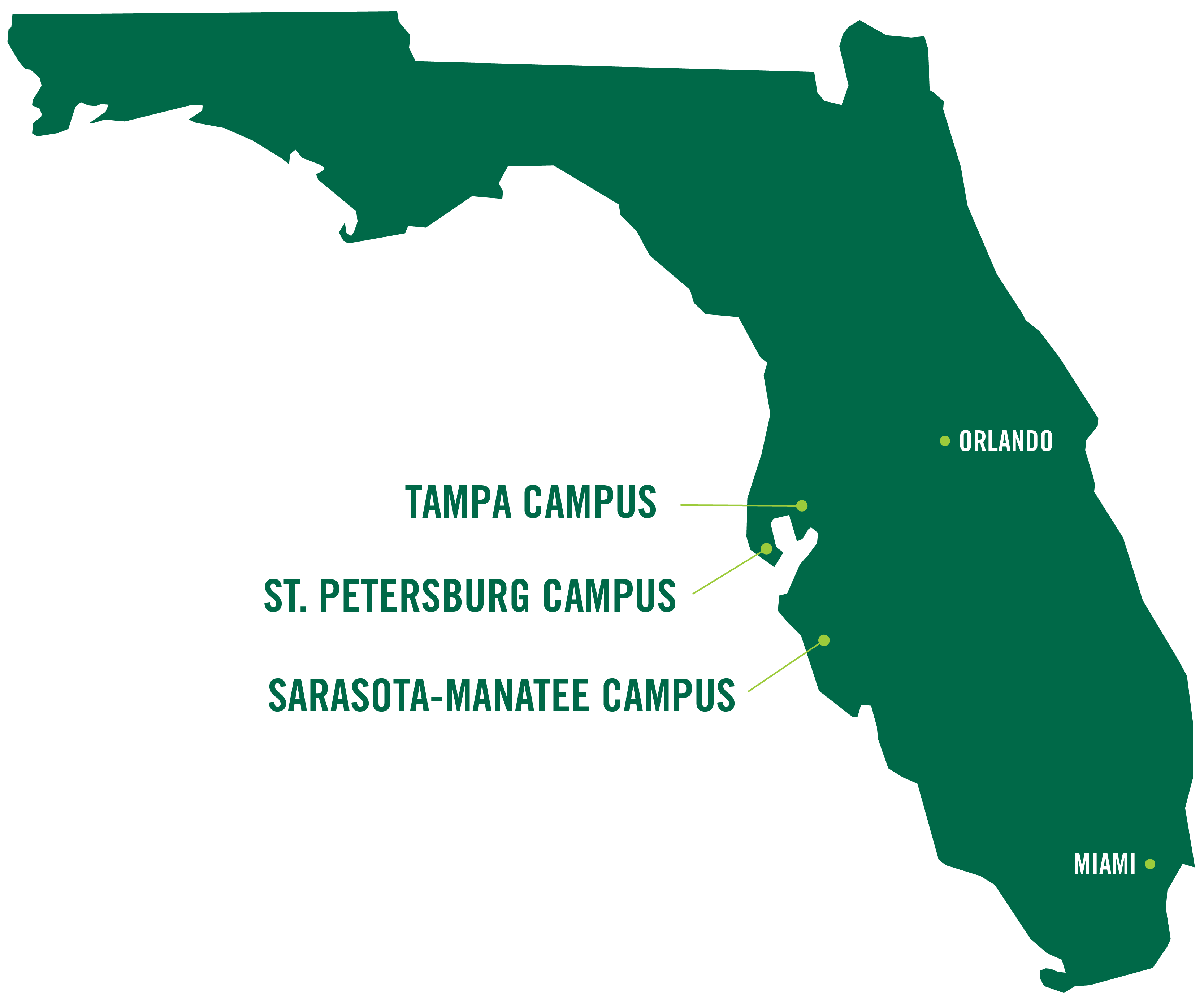
The University of South Florida, frequently searched for as South Florida University, stands as a premier architectural and educational landmark in the United States. Spanning multiple locations across the vibrant Tampa Bay region, this institution is not merely a center for academic rigor but a sprawling collection of landmarks that define the skyline and cultural identity of Florida. To understand where this university is located is to explore the diverse geography of the Sunshine State, from the bustling urban corridors of North Tampa to the scenic waterfronts of St. Petersburg and the sophisticated cultural stretches of Sarasota.
The Geographic Heart of the Gulf Coast: The Main Campus in Tampa
The primary location and most recognizable landmark of the university system is situated in Hillsborough County, specifically in the northern sector of Tampa. This massive campus serves as a city within a city, covering more than 1,500 acres of lush landscaping, modern glass structures, and historic mid-century architecture. Located just off Fowler Avenue, the campus is a central anchor for the Tampa metropolitan area, positioned strategically near some of the state’s most famous attractions.
Architectural Significance and Campus Layout
The Tampa campus is a testament to the evolution of American university architecture. Visitors are often drawn to the Marshall Student Center, a multi-story hub of activity that serves as a modern landmark of student life. Nearby, the USF Library stands as a beacon of research, visible from several miles away due to its height and prominent position. The landscape is dotted with indigenous Florida flora, including ancient live oaks draped in Spanish moss, which contrast beautifully with the contemporary design of the Interdisciplinary Sciences Building.
One of the most significant physical landmarks on this campus is the Yuengling Center, formerly known as the Sun Dome. This indoor arena is a staple of the Tampa entertainment circuit, hosting major concerts, sporting events, and community gatherings. Its distinctive domed roof has become an identifying feature of the North Tampa horizon.
Proximity to Key Florida Landmarks
The location of the Tampa campus is highly advantageous for those looking to explore the surrounding landmarks. It sits directly across from the Museum of Science and Industry, a world-class science center that attracts thousands of visitors annually. Furthermore, the world-renowned theme park Busch Gardens Tampa Bay and the water park Adventure Island are located just minutes south of the campus gates.
For nature enthusiasts, the campus is bordered by the Hillsborough River, providing a serene natural landmark that offers kayaking and wildlife viewing opportunities. Within the campus itself, the USF Botanical Gardens serve as a living museum, housing over 3,000 plants and serving as a tranquil retreat for both locals and tourists.
Coastal Charm and Urban Integration: The St. Petersburg Campus
Moving toward the coast, the St. Petersburg campus offers a completely different aesthetic and geographic experience. Located in the heart of Pinellas County, this campus is seamlessly integrated into the urban fabric of Downtown St. Petersburg. Unlike the sprawling fields of the Tampa location, this campus is defined by its intimate, pedestrian-friendly layout and its stunning proximity to the Gulf of Mexico via the Tampa Bay.
Waterfront Vistas and the Dali Museum Vicinity
The most striking feature of this campus is its location on Bayboro Harbor. This waterfront setting allows students and visitors to experience the maritime history of the region firsthand. The College of Marine Science, a landmark in its own right, sits right on the water, facilitating groundbreaking research into the Atlantic Ocean and the Gulf of Mexico.
Walking south from the campus, one immediately encounters the Salvador Dali Museum, an architectural marvel known for its geodesic glass “Enigma.” The campus’s location makes it a central part of the St. Petersburg Waterfront Arts District, putting it within walking distance of the Mahaffey Theater and the Poynter Institute.
Historical Preservation in Pinellas County

The St. Petersburg campus also preserves significant local history. The Williams House, a restored Queen Anne-style home built in the late 19th century, stands as a historic landmark on the campus grounds. It serves as a reminder of the early settlement of the Pinellas Peninsula and provides a stark, beautiful contrast to the modern laboratories and residence halls nearby. The blend of historic preservation and coastal modernization makes this location one of the most unique educational landmarks in the United States.
Cultural Enrichment and Research Hubs: The Sarasota-Manatee Campus
The third major pillar of the university is located on the border of Sarasota and Manatee County. This campus is smaller and more specialized, but its location is arguably the most culturally significant. Situated along the Tamiami Trail, the campus serves as a gateway to the famous Sarasota “Cultural Corridor.”
The Ringling Legacy and Regional Influence
The Sarasota-Manatee campus is located adjacent to The Ringling, which includes the John and Mable Ringling Museum of Art and the historic Ca’ d’Zan mansion. This proximity to high-culture landmarks influences the campus atmosphere, fostering an environment where history and modern academia coexist. The campus itself features the Crosley Estate nearby, a Mediterranean Revival mansion that is a staple of local architectural tours.
The location is also convenient for travelers, as it sits just across from the Sarasota-Bradenton International Airport. This makes the campus a highly accessible landmark for visiting scholars and researchers arriving from across the United States.
Nature and Conservation at the Crosley Estate
The geography of the Sarasota-Manatee campus is heavily influenced by the Sarasota Bay. The nearby New College of Florida and the university’s own facilities share a commitment to preserving the coastal ecosystem. The mangroves and sea grapes that line the shores here are protected landmarks of Florida’s natural heritage, providing a serene backdrop for the university’s specialized programs in hospitality and risk management.
Navigating the Multi-Campus System of the Sunshine State
To truly grasp the location of the University of South Florida, one must look at the connectivity between these three distinct landmarks. The university system is linked by the major transportation arteries of the Tampa Bay area, including Interstate 275 and the Sunshine Skyway Bridge, an iconic cable-stayed bridge that serves as the literal and metaphorical link between the Tampa, St. Petersburg, and Sarasota regions.
Accessibility and Connectivity in the Tampa Bay Area
The university’s main campus is easily accessible from Tampa International Airport, one of the top-rated airports in the United States. From the airport, a short drive through Westshore and past Raymond James Stadium—home of the Tampa Bay Buccaneers—leads directly to the North Tampa educational district. This central location ensures that the university remains a focal point for both business and leisure travel within the state of Florida.
The St. Petersburg campus is similarly well-positioned, located just south of the Gandy Bridge. Its proximity to Tropicana Field and the bustling Central Avenue ensures that it remains a vital landmark for those exploring the St. Pete Pier and the city’s vibrant street art scene.

The Impact of Higher Education on Florida’s Skyline
The physical presence of the university has reshaped the landmarks of Florida. In Downtown Tampa, the USF Health Morsani College of Medicine has recently become a dominant landmark within the Water Street Tampa development. This sleek, vertical campus represents the future of urban education and medicine, standing as a glass-and-steel beacon near the Amalie Arena and the Florida Aquarium.
This expansion into the heart of the city signifies that the university is not just located in one spot; it is a distributed network of landmarks that define the growth of the Gulf Coast. Whether you are standing on the banks of the Hillsborough River at the main campus, watching the sailboats in Bayboro Harbor at St. Petersburg, or admiring the sunset near The Ringling in Sarasota, you are experiencing the vast and varied footprint of this iconic institution.
Ultimately, the University of South Florida is located at the intersection of Florida’s natural beauty and its rapid urban development. It is a landmark of progress, sitting squarely within the most dynamic region of the United States Southeast. For the traveler, the historian, or the architecture enthusiast, the various locations of this university offer a comprehensive tour of what makes the Tampa Bay area a world-class destination. From the historical corridors of Ybor City to the modern reaches of the Moffitt Cancer Center, the university remains an inseparable part of the Florida landscape.
LifeOutOfTheBox is a participant in the Amazon Services LLC Associates Program, an affiliate advertising program designed to provide a means for sites to earn advertising fees by advertising and linking to Amazon.com. Amazon, the Amazon logo, AmazonSupply, and the AmazonSupply logo are trademarks of Amazon.com, Inc. or its affiliates. As an Amazon Associate we earn affiliate commissions from qualifying purchases.