
Navigating the nuances of place names can be surprisingly complex, especially when abbreviations enter the picture. For a sprawling metropolis like Los Angeles, understanding its common abbreviations is not just a matter of linguistic correctness but also a practical necessity for travelers, residents, and anyone interacting with information about this vibrant Southern California hub. This exploration delves into the accepted and commonly used abbreviations for Los Angeles, providing clarity and context for their usage.
The Evolution of “LA”
The most ubiquitous and widely recognized abbreviation for Los Angeles is undoubtedly “LA.” This simple two-letter moniker has transcended its origins to become a global shorthand for the city. Its prevalence is so ingrained that it often appears without explicit definition, instantly understood by millions.
Origins and Popularization
The exact genesis of “LA” as an abbreviation is somewhat fluid, but its rise in popularity is closely tied to the city’s growing prominence in the 20th century. As Los Angeles became a major center for the film industry, a burgeoning population, and a significant economic force, a concise way to refer to it became essential.
- Media Influence: Hollywood’s global reach played a pivotal role. Film titles, news reports, and popular culture frequently employed “LA” to denote the city, embedding it in the collective consciousness. Think of classic films referencing “a trip to LA” or news anchors discussing “developments in LA.”
- Geographic Context: The sheer size of the metropolitan area, encompassing numerous distinct neighborhoods and cities, necessitated a unifying term. “LA” served this purpose effectively, acting as an umbrella identifier for the entire region.
- Efficiency in Communication: In an era of increasingly rapid communication, from telegrams to early forms of digital messaging, brevity was key. “LA” offered a swift and efficient way to convey the location.
Modern Usage and Interpretation
Today, “LA” is more than just an abbreviation; it’s a brand. It evokes images of sunshine, entertainment, innovation, and a distinctive West Coast lifestyle.
- Informal Contexts: In casual conversations, social media posts, and personal correspondence, “LA” is the default choice. It’s friendly, accessible, and immediately recognizable.
- Formal Contexts: While more formal documents might opt for the full name, “Los Angeles,” it’s not uncommon to see “LA” used in journalistic contexts, official reports (especially when referring to the metropolitan area), and even in some business or organizational names.
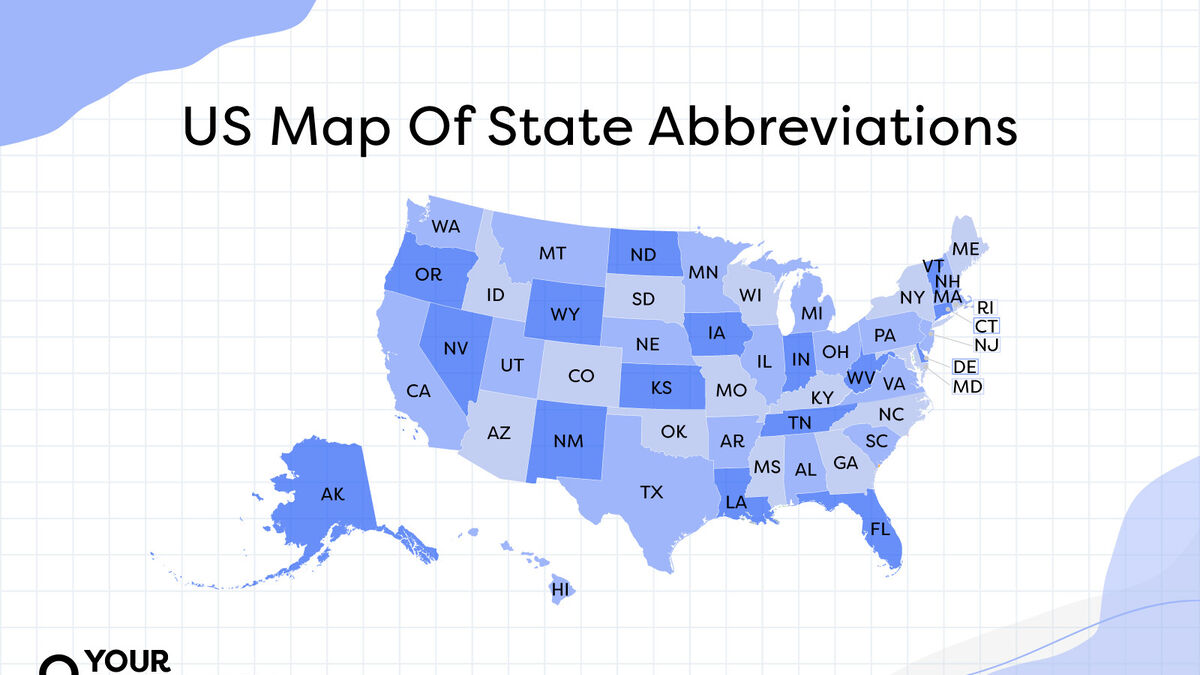
- Distinguishing from State: It’s crucial to remember that “LA” specifically refers to the city of Los Angeles, not the state of California. This distinction is generally clear from context, but it’s a foundational point for understanding place-name abbreviations.
Beyond “LA”: Other Abbreviations and Their Contexts
While “LA” reigns supreme, other abbreviations and designations exist, often serving more specific purposes or appearing in particular contexts. Understanding these adds a layer of depth to our appreciation of how Los Angeles is referred to.
“L.A.” (with periods)
The version with periods, “L.A.,” is a more traditional and grammatically conventional abbreviation. It follows the common practice of using periods after single-letter abbreviations.
- Historical Usage: You might encounter “L.A.” more frequently in older texts, literature, or historical documents where typographic conventions differed.
- Stylistic Choice: Some publications or individuals may still prefer “L.A.” as a stylistic choice, aiming for a slightly more formal or classic feel. However, this usage is less common in contemporary everyday communication compared to “LA.”
Airport Codes
For travelers, airport codes are essential abbreviations. Los Angeles International Airport (LAX) is the primary gateway to the city and is almost universally known by its three-letter IATA code.
- LAX: This code is deeply integrated into travel itineraries, flight bookings, and airport signage. It’s a critical piece of information for anyone flying into or out of the region. While not a direct abbreviation of the city’s name in the same way “LA” is, it serves as a vital locator for the city’s main entry point.
- Other Area Airports: The greater Los Angeles area is served by multiple airports, each with its own IATA code. These include Hollywood Burbank Airport (BUR), Long Beach Airport (LGB), and John Wayne Airport (SNA) in nearby Orange County, among others. While these are not abbreviations for Los Angeles itself, they are crucial for travel planning within the region.
Postal and Geographic Designations
In more technical or administrative contexts, specific abbreviations might be used.

- ZIP Codes: The United States Postal Service uses ZIP codes, which are numerical and not abbreviations of the city name. However, they are the definitive way to address mail to Los Angeles.
- Area Codes: Telephone area codes, such as 213, 310, 323, 424, 626, 818, and 747, cover different parts of the Los Angeles metropolitan area. These are numeric identifiers, not textual abbreviations of the city’s name.
Practical Applications and Considerations
Knowing how to correctly abbreviate Los Angeles is more than an academic exercise; it has practical implications for various aspects of engagement with the city.
Travel Planning and Booking
When planning a trip to Los Angeles, you’ll encounter abbreviations everywhere.
- Accommodation: Hotel listings, vacation rental platforms, and travel guides will often refer to neighborhoods within Los Angeles using abbreviations or by their distinct names. Understanding that a booking in “West LA” refers to the western part of the city is crucial.
- Transportation: Beyond airport codes, transportation apps and ride-sharing services might use “LA” as a destination. Local transit maps and information will typically use the full city name or refer to specific districts.
- Itineraries and Guides: Travel itineraries and destination guides will invariably use “LA” to denote the city, especially in headings or when referring to general activities within the metropolitan area. For example, a guide might list “Top 10 Things to Do in LA.”
Business and Professional Communication
In professional settings, clarity is paramount, but efficiency also plays a role.
- Marketing and Branding: Businesses often leverage the recognition of “LA” in their branding, product names, or marketing campaigns. Think of companies using “LA Style” or “Made in LA.”
- Internal Communications: Within companies that operate in or have a significant connection to Los Angeles, “LA” is commonly used as shorthand in emails, reports, and internal memos.
- Legal and Official Documents: For legal contracts, official government documents, and formal correspondence, the full name “Los Angeles” is almost always preferred for unambiguous identification.
Everyday Conversation and Social Media
On a daily basis, “LA” is the default.
- Social Media: Hashtags like #LA, #LAlife, and #ExploreLA are incredibly popular, connecting users discussing or showcasing their experiences in the city.
- Conversational Shorthand: When talking about the city with friends or colleagues, “LA” flows naturally and is universally understood.
Avoiding Confusion: Best Practices
While “LA” is widely accepted, there are instances where clarity is paramount, and potential confusion needs to be avoided.
Distinguishing the City from the County
It’s important to note that the abbreviation “LA” primarily refers to the City of Los Angeles. The broader geographical and administrative region is known as Los Angeles County. While they are intrinsically linked and often used interchangeably in casual conversation, there are distinct governmental and geographical entities. For official purposes or when specificity is required, it’s best to use “Los Angeles County” rather than assuming “LA” covers it entirely. However, in general travel and lifestyle contexts, “LA” is understood to encompass the city and its immediate surrounding urban sprawl.
Context is Key
The effectiveness of any abbreviation relies heavily on context. In most scenarios where Los Angeles is the clear subject, “LA” is perfectly acceptable and efficient. However, if there’s any ambiguity, or if the audience might not be familiar with the abbreviation, spelling out the full name is always the safest bet. For instance, if you are writing for a highly international audience or discussing specific historical events where the precise political boundaries were significant, using the full name might be more appropriate.
The Power of Familiarity
The strength of “LA” as an abbreviation lies in its immense familiarity. Decades of media, culture, and commerce have cemented its status. This means that for the vast majority of purposes, especially those related to tourism, travel, and lifestyle, “LA” is the definitive and most effective abbreviation. It’s a shorthand that carries significant cultural weight and instantly evokes the spirit of one of the world’s most iconic cities. Whether you’re booking a flight to LAX, planning a visit to Disneyland (located in nearby Anaheim), or simply discussing your next vacation, understanding and using “LA” correctly ensures smooth and effective communication.
LifeOutOfTheBox is a participant in the Amazon Services LLC Associates Program, an affiliate advertising program designed to provide a means for sites to earn advertising fees by advertising and linking to Amazon.com. Amazon, the Amazon logo, AmazonSupply, and the AmazonSupply logo are trademarks of Amazon.com, Inc. or its affiliates. As an Amazon Associate we earn affiliate commissions from qualifying purchases.