
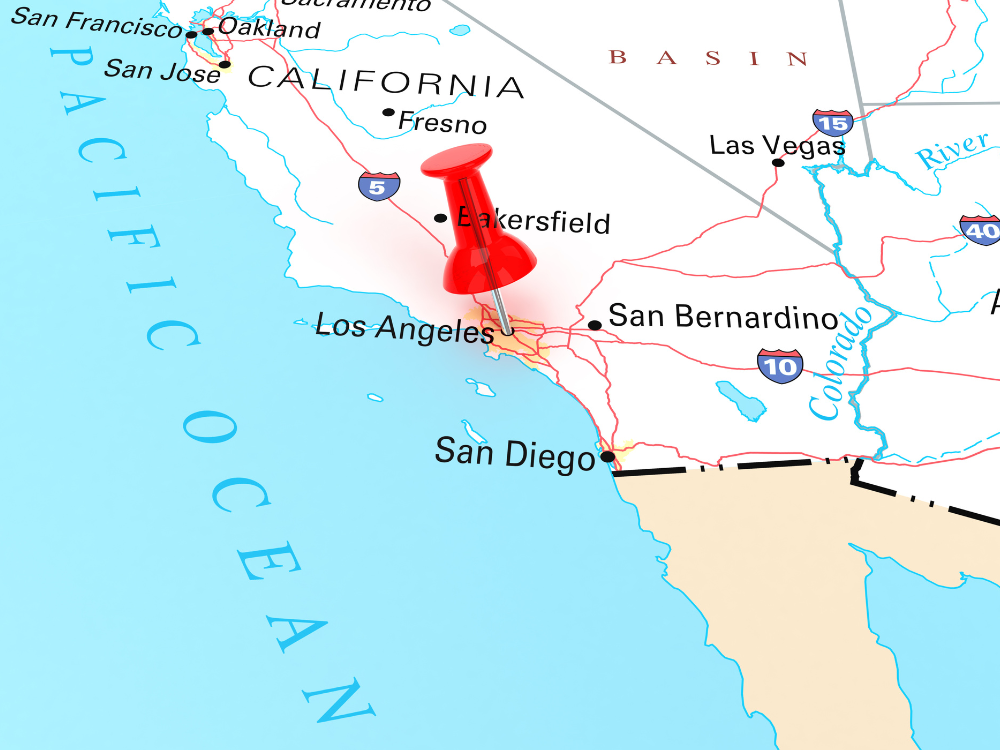
The question of distance between two iconic Southern California metropolises, Los Angeles and San Diego, is a frequent one for travelers and residents alike. Understanding this proximity is key to planning efficient road trips, day excursions, or even deciding on a base for exploring the broader region. While seemingly close on a map, the exact travel time and distance can vary significantly depending on the chosen mode of transportation, traffic conditions, and the specific starting and ending points within each sprawling city. This exploration delves into the various facets of this inter-city journey, offering insights for seamless travel planning.
The Driving Distance and Time: Navigating Southern California’s Freeways
The most common way to travel between Los Angeles and San Diego is by car, traversing the extensive network of Southern California freeways. The primary route is Interstate 5 (I-5), a major artery that connects the two cities directly.
Interstate 5: The Direct Route
The direct driving distance between downtown Los Angeles and downtown San Diego is approximately 120 miles (about 193 kilometers). This might seem like a manageable distance, but the infamous Southern California traffic plays a crucial role in determining the actual travel time.
Factors Affecting Travel Time on I-5:
- Traffic Congestion: Rush hour is a significant factor. Traveling during weekday mornings (typically 6:00 AM to 9:00 AM) or afternoons (3:00 PM to 7:00 PM) can dramatically increase travel times. A journey that might take 2 to 2.5 hours in light traffic can easily stretch to 3.5 to 4 hours, or even longer, during peak periods.
- Day of the Week: Weekends, especially Friday afternoons and Sunday evenings, can also experience heavy traffic as people travel for leisure or return home.
- Accidents and Roadwork: Unforeseen incidents, such as accidents or ongoing construction projects, can cause unexpected delays and lane closures, significantly impacting travel time.
- Starting and Ending Points: The exact distance and time will also depend on where you begin your journey in the vast expanse of Los Angeles (e.g., Santa Monica, Hollywood, Downtown LA) and where you are heading in San Diego (e.g., La Jolla, Downtown San Diego, Coronado). These variations can add or subtract miles and minutes.
Alternative Routes:
While I-5 is the most direct, other routes exist, though they may not always be faster.
- Interstate 15 (I-15) and State Route 78 (SR-78): For those traveling from the eastern parts of Los Angeles County (like the Inland Empire) or seeking a different scenic experience, I-15 can be an alternative. This route often involves connecting to other highways like SR-78 or connecting back to I-5 further south. However, I-15 can also experience its own traffic bottlenecks, particularly around the [Orange County] and [Riverside County] areas.
- Pacific Coast Highway (PCH) / Highway 1: While not a practical or efficient route for directly traveling between Los Angeles and San Diego due to its winding nature and significantly slower pace, parts of this iconic route offer stunning coastal views if one chooses a more leisurely, multi-day exploration of the Southern California coast. It is generally not recommended for those seeking to cover the distance quickly.
Alternative Modes of Transportation: Beyond the Wheel
For travelers who prefer not to drive, or wish to avoid the stress of traffic, several alternative transportation options are available, each with its own advantages and typical travel times.
Amtrak Rail: A Scenic and Relaxing Journey
The Amtrak Pacific Surfliner offers a comfortable and scenic train service connecting Los Angeles and San Diego. The train typically departs from Los Angeles Union Station and arrives at the Santa Fe Depot in downtown San Diego.
Key Features of the Amtrak Pacific Surfliner:
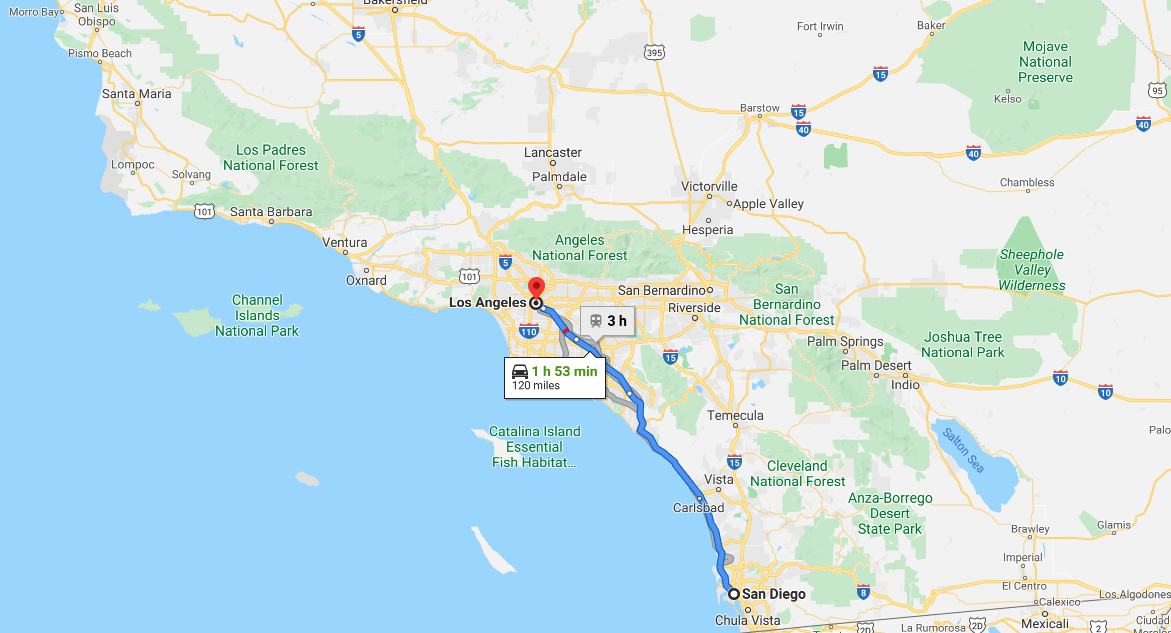
- Travel Time: The train journey generally takes around 2 hours and 45 minutes to 3 hours, making it comparable to driving in moderate traffic but significantly more predictable.
- Comfort and Amenities: Passengers can enjoy spacious seating, Wi-Fi, onboard food and beverage service, and the ability to move around during the journey. The route also offers picturesque views of the Pacific Ocean for a portion of the trip.
- Convenience: This option eliminates the need to navigate traffic, find parking, or deal with the costs associated with car rentals and gasoline. It’s an excellent choice for those who want to relax and enjoy the scenery.
Bus Services: Budget-Friendly Options
Several bus companies operate routes between Los Angeles and San Diego, offering a more budget-conscious alternative to driving or taking the train. Companies like [Greyhound], [FlixBus], and [Megabus] provide regular services.
Considerations for Bus Travel:
- Travel Time: Bus travel times can vary considerably due to traffic, rest stops, and the number of intermediate stops. A typical journey can range from 3 to 5 hours.
- Departure and Arrival Points: Bus terminals are often located in convenient downtown areas, but it’s essential to check the specific locations for each company.
- Amenities: While modern buses often offer Wi-Fi and charging ports, comfort levels can vary.
Flying: For the Time-Constrained Traveler
While it might seem excessive for a 120-mile distance, flying between Los Angeles and San Diego is an option, particularly if your departure or arrival points are near the respective airports.
The Air Travel Option:
- Flight Duration: The actual flight time is very short, typically around 45 minutes to an hour.
- Total Travel Time: However, when factoring in travel to and from airports, security checks, boarding, and deplaning, the total door-to-door time can easily rival or even exceed driving or train travel. This option is generally most practical if one is connecting to a longer flight from one of the major airports or if time is an absolute premium.
- Airports: Major airports serving the region include Los Angeles International Airport (LAX), Hollywood Burbank Airport (BUR), [Long Beach Airport (LGB)], and [John Wayne Airport (SNA)] in Orange County for departures from the LA area, and San Diego International Airport (SAN) for arrival.
Planning Your Trip: Optimizing Your Travel
Successfully navigating the distance between Los Angeles and San Diego hinges on effective planning. Understanding the variables at play will allow you to choose the most suitable mode of transport and time your journey for maximum efficiency and enjoyment.
Key Considerations for Planning:
- Time of Day and Week: This is arguably the most critical factor for driving. Utilize real-time traffic apps like Google Maps or Waze to check conditions before you depart and adjust your departure time accordingly. Aiming to travel outside of peak commuter hours can save you hours of frustration.
- Starting and Ending Points: Be precise about your origin and destination. A trip from the San Fernando Valley in Los Angeles to North County San Diego will differ in distance and time from a journey between Downtown LA and downtown San Diego.
- Purpose of the Trip: Are you heading to San Diego for a day trip to visit attractions like the [San Diego Zoo] or [Balboa Park], or are you moving there for a longer stay? For day trips, the unpredictability of traffic might make an early morning departure or a pre-booked Amtrak ticket a better bet.
- Budget: Driving involves fuel costs and potential parking fees. Train and bus tickets have set prices, and while flying can be competitive, airport transfers add to the overall expense.
- Comfort and Experience: If the journey itself is part of the travel experience, the Amtrak Pacific Surfliner offers a pleasant and stress-free option. If your priority is simply reaching your destination as quickly as possible, and you can time it right, driving might be the most efficient.

Utilizing Technology for Smoother Travel:
- Traffic Apps: Essential for drivers, these apps provide real-time updates on traffic flow, accidents, and estimated travel times.
- Public Transit Apps: For train and bus travelers, apps for Amtrak, FlixBus, or Greyhound can help with booking, checking schedules, and tracking departures.
- Navigation Apps: Beyond traffic, these apps can help you find parking, gas stations, and points of interest along your route.
In conclusion, the distance between Los Angeles and San Diego is more than just a mileage count; it’s a dynamic measure influenced by traffic, choice of transport, and timing. Whether you choose the open road, the scenic rail, or the convenience of air travel, understanding these factors will ensure your journey is as smooth and enjoyable as the destinations themselves.
LifeOutOfTheBox is a participant in the Amazon Services LLC Associates Program, an affiliate advertising program designed to provide a means for sites to earn advertising fees by advertising and linking to Amazon.com. Amazon, the Amazon logo, AmazonSupply, and the AmazonSupply logo are trademarks of Amazon.com, Inc. or its affiliates. As an Amazon Associate we earn affiliate commissions from qualifying purchases.