
The question of “how many cities are in Louisiana?” might seem straightforward, but delving into the administrative and geographical landscape of the Pelican State reveals a nuanced answer. Beyond a simple numerical count, understanding the different types of municipalities and their roles in shaping the Louisiana experience is crucial for any traveler, tourist, or resident looking to explore its rich tapestry of culture, history, and vibrant communities. This exploration is not just about counting; it’s about appreciating the distinct character that each incorporated place brings to the state’s unique identity.
Defining “City” in Louisiana: Beyond a Simple Number
In Louisiana, the term “city” is not a monolithic designation. The state’s legal framework recognizes several types of municipal corporations, each with its own set of powers and responsibilities. Understanding these distinctions is key to accurately answering the question of how many cities exist.

Incorporated Municipalities: The Official Count
The most direct answer to the question involves counting the officially incorporated municipalities within Louisiana. These are governmental units that have been legally established by the state legislature and operate with a degree of autonomy. According to the Louisiana Secretary of State, there are hundreds of these incorporated entities.
- Cities: The highest classification of municipality, typically larger and with more extensive governmental powers.
- Towns: A classification below cities, often with a smaller population and fewer governmental responsibilities.
- Villages: The smallest type of incorporated municipality, usually with a limited population and scope of services.
While the exact number can fluctuate slightly due to annexations, consolidations, or dissolutions, it’s generally understood that there are well over 300 incorporated municipalities in Louisiana. This figure encompasses all categories of incorporated places, offering a broad overview of the state’s organized communities. For those planning a trip, recognizing these different classifications can provide insight into the scale and services to expect in different locales, from the bustling metropolises to the charming, smaller settlements.
Unincorporated Communities: The Uncounted Heart
Beyond the officially incorporated “cities,” Louisiana is dotted with a vast number of unincorporated communities. These are populated areas that do not have their own independent municipal government. Instead, they are governed directly by the parish (county) in which they are located.
These unincorporated areas, while not technically “cities,” are often significant in terms of population, historical importance, and cultural contribution. Many of Louisiana’s most beloved destinations and unique cultural hubs fall into this category. Ignoring these communities would paint an incomplete picture of the state’s vibrant landscape.
- Geographical Significance: Many unincorporated areas are geographically expansive and play crucial roles in local economies, particularly in agriculture and fishing.
- Cultural Hubs: Numerous communities, famous for their unique traditions, music, and cuisine, may not be incorporated but are vital to the Louisiana experience. Think of the small bayou communities or historic settlements that exude authentic Southern charm.
- Tourism Impact: For travelers, unincorporated communities often offer the most authentic glimpses into local life, from roadside diners serving up classic Cajun cuisine to small, family-owned music venues.
The number of unincorporated communities is far more difficult to quantify precisely than incorporated ones, as their boundaries are often informal and their existence is defined more by shared identity and geography than legal statutes. However, it’s safe to say that when considering the true scope of populated places that contribute to the travel and tourism landscape of Louisiana, these uncounted communities are just as, if not more, significant than the incorporated cities.
Exploring Louisiana’s Cities: From Bustling Metropolises to Quaint Towns
Understanding the number of cities in Louisiana is just the starting point for appreciating its diverse urban and semi-urban environments. Each incorporated place, regardless of its official designation as a city, town, or village, offers a unique facet of the state’s allure.
Major Urban Centers: The Heartbeat of Louisiana
Louisiana’s largest and most well-known incorporated cities are the primary hubs for commerce, culture, and tourism. These destinations attract the bulk of visitors and offer a wide array of attractions, accommodations, and dining experiences.
- New Orleans: The crown jewel of Louisiana, known globally for its vibrant music scene, distinctive architecture in the French Quarter, and unparalleled culinary heritage. While technically a city, its unique cultural identity often transcends simple categorization.
- Baton Rouge: The state capital, offering a blend of political significance, historical landmarks like the Old State Capitol, and a growing cultural scene along the Mississippi River.
- Shreveport: Located in the northwestern part of the state, Shreveport is a key destination for entertainment, including casinos and a thriving arts community.
- Lafayette: Often called the “Heart of Acadiana,” Lafayette is a vibrant center for Cajun and Zydeco music, renowned for its authentic local culture and festivals.
- Lake Charles: Situated on the Calcasieu River and near the Gulf Coast, Lake Charles is a gateway to coastal attractions, casinos, and a growing culinary scene.
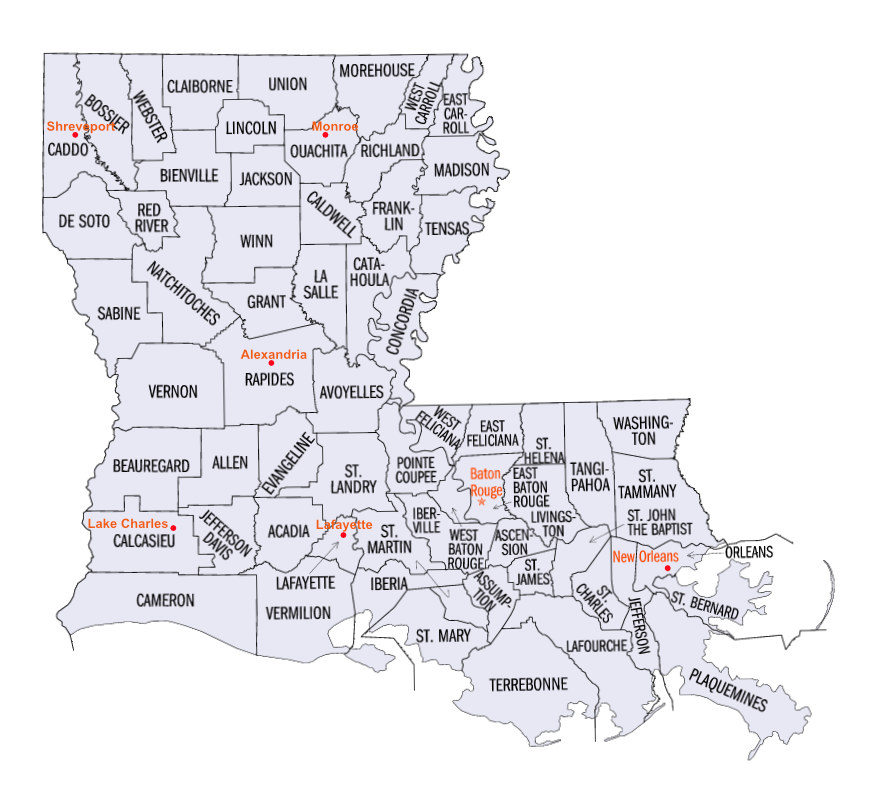
These major cities are not just population centers; they are dynamic destinations offering diverse experiences that cater to every type of traveler. From luxury resorts in New Orleans to boutique hotels in Lafayette, the accommodation options are as varied as the cities themselves.
Mid-Sized Cities and Charming Towns: Discovering Local Flavors
Beyond the major metropolises, Louisiana boasts a wealth of mid-sized cities and charming towns that offer a more intimate and often more authentic travel experience. These places provide a deeper dive into the state’s regional cultures and historical narratives.
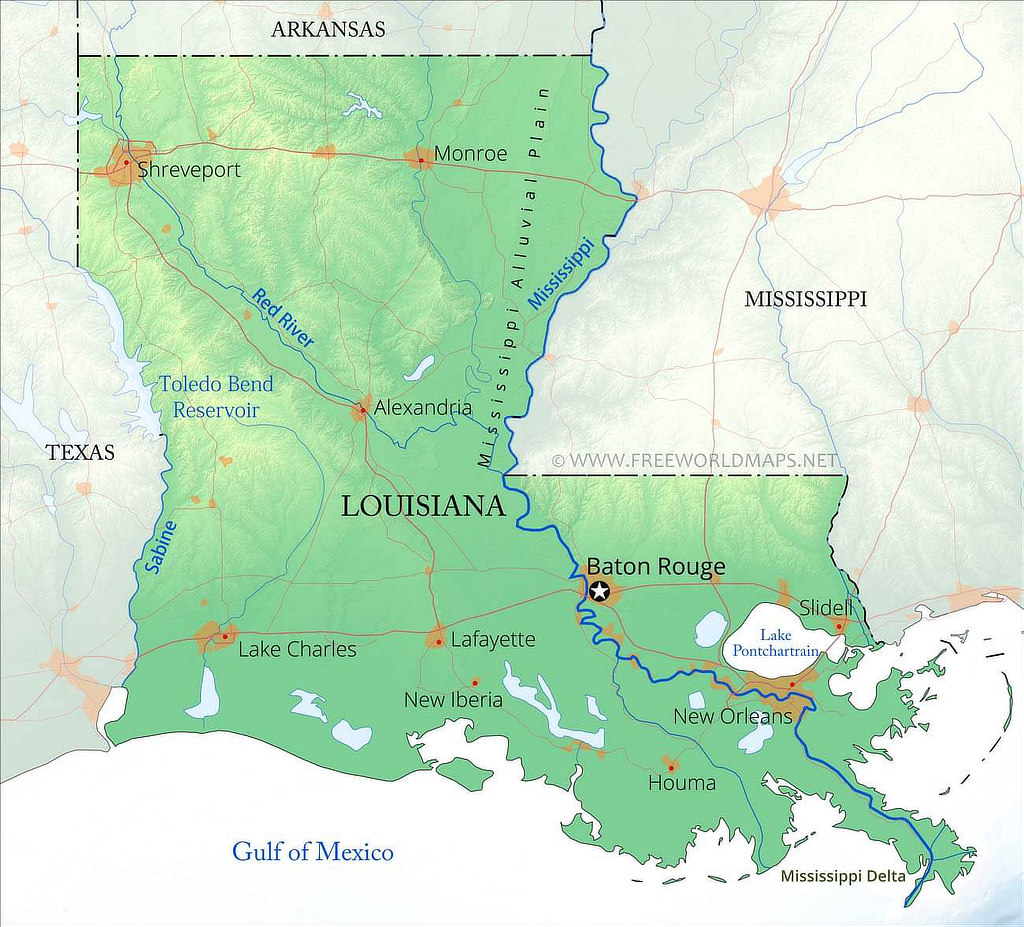
- Alexandria and Pineville: Located in Central Louisiana, these twin cities offer a mix of history, outdoor recreation along the Red River, and a growing number of local eateries.
- Monroe and West Monroe: These sister cities in Northeast Louisiana are known for their historic districts, unique shopping, and proximity to natural attractions.
- Natchitoches: As the oldest permanent settlement in the Louisiana Purchase, Natchitoches is a picturesque town steeped in history, famous for its Cane River Creole National Historical Park and its distinctive meat pies.
- Houma: Situated in the heart of the Atchafalaya Basin, Houma is a prime location for experiencing Louisiana’s bayou country, offering swamp tours and a glimpse into coastal living.
Exploring these smaller cities and towns often leads to discovering hidden gems – quaint bed and breakfasts, local craft breweries, and family-run restaurants serving regional specialties. They represent the soul of Louisiana, where traditions are cherished, and a slower pace of life allows for genuine connection.
Villages and Hamlet: The Intimate Encounters
The smallest incorporated entities, the villages and hamlets of Louisiana, offer perhaps the most intimate encounters with local life. While their population may be small, their character and contributions to the state’s cultural mosaic are often significant.
- Preserving Local Heritage: Many villages are home to communities that have meticulously preserved their unique heritage, whether it’s a specific dialect, culinary tradition, or a particular form of craftsmanship.
- Gateway to Nature: Some villages serve as gateways to remote natural areas, such as the vast wetlands or dense forests, offering unparalleled opportunities for eco-tourism and outdoor adventures.
- Authentic Culinary Experiences: Visiting a village can mean stumbling upon a local festival or a community potluck where the most authentic flavors of Louisiana can be savored.
These tiny settlements, though often overlooked in broad travel guides, are vital to understanding the comprehensive character of Louisiana. They are the places where the state’s rich history and enduring traditions are often most palpable, offering a truly immersive experience for the discerning traveler.
The Significance of Municipal Classification for Travelers
For anyone planning a trip to Louisiana, understanding the distinction between different types of municipalities can significantly enhance their travel experience. The classification of a place as a “city,” “town,” or “village” often correlates with the services, attractions, and general atmosphere one can expect.
Scale of Amenities and Attractions
- Cities: Generally offer a wider range of amenities, including a greater selection of hotels, resorts, restaurants, entertainment venues, and cultural institutions like museums and theaters. They are ideal for travelers seeking a full-service experience with abundant options.
- Towns: Provide a more balanced experience, offering essential amenities and attractions while retaining a more manageable and often friendlier scale. They are perfect for those who want access to services without the overwhelming bustle of a large city.
- Villages: Typically have fewer commercial amenities but excel in offering authentic local charm and a peaceful environment. They are best suited for travelers seeking a quiet retreat or a deep dive into a specific local culture.
Accessibility and Transportation
The size and classification of a municipality can also influence transportation. Larger cities usually have more developed public transportation systems, major airports, and extensive road networks. Smaller towns and villages might rely more on personal vehicles, and navigating them can be part of the adventure.
Cultural Immersion Opportunities
While major cities offer world-class cultural institutions, smaller towns and villages often provide a more intimate and direct immersion into local traditions. Experiencing a small-town festival, dining at a family-owned eatery, or simply chatting with locals in a village square can offer profound insights into the heart of Louisiana.
In essence, the number of cities in Louisiana is more than just a statistic; it represents a diverse collection of communities, each with its own unique appeal. Whether you’re drawn to the vibrant energy of New Orleans or the quiet charm of a bayou village, understanding these distinctions allows for a more informed and rewarding journey through the Pelican State.
LifeOutOfTheBox is a participant in the Amazon Services LLC Associates Program, an affiliate advertising program designed to provide a means for sites to earn advertising fees by advertising and linking to Amazon.com. Amazon, the Amazon logo, AmazonSupply, and the AmazonSupply logo are trademarks of Amazon.com, Inc. or its affiliates. As an Amazon Associate we earn affiliate commissions from qualifying purchases.