
Las Vegas, Nevada, is a city synonymous with bright lights, endless entertainment, and a unique desert charm. Whether you’re planning a thrilling weekend getaway, a luxurious resort stay, or an extended visit to explore its vibrant culture, understanding the local weather patterns is paramount to a comfortable and enjoyable experience. The climate in this dazzling metropolis, nestled in the Mojave Desert, significantly influences everything from your packing list and chosen activities to the best time to visit for specific events or attractions. This comprehensive guide will walk you through the seasonal nuances of Las Vegas weather, offering insights to help you plan the perfect trip, regardless of the time of year.
Understanding the Desert Climate of Las Vegas
The climate of Las Vegas is characterized as arid, a classic desert environment with extreme temperatures and very little precipitation. This means distinct seasons, with very hot summers and mild to cool winters, interspersed with pleasant spring and autumn months.
Arid Environment and Sunshine Galore
One of the most defining features of Las Vegas weather is its abundance of sunshine. The city boasts over 300 sunny days a year, making it an ideal destination for those seeking to escape dreary skies. This consistent sun exposure contributes to the high daytime temperatures, especially during the summer, but it also ensures clear skies for evening activities and stargazing opportunities outside the city lights. Humidity levels are generally very low, which, while comfortable for some, can also lead to quick dehydration if visitors aren’t careful about staying hydrated. The dry air also means that temperature swings between day and night can be quite dramatic, with evenings often feeling significantly cooler than daytime highs, even in summer.
What Influences Las Vegas Weather?
The geographical location of Las Vegas plays a crucial role in its weather. Situated in a basin surrounded by mountains, the city is shielded from much of the moisture that might otherwise reach it. The vast Mojave Desert environment around it contributes to the extreme temperatures, as sand and rock absorb and radiate heat efficiently. Proximity to the Pacific Ocean, though hundreds of miles away, also has a subtle influence, with occasional moisture from distant storm systems reaching the area, especially during the late summer monsoon season. El Niño and La Niña cycles can also affect precipitation patterns, leading to slightly wetter or drier than average years. Understanding these influences helps travelers appreciate the unique climatic challenges and advantages of this iconic desert city.
Seasonal Breakdown: Planning Your Las Vegas Adventure
Each season in Las Vegas offers a different experience, shaping the types of activities, attractions, and accommodations that are most appealing.
Spring in Las Vegas: Mild & Marvelous (March to May)
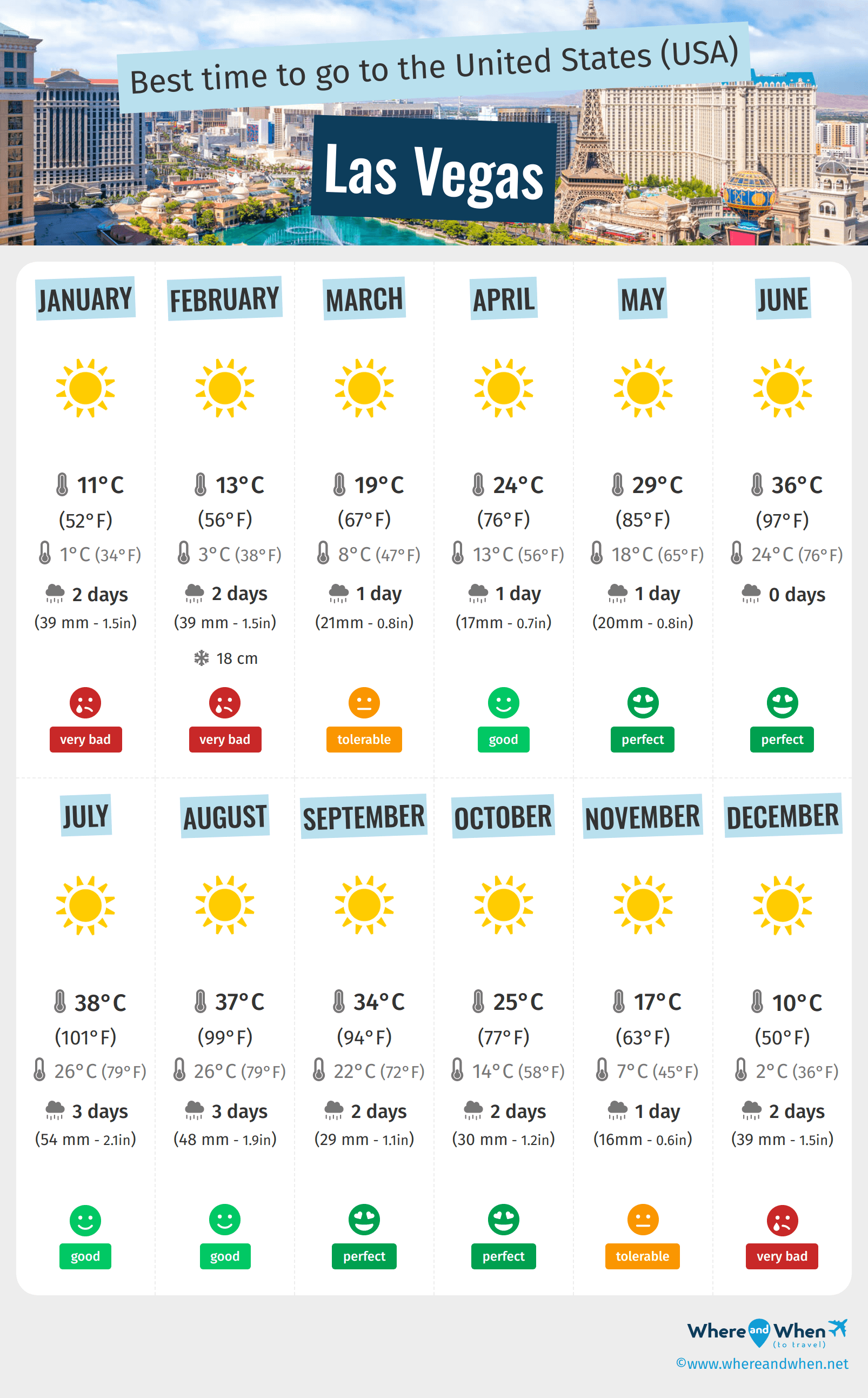
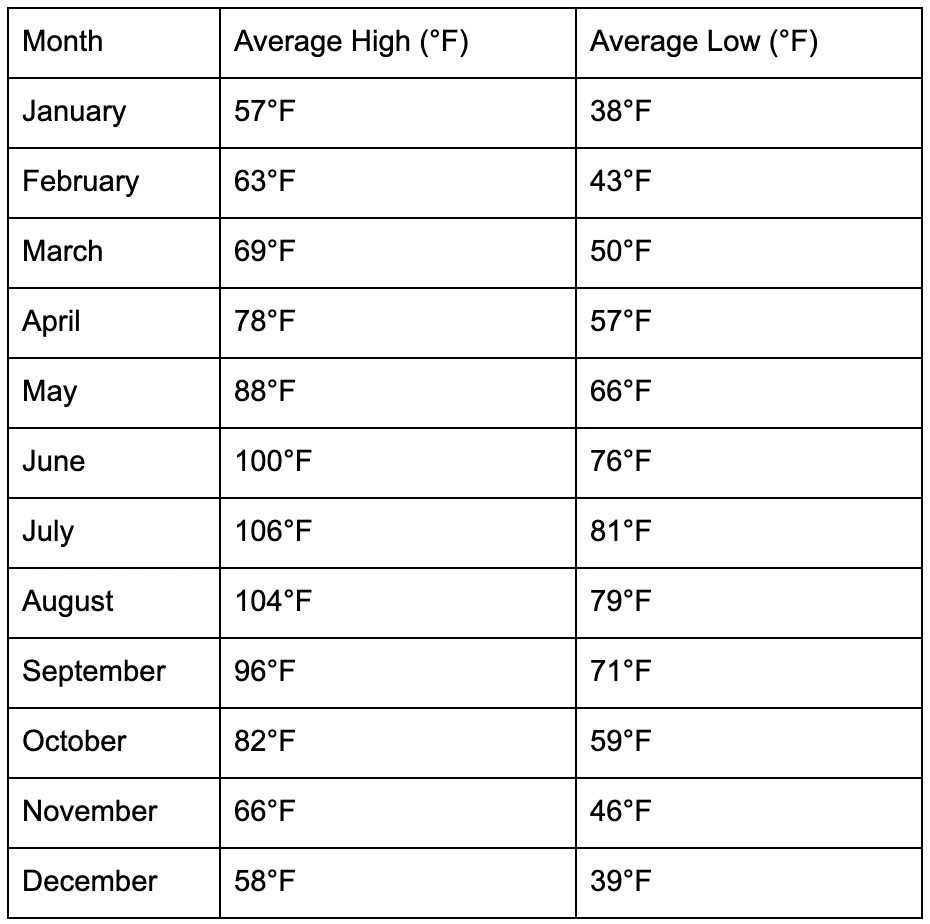
Spring is arguably the most pleasant time to visit Las Vegas. The weather is typically mild and sunny, with daytime temperatures ranging from the comfortable 60s to high 80s Fahrenheit (15-30°C). Nights are cool, often dipping into the 40s or 50s (4-15°C), making light jackets or sweaters a necessity for evening strolls along the Las Vegas Strip or outdoor dining. Rainfall is minimal, ensuring bright, clear days ideal for exploring.
Travel and Tourism: This season is perfect for all types of tourism. Outdoor activities like hiking in Red Rock Canyon National Conservation Area or exploring the geological wonders of Valley of Fire State Park are incredibly popular. It’s also an excellent time for a day trip to the Hoover Dam and Lake Mead, or even a longer excursion to the Grand Canyon, as temperatures are agreeable for driving and sightseeing. Hotel pools begin to buzz with activity, but the intense heat of summer isn’t yet a factor, allowing for comfortable sunbathing. Major events, conventions, and festivals often schedule during these months, attracting a diverse crowd.
Accommodation and Lifestyle: With the perfect weather, spring is a peak travel season, meaning hotel prices can be higher, and popular Las Vegas resorts like Bellagio or Caesars Palace book up quickly. Booking in advance is highly recommended. Many hotels open their elaborate pool complexes, offering a resort lifestyle experience that blends relaxation with entertainment. For families, spring break offers a chance to enjoy the city’s kid-friendly attractions without the extreme heat.
Summer in Las Vegas: Hot & Happening (June to August)
Summer in Las Vegas is synonymous with intense heat. Daytime temperatures regularly soar into the triple digits, often exceeding 100°F (38°C) and sometimes reaching as high as 115°F (46°C). Nights offer little respite, with temperatures often staying above 80°F (27°C). While the heat is dry, it can be oppressive. There is a “monsoon season” from late July to early September, which can bring brief, intense thunderstorms, localized flooding, and a slight increase in humidity, but these are generally short-lived.
Travel and Tourism: Despite the heat, summer is a bustling time, especially for those seeking the ultimate pool party experience. Resorts transform into vibrant oases, with day clubs and elaborate pool complexes at places like MGM Grand becoming central to the Las Vegas lifestyle. Indoor attractions, such as world-class shows by Cirque du Soleil, lavish casinos, shopping malls, and air-conditioned restaurants, are prime destinations. Outdoor excursions to places like Red Rock Canyon or the Grand Canyon are still possible but require early morning starts and careful hydration planning.
Accommodation and Lifestyle: Hotels offer excellent value during the hottest weeks, with lower rates attracting budget-conscious travelers and those primarily interested in indoor entertainment and pool activities. Luxury travelers can still enjoy the opulent suites and amenities of resorts like The Venetian Resort or Aria Resort & Casino, using their fantastic air conditioning as a welcome escape. Staying hydrated with plenty of water is crucial, as is wearing light, breathable clothing and high SPF sunscreen. The evening often brings a different kind of energy, with outdoor terraces and rooftop bars coming alive as temperatures dip slightly.
Autumn in Las Vegas: Pleasant & Picturesque (September to November)
Autumn in Las Vegas offers a glorious reprieve from the summer heat, often rivaling spring as the best time to visit. September can still be quite warm, but by October, temperatures become very comfortable, ranging from the 70s to low 90s (21-32°C). By November, daytime highs are typically in the 60s (15-20°C), with crisp, cool evenings in the 40s and 50s (4-15°C). The skies remain largely clear and sunny, with very little rain.
Travel and Tourism: This season is ideal for all types of outdoor exploration, including hiking, golfing, and sightseeing without the intense heat. Popular Las Vegas landmarks and attractions, both on and off the Strip, are highly accessible. It’s a fantastic time for road trips to nearby national parks in Nevada or California, as the driving conditions and outdoor temperatures are superb. The comfortable weather also enhances outdoor dining experiences and makes exploring the Fremont Street Experience a delight.
Accommodation and Lifestyle: Similar to spring, autumn is a highly sought-after travel period, which can translate to higher accommodation costs and increased demand for popular hotels and shows. Booking accommodations and activities well in advance is advisable. The mild climate makes it perfect for enjoying resort amenities, whether it’s lounging by the pool or enjoying an outdoor spa treatment. It’s also a popular time for business travel and conventions, contributing to the city’s vibrant atmosphere. Layers are key for clothing, allowing for adjustments as the day progresses from warm afternoons to cool evenings.
Winter in Las Vegas: Cool & Cozy (December to February)
Winter in Las Vegas brings cooler temperatures and crisp air. Daytime highs typically range from the low 50s to low 60s Fahrenheit (10-18°C), while nights can drop significantly, often into the 30s (0-4°C) and sometimes even below freezing. While snow is rare in the city center, the surrounding mountains, like Mount Charleston, often see snowfall, providing a scenic backdrop. Rainfall is minimal but slightly more common than in other seasons.
Travel and Tourism: Winter is an excellent time for indoor attractions and events. World-class shows, fine dining, casinos, and shopping provide ample entertainment. Many resorts feature festive holiday decorations, especially around Christmas and New Year’s Eve, drawing large crowds. While outdoor activities like hiking are still possible and enjoyable, visitors need to dress warmly. Pool areas at many resorts may be closed or have limited hours, though some offer heated pools for year-round enjoyment. New Year’s Eve is a massive draw, with spectacular fireworks displays and events, making it one of the busiest and most expensive times to visit. The cooler weather is also ideal for conventions and business travel, often filling up the city’s extensive convention centers.
Accommodation and Lifestyle: Hotel rates can be lower in early December and January (outside of holiday periods and major events like the Super Bowl or CES). This makes it an attractive time for budget-conscious travelers who prioritize indoor entertainment. For those seeking a luxurious escape from colder climates, Las Vegas offers a unique combination of glamorous indoor living and opportunities for cozy evenings. Packing warm layers, including a heavy jacket, hats, and gloves for evenings, is essential.
Preparing for Las Vegas Weather: Tips for Every Traveler
Regardless of when you visit, a few universal tips will enhance your Las Vegas experience.
Packing Essentials for the Desert
- Hydration: Always carry a water bottle, especially during warmer months or when exploring outdoors. Dehydration can happen quickly in the dry desert air.
- Sun Protection: Sunscreen (SPF 30+), sunglasses, and a wide-brimmed hat are non-negotiable year-round due to the intense sun.
- Layered Clothing: Even in summer, evenings can be cooler, and air-conditioned interiors can be chilly. Layers are always a good idea. In spring and autumn, they are essential for comfort from day to night. In winter, pack warm coats, scarves, and gloves.
- Comfortable Shoes: You’ll do a lot of walking on the Strip and within mega-resorts. Prioritize comfortable footwear.
- Swimwear: If visiting during spring, summer, or early autumn, ensure you pack swimwear to enjoy the incredible pools.
Staying Comfortable and Healthy
- Stay Hydrated: Drink more water than you think you need, especially if consuming alcohol.
- Acclimatize: Give your body time to adjust to the dry air and temperature extremes.
- Protect Your Skin: Beyond sunscreen, consider moisturizing regularly to combat the dry climate.
- Plan Outdoor Activities Wisely: In summer, schedule hikes and outdoor sightseeing for early morning or late afternoon to avoid the peak heat. Inform someone of your plans, especially if venturing into remote areas.
Maximizing Your Stay Regardless of the Forecast
Las Vegas is designed to be an all-weather destination. Its vast array of indoor entertainment means that even on the hottest or coolest days, there’s always something to do. Explore world-class museums, catch a residency show, dine at Michelin-starred restaurants, gamble in iconic casinos, or discover unique shopping experiences. The weather merely guides which activities are most comfortable outdoors versus indoors. Many hotels offer climate-controlled walkways or tram systems, making it easy to navigate the Strip without enduring extreme temperatures.
Beyond the Strip: Weather’s Impact on Outdoor Adventures
While the glitz and glamour of the Las Vegas Strip are the main draw for many, the surrounding Mojave Desert offers breathtaking natural beauty and outdoor adventure opportunities that are heavily influenced by the weather.
Exploring Natural Wonders Near Las Vegas
- Red Rock Canyon National Conservation Area: Just a short drive from the city, Red Rock Canyon is a haven for hikers and rock climbers. Spring and autumn offer ideal temperatures for exploring its scenic trails. Summer visits should be limited to very early mornings to avoid dangerous heat, while winter provides cool, crisp hiking weather.
- Valley of Fire State Park: Known for its vibrant red Aztec sandstone outcrops, this park is best visited in the cooler months of spring, autumn, and winter. The summer heat can make hiking here almost unbearable.
- Hoover Dam and Lake Mead: These iconic landmarks are enjoyable year-round. Boating and water sports on Lake Mead are popular during spring and summer, though the summer heat requires plenty of hydration and sun protection. The Hoover Dam tour is comfortable in any season.
- Grand Canyon: A longer day trip or overnight stay, the Grand Canyon has its own distinct weather patterns. The South Rim, the most accessible from Las Vegas, experiences four seasons, with potentially heavy snow in winter. Spring and autumn are generally the most comfortable, offering mild temperatures for sightseeing and hiking.
- Death Valley National Park: As one of the hottest places on Earth, Death Valley is best visited during the cooler months from late autumn to early spring. Summer visits are strongly discouraged due to extreme, life-threatening temperatures.
Weather and Outdoor Activities
The choice of outdoor activity often depends on the season. Golf courses are in prime condition during spring and autumn but require early tee times in summer. Adventure sports like ATV riding or off-roading are popular in cooler months. For those interested in snow sports, Mount Charleston, just an hour’s drive from Las Vegas, offers skiing and snowboarding during winter. The vibrant flora and fauna of the desert are also most active and visible during the milder seasons, making spring an excellent time for nature photography.
Making the Most of Your Las Vegas Trip: Weather-Wise Choices
Ultimately, Las Vegas truly is a year-round destination, but knowing what to expect from the weather allows you to tailor your trip for maximum enjoyment. For travelers seeking outdoor adventures and comfortable exploration, spring and autumn are ideal. If vibrant pool parties and a bustling indoor scene are your priority, summer embraces the heat with open arms. For those who prefer cooler temperatures and cozy indoor entertainment, winter offers its own unique charm, particularly around the holidays.
Whether you’re booking an opulent suite, exploring Nevada’s natural landmarks, savoring world-class cuisine, or indulging in the Las Vegas lifestyle, keeping the weather in mind will ensure your visit is as comfortable and memorable as the city itself. Armed with this knowledge, you can pack appropriately, plan your itinerary smartly, and fully immerse yourself in all that this incredible desert oasis has to offer.
LifeOutOfTheBox is a participant in the Amazon Services LLC Associates Program, an affiliate advertising program designed to provide a means for sites to earn advertising fees by advertising and linking to Amazon.com. Amazon, the Amazon logo, AmazonSupply, and the AmazonSupply logo are trademarks of Amazon.com, Inc. or its affiliates. As an Amazon Associate we earn affiliate commissions from qualifying purchases.