
The question “What is the population of Los Angeles?” might seem straightforward, but its answer unveils the true essence of one of the world’s most dynamic and influential cities. Far beyond a simple numerical count, Los Angeles’ population is a vibrant tapestry that dictates its culture, shapes its urban landscape, fuels its tourism industry, and defines the diverse lifestyles of its residents. As a premier destination for travelers, a hub for accommodation innovation, and a beacon of global culture, understanding the demographics of the City of Los Angeles and its broader metropolitan area is crucial for anyone looking to visit, invest, or simply appreciate this sprawling California metropolis. It’s the sheer scale and incredible diversity of its inhabitants that transform Los Angeles from a collection of zip codes into a living, breathing entity, perpetually evolving and offering an unparalleled array of experiences. This article delves deep into the numbers, exploring how the human element is intrinsically linked to everything that makes Los Angeles an unforgettable destination, from its iconic Hollywood glamour to its serene beaches along the Pacific Ocean.

A Metropolis Defined by its Numbers: Understanding Los Angeles’s Demographics
To truly grasp the magnitude of Los Angeles, one must look beyond the official city limits to encompass its vast influence. This urban giant is not merely a single municipality but the pulsating heart of a colossal metropolitan region, a distinction vital for understanding its impact on travel, tourism, and daily life.
The Core City vs. The Greater Metropolitan Area
The official population of the City of Los Angeles itself typically hovers around 3.9 million residents, making it the most populous city in California and the second most populous in the entire United States. This figure, while impressive, only tells part of the story. The true scale emerges when considering Los Angeles County, which encompasses the city and numerous other municipalities like Santa Monica, Long Beach, Pasadena, and Beverly Hills. Los Angeles County alone boasts a population of over 10 million people, making it the most populous county in the United States.
However, even this figure is often dwarfed by the broader Los Angeles metropolitan area, which includes nearby counties such as Orange County, Riverside County, and San Bernardino County. This sprawling Southern California mega-region collectively houses nearly 19 million people, forming one of the largest urban agglomerations on the planet. This sheer density and geographic spread create a unique environment for travelers and residents alike. The implications of this scale are profound: a vast array of destinations, an incredible diversity of attractions, and a complex network of transportation and infrastructure, all catering to a colossal and ever-moving population. For visitors, it means endless exploration possibilities; for those in the accommodation sector, it signifies a constant demand across various price points and styles. The numbers not only define how many people live here but also describe a vibrant ecosystem of human interaction, innovation, and cultural exchange.

The Vibrant Tapestry: How Population Shapes Los Angeles’s Culture and Tourism
The colossal population of Los Angeles is not merely a statistical fact; it is the very soul of the city, weaving together a rich tapestry of cultures, traditions, and global influences. This demographic mosaic is precisely what makes Los Angeles such a compelling destination for tourism, offering an unparalleled depth of experiences that transcend typical travel itineraries.
A Melting Pot of Global Influences
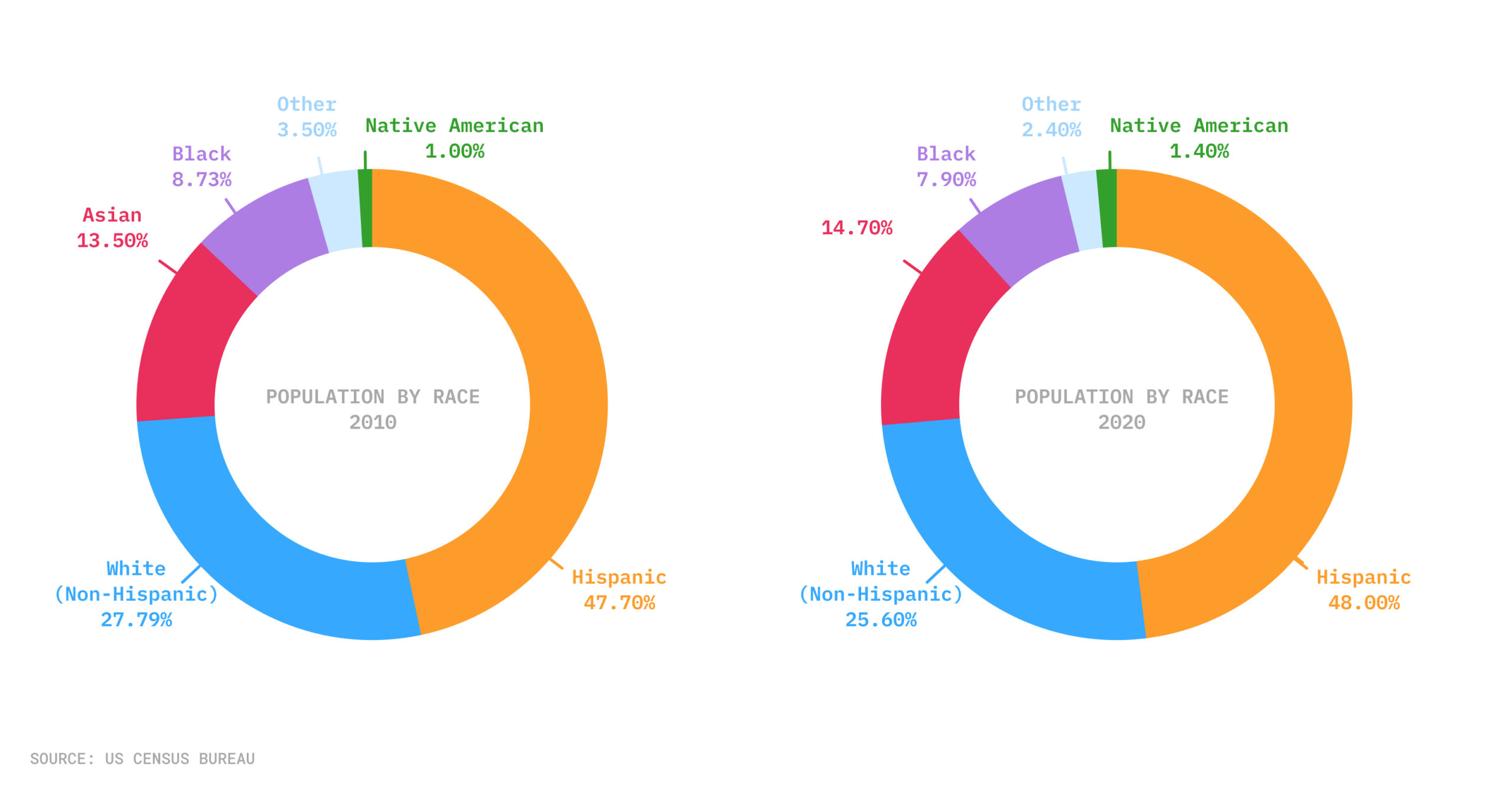
Los Angeles’ identity as a global city is deeply rooted in its population’s incredible diversity. Home to residents from over 140 countries speaking more than 220 different languages, Los Angeles truly stands as a microcosm of the world. This extensive immigration from Latin America, Asia, and Europe has led to the formation of distinct ethnic enclaves, each offering an authentic glimpse into their respective cultures. Visitors can wander through the bustling streets of Chinatown, savoring traditional dim sum and exploring historic temples; immerse themselves in the vibrant nightlife and exquisite Korean BBQ of Koreatown; discover the rich heritage and flavors of Little Ethiopia on Fairfax Avenue; or experience the serene beauty and culinary delights of Little Tokyo.
Olvera Street, often referred to as “the birthplace of Los Angeles,” offers a vibrant taste of Mexican culture and history, a testament to the city’s strong ties to Mexico and its diverse Latino population. These neighborhoods are not just tourist attractions; they are thriving communities where residents preserve and celebrate their heritage, creating an incredibly rich cultural landscape that continuously enriches the city’s tourism offerings. From unique shops and art galleries to religious institutions and community centers, these areas invite travelers to step beyond the well-trodden paths and experience the true local culture of Los Angeles.
Echoes in Local Culture and Culinary Scene
The profound demographic diversity of Los Angeles directly translates into an extraordinarily diverse local culture and a culinary scene that is second to none. This diversity ensures that the city caters to every palate and cultural interest, making it a dream destination for foodies and cultural explorers alike. From humble food trucks serving authentic tacos and Korean BBQ to Michelin-starred restaurants pushing the boundaries of global cuisine, Los Angeles’ food landscape is a direct reflection of its people. The sheer number of residents, each bringing their culinary traditions, ensures a constant innovation and evolution in dining. Areas like The Original Farmers Market and Grand Central Market vividly showcase this diversity, offering an eclectic mix of international and local delicacies under one roof.
Beyond food, the city’s population fuels a year-round calendar of festivals, parades, and cultural events celebrating everything from Lunar New Year to Cinco de Mayo, and film festivals to music concerts. These events are not merely tourist spectacles but genuine expressions of community spirit and cultural pride, offering visitors an authentic glimpse into the daily lives and celebrations of Angelenos. The constant influx of new residents and ideas also contributes to Los Angeles’ status as a global trendsetter in fashion, art, and entertainment. This dynamic interplay between a vast, diverse population and its cultural output creates an inexhaustible wellspring of experiences for tourists, positioning Los Angeles as a destination where every visit can uncover something new and exciting, reflecting the ever-changing face of its people.
Navigating the Urban Landscape: Population’s Impact on Travel and Accommodation
The sheer size of Los Angeles’ population and its sprawling geographical footprint significantly influence how travelers explore the city and where they choose to stay. Understanding these dynamics is key to planning an enjoyable and efficient trip, ensuring access to the best attractions and the most suitable accommodation options.
Exploring Los Angeles: Attractions for Every Traveler
With millions of residents and an equally vast number of visitors annually, Los Angeles has developed an infrastructure to support a myriad of attractions catering to every interest. From the glitz and glamour of the Hollywood Walk of Fame and Universal Studios Hollywood to the serene beauty of the Getty Center and the panoramic views from Griffith Observatory, there’s no shortage of famous places to explore. Iconic landmarks like the Walt Disney Concert Hall in Downtown LA, the Santa Monica Pier, and the luxurious shopping on Rodeo Drive in Beverly Hills draw millions annually. Beyond these, the city offers natural wonders, from the hiking trails of Runyon Canyon Park in the Hollywood Hills to the beaches of Malibu and Venice Beach, complete with its distinctive Venice Canals.
However, this high population density, coupled with Los Angeles’ car-centric culture, can lead to significant traffic congestion, especially during peak hours. Tourists should factor this into their travel plans, utilizing the expanding LA Metro system, ride-sharing services, or strategically planning their visits to avoid gridlock. The sheer number of people also means that popular attractions can get crowded, so booking tickets in advance and arriving early are often wise strategies for a smoother experience. Despite these challenges, the vast population ensures a constant flow of new events, exhibitions, and performances, making Los Angeles a city where there’s always something new to discover, reflecting the dynamic interests of its diverse residents.
Accommodation Choices Amidst a Growing Populace
The expansive population of Los Angeles has naturally fostered a robust and highly competitive accommodation market, offering an incredibly diverse range of options to suit every budget, preference, and travel style. From opulent five-star resorts to charming boutique hotels, and from extended-stay apartments to budget-friendly hostels, the city’s lodging landscape is as varied as its residents. Luxury travelers might opt for iconic establishments like The Beverly Hills Hotel or the Waldorf Astoria Beverly Hills, offering world-class amenities and unparalleled service. Downtown LA and West Hollywood are popular for their trendy hotels and vibrant nightlife, while coastal areas like Santa Monica and Venice Beach offer beachfront resorts and a more laid-back vibe.
For those planning longer stays or seeking a more local experience, serviced apartments and villas are increasingly popular, catering to the demand from both visitors and those on temporary business assignments. The substantial local population also supports a thriving short-term rental market, providing unique stays in residential neighborhoods. Due to the high demand driven by both tourism and a large resident base, it is always advisable for travelers to book accommodation well in advance, especially during peak travel seasons or major events. Prices can fluctuate significantly, and popular properties fill up quickly. The sheer volume of choices, however, ensures that with a little planning, every traveler can find the perfect place to call home during their visit to Los Angeles, demonstrating how the city’s population directly translates into a vibrant and comprehensive hospitality sector.
Lifestyle and Long-Term Trends: Living in the City of Angels
The population figures of Los Angeles paint a picture of a city brimming with diverse lifestyles and constantly adapting to new demographic trends. These trends not only shape the daily lives of Angelenos but also influence the city’s appeal as a travel destination and its future development.
The Diverse Lifestyles of Angelenos
The vast and varied population of Los Angeles inherently creates a mosaic of lifestyles, each catered to by the city’s extensive offerings. For the luxury traveler, areas like Beverly Hills and Malibu provide exclusive experiences, from high-end shopping on Rodeo Drive to private beach access. Budget-conscious adventurers can find affordable thrills exploring street art in the Arts District, hiking in Griffith Park, or enjoying a picnic with views of the Hollywood sign. Family trips are well-accommodated with attractions like Disneyland (just outside the county but a major draw for LA visitors), the California Science Center, and the Petersen Automotive Museum. Business stays are facilitated by a robust network of convention centers and business-friendly hotels across Downtown LA and Culver City.
The city’s diverse population also supports a thriving ecosystem of local businesses, from specialty grocery stores reflecting various culinary traditions to niche art galleries and performance venues like The Broad Museum. The presence of major sports teams at venues like Crypto.com Arena and Dodger Stadium further adds to the vibrant local lifestyle, attracting fans from across the region. This ability to cater to such a wide spectrum of preferences is a direct outcome of having a large and incredibly heterogeneous population, ensuring that there’s truly something for everyone, whether they’re a temporary visitor or a lifelong resident.
Population Dynamics and Future Outlook
Los Angeles’ population dynamics are continuously evolving, influenced by national and international migration patterns, birth rates, and economic factors. While the city has experienced periods of rapid growth, recent trends suggest a more moderate pace, with challenges such as housing affordability, traffic congestion, and environmental sustainability coming to the forefront. These issues, directly tied to a dense population, are actively being addressed through urban planning initiatives, public transportation expansion, and sustainable development projects. The resilience and adaptability of Angelenos, however, remain a constant.
Despite the challenges, Los Angeles’ enduring appeal as a global hub for entertainment, technology, trade, and culture ensures its continued prominence. Its diverse population is its greatest asset, fueling innovation, driving economic growth, and maintaining its reputation as a dynamic and welcoming city. The city’s ability to constantly reinvent itself, while retaining its unique cultural identity, is a testament to the collective spirit of its millions of inhabitants. From its sunny beaches to its bustling urban core, the pulse of Los Angeles is intricately linked to the people who call it home, shaping its past, defining its present, and charting its future as a world-class destination.
LifeOutOfTheBox is a participant in the Amazon Services LLC Associates Program, an affiliate advertising program designed to provide a means for sites to earn advertising fees by advertising and linking to Amazon.com. Amazon, the Amazon logo, AmazonSupply, and the AmazonSupply logo are trademarks of Amazon.com, Inc. or its affiliates. As an Amazon Associate we earn affiliate commissions from qualifying purchases.