
Florida, often lauded as the Sunshine State, beckons millions annually with its pristine beaches, vibrant cities, and unparalleled attractions. From the magical theme parks of Orlando to the Art Deco charm of Miami Beach, and the tranquil beauty of the Florida Keys, it’s a destination synonymous with leisure, adventure, and relaxation. People travel to Florida for vacations, business trips, extended stays, and even to call it home. With such a diverse influx of individuals, understanding the local legal landscape becomes an often-overlooked yet critical aspect of ensuring a safe and secure experience. While most visitors and residents enjoy their time without incident, life can sometimes present unforeseen challenges. It is in these moments that knowing your rights and the legal protections available becomes paramount.
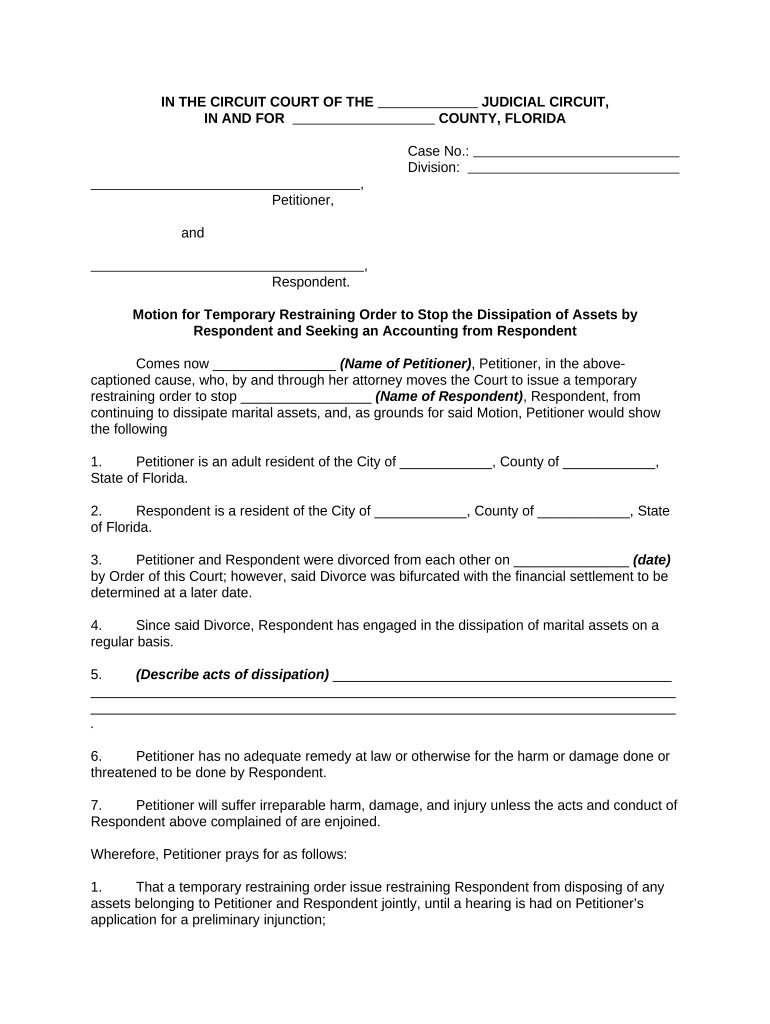
One such vital legal protection, which can contribute significantly to peace of mind, especially for those navigating new environments or unexpected personal difficulties, is the ability to obtain a restraining order. In Florida, these are formally known as “Injunctions for Protection.” While the topic might seem far removed from typical travel guides, understanding how to secure such a legal safeguard is an essential piece of knowledge for anyone spending significant time in the state, be it for tourism, a long-term relocation, or even a sudden, unforeseen personal crisis during a short trip. For travelers, expats, or new residents, familiarizing oneself with Florida’s legal processes offers an invaluable layer of security, ensuring that if safety is ever compromised, the tools for protection are understood and accessible. This guide aims to demystify the process of obtaining an injunction for protection in Florida, framing it within the broader context of ensuring a secure and harmonious stay in this beautiful United States state.
Navigating Legal Safeguards in the Sunshine State
When considering travel or a prolonged stay in any new location, whether it’s the bustling metropolis of Tampa, the historic streets of St. Augustine, or the scenic Gulf Coast, an understanding of local laws contributes to a sense of preparedness and confidence. For those seeking legal protection from threats, harassment, or violence, Florida provides specific legal mechanisms. An injunction for protection, commonly referred to elsewhere as a restraining order, is a civil court order designed to provide safety to an individual from another person who poses a threat of violence, harassment, or stalking. It’s a powerful legal tool intended to prevent future harm and establish clear boundaries, legally enforced by the state.
The core purpose of an injunction is to protect individuals from specific forms of abuse, ensuring their physical and emotional well-being. This can be particularly crucial for individuals who find themselves in vulnerable situations, perhaps far from their usual support networks, while visiting or residing in Florida. The legal framework in Florida is robust in this regard, recognizing several distinct types of injunctions, each tailored to specific circumstances of harm or threat. This nuanced approach ensures that victims can seek appropriate protection based on the nature of the abuse they are experiencing or have experienced. Understanding these distinctions is the first step toward effectively navigating the system and securing the necessary relief.
Types of Injunctions for Protection in Florida
Florida law meticulously categorizes injunctions to address various forms of interpersonal violence and harassment. These distinctions are important because the criteria for obtaining each type, as well as the types of relationships or situations they cover, can differ. Knowing which category applies to a particular situation is crucial for filing a successful petition and receiving the protection needed.
-
Injunction for Protection Against Domestic Violence: This is perhaps the most widely recognized form. Domestic violence in Florida is defined broadly to include assault, battery, sexual assault, stalking, kidnapping, false imprisonment, or any criminal offense resulting in physical injury or death of one family or household member by another. Critically, “family or household members” include spouses, former spouses, persons related by blood or marriage, persons who are presently residing together as if a family or who have resided together in the past as if a family, and persons who have a child in common. For individuals traveling with family or residing in Florida with relatives or partners, understanding this provision is vital. Whether you are on vacation in Key West or have settled in Jacksonville, this injunction offers a pathway to safety from an abusive family member or intimate partner.
-
Injunction for Protection Against Dating Violence: Recognizing that abuse can occur outside of traditional family or household structures, Florida law also provides protection against dating violence. This applies when there has been a significant romantic or intimate relationship within the past six months, characterized by the expectation of affection or sexual involvement, and on an ongoing basis. It’s important to note that casual acquaintances or purely business relationships do not qualify. This injunction is particularly relevant for younger travelers or individuals new to Florida who might be forming new relationships, whether they are enjoying the nightlife of South Beach or exploring the academic environment of Gainesville.
-
Injunction for Protection Against Sexual Violence: This specific injunction is designed for victims of sexual assault or battery, regardless of the relationship with the perpetrator. It can be sought by any person who has been the victim of sexual violence, as defined by Florida statute, at any time in their life. This provides a critical layer of protection for individuals who have experienced such trauma, ensuring they can obtain a legal order to prevent further contact or threats from the assailant. The availability of such an injunction underscores Florida’s commitment to protecting individuals from severe criminal acts, fostering a safer environment for everyone from temporary visitors to permanent residents.
-
Injunction for Protection Against Stalking or Cyberstalking: With the rise of digital communication, stalking has evolved, leading to specific legal provisions. Stalking in Florida involves repeatedly following, harassing, or cyberstalking another person. “Harass” means engaging in a course of conduct directed at a specific person which causes substantial emotional distress to that person and serves no legitimate purpose. Cyberstalking involves using electronic communication to engage in such harassing conduct. This injunction is crucial for anyone experiencing persistent, unwanted attention, whether it manifests physically or digitally, and can be sought by anyone, regardless of their relationship with the stalker. For those exploring the vast online communities or simply enjoying the digital amenities of modern resorts, awareness of this protection is increasingly relevant.
-
Injunction for Protection Against Repeat Violence: This type of injunction addresses situations that might not fit neatly into the domestic, dating, sexual, or stalking violence categories but still involve a pattern of violence. It requires the occurrence of two incidents of violence or stalking, one of which must have occurred within six months of filing the petition, and directed against the petitioner or a member of the petitioner’s immediate family. “Violence” includes assault, battery, aggravated assault, aggravated battery, sexual assault, sexual battery, stalking, aggravated stalking, kidnapping, or false imprisonment. This serves as a safety net for those experiencing repeated acts of aggression that don’t fall under the more specific classifications, offering broad protection for various difficult circumstances one might encounter in any community, including the diverse locales of Florida.
The Process: Securing Protection in Florida
The legal process for obtaining an injunction for protection in Florida is designed to be accessible to victims, although it does require careful attention to detail and adherence to court procedures. For those unfamiliar with the Florida legal system, understanding each step is key to successfully securing the necessary protection. Whether you are a long-term resident of Tallahassee or an international visitor experiencing a crisis, the process generally follows a structured path.
The first crucial step involves Filing the Petition. A person seeking an injunction must go to the Clerk of the Circuit Court in the county where they reside, where the perpetrator resides, or where the violence occurred. For example, if an incident occurs during a vacation in Miami, the petition could potentially be filed in Miami-Dade County. The petitioner must complete a specific form, known as a “Petition for Injunction for Protection,” detailing the alleged incidents of violence, threats, or harassment. It is essential to provide as much specific information as possible, including dates, times, locations, and descriptions of the incidents, as well as any relevant evidence. Accuracy and thoroughness in this initial filing are paramount, as the court will rely on this document to determine if an injunction is warranted.
Upon filing, the court will review the petition, usually within the same day. If the judge finds that the petitioner is in immediate danger, they may issue an Emergency Temporary Injunction without the other party being present. This immediate order provides critical temporary protection until a full hearing can be held. This temporary injunction usually orders the respondent (the person against whom the injunction is sought) to have no contact with the petitioner, to stay a certain distance away, and often to surrender any firearms. This immediate relief can be invaluable for individuals who feel their safety is critically threatened, offering a rapid legal shield.
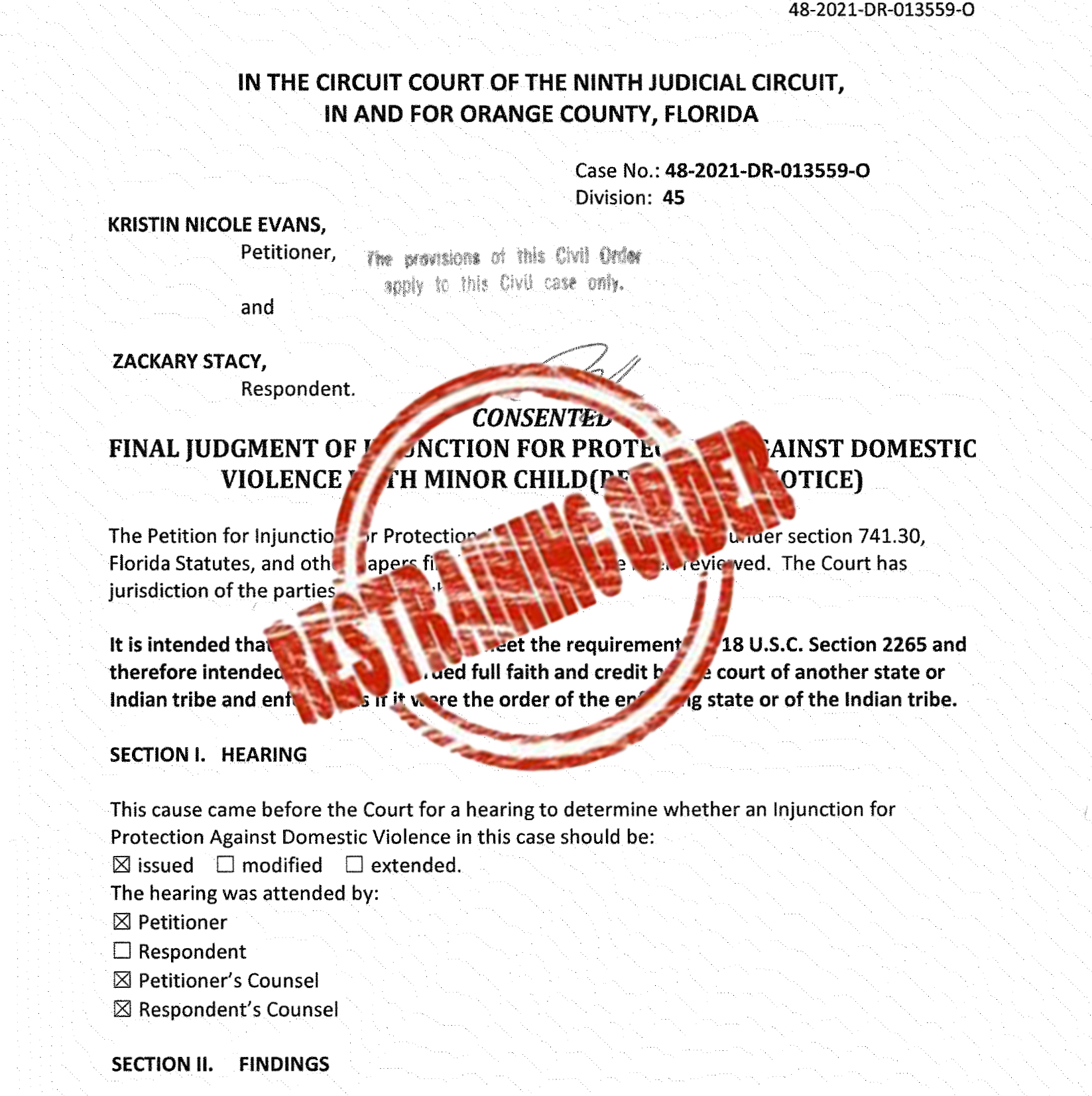
The next significant stage is The Hearing. Even if a temporary injunction is issued, a full hearing is scheduled, typically within 15 days, where both the petitioner and the respondent have the opportunity to present their case. During this hearing, the petitioner must prove by a preponderance of the evidence (meaning it is more likely than not) that the violence, threats, or harassment occurred and that there is a reasonable fear of future violence. The respondent also has the right to present their defense, including evidence and witness testimony. This is a formal court proceeding, and while victims can represent themselves, having legal counsel can significantly strengthen their case, particularly if they are unfamiliar with court procedures or local laws. For individuals visiting Florida from other jurisdictions, navigating these formal proceedings can be particularly challenging without legal guidance.
If the judge determines, after hearing all the evidence, that an injunction is necessary to protect the petitioner, they will issue a Final Order of Injunction. This final order typically has a fixed duration, often for a period of one year, but can be permanent in certain severe cases. The final order includes specific provisions, such as prohibiting the respondent from contacting the petitioner, coming within a certain distance of the petitioner’s home, workplace, or children’s school, and often mandates the surrender of firearms. Violation of a final injunction is a criminal offense in Florida, punishable by arrest, highlighting the serious legal weight of these orders. The existence of such a robust system ensures that individuals in Florida have recourse when facing threats to their personal safety, regardless of their status as a tourist or resident.
Essential Evidence and Resources for Petitioners
Successfully obtaining an injunction for protection in Florida heavily relies on the quality and quantity of evidence presented to the court. For anyone considering filing a petition, whether they are visiting Orlando for a business convention or relocating to Fort Lauderdale, meticulous preparation is key.
Gathering Evidence is perhaps the most critical preparatory step. Petitioners should collect any and all documentation that supports their claims of violence, threats, or harassment. This can include:
- Police Reports: Copies of any reports filed with local law enforcement agencies regarding incidents.
- Medical Records: Documentation of injuries, including hospital records, doctor’s notes, and photographs of injuries.
- Photographs and Videos: Visual evidence of property damage, injuries, or harassing behavior.
- Communications: Text messages, emails, social media posts, voicemails, or letters that contain threats, harassment, or evidence of stalking.
- Witness Statements: Affidavits or testimony from individuals who witnessed incidents or have knowledge of the abuse.
- Detailed Incident Log: A personal log documenting dates, times, specific actions, and any emotional distress caused by the respondent’s behavior.
During Court Proceedings, presenting this evidence clearly and concisely is vital. While a petitioner can represent themselves, the complexity of legal arguments and court rules can be daunting, especially for those unfamiliar with the judicial system. Legal aid organizations and private attorneys specialize in domestic violence and protection injunction cases and can provide invaluable assistance. They can help prepare the petition, gather evidence, and represent the petitioner during the hearing, significantly increasing the chances of a favorable outcome.
Furthermore, Local Resources for Victims play a crucial role in supporting individuals through this challenging process. Florida has a network of victim advocacy centers and domestic violence shelters across its counties, such as those serving Pinellas County or Orange County. These organizations offer a range of services, including crisis counseling, safety planning, legal advocacy, and referrals to safe housing. Many offer assistance specifically tailored for individuals who may be experiencing difficulties while traveling or who are new to the area. These resources are not just about legal advice; they provide emotional support and practical assistance that can be lifesaving. Knowing that such support networks exist can be incredibly empowering for anyone facing a difficult situation in an unfamiliar environment.
Florida: Ensuring a Safe and Enjoyable Experience
For many, Florida embodies the ideal getaway or a perfect place to settle down. Its vibrant culture, diverse landscapes, and warm climate make it a prime destination for various lifestyles, from luxury travel to budget-friendly family trips. However, the true appeal of any destination is not just its attractions but also the underlying sense of safety and security it offers. Understanding the legal safeguards available, such as injunctions for protection, significantly contributes to this sense of security, making Florida an even more welcoming place for everyone.
For Travelers, an awareness of these legal protections provides an important layer of peace of mind. While most vacations to Walt Disney World Resort or leisurely cruises from Port Everglades unfold without incident, knowing that legal recourse exists for unforeseen emergencies can be reassuring. For instance, if an unexpected personal dispute escalates during a trip to Clearwater, knowing the steps to take for protection, even as a temporary visitor, empowers individuals to act swiftly and decisively. It highlights Florida’s commitment to protecting all individuals within its borders, irrespective of their residency status, fostering a safer environment for tourism and exploration.
For Residents and Long-Term Visitors, integrating into a new community in Florida, whether in a bustling city like Miami or a serene area near Everglades National Park, involves understanding local rights and responsibilities. For those considering relocation or extended stays for work or retirement, awareness of these legal tools is paramount. It ensures that individuals can navigate any personal safety challenges with the full backing of Florida law, contributing to their overall well-being and successful integration into their new surroundings. The ability to seek an injunction for protection underscores the state’s dedication to maintaining a safe environment for all who choose to live or spend significant time within its beautiful and diverse communities.
The Legal Landscape in a Popular Destination like Florida is designed to be comprehensive and protective. While the focus of a travel and lifestyle website is often on the joys of discovering new places and experiences along the Atlantic Coast or exploring local culture, acknowledging and understanding the practical aspects of safety and legal protection enriches the overall experience. Florida’s commitment to protecting its residents and visitors from violence and harassment contributes significantly to its reputation as a safe and desirable place to visit, live, and work. This commitment ensures that even in challenging personal situations, individuals have access to the necessary legal mechanisms to restore their safety and peace of mind.
In conclusion, while the topic of obtaining a restraining order might seem like a departure from typical travel discussions, it is, in fact, an integral part of understanding the broader safety and security landscape of a destination. For anyone traveling to, visiting, or residing in Florida, knowing how to access and utilize the state’s injunction for protection laws is an empowering piece of knowledge. It reinforces the idea that even in unforeseen circumstances, help and protection are available, ensuring that your journey, stay, or new life in the Sunshine State can remain as secure and enjoyable as intended.
LifeOutOfTheBox is a participant in the Amazon Services LLC Associates Program, an affiliate advertising program designed to provide a means for sites to earn advertising fees by advertising and linking to Amazon.com. Amazon, the Amazon logo, AmazonSupply, and the AmazonSupply logo are trademarks of Amazon.com, Inc. or its affiliates. As an Amazon Associate we earn affiliate commissions from qualifying purchases.