
Oregon, with its breathtaking landscapes, winding coastal roads, and lush forests, has long been a dream destination for motorcyclists. The promise of open highways stretching through vibrant cities like Portland, past the majestic Mount Hood, and along the dramatic Oregon Coast calls to riders seeking adventure and unparalleled scenic beauty. However, for those traveling on two wheels, understanding the local traffic laws is paramount, not just for safety but also for ensuring a smooth, penalty-free journey. One particular topic that often surfaces in discussions among motorcyclists is lane splitting – the practice of riding a motorcycle between lanes of stopped or slow-moving traffic. The legality of this maneuver varies significantly from state to state, making it a crucial point of inquiry for anyone planning a motorcycle tour of the Beaver State.
The allure of lane splitting often stems from its perceived benefits: reducing traffic congestion for the rider, escaping the heat of stalled traffic, and potentially improving fuel efficiency. Yet, it also raises significant safety concerns for both motorcyclists and other drivers, which is why its legal status is so contentious and closely regulated. For visitors and residents alike navigating Oregon’s diverse roadways, knowing the definitive answer to “Is lane splitting legal in Oregon?” is the first step towards a responsible and enjoyable ride. Beyond the legalities, a full appreciation of Oregon’s travel, tourism, and lifestyle offerings can elevate any motorcycle journey into an unforgettable experience.
Understanding Lane Splitting: The Basics
Before delving into the specifics of Oregon law, it’s essential to first grasp what lane splitting entails and why it’s such a debated topic within the motorcycling community and among road safety advocates. The concept itself is straightforward, but its implications are complex.
What Exactly Is Lane Splitting?
Lane splitting, also known as filtering or lane sharing, is the practice of a motorcyclist riding between lanes of slow-moving or stopped traffic traveling in the same direction. This typically occurs in multi-lane highways or urban areas where traffic congestion is common. The rider maneuvers their motorcycle in the narrow space between two parallel lines of cars, usually on the lane line itself, to move ahead of other vehicles. This practice is distinct from lane sharing, where two motorcycles might ride side-by-side in a single lane, which is generally permissible in most jurisdictions provided it’s safe. It’s also different from passing on the shoulder, which is almost universally illegal and highly dangerous. The primary intent of lane splitting is to bypass gridlock and reduce travel time, and it’s a common sight in many parts of the world where traffic density is high. In the United States, however, its legality is far from universal, reflecting differing views on road safety and traffic management.
Why Riders Consider Lane Splitting
Motorcyclists who advocate for legal lane splitting often point to several key benefits:
- Safety in Congestion: One of the most frequently cited reasons is safety. When traffic is stopped or moving slowly, motorcyclists are at a higher risk of being rear-ended by inattentive drivers. Lane splitting allows riders to move out of the direct line of traffic, reducing their exposure to this common type of accident.
- Reduced Overheating: Air-cooled engines, common in many motorcycles, can overheat when idling in heavy traffic for extended periods. Lane splitting allows for continuous airflow, helping to keep the engine cooler and preventing potential mechanical issues. Riders themselves can also experience discomfort due to engine heat when stationary.
- Reduced Traffic Congestion: From a broader perspective, some studies suggest that lane splitting can help alleviate overall traffic congestion by removing motorcycles from the main flow of traffic and freeing up space for cars.
- Fuel Efficiency and Environmental Impact: Constant stopping and starting in traffic consume more fuel and produce more emissions. By maintaining a more consistent speed, lane splitting can lead to better fuel economy and a reduced environmental footprint for motorcyclists.
- Efficiency and Time Savings: For the individual rider, lane splitting simply gets them to their destination faster, which is a significant draw, especially for commuters in busy urban areas.
While these benefits are compelling for many riders, opponents emphasize the increased risk of accidents, the potential for road rage from other drivers, and the general unpredictability of traffic conditions, all of which contribute to the hesitancy of many states to legalize the practice.
The Legal Landscape in Oregon
The question of lane splitting’s legality is not merely academic; it has direct and serious implications for motorcyclists in Oregon. A clear understanding of the law is essential to avoid fines, legal complications, and, most importantly, ensure safety on the road.
Current Laws and Statutes
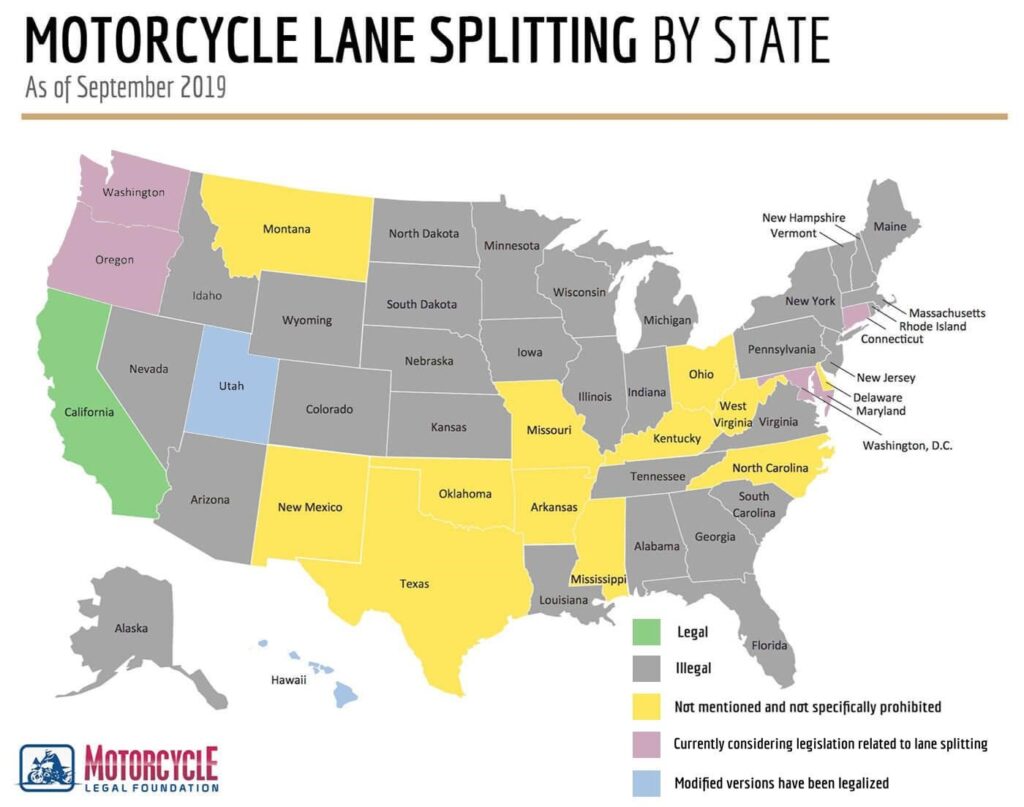
As of the most recent legislative updates, lane splitting is currently illegal in Oregon. The state’s traffic laws prohibit motorcycles from operating between lanes of traffic moving in the same direction. This means that a motorcyclist in Oregon must remain within their designated lane, just like any other vehicle, regardless of whether traffic is flowing freely or is completely stopped.
Over the years, there have been legislative efforts to legalize or at least decriminalize lane splitting in Oregon. Advocates have presented arguments similar to those outlined above, citing safety in traffic and efficiency. However, these bills have consistently failed to pass through the legislative process, often due to concerns raised by law enforcement agencies, driver advocacy groups, and those focused on general road safety. The primary hesitations typically revolve around the perceived danger it poses, the potential for conflict between riders and drivers, and the practical challenges of regulating such a practice safely on Oregon’s diverse roadways.
Therefore, for any motorcyclist venturing through Oregon, whether a local commuter or a cross-country traveler, the rule is clear: do not lane split. Adhering to this law is not only a matter of compliance but also a demonstration of respect for the state’s traffic regulations and the safety of all road users.
Penalties and Consequences
Disregarding Oregon’s prohibition on lane splitting can lead to several undesirable outcomes. The penalties for illegal lane splitting typically fall under traffic infractions, similar to other moving violations. These can include:
- Fines: Motorcyclists caught lane splitting can expect to receive a traffic citation with a monetary fine. The exact amount can vary depending on local ordinances and whether it’s a first offense or a repeat violation.
- Points on Driving Record: Like many moving violations, a lane splitting ticket can result in points being added to a rider’s driving record. Accumulating too many points can lead to increased insurance premiums, and in severe cases, even suspension of driving privileges.
- Increased Insurance Premiums: A traffic violation on your record often signals increased risk to insurance companies, which can lead to higher rates for motorcycle insurance.
- Accident Liability: In the unfortunate event of an accident while lane splitting, even if another driver is partially at fault, the motorcyclist could be found fully or partially liable due to their illegal maneuver. This can complicate insurance claims, lead to personal injury lawsuits, and significantly impact financial recovery.
- Safety Risks: Beyond the legal and financial penalties, the most significant consequence is the increased risk of an accident. While proponents argue lane splitting can enhance safety in some scenarios, performing it illegally means other drivers are less likely to expect it, increasing the chances of a collision.
It’s crucial for riders to prioritize safety and legality over the perceived convenience of lane splitting. Ignorance of the law is not a valid defense, especially when planning a trip to an unfamiliar state.
Safety Considerations Beyond Legality
Even in jurisdictions where lane splitting is legal, it comes with a strong recommendation for caution and adherence to specific safety guidelines. Since it’s illegal in Oregon, the safety considerations take on an even greater weight:
- Driver Awareness: Drivers in Oregon are not accustomed to motorcycles filtering between lanes. This lack of awareness drastically increases the risk of a collision, as drivers might change lanes unexpectedly or open doors without checking for a motorcycle in the narrow gap.
- Speed Differential: The greater the speed difference between the motorcycle and the surrounding traffic, the higher the risk. Even in legal lane splitting states, there are often strict speed differential limits. Illegally splitting at high speeds is exceptionally dangerous.
- Space and Clearance: The gaps between vehicles can be unpredictable and tight, making it easy to misjudge clearance or encounter sudden obstacles.
- Road Conditions: Potholes, debris, or wet surfaces become even more hazardous when navigating narrow spaces between vehicles.
- Unexpected Maneuvers: Car doors can suddenly open, vehicles can swerve, or objects can be thrown from windows, all posing significant threats to a motorcyclist in a tight lane-splitting scenario.
The bottom line for motorcyclists in Oregon is to always ride defensively, assume other drivers may not see you, and strictly adhere to all traffic laws, including the prohibition against lane splitting. Your safety and the enjoyment of your trip depend on it.
Navigating Oregon’s Scenic Byways: A Motorcyclist’s Guide
While lane splitting might not be an option, Oregon remains an unparalleled destination for motorcycle enthusiasts. The state offers an incredible array of scenic routes, diverse landscapes, and charming towns that are perfect for exploration on two wheels. Embracing the legal framework allows riders to fully immerse themselves in the “Travel” and “Tourism” aspects that Oregon so richly provides.
Top Motorcycle Routes and Destinations
Oregon’s geography lends itself to some of the most spectacular motorcycle rides in the United States. Here are a few must-experience routes and destinations:
- The Oregon Coast (US-101): This iconic highway stretches over 360 miles along the Pacific Ocean, offering dramatic cliffs, pristine beaches, charming seaside towns, and stunning lighthouses. Riders can stop in places like Cannon Beach, Newport, or Florence to enjoy fresh seafood, explore tide pools, or simply take in the ocean views. The Pacific Coast Scenic Byway is a truly unforgettable journey.
- Columbia River Gorge (Historic Columbia River Highway): Just east of Portland, this route carves through a majestic river canyon, renowned for its numerous waterfalls, including the famous Multnomah Falls. The Historic Columbia River Highway (parts of Route 30) is America’s first scenic highway, offering unparalleled engineering marvels and natural beauty.
- Crater Lake National Park Loop: In Southern Oregon, ride the rim of America’s deepest lake, a pristine caldera formed by a collapsed volcano. The views are utterly breathtaking, especially on a clear day, and the roads offer thrilling curves and elevation changes. This is a journey to a true “Landmark.”
- Willamette Valley Wine Country: For a different pace, explore the rolling hills and vineyards of the Willamette Valley. This region, celebrated for its Pinot Noir, offers picturesque backroads, charming small towns, and opportunities for culinary exploration, showcasing Oregon’s vibrant local culture.
- Central Oregon (Bend and Sisters): Head inland to the high desert landscapes surrounding Bend and Sisters. Here you’ll find an abundance of sunshine, craft breweries, outdoor activities, and routes that wind through forests and past volcanic formations. Highway 242 (McKenzie Pass) is particularly famous, though it’s typically only open seasonally due to snow.
When planning your routes, remember to account for fuel stops, weather conditions (especially on the coast or at higher elevations), and potential road closures during winter months for mountain passes.
Essential Tips for Oregon Motorcycle Travel
To make your Oregon motorcycle adventure as enjoyable and safe as possible, consider these practical tips:
- Gear Up for All Weather: Oregon’s weather can be famously unpredictable, especially on the coast and in the mountains. Pack layers, waterproof gear, and be prepared for sunshine, rain, and cooler temperatures, sometimes all in the same day.
- Fuel and Food Stops: While major routes have plenty of services, some of the more remote scenic byways might have longer stretches between towns. Plan your fuel stops and carry snacks and water, especially if venturing into the high desert or mountain regions.
- Wildlife Awareness: Be particularly vigilant for wildlife, especially deer and elk, which are common throughout the state, particularly at dawn and dusk.
- Local Culture and Etiquette: Oregonians are known for their friendly, independent spirit and appreciation for nature. Embrace the local culture by supporting local businesses, being mindful of environmental impact, and respecting private property. In rural areas, a friendly wave goes a long way.
- Stay Hydrated: Even on cooler days, riding in the sun and wind can lead to dehydration. Carry water and drink regularly.
- Pre-Trip Maintenance: Ensure your motorcycle is in top condition before embarking on a long journey. Check tires, brakes, fluids, and lights.
- Road Conditions: Check the Oregon Department of Transportation (ODOT) website for current road conditions, especially for mountain passes or during inclement weather.
By preparing thoroughly and respecting local laws, your motorcycle trip through Oregon can be a truly rewarding “Experience” that connects you with the state’s natural beauty and vibrant “Lifestyle.”
Beyond the Ride: Oregon Lifestyle and Accommodation
A truly immersive travel experience goes beyond the miles ridden; it encompasses where you stay, what you eat, and how you connect with the local environment. Oregon excels in offering diverse “Accommodation” options and a rich “Lifestyle” that caters to every traveler, including those on two wheels.
Finding Your Perfect Stay
Whether you’re seeking luxury after a long day’s ride or a budget-friendly spot to rest your head, Oregon has an array of choices that fit the “Hotels” and “Accommodation” categories:
- Luxury Resorts: For those indulging in a “Luxury Travel” lifestyle, destinations like The Allison Inn & Spa in the Willamette Valley offer exquisite comfort, fine dining, and rejuvenating spas. Along the Oregon Coast, resorts often boast ocean views and top-tier amenities.
- Boutique Hotels: Portland and other cities like Ashland are replete with unique boutique hotels, each offering distinct character, local art, and personalized service. These provide a more intimate and culturally rich “Experience.”
- Motorcycle-Friendly Motels and Inns: Many smaller towns along popular riding routes understand the needs of motorcyclists. Look for motels offering covered parking, bike wash stations, or recommendations for local mechanics. These often represent excellent “Budget Travel” options without sacrificing convenience.
- Vacation Rentals (Villas, Apartments): For longer stays or group trips, booking a vacation rental provides more space and the flexibility of a kitchen, perfect for those who prefer to self-cater or enjoy a “Long-term Stay.” Platforms like Airbnb or VRBO offer numerous choices from cozy cabins near Crater Lake to modern apartments in Bend.
- Camping and Glamping: For the adventurous spirit, Oregon’s state parks and national forests offer abundant camping opportunities. For a more comfortable outdoors experience, “Glamping” sites provide luxury tents or yurts, combining nature with amenities. This is a popular “Lifestyle” choice for many visiting Oregon.
When choosing accommodation, remember to check for secure parking options for your motorcycle and read reviews to ensure a hassle-free stay. Many booking platforms allow filtering for specific “Amenities” that cater to your needs.
Embracing the Oregon Experience
Beyond its natural splendor, Oregon’s “Tourism” appeal lies in its vibrant culture, culinary scene, and a relaxed, outdoors-oriented “Lifestyle.”
- Food and Drink: Oregon is a foodie’s paradise. Portland is famous for its food trucks, craft breweries, and farm-to-table restaurants. The Willamette Valley is world-renowned for its wineries. On the coast, fresh seafood is a must-try. Don’t miss out on Oregon’s craft cideries and distilleries, which offer a taste of local innovation.
- Outdoor Activities: Beyond riding, immerse yourself in Oregon’s abundant outdoor activities. Hiking in the Columbia River Gorge, surfing or beachcombing on the coast, mountain biking in Bend, or kayaking on Oregon’s numerous rivers and lakes are all fantastic ways to experience the state.
- Art and Culture: From Portland’s thriving arts scene and independent bookstores to small-town galleries and music festivals, there’s always something culturally enriching to discover. Ashland, for example, is home to the famous Oregon Shakespeare Festival.
- Local Tips: Engage with locals – they are often the best source for hidden gems, lesser-known scenic routes, or the best place to grab a bite. Respect for the environment is deeply ingrained in the Oregon ethos, so remember to Leave No Trace during your explorations.
In conclusion, while lane splitting remains illegal in Oregon, this fact should by no means deter motorcyclists from experiencing the unparalleled beauty and rich culture of this magnificent state. By understanding and respecting the local laws, planning your journey meticulously, and embracing the diverse offerings in terms of travel, tourism, and lifestyle, your motorcycle adventure in Oregon is sure to be safe, memorable, and filled with breathtaking moments that only the Pacific Northwest can provide. Ride safe, and enjoy everything the Beaver State has to offer.
LifeOutOfTheBox is a participant in the Amazon Services LLC Associates Program, an affiliate advertising program designed to provide a means for sites to earn advertising fees by advertising and linking to Amazon.com. Amazon, the Amazon logo, AmazonSupply, and the AmazonSupply logo are trademarks of Amazon.com, Inc. or its affiliates. As an Amazon Associate we earn affiliate commissions from qualifying purchases.