
Embarking on the journey to matrimony is an exciting time, and for many, the allure of tying the knot in California is simply irresistible. With its diverse landscapes ranging from sun-kissed beaches and majestic redwood forests to vibrant cities and tranquil vineyards, California offers an idyllic backdrop for any wedding, be it an intimate elopement or a grand celebration. Whether you’re a long-time resident or planning a destination wedding from afar, understanding the process of obtaining a marriage license in the Golden State is your first crucial step. This comprehensive guide is designed to navigate you through the requirements, procedures, and considerations, ensuring a smooth path to your dream California wedding, all while highlighting how travel, accommodation, and local experiences can enhance your special occasion.
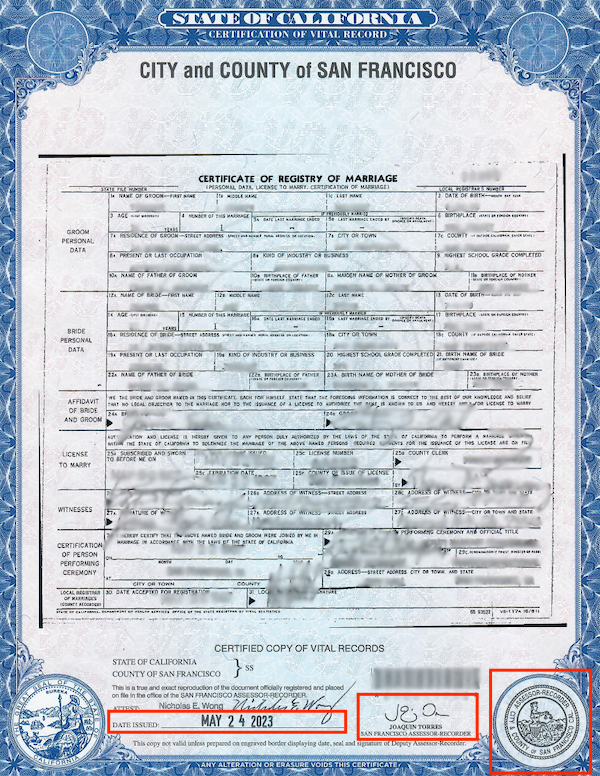
Navigating California’s Marriage License Requirements
Getting married in California is a straightforward process, but like any legal proceeding, it requires attention to detail. The state has specific rules to ensure the legality and validity of your union. Understanding these upfront will save you time and potential stress, allowing you to focus on the joy of planning your big day.
Eligibility and Essential Documents
Before you even think about venue tours or catering menus, both partners must meet the fundamental eligibility criteria set forth by California law. The good news is that California is inclusive, recognizing marriages between individuals of the same sex, and does not impose a residency requirement – meaning you don’t have to be a California resident to get married here, making it a prime spot for travelers seeking a unique wedding experience.
To be eligible:
- Both parties must be at least 18 years old.
- Neither party should currently be married to someone else. If either party has been previously married, proof of divorce, annulment, or death of a former spouse may be required, depending on the county. It’s wise to bring a copy of the divorce decree or death certificate, especially if the divorce was finalized within the last 90 days.
- The parties must not be closely related by blood (e.g., parent and child, siblings).
When you head to the County Clerk’s office, you’ll need to bring specific identification. Typically, a valid government-issued photo ID, such as a driver’s license, state ID card, passport, or military ID, is sufficient for both applicants. Some counties might also require your social security number, though the physical card is not always necessary. It’s always best to check with the specific county clerk’s office where you plan to apply, as requirements can vary slightly. For international travelers, ensure your passport is current and any necessary visas for entry into the United States are in order. This attention to detail ensures your travel plans align seamlessly with your marital aspirations.
Types of Marriage Licenses: Public vs. Confidential
California offers two main types of marriage licenses: Public and Confidential. The choice depends on your preference for privacy and whether you meet specific criteria.
-
Public Marriage License: This is the most common type. It requires both parties to appear together in person at a County Clerk’s office to apply. The key characteristic of a public license is that the marriage record becomes a public document. Anyone can request a copy of the license once it’s filed. For couples planning a traditional wedding with guests, a public license is generally the appropriate choice. This is also the standard for destination weddings where you might want the flexibility of applying in any county in California and marrying in another. For instance, you could apply in Los Angeles County and have your ceremony in Orange County, as long as the ceremony takes place within California.
-
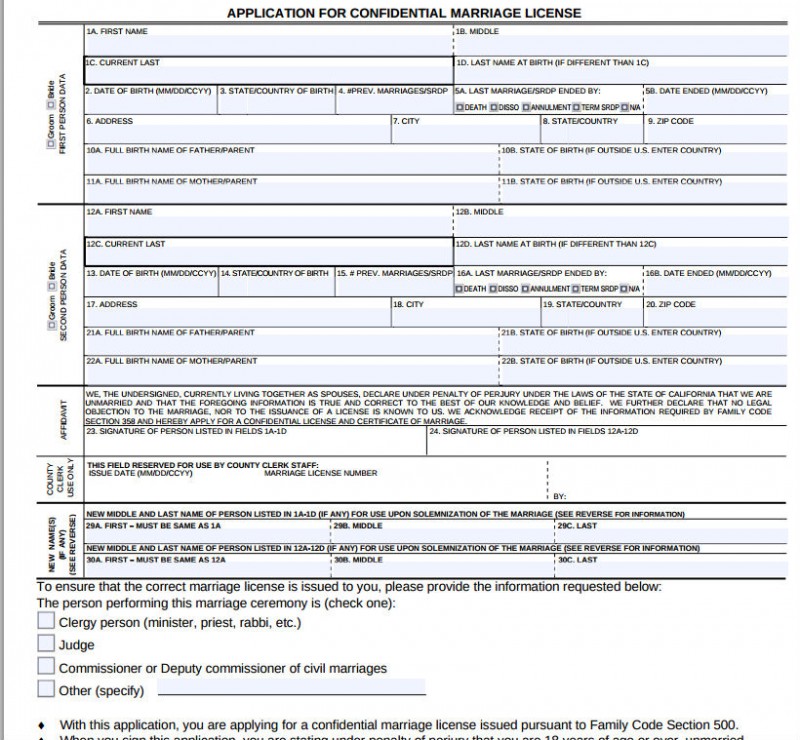
Confidential Marriage License: This option offers more privacy. To qualify for a confidential license, the couple must already be living together as spouses. The marriage record is not accessible to the public, and only the couple or a court order can obtain copies. This type of license does not require witnesses at the ceremony, which can be ideal for couples seeking a truly private elopement or a low-key affair. It’s often chosen by couples who prefer to keep their marital status discreet, perhaps for personal or professional reasons. While it offers privacy, it’s crucial to remember that it still requires both parties to appear together at the County Clerk’s office.
The Application Process: Where and How
Once you’ve determined your eligibility and gathered your documents, the next step is to physically apply for the license. This typically involves a visit to a County Clerk’s office in California.
Most couples choose to apply in the county where they intend to get married, but a public marriage license issued in any California county is valid anywhere within the state. For example, if you dream of a San Francisco wedding with the Golden Gate Bridge as your backdrop, you’ll visit the San Francisco County Clerk’s Office. However, if you apply in Los Angeles but decide to get married in San Diego, your Los Angeles license will be perfectly valid.
-
Making an Appointment: Many County Clerk’s offices, especially in larger metropolitan areas like Los Angeles, San Diego, or San Francisco, strongly recommend or even require appointments for marriage license applications. This helps manage foot traffic and ensures a smoother process for everyone. Check the specific county’s website for their scheduling system.
-
Online Pre-Application: To streamline your in-person visit, many counties offer an online pre-application process. You can fill out the form online, submit it, and then simply visit the office with your ID to finalize the application and pay the fee. This significantly reduces the time spent at the counter.
-
Fees: There is a fee for a marriage license, which varies by county but typically ranges from $80 to $120. These fees are subject to change, so confirm the current amount with the county clerk’s office. Most offices accept credit cards, debit cards, and cash.
-
Validity: A California marriage license is valid for 90 days from the date of issuance. This means your ceremony must take place within that 90-day window. If you don’t get married within that period, the license expires, and you’ll have to reapply and pay the fee again. This is an important consideration for travelers planning extended stays or complex itineraries.
Choosing Your Perfect California Wedding Destination
Beyond the legalities, getting married in California is an experience, a journey, and often a dream vacation rolled into one. The state’s diverse geography and vibrant culture mean there’s a perfect spot for every couple, integrating seamlessly with themes of travel, accommodation, and local tourism.
Iconic Landmarks and Scenic Backdrops
California is brimming with breathtaking locations that serve as unforgettable backdrops for your nuptials.
- Northern California: Imagine exchanging vows with the majestic Redwood National Park trees towering around you, or against the dramatic cliffs of Big Sur, a quintessential California coastal experience. For urban romance, San Francisco offers iconic sites like the Palace of Fine Arts, City Hall, or a bay-view ceremony with the Golden Gate Bridge in the distance. Further inland, the serene beauty of Lake Tahoe provides stunning alpine and lakeside options, perfect for a destination wedding surrounded by nature.
- Central Coast: The charming towns of Carmel-by-the-Sea and Santa Barbara offer Spanish Colonial architecture, pristine beaches, and world-class wineries, ideal for elegant ceremonies and intimate celebrations.
- Southern California: For a taste of Hollywood glamour, Los Angeles provides a plethora of upscale venues, from luxurious hotels in Beverly Hills to private estates in the Malibu hills. The beautiful beaches of San Diego, such as Coronado Beach, offer a relaxed, picturesque setting, while the desert oasis of Palm Springs provides a chic, mid-century modern vibe for a unique celebration.
Each of these destinations presents a unique lifestyle and travel experience, allowing couples to craft a wedding that truly reflects their personalities and preferences.
Accommodation and Wedding Venues
Choosing the right accommodation and wedding venue is integral to your California wedding journey. From opulent resorts to charming boutique hotels and private villas, the options are as varied as the landscapes.
- Luxury Resorts: For couples seeking an all-inclusive, high-end experience, California boasts world-renowned resorts like the Ritz-Carlton, Laguna Niguel or the Fairmont Grand Del Mar in San Diego, which offer comprehensive wedding packages, luxurious suites, and stunning event spaces. These provide exceptional service, ensuring your wedding and stay are nothing short of spectacular.
- Boutique Hotels and Inns: For a more intimate and personalized feel, consider the numerous boutique hotels found in cities like San Francisco’s Union Square or Napa Valley wine country. These often provide unique charm, local character, and personalized attention, ideal for smaller guest lists or elopements.
- Private Villas and Vacation Rentals: For those preferring privacy and flexibility, especially for longer stays or family gatherings, platforms offering luxury villas or spacious apartments can be an excellent choice. Imagine hosting a rehearsal dinner or a post-wedding brunch in a private estate overlooking the ocean in Malibu or a sprawling vineyard in Sonoma.
- Unique Venues: Beyond traditional hotels, California offers unconventional venues such as historic mansions, botanical gardens, art museums, and even private ranches. Websites dedicated to venue comparisons and reviews can help you find the perfect match for your vision and budget, catering to everything from budget travel considerations to the most lavish luxury travel dreams.
Experiencing Local Culture and Tourism
A wedding in California is more than just a ceremony; it’s an opportunity for a memorable travel experience. Encourage your guests, and yourselves, to delve into the local culture.
- Culinary Delights: From the farm-to-table movement prominent in Northern California to the diverse ethnic cuisines of Los Angeles and the fresh seafood of the coast, California is a foodie paradise. Incorporate local flavors into your wedding menu or plan pre-wedding activities like a wine tasting tour in Napa Valley or a culinary walk through San Francisco’s Ferry Building Marketplace.
- Activities and Excursions: Leverage the incredible attractions California has to offer. Before or after the wedding, guests can visit Disneyland in Anaheim, explore the natural wonders of Yosemite National Park, surf the waves in Santa Cruz, or hike the trails of Runyon Canyon Park in Los Angeles. These activities turn a wedding trip into a comprehensive vacation, providing lasting memories for everyone involved.
- Shopping and Entertainment: For those interested in retail therapy, Rodeo Drive in Beverly Hills offers unparalleled luxury shopping, while vibrant markets and unique boutiques can be found in neighborhoods across the state. Enjoy world-class entertainment, from live music venues in Hollywood to theatrical performances in San Francisco.
What Happens After You Get Your License?
Obtaining your marriage license is a significant milestone, but it’s not the final step. The license sets the stage for your ceremony and the subsequent official recording of your marriage.
The Ceremony and Officiant
With your valid California marriage license in hand, you’re ready to say “I do!” The ceremony itself must take place within the 90-day validity period of the license.
- Who Can Officiate: California law allows a variety of individuals to officiate a marriage. These include:
- Judges, commissioners, or retired judges/commissioners of a court.
- An active or retired judge of a federal court.
- A priest, minister, or rabbi of any religious denomination.
- A dignitary of any religious society or organization.
- A Member of the California State Legislature or United States Congress.
- A county supervisor.
- The mayor of a city.
- Crucially, any adult can become deputized for a day to perform a single marriage ceremony. This “Deputy Commissioner of Civil Marriages for a Day” program is popular, allowing a friend or family member to officiate, adding a deeply personal touch to your ceremony. This process usually involves a small fee and an application through the County Clerk’s office where the ceremony will take place.
- Witnesses: For a public marriage license, one or two witnesses over the age of 18 are required to sign the license after the ceremony. For a confidential marriage license, witnesses are not required.
Returning the License and Obtaining Copies
After your ceremony, the officiant has a crucial role to play: they must return the signed marriage license to the County Clerk’s office within 10 days of the wedding. This is essential for your marriage to be legally recorded.
- Filing the License: Once the County Clerk’s office receives the signed license, they will review it and officially record your marriage. This process can take a few weeks.
- Obtaining Certified Copies: After your marriage is recorded, you will want to obtain certified copies of your marriage certificate. These are legal documents often required for changing names on official records (driver’s license, passport, social security), for insurance purposes, or for immigration documentation if applicable. You can typically order certified copies from the County Clerk’s office, either in person or by mail, for a fee. Some counties allow you to pre-order copies when you apply for your license.

Tips for a Seamless California Wedding Journey
Planning a wedding, especially when integrating travel and tourism, requires meticulous organization. Here are some tips to ensure your California wedding journey is as seamless and enjoyable as possible.
- Plan Ahead: Start planning your marriage license application well in advance of your desired wedding date, especially if you’re traveling from out of state or internationally. Research the specific county requirements and make appointments if necessary. This proactive approach helps mitigate any unexpected delays or complications, especially crucial for a destination wedding where travel arrangements are already complex.
- Budget Wisely: Account for all costs: license fees, venue fees, officiant fees, and importantly, travel and accommodation expenses for yourselves and potentially your guests. California offers options for both luxury travel and budget-friendly trips, so consider what best fits your financial plan. Utilize tools for booking comparison and look for deals on hotels and flights, especially if your dates are flexible.
- Consider a Wedding Planner: For destination weddings or complex arrangements, a local wedding planner can be an invaluable asset. They can navigate local regulations, recommend trusted vendors, and manage logistics, allowing you to relax and enjoy the experience. This is particularly useful for understanding the nuances of local culture and securing the best experiences.
- Embrace the Journey: Getting married in California is an incredible opportunity to explore its beauty and vibrant culture. Whether it’s a pre-wedding relaxation trip to a spa resort, a post-nuptial adventure through Yosemite, or simply enjoying the local cuisine and attractions with your loved ones, make the most of your travel and tourism experience.
- Double-Check Everything: Before heading to the County Clerk’s office, double-check all documents, names, and dates. Any discrepancies can cause delays. A small oversight can turn into a significant hurdle, especially when you’re on a tight wedding schedule.
Obtaining a marriage license in California is a straightforward process when approached with understanding and preparation. By following these steps and keeping the various considerations in mind, you can ensure that the legal foundation of your marriage is as solid and beautiful as the memories you’ll create in this magnificent state. Whether your dream wedding is a quiet ceremony on a Malibu beach, a grand affair in a Napa Valley vineyard, or an adventurous elopement in a national park, California welcomes you to begin your marital journey with unparalleled style and unforgettable experiences.
LifeOutOfTheBox is a participant in the Amazon Services LLC Associates Program, an affiliate advertising program designed to provide a means for sites to earn advertising fees by advertising and linking to Amazon.com. Amazon, the Amazon logo, AmazonSupply, and the AmazonSupply logo are trademarks of Amazon.com, Inc. or its affiliates. As an Amazon Associate we earn affiliate commissions from qualifying purchases.