
The question of distance between two iconic American cities, Memphis and New Orleans, often arises for travelers planning a road trip through the heart of the South. These cities, steeped in rich history, vibrant music scenes, and distinct culinary traditions, offer a compelling journey through American culture. Understanding the mileage and travel times involved is crucial for crafting an efficient and enjoyable itinerary, whether you’re seeking the birthplace of rock ‘n’ roll or the vibrant energy of the Mississippi Delta.
The Direct Route: Mileage and Driving Time
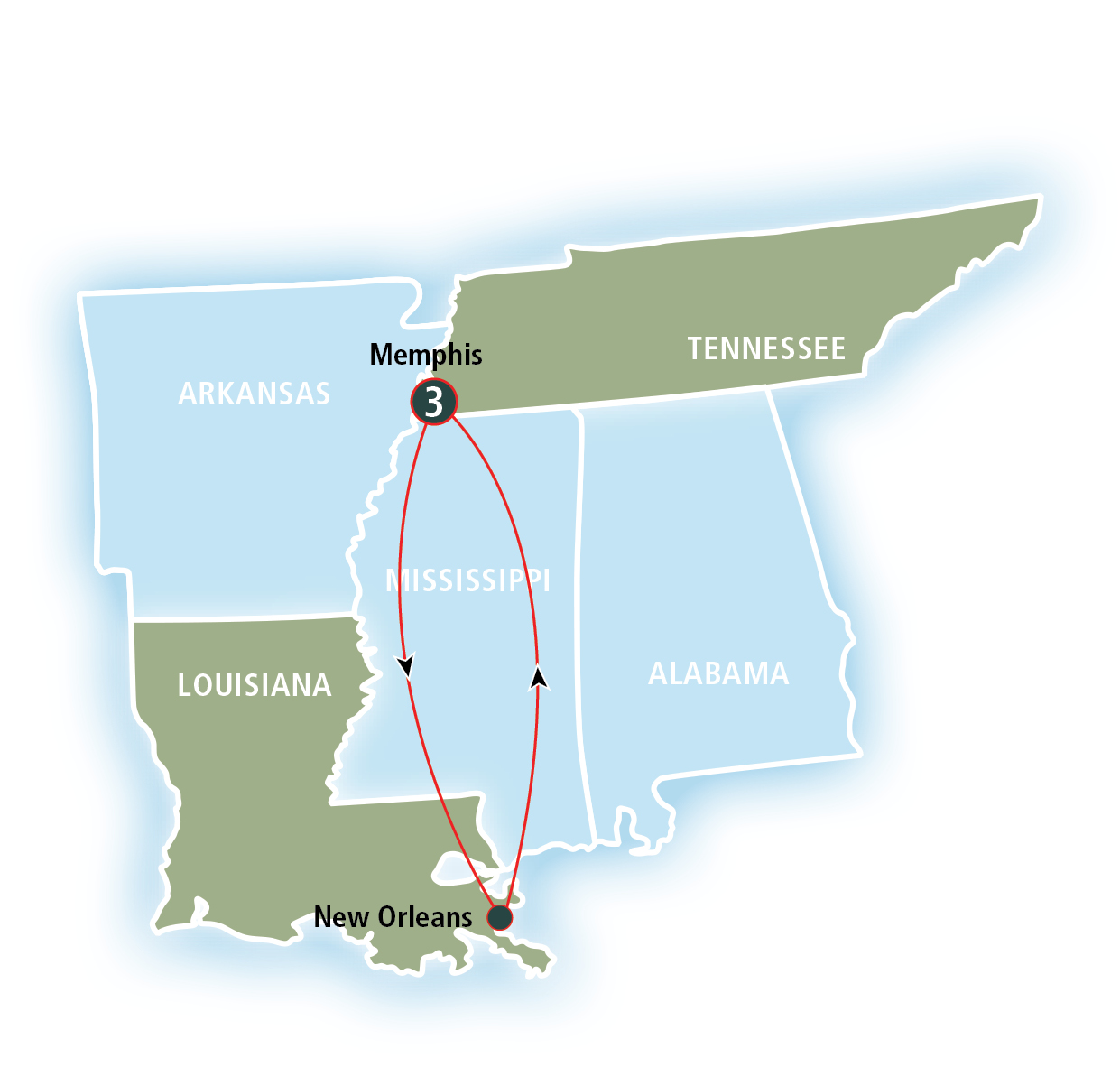
The most direct route between Memphis and New Orleans predominantly follows Interstate 55 South. This is the most common and straightforward path for travelers driving between the two metropolises.
Calculating the Distance
The approximate driving distance between Memphis, Tennessee, and New Orleans, Louisiana, is roughly 390 to 400 miles (approximately 628 to 644 kilometers). This figure can vary slightly depending on the exact starting and ending points within each city and the specific route taken by your navigation system.
Estimated Driving Duration
Under ideal conditions, with minimal traffic and no lengthy stops, the drive can take approximately 5.5 to 6 hours. However, it is essential to factor in several variables that can significantly extend this travel time.
Factors Influencing Travel Time
- Traffic: Memphis and New Orleans are major urban centers, and traffic congestion is a common occurrence, particularly during peak hours, holidays, and major events. The stretch of I-55 passing through cities like Jackson, Mississippi, can also experience slowdowns.
- Construction: Road construction is a perpetual reality on major highways, and unexpected detours or lane closures can add considerable time to your journey. It is always advisable to check local traffic reports before departing.
- Stops: Most travelers will require stops for fuel, food, and rest. Planning these stops in advance can help maintain a steady pace, but they inevitably add to the overall duration of the trip.
- Weather: Severe weather conditions, such as heavy rain, thunderstorms, or fog, especially common in the Gulf Coast region, can necessitate slower driving speeds and, in some cases, may even lead to temporary road closures, significantly impacting travel time.
Alternative Travel Methods: Flights and Rail
While driving offers a flexible and scenic way to experience the journey, other modes of transportation are available for travelers seeking different travel experiences or time efficiencies.
Air Travel
For those prioritizing speed, flying between Memphis and New Orleans is a viable option.
Airport Information
- Memphis International Airport (MEM): Serves as the primary gateway for air travel in Memphis.
- Louis Armstrong New Orleans International Airport (MSY): The main airport serving New Orleans and the surrounding Louisiana region.
Flight Duration and Logistics
Direct flights between MEM and MSY are typically short, with flight times averaging around 1 hour to 1 hour and 15 minutes. However, this does not include the time spent traveling to and from airports, check-in procedures, security screening, and baggage claim. When all these factors are considered, the total travel time for a flight can often rival or even exceed the driving time, especially for travelers within a reasonable driving distance of each city’s downtown area.
Rail Travel
While less common for this specific route compared to driving or flying, train travel offers a unique perspective for those who appreciate a more relaxed journey.
Amtrak Services
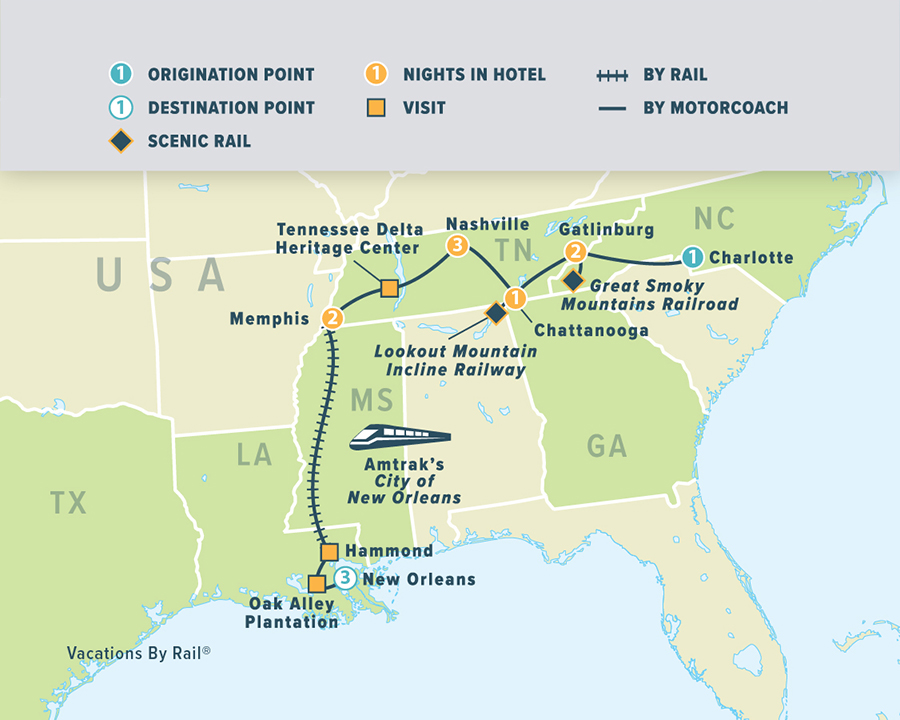
Amtrak operates services that can connect Memphis and New Orleans, though direct routes might not always be available, often requiring a change of trains.
Journey Experience
The train journey is significantly longer than driving or flying, typically taking 12 hours or more. This extended travel time allows passengers to enjoy the changing landscapes of the Mississippi Delta and the Deep South. While not the fastest option, it provides an opportunity to disconnect and appreciate the journey itself, with onboard amenities that can make the extended travel more comfortable.
Scenic Detours and Potential Stops Along the Way
The route along Interstate 55 between Memphis and New Orleans traverses a region rich in history and culture, offering numerous compelling stops for those with the time to explore. These detours can transform a simple drive into a memorable road trip.

Mississippi’s Charm: Jackson and Beyond
Jackson, the capital of Mississippi, is a natural stopping point roughly halfway between the two cities.
Historic Sites and Museums
- Mississippi Civil Rights Museum and Museum of Mississippi History: These adjacent museums offer profound insights into the state’s complex past and its pivotal role in the Civil Rights Movement.
- Old Capitol Museum: Located in the historic Old Mississippi State Capitol building, this museum showcases the state’s political history.
- Russell C. Davis Planetarium: For those interested in astronomy, the planetarium offers educational shows and stargazing opportunities.
Culinary Delights
Jackson boasts a burgeoning culinary scene, with opportunities to sample authentic Southern cuisine. Look for local diners and restaurants serving classics like fried chicken, collard greens, and cornbread.
The Mississippi Delta: A Musical Pilgrimage
As you drive south through Mississippi, you enter the legendary Mississippi Delta, the cradle of the blues. While I-55 doesn’t directly cut through all of its most famous locales, strategic detours can lead to iconic music history sites.
Blues Trail Markers
The state of Mississippi has established the Mississippi Blues Trail, marked by numerous roadside signs that commemorate significant locations and artists in blues history. Travelers interested in music history might consider detouring to places like:
- Clarksdale: Home to the Delta Blues Museum and the legendary Crossroads, where Robert Johnson is said to have sold his soul to the devil.
- Indianola: The hometown of blues legend B.B. King, featuring the B.B. King Museum and Delta Interpretive Center.
These detours add significant time to the journey but offer an unparalleled immersion into the roots of American music.
Louisiana’s Approach: Baton Rouge and Bayou Country
As you cross into Louisiana, the landscape begins to transform, with the presence of bayous and a distinct Creole culture becoming more pronounced.
Baton Rouge
Baton Rouge, the capital of Louisiana, is situated a bit west of the most direct route but is accessible via a slight detour. It offers attractions such as the Old State Capitol and the imposing Louisiana State Capitol Building.
Exploring the Bayou
For a more immersive experience of Louisiana’s unique environment, consider venturing into the Atchafalaya Basin, the largest wetland and swamp in the United States. Guided boat tours can offer glimpses of wildlife and the distinctive cypress-filled landscapes.
Planning Your Memphis to New Orleans Expedition
Successfully navigating the journey between Memphis and New Orleans requires careful planning, especially if you intend to explore the attractions along the way.
Creating a Realistic Itinerary
For a direct drive, allocate at least one full day, factoring in potential traffic and rest stops. If you plan to incorporate detours to places like the Mississippi Delta or Jackson, consider breaking the journey into two or even three days. This allows for more in-depth exploration without feeling rushed.
Accommodation Options
Along the I-55 corridor, you’ll find a range of lodging options, from budget-friendly motels to more established hotel chains in cities like Jackson and Baton Rouge. If you choose to venture into smaller towns in the Delta, accommodations might be more limited, so booking in advance is recommended. For those traveling by air, New Orleans offers an extensive array of hotels and accommodations, from historic inns in the French Quarter to modern hotels in the business district.
Essential Packing and Preparations
- Navigation: Ensure your GPS or smartphone navigation system is up-to-date. Consider downloading offline maps as cell service can be spotty in rural areas.
- Vehicle Check: If driving, ensure your vehicle is in good working condition, with particular attention to tires, fluids, and brakes.
- Comfort: Pack comfortable clothing and shoes suitable for the climate, which can be hot and humid, especially during the summer months.
- Entertainment: Long drives can benefit from a curated playlist, audiobooks, or podcasts.
- Snacks and Water: Carrying a supply of snacks and water is always a good idea for road trips, especially in more remote stretches.
The distance between Memphis and New Orleans is more than just miles on a map; it’s a journey through the heart of American music, history, and distinct regional culture, offering a rich tapestry of experiences for every traveler.
LifeOutOfTheBox is a participant in the Amazon Services LLC Associates Program, an affiliate advertising program designed to provide a means for sites to earn advertising fees by advertising and linking to Amazon.com. Amazon, the Amazon logo, AmazonSupply, and the AmazonSupply logo are trademarks of Amazon.com, Inc. or its affiliates. As an Amazon Associate we earn affiliate commissions from qualifying purchases.