
The question of “What year was Hurricane Katrina in New Orleans?” is a pivotal one, not just for recalling a specific date, but for understanding a watershed moment in the history of the city and its impact on the broader landscape of disaster preparedness and recovery in the United States. While the immediate answer is a matter of historical fact, the enduring resonance of this event demands a deeper exploration of its context, consequences, and the profound lessons it imparted.
The Anatomy of a Catastrophe
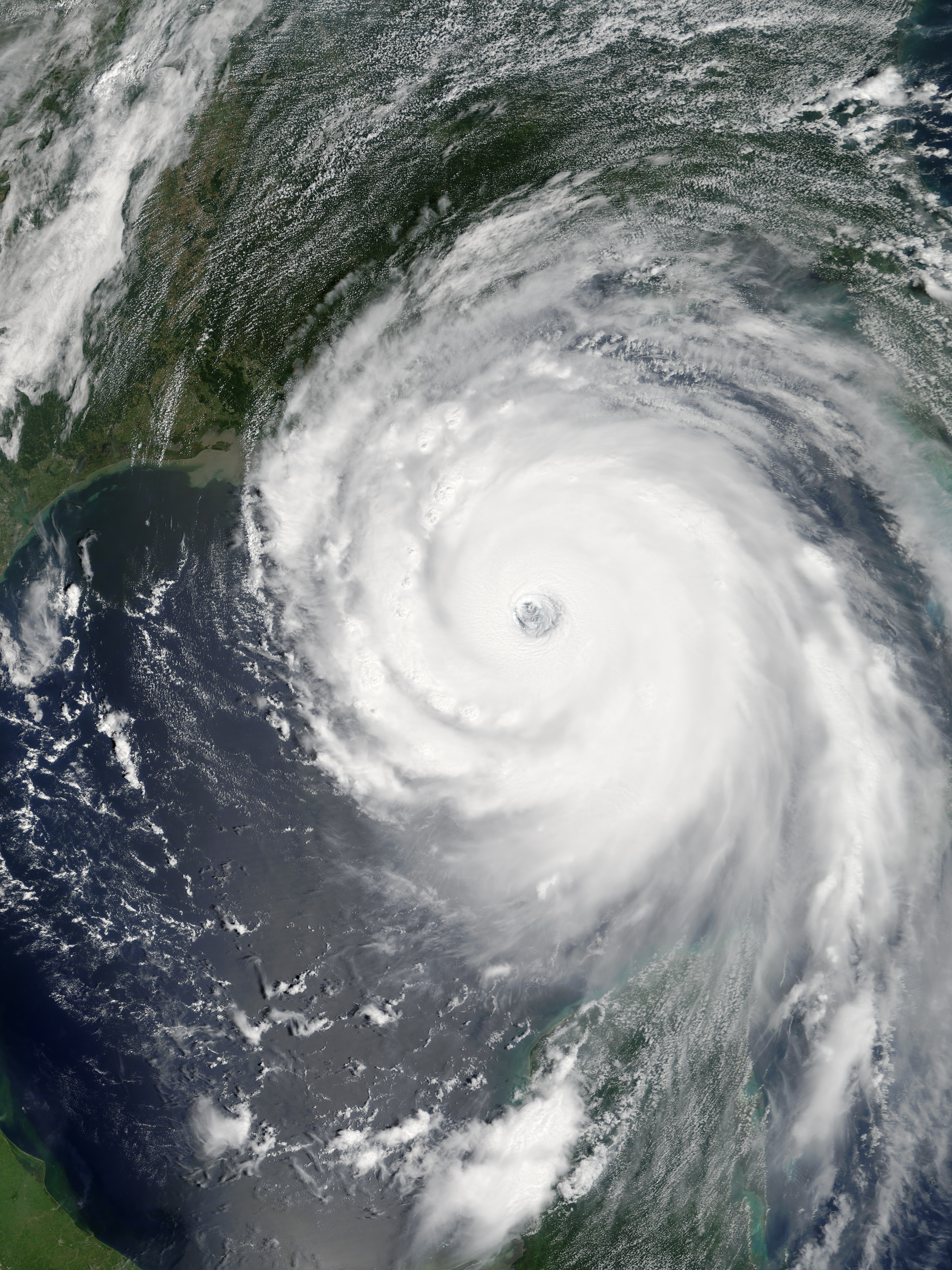
Hurricane Katrina, a Category 5 storm at its peak over the Gulf of Mexico, made landfall on the coast of Louisiana on August 29, 2005. The storm’s trajectory and intensity were, in themselves, significant factors contributing to the scale of the disaster. However, it was the subsequent failure of the levee system protecting New Orleans that transformed a powerful hurricane into a catastrophic urban flooding event.

Hurricane Genesis and Path
The genesis of Hurricane Katrina can be traced back to a tropical depression that formed over the Bahamas on August 23, 2005. It quickly intensified, becoming a Category 1 hurricane before making its first U.S. landfall in South Florida. As it moved over the warm waters of the Gulf, it underwent rapid intensification, reaching its peak strength as a formidable Category 5 hurricane. Its path then turned northward, setting its sights on the Louisiana coast.
The Levee Failures and Inundation
The most devastating aspect of Hurricane Katrina’s impact on New Orleans was the breach of the city’s extensive levee system. Designed to protect the low-lying metropolis from storm surge, these engineered barriers ultimately proved insufficient against the storm’s immense power. Over 50 breaches occurred, allowing floodwaters to inundate approximately 80% of the city. The scenes of submerged homes, desperate rescue efforts, and stranded residents became indelible images broadcast worldwide.
The Human and Cultural Toll
The human cost of Hurricane Katrina was immense, affecting hundreds of thousands of lives. Beyond the immediate loss of life and displacement, the storm inflicted deep wounds on the cultural fabric of New Orleans, a city renowned for its unique heritage and vibrant community.
Displacement and Loss
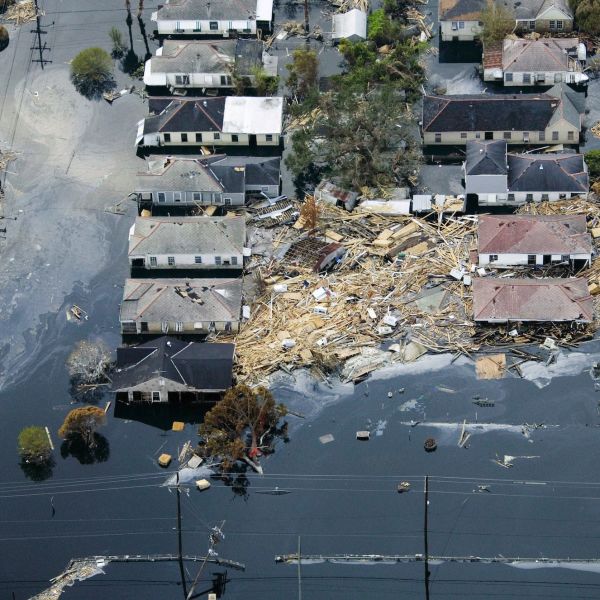
The immediate aftermath saw hundreds of thousands of residents evacuated, many of whom would never return. Families were separated, homes were destroyed or rendered uninhabitable, and the economic lifeline of the city was severed. The displacement led to a profound diaspora, scattering the population across the United States and beyond. The long-term psychological and social impacts of this displacement continue to be felt.
Cultural Resilience and Rebuilding
Despite the devastation, the spirit of New Orleans proved remarkably resilient. The city’s rich cultural traditions, from its distinctive music to its celebrated culinary scene, played a crucial role in the healing and rebuilding process. Community organizations, local artists, and the indomitable will of its people coalesced to revive and reimagine the city. The return of iconic festivals like Mardi Gras and the reopening of beloved music venues symbolized a powerful assertion of cultural continuity and rebirth.
Lessons Learned and Future Preparedness
The disaster of Hurricane Katrina served as a stark wake-up call for disaster management and infrastructure resilience across the nation. The failures exposed in New Orleans prompted significant reevaluation and investment in preparedness strategies, emergency response, and the very engineering of protective systems.
Infrastructure and Engineering Revisions
The levee failures in New Orleans led to a massive overhaul of the city’s flood protection system. Billions of dollars were invested in strengthening and raising the levees, installing surge barriers, and improving pumping capabilities. The U.S. Army Corps of Engineers, responsible for the original levee system, undertook extensive repairs and upgrades, incorporating lessons learned from the catastrophic failures. This comprehensive approach aimed to create a more robust defense against future storm surges and extreme weather events.
Emergency Management and Response Protocols
Katrina exposed significant shortcomings in federal, state, and local emergency management and response protocols. The slow and often chaotic evacuation and rescue efforts highlighted the need for better coordination, clearer communication, and more effective resource allocation. In the years following the storm, significant reforms were implemented in emergency preparedness, including enhanced communication systems, more streamlined evacuation plans, and a greater emphasis on inter-agency cooperation. The training and deployment of first responders also saw considerable attention and improvement.
Climate Change and Vulnerability
The overwhelming scientific consensus points to the role of climate change in exacerbating the intensity of hurricanes. The increasing ocean temperatures, driven by global warming, provide more energy for storms to form and intensify rapidly. The vulnerability of low-lying coastal cities like New Orleans to rising sea levels and more powerful storms has become a critical concern. The lessons from Katrina underscore the urgency of addressing climate change and implementing adaptation strategies to protect coastal communities. The ongoing conversation about resilience now inherently includes a focus on the long-term impacts of a changing climate.
The year Hurricane Katrina struck New Orleans – 2005 – is etched in collective memory. It is a year that symbolizes not just a natural disaster, but a profound societal reckoning with the interconnectedness of environment, infrastructure, and human vulnerability. The city’s ongoing recovery and its unwavering cultural spirit stand as testaments to the enduring strength of its people, while the lessons learned continue to inform strategies for a more resilient future.
LifeOutOfTheBox is a participant in the Amazon Services LLC Associates Program, an affiliate advertising program designed to provide a means for sites to earn advertising fees by advertising and linking to Amazon.com. Amazon, the Amazon logo, AmazonSupply, and the AmazonSupply logo are trademarks of Amazon.com, Inc. or its affiliates. As an Amazon Associate we earn affiliate commissions from qualifying purchases.