
The Green Heart of Manhattan
The question, “Is Central Park in New York City?” might seem elementary to many, yet it opens a gateway to understanding one of the most iconic and beloved urban oases in the world. The unequivocal answer is a resounding yes. Central Park is not merely in New York City; it is an intrinsic, vital organ of its identity, a sprawling 843-acre sanctuary carved out of the dense urban fabric of Manhattan.
A Masterpiece of Landscape Architecture
Conceived in the mid-19th century, Central Park was a visionary project born out of a desire to provide New York City’s rapidly growing population with a much-needed respite from the bustling streets. At a time when the city was rapidly expanding, the need for a significant public green space was paramount. The selection of the land, an unappealing tract of swampland, rocky outcrops, and impoverished settlements, was a testament to the ambitious spirit of its creators.
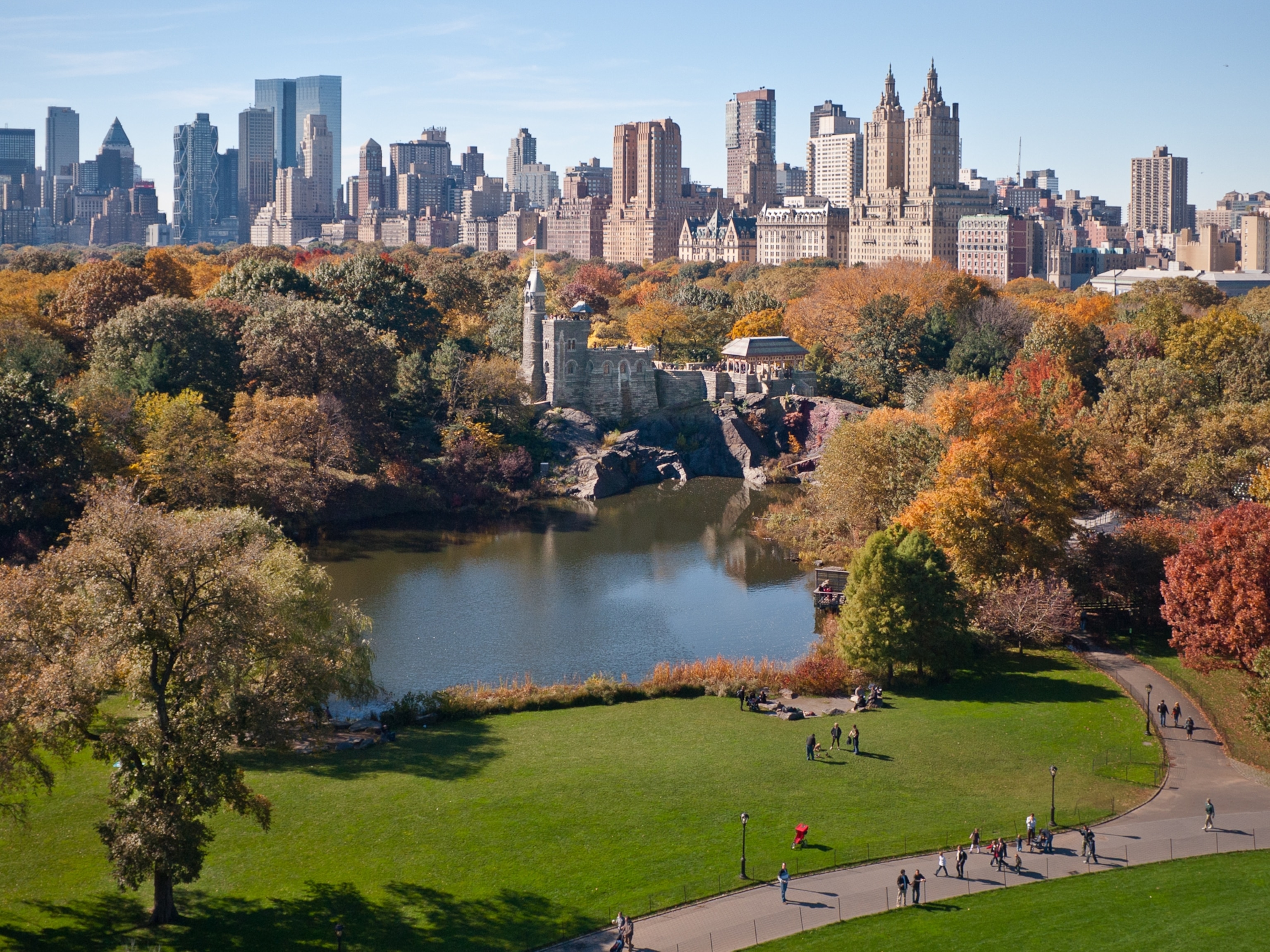
The design competition, a groundbreaking event for its time, was won by landscape architects Frederick Law Olmsted and Calvert Vaux. Their “Greensward Plan” was not merely about adding trees and grass; it was a sophisticated design that meticulously orchestrated a variety of landscapes, each offering a distinct experience. They aimed to create a public space that would serve all social classes, providing a democratic escape for everyone.
The Greensward Plan: An Overview
The brilliance of the Olmsted and Vaux design lies in its deliberate separation of different types of park usage and its careful integration of naturalistic beauty with functional design.
- The Mall and Literary Walk: This grand promenade, lined with American elms, is designed for strolling and people-watching, evoking the grand boulevards of Europe. It leads to Bethesda Terrace, a magnificent architectural focal point.
- The Lake and The Ramble: These areas offer a more rustic and naturalistic experience, with winding paths, dense woodlands, and serene water bodies. The Ramble, in particular, was designed to feel like a wild forest, a stark contrast to the city outside its borders.
- The Great Lawn: Originally conceived as a parade ground, it has evolved into a vast, open expanse perfect for picnics, sunbathing, and large-scale public events like the annual Shakespeare in the Park performances.
- The Reservoir: Providing a tranquil backdrop for joggers and walkers, the reservoir offers stunning views of the surrounding cityscape and the park itself.
The creation of the park was a monumental undertaking, involving the excavation of millions of cubic yards of earth, the blasting of rock, and the transplantation of thousands of trees. It was a true testament to engineering and artistic vision.
More Than Just Green Space: A Cultural Epicenter
Central Park is far more than just a collection of trees and meadows; it is a dynamic cultural and recreational hub for New York City and a beacon for visitors worldwide. Its geographical location places it at the heart of Manhattan, easily accessible from every corner of the city.
Attractions Within the Oasis
The park is dotted with numerous attractions that cater to a wide range of interests, further cementing its status as a premier destination.
- Bethesda Terrace and Fountain: Arguably the most iconic spot in Central Park, this stunning architectural marvel features intricate carvings, a grand staircase, and the Angel of the Waters fountain, a beloved landmark.
- Strawberry Fields: This living memorial to John Lennon is a tranquil spot for reflection, featuring a mosaic with the word “Imagine” at its center. It draws fans and admirers from across the globe.
- The Metropolitan Museum of Art: While technically bordering the park, The Met’s iconic facade and presence on Museum Mile make it inextricably linked with Central Park’s cultural landscape.
- The Central Park Zoo: A delightful attraction for families, the zoo offers a chance to see a variety of animals in a beautiful setting.
- Belvedere Castle: Perched atop Vista Rock, this whimsical castle offers panoramic views of the park and the surrounding city, serving as a picturesque overlook.
- The Pond and Wollman Rink: The Pond provides a serene water feature, often teeming with birdlife, while Wollman Rink offers ice skating in the winter months, a classic New York City experience.
- Boathouse Restaurant: Offering breathtaking views of The Lake, the Boathouse is a popular spot for dining and romantic boat rentals.
Activities for Every Visitor
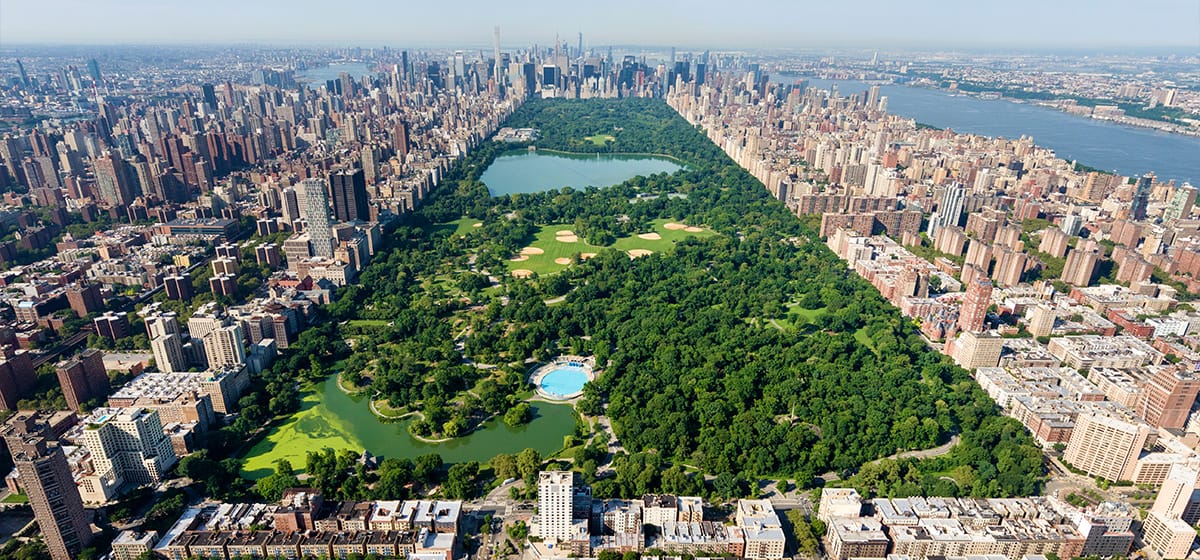
The park is a canvas for a myriad of activities year-round. From morning jogs to leisurely picnics, organized events to spontaneous encounters with street performers, Central Park pulses with life.
- Recreation: Jogging paths, cycling routes, playgrounds, sports fields, and boat rentals are all readily available.
- Culture: Concerts, film screenings, art installations, and guided tours are frequently held, offering diverse cultural experiences.
- Nature: Birdwatching, exploring the diverse flora and fauna, and simply enjoying the natural beauty are popular pastimes.
- Relaxation: Ample benches, open lawns, and quiet nooks provide perfect spots for reading, meditating, or simply soaking in the atmosphere.
Historical Significance and Evolution
The history of Central Park is as rich and complex as the city it serves. Its creation was not without controversy or challenges, and its evolution reflects the changing needs and demographics of New York City.
From Vision to Reality
The initial vision for Central Park was radical for its time. The process of acquiring the land, displacing existing communities, and constructing the park was a massive undertaking that spanned decades. The park’s design was groundbreaking, emphasizing a naturalistic aesthetic that stood in sharp contrast to the rigid grid of the city.
Key Milestones in its Development
- 1853: The city acquires the land for the park.
- 1857: The Greensward Plan by Olmsted and Vaux is selected.
- 1858: Construction begins.
- 1860s-1870s: The park gradually opens to the public, with major features like The Mall, Bethesda Terrace, and The Lake completed.
- Late 19th Century: The park becomes a vital social and recreational space for New Yorkers.
- 20th Century: The park faces periods of neglect and subsequent revitalization efforts, notably the establishment of the Central Park Conservancy in 1980.
The Role of the Central Park Conservancy
The Central Park Conservancy, a non-profit organization, plays a crucial role in the park’s ongoing preservation and enhancement. Working in partnership with the New York City Department of Parks and Recreation, the Conservancy raises funds and manages the daily operations of the park, ensuring its beauty and functionality for generations to come. Their work involves meticulous horticultural maintenance, capital improvements, and the development of diverse programming.
A Global Icon and Urban Sanctuary
The answer to “Is Central Park in New York City?” is a definitive yes, but the significance of this landmark extends far beyond its geographical location. It stands as a testament to the power of public spaces, a vital green lung for one of the world’s most densely populated cities, and an enduring symbol of New York City’s enduring spirit.
Enduring Appeal and Global Recognition
Central Park is a UNESCO World Heritage Site and a recognized historic landmark. Its image is globally recognized, appearing in countless films, books, and artworks. It is a destination that draws millions of tourists each year, eager to experience its unique blend of natural beauty, architectural splendor, and vibrant city life.

Why Central Park Matters
- Environmental Benefits: The park provides crucial ecological services, improving air quality, reducing the urban heat island effect, and supporting biodiversity.
- Social Cohesion: It serves as a communal gathering place, fostering a sense of community and offering a shared experience for people from all walks of life.
- Economic Impact: The park is a major tourist attraction, contributing significantly to New York City’s economy through tourism, events, and related industries.
- Quality of Life: It offers an essential sanctuary for New Yorkers, providing a place for recreation, relaxation, and connection with nature amidst the urban hustle.
In essence, Central Park is an indispensable part of the New York City experience. It is a place where nature flourishes, history is preserved, and the pulse of the city finds a harmonious rhythm.
LifeOutOfTheBox is a participant in the Amazon Services LLC Associates Program, an affiliate advertising program designed to provide a means for sites to earn advertising fees by advertising and linking to Amazon.com. Amazon, the Amazon logo, AmazonSupply, and the AmazonSupply logo are trademarks of Amazon.com, Inc. or its affiliates. As an Amazon Associate we earn affiliate commissions from qualifying purchases.