
Navigating periods of unemployment can be one of life’s most significant challenges, deeply impacting an individual’s financial stability, daily routines, and overall lifestyle. In California, a state known for its dynamic economy and high cost of living, understanding the intricacies of the Unemployment Insurance (UI) system is not just a matter of public policy knowledge, but a crucial component of personal financial planning and lifestyle management. For residents facing job loss, grasping how the system functions can mean the difference between prolonged struggle and a managed transition back to gainful employment. This comprehensive guide breaks down the mechanisms of unemployment in California, offering insights into eligibility, application, benefits, and strategic planning to maintain one’s lifestyle during this critical period.

Understanding California’s Unemployment Insurance (UI) System
The UI program in California provides temporary financial assistance to eligible workers who are unemployed through no fault of their own. Funded by employer contributions, this system acts as a safety net, allowing individuals to cover essential living expenses while they actively search for new work. Understanding its fundamental components is the first step toward effectively utilizing this resource.
Eligibility Requirements
To qualify for UI benefits in California, applicants must meet specific criteria, which are designed to ensure the program supports those genuinely in need of assistance during a job transition. These requirements form the bedrock of eligibility and significantly influence an individual’s ability to receive support.
Firstly, an applicant must have earned sufficient wages during a “base period.” This period is typically the first four of the last five completed calendar quarters before the claim date. The Employment Development Department (EDD), which administers the UI program in California, uses these wages to determine the weekly benefit amount and the maximum total benefits available. The specific wage thresholds vary and are updated periodically, but generally require a minimum amount earned in at least two quarters of the base period.
Secondly, and critically, individuals must be unemployed “through no fault of their own.” This typically means being laid off, having a reduction in work hours, or experiencing a company shutdown. If an individual quits their job, they must demonstrate “good cause” for leaving, such as unsafe working conditions or a need to care for a family member, to be eligible. Similarly, being fired for misconduct often disqualifies an individual from receiving benefits.
Finally, applicants must be “able and available for work” and “actively seeking work.” This condition emphasizes the temporary nature of UI benefits and the expectation that recipients are diligently looking for new employment. Being “able” means being physically and mentally capable of performing work, while “available” means being ready to accept suitable employment if offered. Actively seeking work requires claimants to engage in documented job search activities, which the EDD may verify. This active pursuit of new opportunities is central to maintaining eligibility and underscores the program’s role in facilitating re-employment rather than providing long-term support.
The Application Process
Applying for unemployment benefits in California primarily occurs online through the EDD’s UI Online portal, a streamlined digital platform designed to facilitate the process. This digital approach enhances efficiency, allowing claimants to submit information, manage their accounts, and communicate with the EDD with relative ease.
The initial application requires detailed information about the claimant’s work history, including employer names, addresses, dates of employment, and reasons for separation. Accurate and comprehensive data is paramount to avoid delays in processing. Claimants will also need their Social Security number, driver’s license or state ID number, and mailing address. For non-U.S. citizens, immigration documents are also required. Once the application is submitted, the EDD reviews the information and may contact previous employers to verify the reason for unemployment. This fact-finding process is a standard part of the procedure, ensuring that all eligibility criteria are met.
After the initial application, claimants must register with CalJOBS, California’s online job search system. This step is mandatory for fulfilling the “actively seeking work” requirement and connects individuals with potential employment opportunities across the state. The EDD also provides various resources through CalJOBS to assist with resume building, interview skills, and career counseling, all aimed at accelerating the return to work.
Applicants should be prepared for a waiting period, typically 2-3 weeks, for the initial claim to be processed and for benefits to begin. During this time, they might receive forms or requests for additional information from the EDD. Responding promptly and accurately to these requests is vital to prevent any further delays in receiving benefits. The entire application journey, from initial submission to receiving the first payment, demands meticulous attention to detail and consistent engagement with the EDD’s requirements.
Navigating the Benefit System and Maintaining Your Lifestyle
Once an individual is approved for UI benefits, the focus shifts to effectively navigating the ongoing requirements and managing the financial support to sustain their lifestyle. This phase requires consistent engagement with the EDD and prudent financial planning.
Weekly Certifications and Payments
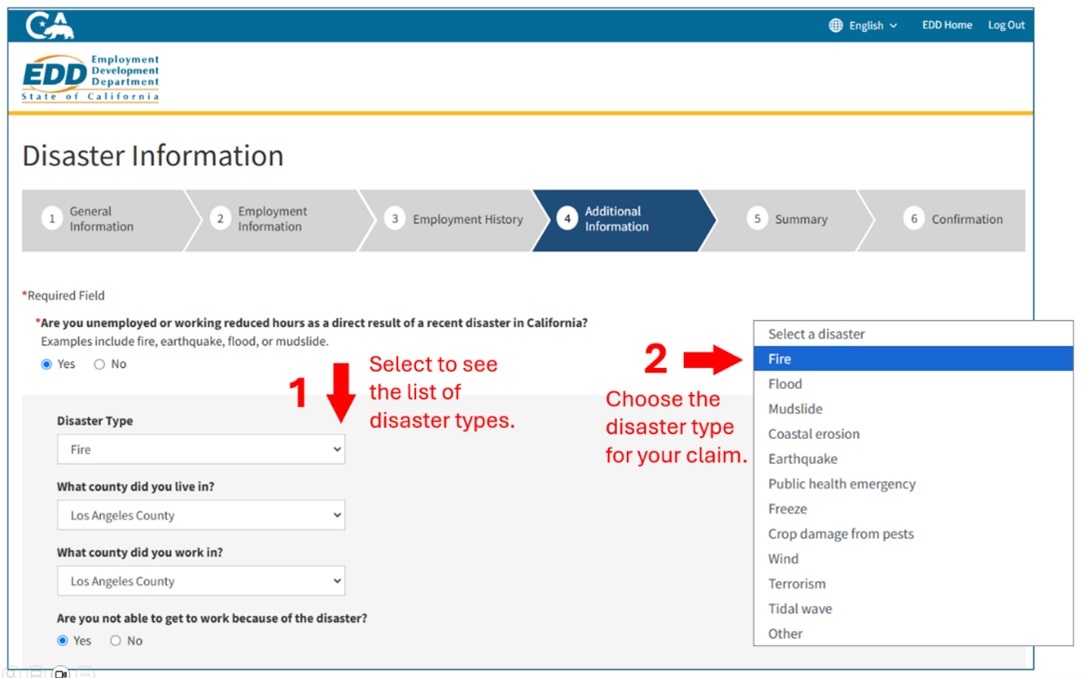
The UI system in California operates on a weekly certification basis. To receive benefits, claimants must certify their eligibility for each week they wish to claim. This is typically done online through UI Online, where individuals answer a series of questions about their job search activities, any earnings they may have had, and their availability for work during that specific week. These certifications are crucial for verifying continued eligibility and ensuring that benefits are only paid when all conditions are met.
The weekly benefit amount in California ranges, with a maximum established by state law. This amount is determined based on the wages earned during the base period. Benefits are typically paid via an EDD Debit Card, issued by Bank of America, or through direct deposit into a personal checking or savings account. Payments are usually disbursed within a few days of submitting a weekly certification. It is important to note that UI benefits are taxable income and must be reported on federal and state income tax returns. Claimants have the option to have federal income tax withheld from their weekly payments.
Any earnings from part-time work or freelance activities must be reported during the weekly certification. The EDD has a formula for reducing benefits based on reported earnings, generally allowing claimants to earn a certain amount without losing all their benefits, encouraging partial employment while still seeking full-time work. Transparency in reporting earnings is critical; failure to do so can result in serious penalties, including disqualification from benefits and requirements to repay overpayments.
Managing Your Finances During Unemployment
Unemployment benefits, while a vital safety net, rarely replace 100% of an individual’s previous income. Therefore, effective financial management becomes paramount for maintaining one’s lifestyle during this period. The first step is to create a detailed budget that accounts for reduced income and prioritizes essential expenses. This might involve cutting back on discretionary spending, reviewing subscriptions, and postponing non-critical purchases.
Many California residents find it beneficial to re-evaluate their housing costs, transportation expenses, and food budgets. Exploring lower-cost alternatives, such as public transportation, meal planning, and utilizing local food banks, can significantly alleviate financial strain. It is also wise to assess existing debts, communicate with creditors about potential hardship programs, and avoid taking on new debt during this time.
Additionally, claimants should explore other available resources. California offers various social services, including Medi-Cal for healthcare, CalFresh for food assistance, and energy assistance programs, which can provide additional support and help preserve financial stability. Leveraging these resources can prevent a period of unemployment from completely derailing an individual’s lifestyle and long-term financial goals.
Seeking New Opportunities: Re-entry into the Workforce
The UI program is inherently designed as a bridge to new employment. Therefore, actively seeking and securing new opportunities is not just a requirement for benefits but the ultimate goal for restoring one’s lifestyle.
Utilizing EDD Resources
Beyond benefit administration, the EDD provides a wealth of resources aimed at facilitating re-employment. The CalJOBS portal, as mentioned earlier, is a central hub for job listings, but the EDD also offers workshops on resume writing, interview techniques, and career exploration. These services are often free to UI claimants and can significantly enhance job search effectiveness. Local America’s Job Centers of California (AJCCs), operated in partnership with the EDD, provide in-person assistance, computer access, and direct connections to employers.
Engaging with these resources actively demonstrates commitment to re-employment, fulfilling the “actively seeking work” requirement while simultaneously building valuable skills and networks. Participating in training programs, even online courses, can also be a productive way to spend time during unemployment, making an individual more competitive in the job market.
Sustaining Well-being and Growth
Unemployment can take a toll not only on finances but also on mental and emotional well-being. Maintaining a structured daily routine, similar to a work schedule, can help in managing stress and staying focused on job search activities. Allocating time for physical activity, hobbies, and social connections is crucial for mental resilience.
Networking remains a powerful tool in California’s competitive job market. Attending industry events, joining professional organizations, and connecting with former colleagues can uncover hidden job opportunities and provide valuable insights. Viewing unemployment as an opportunity for professional development, whether through learning new skills or exploring different career paths, can transform a challenging period into one of growth and strategic re-evaluation of one’s lifestyle and career trajectory.

Common Challenges and Proactive Planning
Despite the robust system, claimants in California may encounter challenges. Delays in processing claims, disputes with former employers, or difficulties with the online portal are not uncommon. Patience, persistence, and thorough documentation are key to overcoming these hurdles. The EDD offers various channels for assistance, including phone support and online message systems, though wait times can be significant.
Proactive planning is the most effective strategy for managing the potential impact of unemployment on one’s lifestyle. Building an emergency fund, ideally covering 3-6 months of living expenses, provides a critical buffer. Understanding the UI system before job loss occurs can also reduce stress and accelerate the application process if the need arises. For California residents, where economic shifts can be swift, being informed and prepared is not just prudent—it’s essential for maintaining a stable and adaptable lifestyle.
LifeOutOfTheBox is a participant in the Amazon Services LLC Associates Program, an affiliate advertising program designed to provide a means for sites to earn advertising fees by advertising and linking to Amazon.com. Amazon, the Amazon logo, AmazonSupply, and the AmazonSupply logo are trademarks of Amazon.com, Inc. or its affiliates. As an Amazon Associate we earn affiliate commissions from qualifying purchases.