
Navigating the streets of New York City in your own vehicle presents a unique set of challenges and considerations. While it is technically possible to drive in NYC, it’s often not the most practical or enjoyable mode of transportation. The city’s dense urban environment, coupled with its extensive public transit network, means that the decision to drive requires careful planning and an understanding of the local driving landscape. This guide explores the feasibility, complexities, and potential alternatives to driving in the Big Apple.
The Realities of Driving in New York City
Driving in New York City is an experience unlike many others. The sheer volume of vehicles, the intricate grid system (and its notable exceptions), and the constant pedestrian and cyclist activity create a dynamic and often overwhelming driving environment. Understanding these realities is crucial before embarking on any journey by car within the five boroughs.

Traffic Congestion and Its Impact
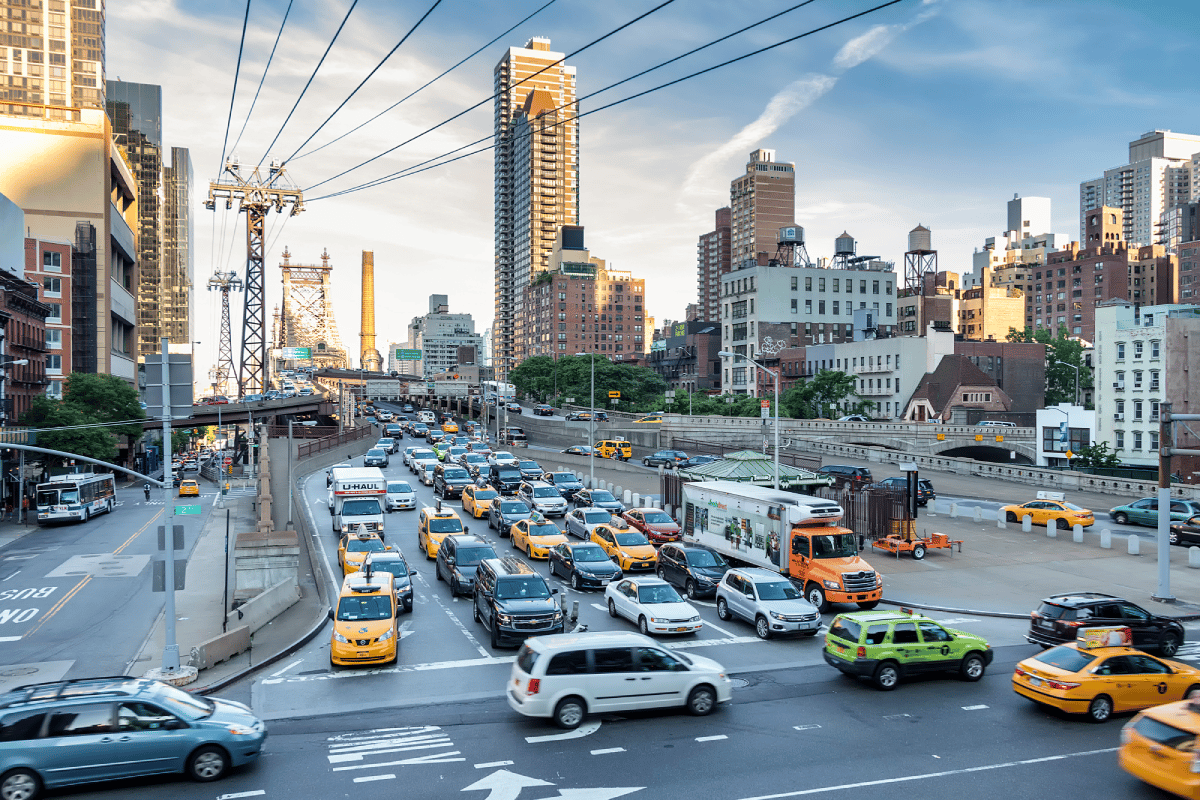
New York City is notorious for its traffic congestion. Rush hour can see major arteries like the Cross Bronx Expressway and the BQE (Brooklyn-Queens Expressway) come to a near standstill. Even outside of peak hours, traffic flow can be unpredictable, with sudden slowdowns and delays being commonplace. This congestion doesn’t just add time to your journey; it also increases stress levels and fuel consumption. The average commute time for drivers in New York City can significantly exceed that of public transit users, especially during peak periods. Planning your routes with real-time traffic apps is essential, but even the best technology cannot always predict the unpredictable nature of NYC traffic.
Parking Predicaments
One of the most significant hurdles for drivers in New York City is parking. On-street parking is scarce, highly regulated, and often subject to alternate side parking rules that change daily. Finding a legal spot can involve hours of circling blocks, and even then, the risk of ticketing or towing is ever-present. Parking garages and lots offer a more reliable option, but they come at a steep price. Daily rates in Manhattan can range from $40 to $70 or more, making extended parking a substantial expense. For residents, the cost of a monthly parking spot can be exorbitant, often rivaling or exceeding mortgage payments. This financial burden, combined with the difficulty of finding parking, often makes driving less appealing than other transportation methods.
Navigating the Streets: Road Rules and Local Quirks
Driving in New York City requires constant vigilance and adherence to a complex set of rules. Beyond the standard traffic laws, drivers must be aware of:
- Pedestrian Zones: Many areas, particularly in Midtown Manhattan, have designated pedestrian plazas and restricted vehicle access.
- Bus Lanes: Strictly enforced bus lanes can cause confusion and lead to fines if entered incorrectly.
- Bike Lanes: Protected and unprotected bike lanes are prevalent, requiring drivers to be mindful of cyclists.
- Tolls and Bridges: Navigating between boroughs or entering Manhattan often involves tolls on bridges and tunnels, such as the George Washington Bridge or the Queens-Midtown Tunnel. These tolls can add up quickly for frequent drivers.
- One-Way Streets: A vast network of one-way streets can make navigation challenging, especially for those unfamiliar with the city.
- Emergency Vehicles: The presence of numerous emergency vehicles means drivers must be prepared to yield promptly and safely.
The Cost of Driving
Beyond the direct costs of fuel and parking, driving in New York City incurs other expenses. Car insurance premiums are generally higher in urban areas due to increased risk. Tolls, as mentioned, can be significant. Furthermore, the wear and tear on a vehicle from stop-and-go traffic and frequent braking can lead to higher maintenance costs. When factoring in potential parking tickets and the cost of a parking space, the daily expense of operating a car in the city can be substantial.
When Driving Might Be Advantageous
Despite the numerous challenges, there are specific scenarios where driving in New York City might be a practical choice. These situations often involve unique logistical needs or destinations less accessible by public transit.
Transporting Large Items or Groups

If your primary purpose for visiting New York City involves transporting large items, such as furniture for a move or significant shopping purchases, a car becomes almost essential. Similarly, if you are traveling with a large group, especially one with mobility issues or young children, a private vehicle can offer greater convenience and comfort than coordinating multiple subway or taxi rides. Renting a larger vehicle, like a van, can be more cost-effective for these specific needs than relying on multiple ride-shares or taxis.
Exploring Outer Boroughs and Beyond
While the subway system is extensive, some attractions or neighborhoods in the outer boroughs, such as parts of Queens or Staten Island, may be more easily reached by car, especially if you are not staying near a direct subway line. If your itinerary includes visiting multiple, geographically dispersed locations that are not well-connected by public transit, a car might save you considerable travel time. This is also true for day trips outside the immediate city limits, such as venturing into the Hudson Valley or to nearby attractions in New Jersey.
Business Travel with Specific Needs
For business travelers who need to move between various client meetings spread across different parts of the city or surrounding suburbs, a car can offer flexibility. If your work requires carrying samples, equipment, or if you have a very tight schedule with multiple stops, the ability to control your own travel time and route can be invaluable. However, even in these cases, the cost of parking and the potential for traffic delays should be weighed carefully against the time saved.
The Superior Alternative: Embracing Public Transit and Other Options
For most visitors and even many residents, the most efficient and cost-effective way to navigate New York City is to forgo driving altogether and instead embrace the city’s robust public transportation system and alternative mobility solutions.
The Subway: The City’s Lifeline
The New York City Subway system is one of the largest and most complex in the world, serving millions of passengers daily. It offers unparalleled access to almost every neighborhood in the five boroughs. A MetroCard or OMNY contactless payment system allows for seamless travel. While the subway can be crowded and occasionally experience delays, it is generally faster and significantly cheaper than driving, especially when factoring in parking and tolls. Understanding the different lines, their express and local stops, and navigating the station maps are skills that quickly become second nature to regular users.
Buses: Connecting the Neighborhoods
New York City buses complement the subway system, providing crucial crosstown service and reaching areas not directly served by rail lines. Bus routes offer a scenic way to see the city at a slower pace, and they are also accessible with the same MetroCard or OMNY payment methods. While often slower than the subway due to traffic, buses are an indispensable part of the city’s transit tapestry.
Ride-Sharing and Taxis: On-Demand Convenience
For direct, door-to-door service, ride-sharing apps like Uber and Lyft, as well as traditional yellow taxis, are widely available throughout New York City. These options offer convenience, especially late at night or when carrying luggage, but they can be expensive, particularly during peak hours or when traveling long distances. They are a good choice for specific, targeted journeys rather than for general city exploration.
Walking and Cycling: Experiencing the City Up Close
New York City is a remarkably walkable city, with many of its most iconic attractions located within close proximity. Walking allows you to soak in the atmosphere, discover hidden gems, and avoid traffic altogether. For longer distances, the Citi Bike share program offers a convenient and eco-friendly way to cycle through parks and along waterfront paths. Dedicated bike lanes are expanding, making cycling a viable option for many routes.
Conclusion: Make an Informed Choice
Can you drive in New York City? Yes, you can. But whether you should drive is a question that requires careful consideration of your itinerary, budget, and tolerance for stress. For the vast majority of visitors, the complexities of traffic, parking, and the high costs associated with car ownership in the city make public transportation, ride-sharing, walking, and cycling far more practical and enjoyable options. By understanding the realities and embracing the alternatives, you can ensure a smoother, more efficient, and ultimately more rewarding experience exploring the vibrant metropolis of New York City.
LifeOutOfTheBox is a participant in the Amazon Services LLC Associates Program, an affiliate advertising program designed to provide a means for sites to earn advertising fees by advertising and linking to Amazon.com. Amazon, the Amazon logo, AmazonSupply, and the AmazonSupply logo are trademarks of Amazon.com, Inc. or its affiliates. As an Amazon Associate we earn affiliate commissions from qualifying purchases.