
The question, “How Many Burrows in New York City?” at first glance might seem to refer to a whimsical, perhaps even fictional, aspect of the city’s landscape. However, when exploring the rich tapestry of New York City as a tourist destination, this query can be interpreted in a more grounded, yet still fascinating, way. It prompts us to consider the hidden or less visible elements that contribute to the unique character and experience of visiting this vibrant metropolis, particularly those aspects that resonate with a sense of place and local flavor, a core component of engaging tourism. While not a typical tourist statistic, understanding the “burrows” of New York City can unlock a deeper appreciation for its multifaceted identity, from its architectural nooks to its culinary havens and the very spirit of its neighborhoods.

Unearthing the “Burrows” of New York City: Beyond the Obvious Attractions
When we speak of “burrows” in the context of tourism in New York City, we are not referring to animal habitats, but rather to the intimate, often overlooked, spaces and experiences that define the city’s soul. These are the places where locals gather, where history whispers from cobblestone streets, and where authentic cultural encounters await the curious traveler. Understanding these “burrows” is key to moving beyond the well-trodden paths of Times Square and Central Park and discovering the true essence of this global hub.
Architectural Nooks and Hidden Courtyards
New York City is renowned for its towering skyscrapers, but its architectural charm extends far beyond the iconic skyline. Many of its most captivating “burrows” are found at street level, tucked away from the main thoroughfares.
Secret Gardens and Enclaves
Beyond the sprawling greenery of Central Park, numerous smaller, often privately-owned, gardens and courtyards offer moments of unexpected tranquility. The Promenade Garden in Upper East Side provides a serene escape, while the hidden courtyards of Greenwich Village reveal charming architectural details and a palpable sense of history. These secluded spaces are perfect for a quiet moment of reflection or a leisurely read, offering a glimpse into a more residential and intimate side of the city.
Historic Alleyways and Mews
Wandering through the older neighborhoods, one can stumble upon narrow alleyways and former mews, remnants of a bygone era. Streets like Commerce Street in the West Village retain their cobblestone charm and historic building facades, transporting visitors back in time. These arteries, though small, are vital to the city’s narrative, each brick and lamppost telling a story of commerce, community, and resilience. Exploring these “burrows” allows for a more intimate engagement with the city’s architectural evolution.
Culinary Havens: The Local Eateries
The “burrows” of New York City are also deeply embedded in its culinary scene. While Michelin-starred restaurants garner significant attention, the true gastronomic heart often beats within smaller, more unassuming establishments.
Neighborhood Diners and Cafes
These are the places where the daily rhythm of New York City is palpable. From a classic New York bagel shop in Brooklyn to a cozy café in [Harlem](https://lifeoutofthebox.com/harlem], these “burrows” offer not just sustenance, but an authentic taste of local life. Engaging with the proprietors and fellow patrons can offer invaluable insights into the neighborhood’s character and unspoken traditions. The comfort food served in these establishments often embodies the spirit of the community.
Ethnic Enclaves and Specialty Markets
New York City is a melting pot of cultures, and this diversity is brilliantly showcased in its culinary “burrows.” Exploring neighborhoods like Flushing in Queens for authentic Chinese cuisine, or the vibrant Indian eateries in Jackson Heights, offers an immersive gastronomic journey. Specialty food markets, such as the Essex Market on the Lower East Side, are also “burrows” of flavor, where one can find unique ingredients and local delicacies.
Artistic and Cultural Hideaways
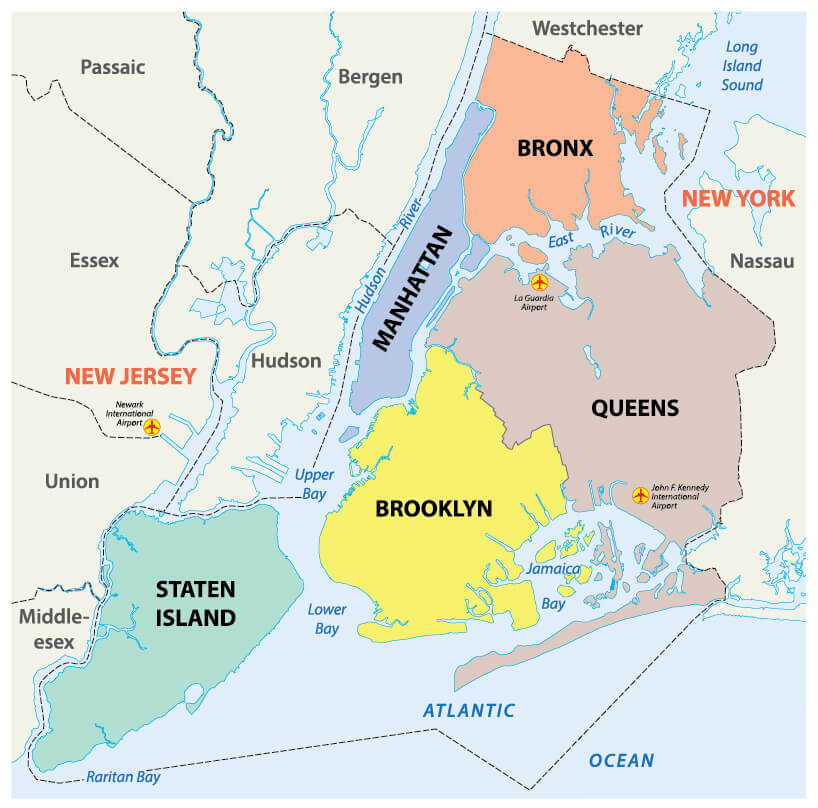
Beyond the grand museums like the Metropolitan Museum of Art and the Museum of Modern Art, the city is dotted with smaller galleries, independent theaters, and community arts spaces that serve as vital cultural “burrows.”
Independent Art Galleries and Studios
In neighborhoods like Chelsea and SoHo, tucked away on side streets, are numerous independent art galleries showcasing emerging artists. These intimate spaces offer a chance to engage with contemporary art in a less formal setting and often provide opportunities to meet the artists themselves. They represent a crucial part of the city’s creative ecosystem, fostering artistic innovation and dialogue.
Off-Broadway Theaters and Performance Venues
While Broadway commands global attention, a vibrant off-Broadway and off-off-Broadway scene thrives in the city’s “burrows.” These smaller theaters offer experimental performances, cutting-edge plays, and intimate musical productions. Attending a show in one of these venues provides a more personal connection to the performing arts and often introduces audiences to the next generation of theatrical talent. The energy and creativity found within these spaces are truly infectious.
Live Music Venues and Jazz Clubs
New York City has a legendary music history, and its live music “burrows” continue to be the breeding ground for new sounds. From legendary jazz clubs in Greenwich Village like the Village Vanguard to intimate rock venues in Brooklyn, these spaces offer authentic musical experiences that resonate with the city’s diverse cultural influences. The raw talent and passionate performances make these “burrows” essential stops for any music enthusiast.
The “Burrow” Experience: Engaging with Local Life
The true essence of exploring the “burrows” of New York City lies in actively engaging with the local culture and pace of life. It’s about slowing down, observing, and participating.
Embracing the Neighborhood Stroll
One of the most rewarding ways to discover these hidden gems is through unhurried exploration. Dedicate time to simply wander through different neighborhoods, allowing serendipity to guide your path. Observe the architecture, pop into local shops, and strike up conversations with residents. This approach moves beyond a checklist of attractions and fosters a deeper connection with the city’s multifaceted identity.
Supporting Local Businesses
The economic vitality of these “burrows” depends on local support. Choosing to dine at neighborhood restaurants, shop at independent boutiques, and attend performances at smaller venues directly contributes to the preservation of these unique spaces and the communities they serve. This conscious choice enhances the tourist experience by fostering authentic interactions and supporting the fabric of New York City.
Seeking Authentic Encounters
The “burrows” are where authentic encounters are most likely to occur. Whether it’s sharing a conversation with a street vendor, observing a local street performance, or participating in a community event, these interactions offer genuine insights into the lives of New Yorkers. These are the moments that transform a typical tourist trip into a memorable journey of discovery.

The Enduring Allure of New York City’s “Burrows”
In conclusion, the question of “How Many Burrows in New York City?” is not about a quantifiable number but about a qualitative understanding. It invites us to look beyond the obvious and delve into the intricate network of hidden courtyards, intimate eateries, and cultural enclaves that give New York City its unique character. By seeking out and appreciating these “burrows,” travelers can unlock a richer, more authentic, and profoundly memorable experience of this iconic global city. The true magic of New York City lies not just in its grand monuments, but in the countless small, vibrant “burrows” that pulse with its enduring spirit.
LifeOutOfTheBox is a participant in the Amazon Services LLC Associates Program, an affiliate advertising program designed to provide a means for sites to earn advertising fees by advertising and linking to Amazon.com. Amazon, the Amazon logo, AmazonSupply, and the AmazonSupply logo are trademarks of Amazon.com, Inc. or its affiliates. As an Amazon Associate we earn affiliate commissions from qualifying purchases.