
Navigating the journey to obtaining a learner’s permit in California is a significant step towards independence and exploring the Golden State. This guide provides a comprehensive overview of the process, ensuring aspiring drivers are well-prepared to meet the requirements set forth by the California Department of Motor Vehicles (DMV). From understanding eligibility criteria to acing the knowledge test, this article will serve as your essential roadmap.
Understanding the Eligibility Requirements
Before embarking on the application process for a learner’s permit in California, it’s crucial to ensure you meet the fundamental eligibility criteria. These requirements are designed to ensure that applicants are adequately prepared for the responsibilities of learning to drive and to promote road safety for everyone.
Age Restrictions
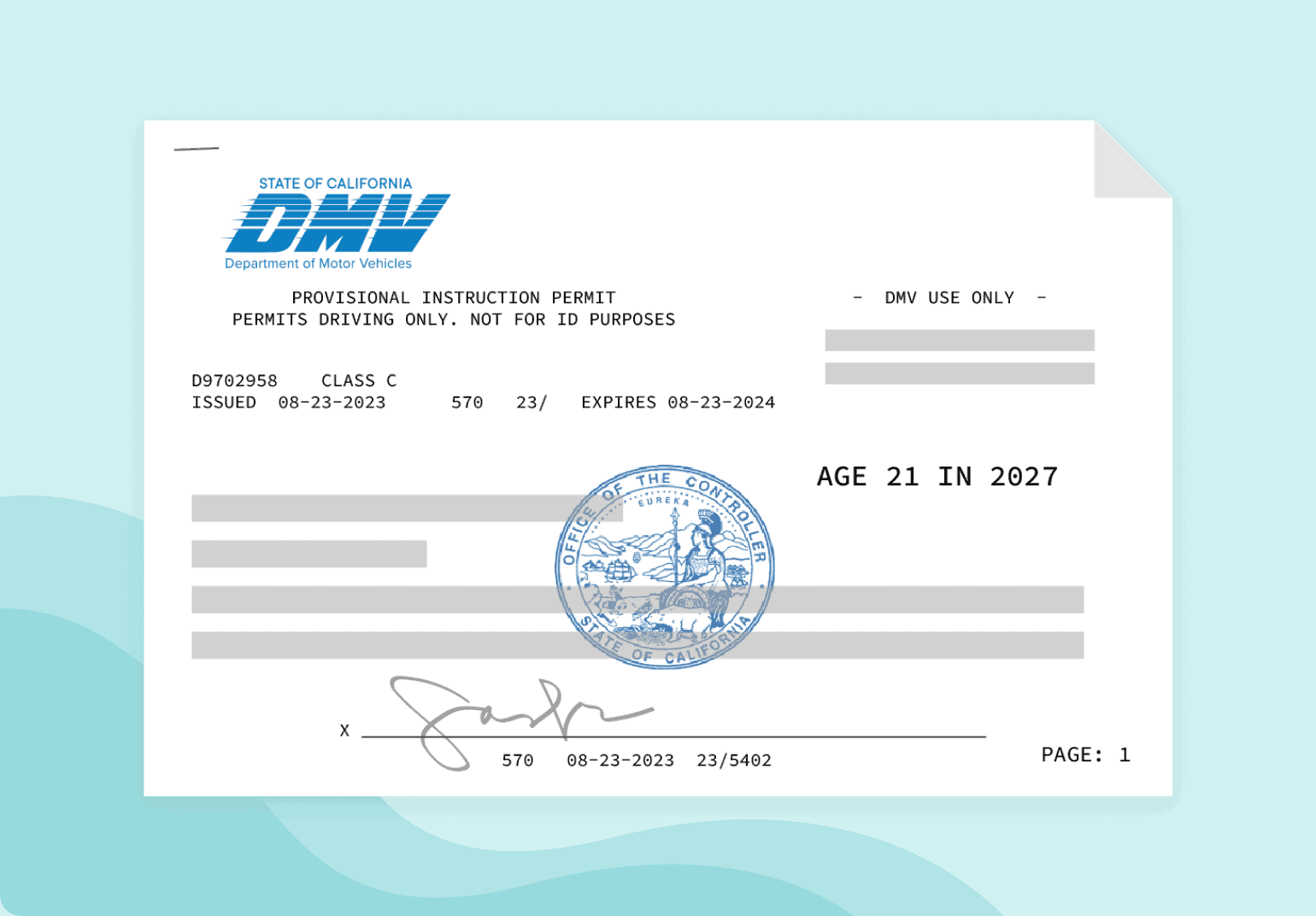
The minimum age to apply for a learner’s permit in California is 15 and a half years old. However, applicants under the age of 18 are considered minors and must adhere to specific additional requirements, which often involve parental or guardian consent and enrollment in a driver education program.
- 15 ½ to 17 ½ Years Old: Applicants within this age bracket are eligible to apply for an instruction permit. A key component of this process is mandatory enrollment in or completion of an approved driver education course. This course typically covers traffic laws, safe driving practices, and the responsibilities of a driver. Proof of completion, such as a certificate, will be required. Furthermore, parental or legal guardian consent is a non-negotiable requirement for this age group.
- 18 Years and Older: Individuals who are 18 years of age or older can apply for an instruction permit without the mandatory driver education requirement. However, they are still expected to possess a thorough understanding of California traffic laws and safe driving techniques, as demonstrated by passing the knowledge test.
Residency and Legal Status
To apply for a learner’s permit, you must be a resident of California. You will need to provide proof of residency. Accepted documents typically include utility bills, rental agreements, or school enrollment records that display your name and California address.
Additionally, you must have a legal presence in the United States. Accepted documents for proof of legal presence can include a U.S. birth certificate, a U.S. passport, or an Employment Authorization Document (EAD). The California DMV has a comprehensive list of acceptable documents on its official website.
Vision and Health Requirements
A crucial aspect of obtaining any driver’s license or permit is ensuring you meet the minimum vision and health standards required for safe driving.
- Vision Test: All applicants must pass a vision screening test. This test assesses your ability to see clearly, both with and without corrective lenses. If you wear glasses or contact lenses, you will take the test while wearing them. The DMV will record the results, and if corrective lenses are required for driving, this restriction will be noted on your permit.
- Health Declaration: While not a formal medical examination, applicants will be asked to acknowledge certain health conditions that might affect their ability to drive safely. It’s important to answer these questions honestly. If you have a medical condition that could impair your driving ability, you may need to provide a physician’s note or undergo further evaluation.
The Application Process: Step-by-Step
The process of applying for a learner’s permit in California is structured to be straightforward, but attention to detail is key. By following these steps systematically, you can ensure a smooth and efficient application.
Step 1: Gather Required Documents
The foundation of a successful permit application lies in presenting the correct documentation. Missing or incorrect documents are the most common reasons for delays or rejections. You will need to bring original documents or certified copies to your appointment at the DMV.
- Proof of Identity: This is a primary requirement. Accepted documents typically include a U.S. birth certificate, a U.S. passport, or a certificate of citizenship.
- Proof of Legal Presence: As mentioned earlier, this confirms your right to be in the United States. Examples include a U.S. passport, birth certificate, or an EAD.
- Proof of Residency: Two documents are usually required, such as utility bills, rental contracts, or school records, showing your name and California address.
- Social Security Number (SSN): You will need to provide your SSN. If you do not have an SSN, you may need to provide documentation to that effect.
- Proof of Driver Education Completion (if applicable): For applicants aged 15 ½ to 17 ½, a Certificate of Completion of Driver Education is mandatory. Ensure this certificate is from an approved driving school.
Step 2: Complete the Driver License Application (DL 44/eDL 44)
The official application form is the Driver License Application, also known as the DL 44 or its electronic version, the eDL 44. This form can often be started online prior to your appointment, which can significantly speed up your visit to the DMV.
- Online Pre-Application: Visiting the California DMV website allows you to begin the application process online. This involves creating an online account, filling out the application details, and receiving a confirmation code. Bring this code to your appointment.
- In-Person Application: If you prefer or cannot complete the online pre-application, you can fill out the DL 44 form at the DMV office. However, pre-filling it online is highly recommended to save time.
Step 3: Schedule Your DMV Appointment
While walk-ins are sometimes accepted, it is strongly advised to schedule an appointment at your local California DMV office. This minimizes wait times, which can often be substantial, and ensures you are seen in a timely manner. Appointments can be booked online through the official DMV website.
Step 4: Attend Your Appointment and Complete Requirements
On the day of your appointment, arrive on time with all your gathered documents and your completed DL 44/eDL 44 application confirmation. At the DMV, you will undergo several steps:
- Document Verification: A DMV representative will review and verify all your submitted documents.
- Thumbprint: A thumbprint will be taken electronically.
- Photograph: A photograph will be taken for your learner’s permit.
- Vision Test: You will undergo the vision screening.
- Knowledge Test: This is the most critical part of the application. You must pass a written test on traffic laws and road signs.
- Application Fee: Payment of the required application fee is necessary. The fee covers the permit and potential retests if needed.
Preparing for the Knowledge Test
The knowledge test is a crucial hurdle to overcome when applying for your learner’s permit in California. This test assesses your understanding of traffic laws, road signs, and safe driving practices. Thorough preparation is essential for success.
Understanding the Test Format
The knowledge test in California consists of 36 multiple-choice questions. To pass, you must correctly answer at least 30 questions (83%). The test covers a broad range of topics, including:
- Traffic Laws: Rules of the road, speed limits, right-of-way, parking regulations, and specific laws related to different types of vehicles.
- Road Signs: Identification and meaning of various traffic signs (warning, regulatory, guide, and construction signs).
- Safe Driving Practices: Defensive driving techniques, hazard perception, rules for driving in different weather conditions, and information about California’s zero-tolerance policy for underage drinking and driving.
- Impact of Alcohol and Drugs: Understanding the legal consequences and physical effects of driving under the influence.
Study Resources
The California DMV provides excellent resources to help you prepare for the knowledge test. It is highly recommended to utilize these materials extensively.
- California Driver Handbook: This is the primary and most important study resource. The handbook contains all the information you need to pass the test. It’s available for free download on the DMV website and can also be obtained in hard copy at any DMV office. Read it thoroughly, paying close attention to chapters on traffic laws, road signs, and safe driving.
- Online Practice Tests: Many websites, including unofficial DMV practice test providers and some driving schools, offer free practice tests. While these can be helpful for gauging your knowledge and getting used to the question format, always prioritize the information found in the official California Driver Handbook. The questions on official practice tests may not perfectly mirror the actual exam.
- Driver Education Courses: For applicants under 18, completing an approved driver education course is mandatory. These courses are designed to teach you the material necessary for the knowledge test and provide valuable real-world driving insights.
Test-Taking Strategies
- Read Each Question Carefully: Don’t rush. Understand what the question is asking before selecting an answer.
- Eliminate Incorrect Answers: For each question, try to eliminate the obviously wrong choices first. This increases your chances of selecting the correct answer.
- Refer to the Handbook: If you are unsure about a particular topic, consult the California Driver Handbook for clarification.
- Don’t Second-Guess Yourself: After making a choice, try not to overthink it. Trust your preparation.
Understanding Your Learner’s Permit and Driving Restrictions
Once you successfully pass the knowledge test and complete all other requirements, you will be issued your learner’s permit. This permit is not a full driver’s license; it allows you to practice driving under specific conditions and is a stepping stone to obtaining your provisional driver’s license.
Rules for Permit Holders
In California, learner’s permit holders under the age of 18 must abide by a strict set of rules designed to ensure safe practice and learning.
- Supervision: You must always be accompanied by a licensed driver who is 25 years of age or older. This licensed driver must sit in the front passenger seat and be in a position to take control of the vehicle if necessary. They are your designated supervisor.
- Time Restrictions: For those under 18, there are limitations on when you can drive. You cannot drive between the hours of 11:00 p.m. and 5:00 a.m. This restriction is lifted once you obtain your provisional driver’s license, with certain exceptions for employment or medical necessity.
- Passenger Limitations: For the first 12 months of holding your permit, you cannot transport passengers under the age of 20, unless they are accompanied by your licensed parent, guardian, instructor, or a licensed driver 25 years or older.
Progression to a Provisional License
The learner’s permit is a temporary document valid for 12 months. During this period, you must accumulate a minimum of 50 hours of supervised driving practice, including at least 10 hours of night driving. This practice must be documented and certified by your supervising driver.
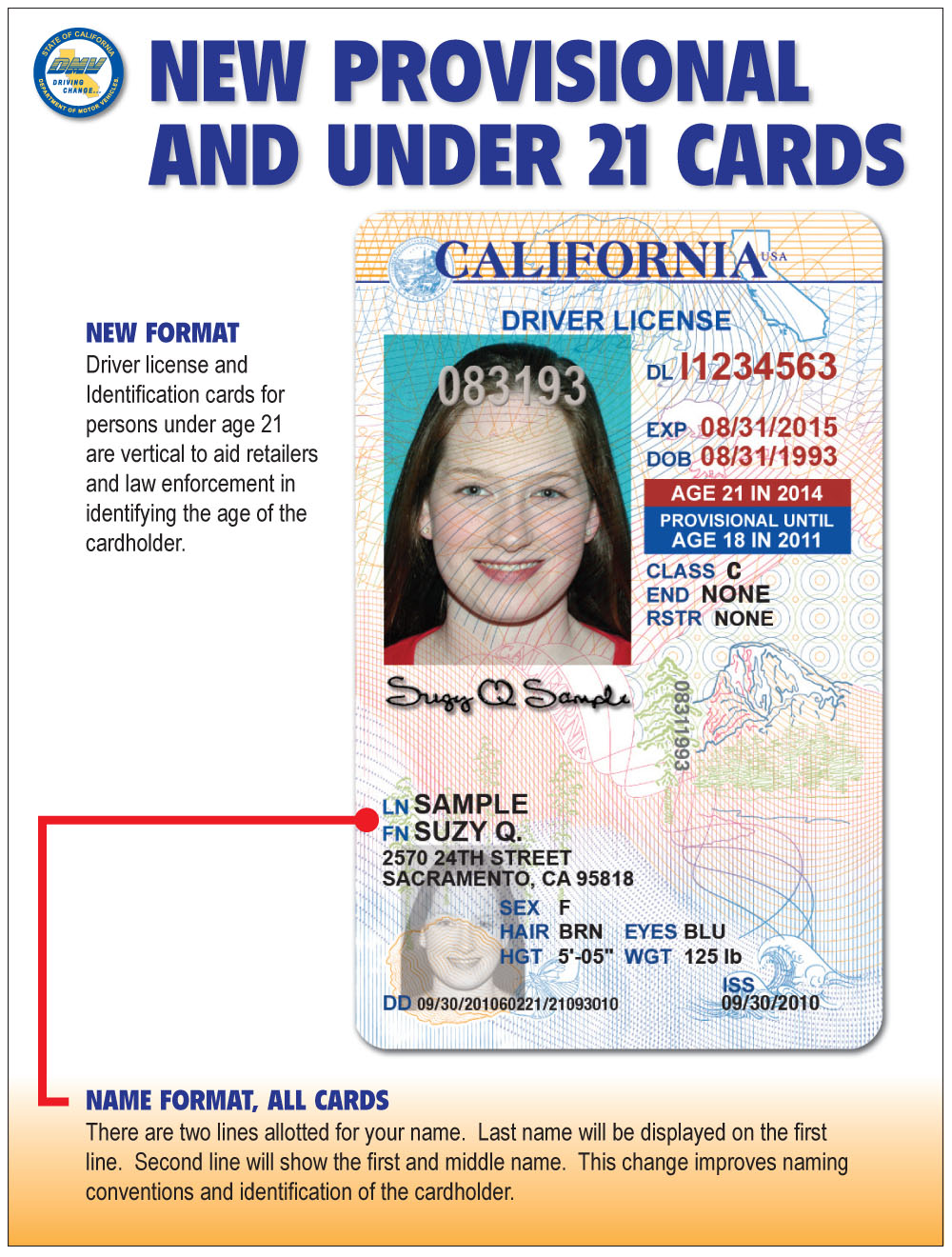
Once you have held your permit for at least six months and are at least 16 years old, you can apply for a provisional driver’s license. This involves passing a behind-the-wheel driving test at the DMV. The provisional license comes with its own set of restrictions, which are gradually lifted as the driver reaches 18 years of age.

What if You Don’t Pass the Knowledge Test?
If you do not pass the knowledge test on your first attempt, don’t be discouraged. You will have the opportunity to retake it. There is a waiting period before you can reapply, and you may be required to pay a retest fee. The DMV will provide you with information on the waiting period and any associated fees. It’s advisable to use the time between tests to review the California Driver Handbook more thoroughly and perhaps take additional practice tests.
Obtaining your learner’s permit is an exciting milestone. By understanding the requirements, preparing diligently for the knowledge test, and adhering to the rules, you’ll be well on your way to enjoying the freedom and opportunities that come with learning to drive in California.
LifeOutOfTheBox is a participant in the Amazon Services LLC Associates Program, an affiliate advertising program designed to provide a means for sites to earn advertising fees by advertising and linking to Amazon.com. Amazon, the Amazon logo, AmazonSupply, and the AmazonSupply logo are trademarks of Amazon.com, Inc. or its affiliates. As an Amazon Associate we earn affiliate commissions from qualifying purchases.