
The question of mayoral term limits in New York City is a fascinating one, touching upon the historical evolution of municipal governance, civic engagement, and the very nature of political leadership in one of the world’s most dynamic metropolises. While the current landscape is clearly defined, understanding how it arrived at this point requires a look back at past practices, legal challenges, and the democratic ideals that shape public office. For those interested in the political fabric of this iconic city, or for aspiring leaders considering a run for its highest executive office, comprehending the intricacies of mayoral terms is crucial. This exploration delves into the legal framework, historical precedents, and the implications of these regulations for New York City’s future.
The Evolution of Mayoral Term Limits in New York City
The concept of limiting the tenure of elected officials is not unique to New York City. Across the United States, term limits have been adopted at various levels of government, often as a response to concerns about entrenched power, political stagnation, or the desire to encourage fresh perspectives. In New York City, the journey toward its current term limit regulations has been marked by significant debate and legal interpretation.
Early Practices and the Absence of Formal Limits
For much of its early history, New York City did not have a formal, legislated limit on the number of terms a mayor could serve. This meant that mayors, if they were successful in securing re-election, could potentially remain in office indefinitely. This period allowed for leaders to build long-term relationships, implement sustained policy initiatives, and establish a deep understanding of the city’s complex needs. Mayors like Fiorello La Guardia, who served three terms from 1934 to 1945, exemplified this era of potentially extended leadership. His tenure is often remembered for its significant impact on the city’s infrastructure and social programs, demonstrating the potential benefits of long-term commitment and vision. However, this lack of a defined endpoint also raised concerns about the concentration of power and the potential for a leader to become disconnected from the evolving demands of the populace. The absence of term limits meant that the primary check on a mayor’s power was the electorate’s willingness to re-elect them, a system that, while democratic, could lead to extended periods of the same administration.
The Introduction of Term Limits
The formal introduction of term limits for New York City mayors, and indeed for most city elected officials, is a more recent development. The significant shift occurred in the 1990s. In 1993, through a ballot initiative, New York City voters approved a referendum that established term limits for the mayor, public advocate, comptroller, and members of the City Council. This initiative was driven by a desire to promote political turnover and provide opportunities for new leadership to emerge.
Initially, the approved term limits were set at two consecutive four-year terms. This meant that an individual could serve a maximum of eight consecutive years as mayor. After completing two terms, a mayor would be ineligible to run for re-election immediately and would have to sit out at least one term before being eligible to run again for the same office. This “cooling-off” period was a key feature of the original legislation, designed to prevent the perpetual accumulation of power while still allowing for the possibility of a political comeback after a period of absence from office. This structure aimed to balance the benefits of experienced leadership with the necessity of fresh perspectives and accountability to the electorate.
Legal Challenges and Adjustments
The introduction of term limits was not without its legal challenges. Shortly after the 1993 referendum, a legal battle ensued regarding the implementation of these limits. A key point of contention revolved around the interpretation of the ballot initiative and its application to officials who were already in office at the time of its passage. A court ruling in 1997, specifically involving the then-Mayor Rudolph Giuliani, ultimately upheld the legality of term limits, but it also led to a crucial adjustment in their application.
The court’s decision clarified that the limits would apply to terms beginning after January 1, 1994. This meant that officials serving terms that began before this date were not immediately bound by the new restrictions. However, for future elections, the established limits would hold firm. This legal precedent solidified the framework for term limits, ensuring their enforcement for subsequent administrations. The period following this ruling saw a clear understanding of the two-consecutive-term rule, shaping electoral strategies and the career paths of aspiring city leaders.
The Current Framework: Two Consecutive Terms
Under the current regulations in New York City, a mayor is permitted to serve a maximum of two consecutive four-year terms. This means an individual can serve a total of eight consecutive years in office. This is a significant and well-established feature of the city’s governance structure, impacting electoral cycles and the dynamics of political power.
The Two-Term Limit Explained
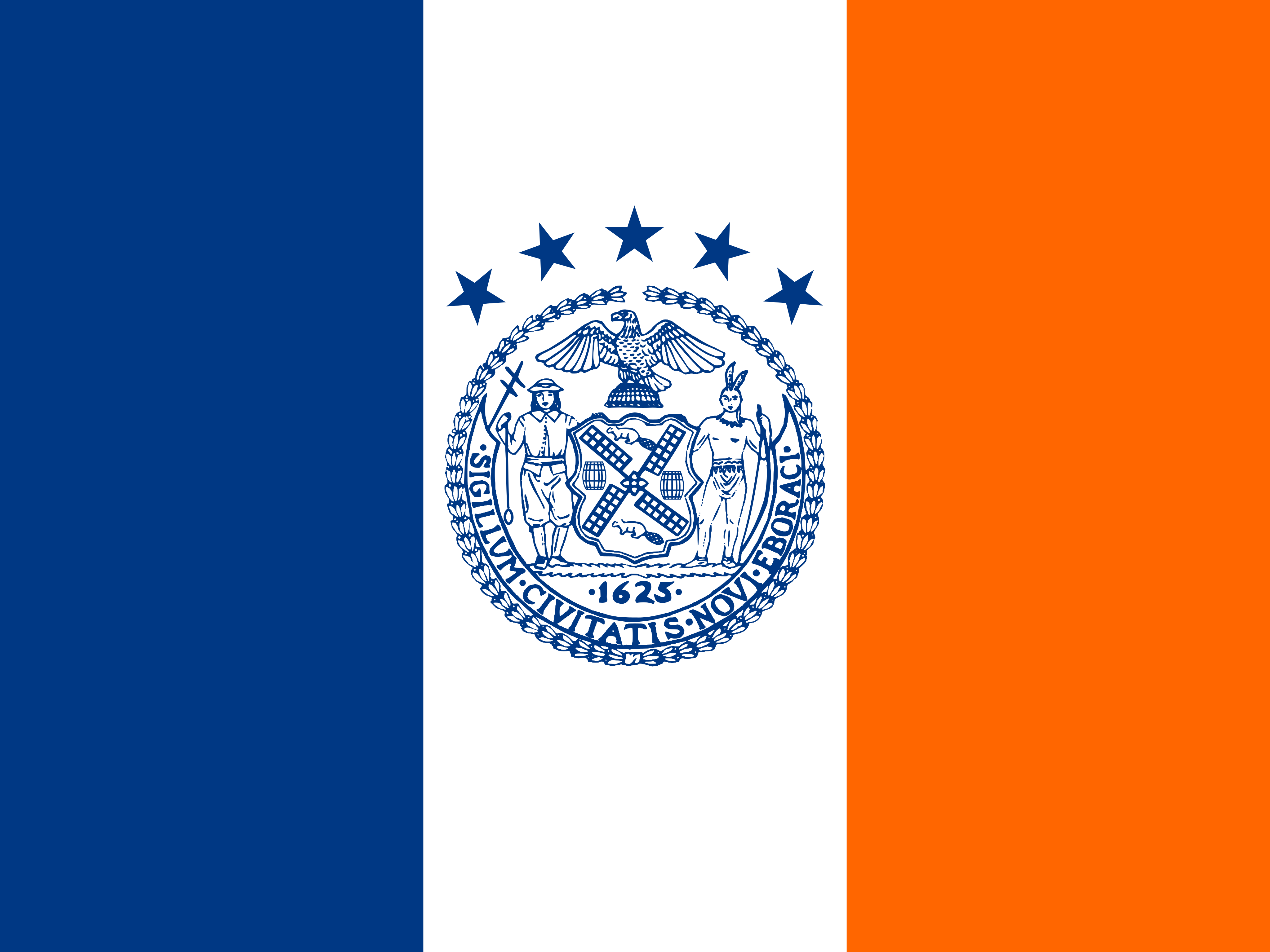
The two-term limit is a direct consequence of the voter-approved referendum and subsequent legal clarifications. It stipulates that after a mayor has completed two full four-year terms, they are ineligible to run for a third consecutive term. This is a hard limit, meaning that even if a mayor is highly popular and effective, they cannot seek re-election to the mayoral office immediately following their second term. This structure is designed to ensure regular transitions of power and to prevent any single individual from dominating the city’s executive leadership for an extended period. The four-year term length provides a substantial period for a mayor to enact policies and leave their mark on the city, while the two-term cap ensures that this influence is not permanent.
The “Cooling-Off” Period and Re-eligibility
A critical aspect of the current term limit system is the concept of a “cooling-off” period. Once a mayor has served their maximum of two consecutive terms, they must step down from the office. They are then ineligible to run for mayor again for at least one full term. This means they must wait for at least four years after leaving office before they can be considered for a return to the mayoralty. This provision is intended to prevent the formation of political dynasties and to encourage new candidates to step forward. It also provides an opportunity for former mayors to remain engaged in public life in other capacities, or to re-evaluate their political future after a period away from the city’s highest executive role. The possibility of a comeback after a single term off is a feature that differentiates it from some other term limit systems which might impose a permanent ban or longer exclusion periods.
Implications for Political Strategy and Governance
The two-term limit has profound implications for political strategy in New York City. Aspiring candidates know that they have a limited window to make their case to the voters, and incumbents must carefully plan their policy agendas and political capital within the constraints of their two terms. For mayors in their second term, there is often a sense of urgency to complete key initiatives and solidify their legacy. This can lead to a more focused and decisive approach to governance in their final years.
Furthermore, the impending end of a mayor’s tenure creates opportunities for other elected officials and political figures to position themselves for a future run. The public advocate, comptroller, and even prominent City Council members often use their current roles to build name recognition and develop policy platforms in anticipation of an open mayoral race. This creates a dynamic electoral landscape where succession planning is a constant undercurrent in city politics. The predictable nature of term limits allows for a more organized and strategic approach to leadership transitions, reducing the potential for political vacuum or chaotic power struggles that might occur in systems with unpredictable leadership changes.
Potential Future Adjustments and Public Discourse
While the current two-term limit is firmly established, the question of term limits is often a subject of public discourse and can be subject to change through future referendums or legislative action. The debate around term limits is perennial, reflecting differing philosophies on how best to ensure effective and responsive governance.
The Debate Around Term Limits: Pros and Cons
The arguments for term limits often center on the principle of promoting democratic renewal, preventing corruption, and ensuring that elected officials remain accountable to the electorate. Proponents suggest that term limits bring fresh ideas, reduce the influence of special interests that can cultivate long-term relationships with entrenched politicians, and empower new generations of leaders. They argue that continuous leadership can lead to complacency and a detachment from the needs of the constituents.
Conversely, opponents of term limits highlight the potential loss of experienced leadership and institutional knowledge. They argue that term limits can force out effective mayors who still have much to contribute, leading to a loss of stability and the disruption of long-term projects. Critics also point out that voters have the ultimate power to hold officials accountable through the ballot box, and that term limits can disenfranchise voters who wish to re-elect a popular and successful mayor. The argument is made that experience in governing a complex city like New York City is invaluable, and that forcing such individuals out prematurely can be detrimental.
Mechanisms for Change
Any alteration to the existing term limit laws in New York City would likely require a significant political undertaking. The most direct path would be through another ballot initiative, where New York City voters would have the opportunity to vote on proposed changes. This process, as seen in 1993, is a powerful mechanism for the electorate to directly shape the rules of governance. Alternatively, changes could theoretically be initiated by the City Council and the Mayor, subject to constitutional and legal review, though a direct public vote is often the most definitive route for such fundamental changes to electoral rules.
The Historical Context of Revisions
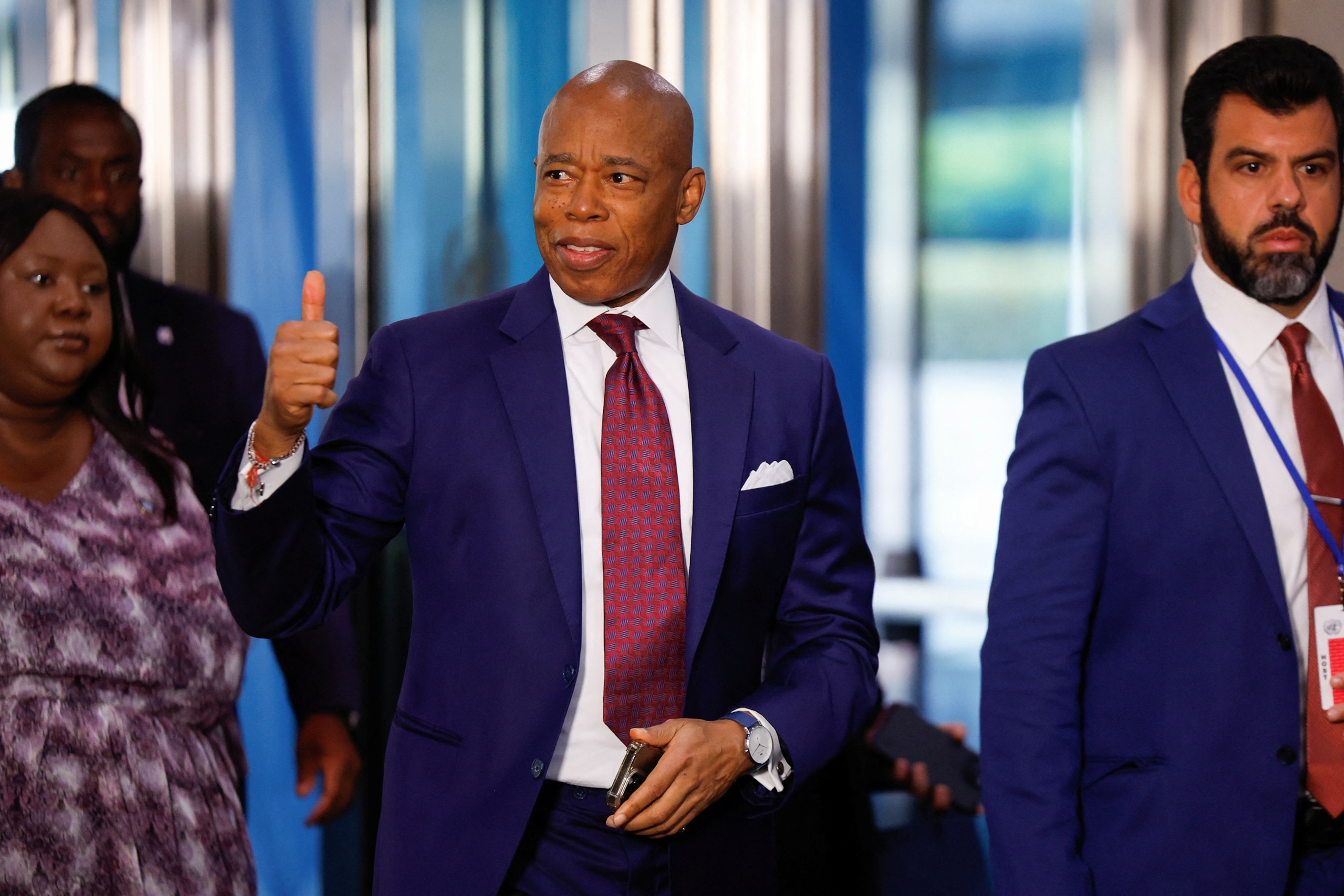
It is important to note that the term limits themselves have been subject to revision in the past. While the 1993 referendum established the initial framework, subsequent legal interpretations and discussions have refined its application. This history suggests that the rules governing mayoral tenure are not immutable and can evolve in response to legal challenges, public opinion, and the changing political landscape. The fact that term limits were extended from one consecutive term to two in the early 2000s by the City Council and approved by voters demonstrates that the public can be persuaded to alter these limits. This historical precedent provides a clear indication that the current system, while in place, is not necessarily permanent. The ongoing dialogue about the efficacy and fairness of term limits ensures that this topic will likely remain a point of consideration for New York City’s future governance.
LifeOutOfTheBox is a participant in the Amazon Services LLC Associates Program, an affiliate advertising program designed to provide a means for sites to earn advertising fees by advertising and linking to Amazon.com. Amazon, the Amazon logo, AmazonSupply, and the AmazonSupply logo are trademarks of Amazon.com, Inc. or its affiliates. As an Amazon Associate we earn affiliate commissions from qualifying purchases.