
New York City, a global epicenter of culture, commerce, and iconic landmarks, often conjures images of bustling streets, towering skyscrapers, and vibrant energy. Yet, for those considering a visit or even planning their lives within its five boroughs, a crucial aspect of its seasonal charm and logistical considerations is its annual snowfall. While the city is renowned for its diverse weather patterns, understanding its snow accumulation provides valuable insight for travelers, residents, and anyone seeking a comprehensive picture of life in the Big Apple. This exploration delves into the typical snowfall figures for New York City, examines the factors influencing its variability, and highlights how this natural phenomenon shapes the urban experience.
Understanding Average Snowfall in the Five Boroughs
The amount of snow New York City receives is not a static figure. It varies significantly year by year, influenced by a complex interplay of meteorological forces. However, a general consensus exists regarding its average annual snowfall. Most climatological data suggests that the city typically accumulates between 25 to 30 inches of snow per year. This figure, however, represents an average and can be misleading without further context. Some winters are exceptionally mild, with very little snow, while others can bring blizzard conditions and substantially higher totals.
The distribution of snow across the five boroughs can also differ. Generally, areas further inland and with higher elevations tend to experience slightly more snowfall than the coastal regions. This means that a location like The Bronx might receive a touch more snow than parts of Queens or Staten Island that are closer to the Atlantic Ocean. However, these differences are often marginal and don’t drastically alter the overall perception of New York City’s snowy winters.
Historical Snowfall Extremes
To truly appreciate the variability, it’s important to look at historical extremes. There have been winters where New York City has seen well over 50 inches of snow, sometimes even approaching 70 inches. The winter of 2015-2016 stands out as a particularly snowy period, with accumulations in some areas exceeding 50 inches, fueled by a significant blizzard in late January 2016 that paralyzed the region. Conversely, some winters have been remarkably dry, with totals falling well below the average, sometimes less than 10 inches. These outlier years highlight the unpredictable nature of winter weather in the Northeast.
Monthly Snowfall Patterns
While the annual total is important, understanding the typical monthly distribution of snow provides a clearer picture of when to expect wintry conditions. The snow season in New York City generally begins in late November or early December and can extend into March, occasionally even lingering into early April.
- December: Typically marks the beginning of the snow season, but significant accumulations are not guaranteed. Many Decembers see only light dusting or no snow at all. When snow does fall, it’s often early season snow that may not stick due to warmer ground temperatures.
- January: This is historically the snowiest month for New York City. The cold air is more consistently in place, and the ground is significantly colder, allowing snow to accumulate more readily. Major snowstorms are most likely to occur during January.
- February: February often continues the trend of cold temperatures and can bring substantial snowfall. It frequently rivals January for the title of snowiest month.
- March: While the official start of spring is in March, New York City can still experience significant snow events during this month. Late-season snowstorms are not uncommon, though they tend to be less frequent and intense than those in January and February.
Factors Influencing New York City’s Snowfall
Several meteorological factors converge to determine how much snow New York City receives. Understanding these elements offers a deeper appreciation for the dynamics of its climate.
Nor’easters
The most significant snow-producing systems for the Northeastern United States, including New York City, are known as “Nor’easters.” These powerful storms develop when a low-pressure system forms off the Atlantic coast and travels northward, typically bringing heavy precipitation, strong winds, and, crucially, cold air. The “Nor’easter” moniker comes from the direction the wind blows from during the storm—northeast. When the atmospheric conditions are just right, with temperatures hovering around freezing, these storms can unleash prodigious amounts of snow. The proximity and track of a Nor’easter are critical; a slight shift in its path can mean the difference between a major snow event and a glancing blow of rain or sleet.
Arctic Air Masses
The arrival of cold air masses from Canada or the Arctic plays a pivotal role in determining whether precipitation falls as snow or rain. When these frigid air masses descend upon the region, they lower the freezing point and create the necessary conditions for snow formation. The persistence of these cold air masses throughout the winter months directly correlates with the potential for sustained snowfall and the ability for snow to accumulate without melting. A prolonged deep freeze can significantly increase the total snowfall for a given winter.
Proximity to the Atlantic Ocean
New York City’s coastal location is a double-edged sword when it comes to snowfall. While the ocean can moderate temperatures and prevent extreme cold in some instances, it also provides a moisture source for developing storms. When a storm system interacts with a cold air mass near the coast, the ocean’s moisture can fuel heavy precipitation, including snow. The temperature of the ocean water itself can also influence the type of precipitation. Warmer ocean temperatures might contribute to rain, while cooler conditions, combined with an approaching cold front, can enhance snowfall.
Global Climate Patterns
Broader climate patterns, such as El Niño and La Niña (collectively known as ENSO – El Niño-Southern Oscillation), can also have an indirect influence on regional weather patterns, including snowfall in New York City. While not always a direct predictor, these global phenomena can alter jet stream positions and storm tracks, subtly affecting the likelihood and intensity of winter storms in the Northeast. For instance, some research suggests that La Niña winters may be associated with a greater chance of colder and snowier conditions in the region.

The Impact of Snowfall on the Urban Experience
The arrival of snow transforms New York City from its usual bustling, often gray, urban landscape into a winter wonderland, albeit one that requires careful navigation. For visitors and residents alike, snowfall impacts daily life and the city’s overall character.
Transportation and Infrastructure
Snowfall presents significant logistical challenges for the city’s vast transportation network.
- Subway System: The New York City subway, the city’s lifeline, is remarkably resilient to snow. While service can be affected by power issues or track maintenance in extreme conditions, it generally continues to operate. However, stations can become slushy, and outdoor platforms can be slippery.
- Roads and Highways: Snow removal is a massive undertaking. City and state agencies deploy fleets of snowplows and salt trucks to keep major roads and highways passable. Despite these efforts, traffic can become severely congested, and travel times can increase dramatically. Commuter rail services, such as the Long Island Rail Road and Metro-North Railroad, can also experience delays due to signal issues or track conditions.
- Air Travel: John F. Kennedy International Airport, LaGuardia Airport, and Newark Liberty International Airport are frequently impacted by snowstorms. Flight delays, cancellations, and diversions are common, requiring travelers to stay informed and adjust their plans.
Tourism and Attractions
For tourists, snow can be both a delight and a disruption.
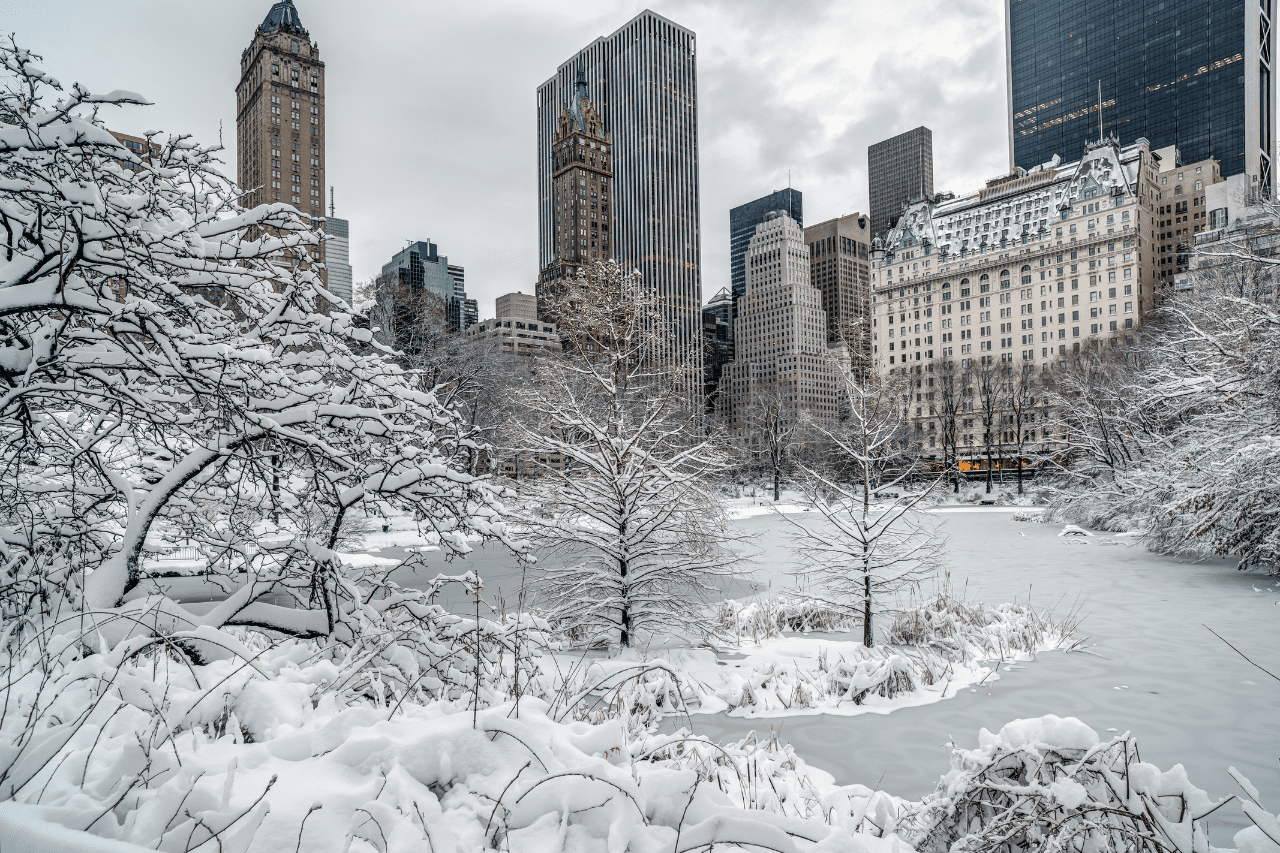
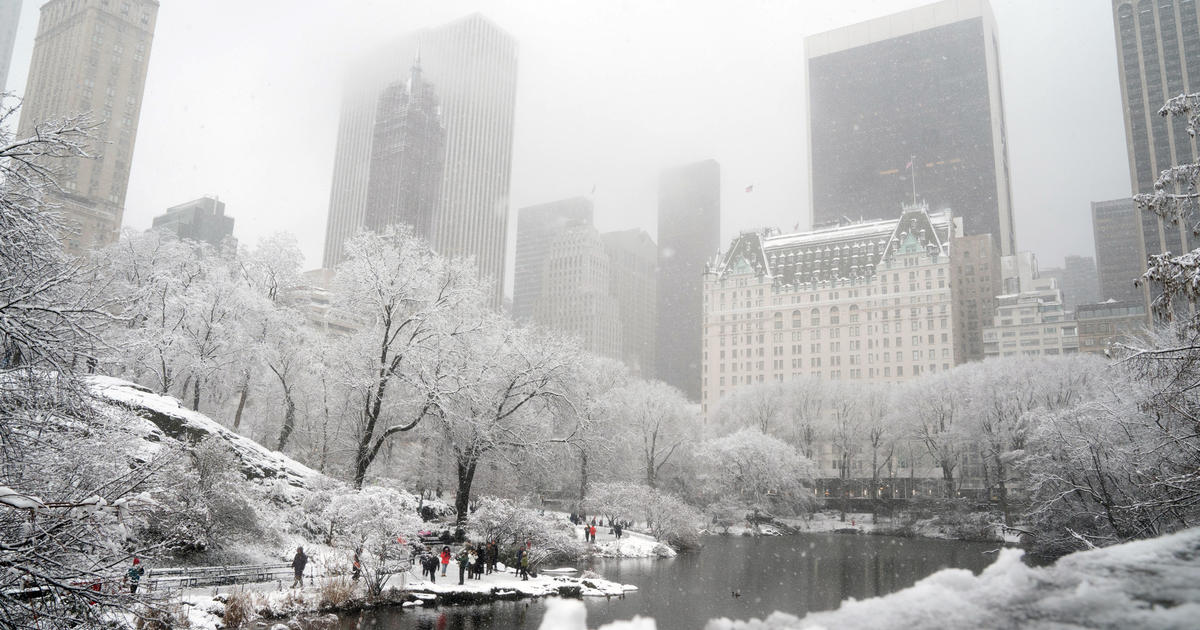
- Aesthetic Appeal: A blanket of snow can transform iconic landmarks like Central Park, the Brooklyn Bridge, and the Manhattan skyline into breathtaking scenes. Walking through a snow-covered Central Park or seeing the city lights twinkle against a snowy backdrop can be a uniquely magical experience.
- Activity Adjustments: Some outdoor activities might be curtailed, but others can be enjoyed. Ice skating at rinks like the one in Bryant Park becomes particularly popular. Museums and indoor attractions, such as the Metropolitan Museum of Art or the American Museum of Natural History, offer a warm respite and remain popular destinations.
- Event Impact: Major outdoor events or parades might be postponed or canceled in severe weather. Visitors should always check event schedules and venue advisories.
Daily Life and Local Culture
The rhythm of daily life in New York City shifts during snowy periods.
- “Snow Days”: While schools and some businesses might close for “snow days” during significant storms, forcing a pause in the city’s relentless pace, many essential services continue.
- Community Spirit: Snowstorms can also foster a sense of community, with neighbors helping each other dig out cars or sharing stories. The sight of New Yorkers navigating the snowy streets with characteristic determination is a familiar winter scene.
- Fashion and Gear: Winter fashion becomes more prominent, with stylish coats, hats, and gloves on display. The necessity of appropriate footwear for slush and ice is paramount.
Planning Your Visit to a Snowy New York City
For travelers considering a winter trip to New York City, understanding the potential for snow is key to a successful and enjoyable experience.
Timing Your Visit
The shoulder seasons of late fall (November) and early spring (March) can offer a chance to experience cooler weather and potentially some early or late snow without the full force of winter. However, if seeing a classic, snow-covered New York City is a priority, January and February are your best bets for experiencing the most significant snowfall. Be prepared for the possibility of disruption and embrace the charm that winter brings.
Packing Essentials
When packing for a winter visit, prioritize warmth and preparedness:
- Layering is Key: Pack thermal base layers, insulating mid-layers (like fleece or wool), and a waterproof and windproof outer jacket.
- Waterproof Footwear: Invest in comfortable, waterproof boots with good traction. You’ll be doing a lot of walking, and staying dry and warm is crucial.
- Accessories: Don’t forget a warm hat, gloves or mittens, and a scarf to protect from the wind and cold.
- Moisturizer and Lip Balm: Cold, dry air can take a toll on your skin.
Staying Informed and Flexible
- Weather Forecasts: Keep a close eye on weather forecasts in the days and hours leading up to and during your trip. Reliable sources include the National Weather Service, and local news outlets.
- Transportation Updates: Regularly check the MTA website for subway and bus updates, and airline websites for flight status.
- Embrace Flexibility: Be prepared to adjust your itinerary. A snowstorm might mean swapping a planned outdoor activity for an indoor museum visit or simply enjoying the unique atmosphere of the city under a blanket of white.
In conclusion, while the exact amount of snow New York City receives each year varies, understanding the averages, historical extremes, and influencing factors allows for a more informed appreciation of its winter persona. From the logistical challenges to the picturesque transformations, snow is an integral part of the urban fabric, adding another layer to the unforgettable experience of visiting or living in this dynamic metropolis.
LifeOutOfTheBox is a participant in the Amazon Services LLC Associates Program, an affiliate advertising program designed to provide a means for sites to earn advertising fees by advertising and linking to Amazon.com. Amazon, the Amazon logo, AmazonSupply, and the AmazonSupply logo are trademarks of Amazon.com, Inc. or its affiliates. As an Amazon Associate we earn affiliate commissions from qualifying purchases.